
The intestine is a very dynamic organ that is constantly changing structurally, mechanically and chemically, and the intestinal bacteria are required to cope with this dynamism. One of the features that may help them in this is plasticity - the ability to undergo rapid genomic changes in response to changes in environmental conditions
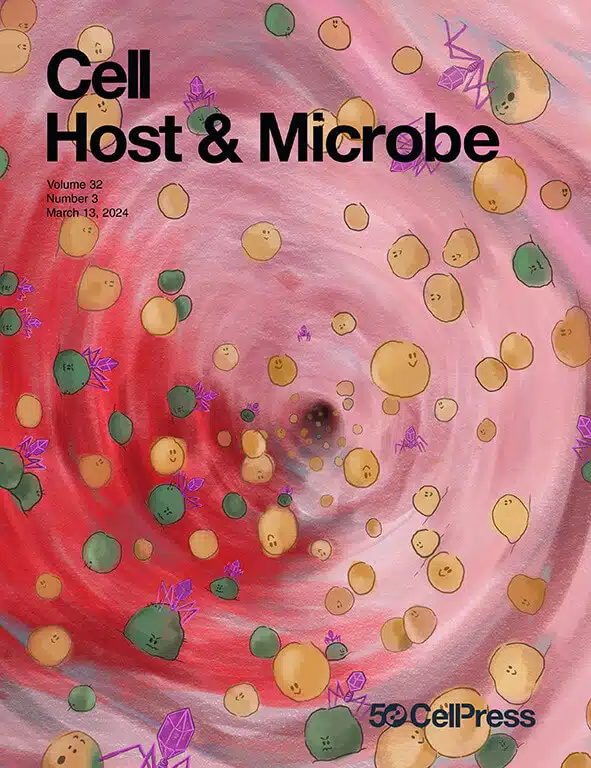
Researchers at the Rapaport Faculty of Medicine discovered that the intestinal bacteria change their behavior in response to inflammatory bowel diseases through a DNA reversal mechanism. The research published in– Cell Host & Microbe Led, under the guidance of Prof. Naama Geva-Zatorski, were the doctoral students Shaked Karso, Roan Zaatara and Haytam Hajo, laboratory graduate Dana Kadush-Kriti and research associate Dr. Tal Gefen. Other colleagues from institutions in Israel participated in the study - Technion graduate Dr. Itai Sharon from the Miguel Institute, Prof. Yehuda Hobars and Dr. Siegel Pressman from the Rambam Medical College - and researchers in the United States and Spain.
The intestinal bacteria are a very significant community in the human microbiome - the community of bacteria in our body. These bacteria have evolved over hundreds of millions of years in co-evolution with man and his ancestors, until today we cannot live without them; They are essential for the proper functioning of the immune system and the health of the entire body.
The intestine is a very dynamic organ that is constantly changing structurally, mechanically and chemically, and the intestinal bacteria are required to cope with this dynamism. One of the features that may help them in this is plasticity - the ability to undergo rapid genomic changes in response to changes in environmental conditions. The researchers of the Faculty of Medicine analyzed samples from patients with inflammatory bowel diseases and discovered that in conditions of intestinal inflammation, such as colitis and Crohn's, a genomic change of reversing DNA segments occurs in the bacteria. These reversals affect gene expression and cause bacteria to "turn off" or "turn on" the production of various molecules and proteins.
Later in the study, the researchers focused on one of the common bacteria in the intestine, Bacteroides fragilis. This bacterium covers itself with a layer of certain polysaccharide molecules called Polysaccharide A (PSA), which can activate Tregs - regulatory T cells of the immune system that suppress an increased immune response and thus may affect the reduction of inflammation. Reversing DNA in this bacterium can change the type of polysaccharide molecules that cover the bacterium. The researchers found that in an inflammatory state in the intestine, a DNA reversal occurs in the bacterium Bacteroides fragilis, which "turns off" the production of the polysaccharide molecules that have a dampening effect on the immune system.
In addition, the researchers found a connection between the DNA inversions in these bacteria and bacterial viruses in the intestines. These viruses, called bacteriophages, are known to infect and kill bacteria. In the current study, the researchers found that these viruses can change the behavior of the bacteria and change their effect on the immune system. The researchers found that the bacteriophages cause the bacteria to "turn off" the production of PSA molecules, which affects the Treg cells of the immune system. The researchers confirmed the phenomenon both in patients and in model mice.
According to Prof. Geva-Zatorski, "Following the analysis of the findings, we understand that in intestinal diseases such as colitis and Crohn's, the genomes of the bacteria undergo DNA inversions and thus the bacteria actually change the way in which they activate or suppress the immune system. The study included the analysis of more than 2,000 sick and healthy people and the confirmation of the results in the laboratory. Our explanation is that the same genomic flexibility that developed during evolution provides the bacteria with functional plasticity and thus helps them adapt to intestinal disease. Understanding the role of bacteria in the development of intestinal infections and their severity may promote innovative treatments targeting these bacteria. This study is an opening for future studies examining the activity of bacteria as a function of the conditions of their living environment in the human body and the consequences for our health."
The study was supported by the European Union (ERC), the Technion President's Foundation, the Baruch and Ruth Rappaport Center for Cancer Research, the Rappaport Institute for Research in Medical Sciences, and OT (Alon scholarship), the National Science Foundation, the Dan and Betty Kahn Foundation, the Seerave Foundation, the Azrieli Global Foundation (scholarship CIFAR), the Foundation for the Advancement of the Human Sciences (HFSP), and the Gutwirt Foundation.
