The Technion

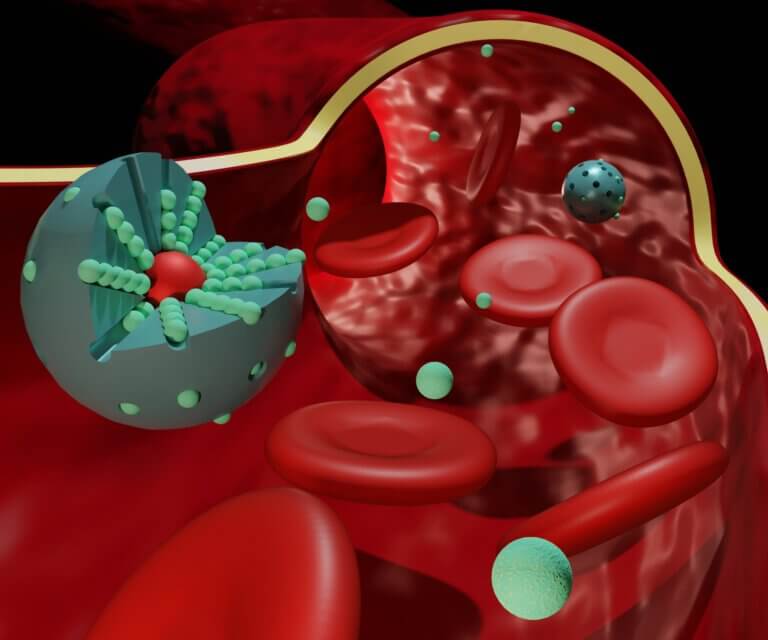
Illustration depicting MPsomes nanoparticles that compete with macrophages for adhesion to inflamed blood vessels in a tumor, thus altering the tumor microenvironment and inhibiting cancer progression.

Drug-free nanoparticles halted aggressive breast cancer tumors in preclinical trial

New nanoparticles developed at the Technion do not release a drug, but rather affect the immune system around the tumor. In a preclinical trial, they inhibited aggressive triple-negative breast cancer.
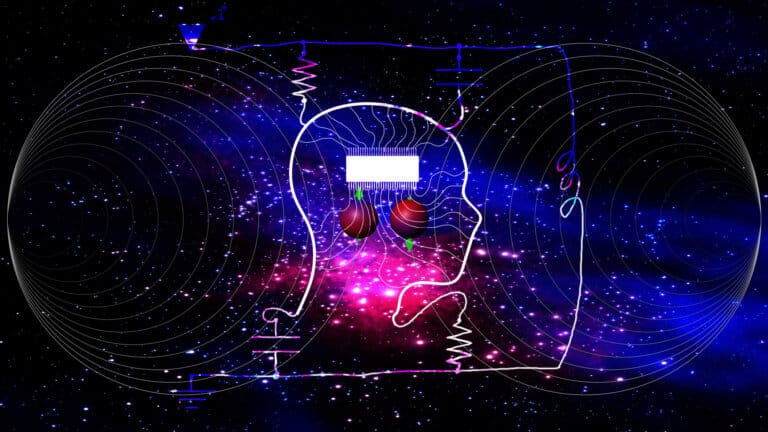
Radiation emission resulting from illumination of the material. Credit: Tomer Bar Lev. Created with the assistance of Gemini

Technion researchers have developed a new model for designing smart light sources

The study, published in Optica, explains how properties of luminescent materials and temperature determine the color, intensity, and randomness of light. The findings could help develop advanced light sources, optical sensors, and heat-based photonic systems.
The figure illustrates how changes in genetic control lead to changes in the shape and structure of animals during evolution. The upper part shows larvae of two species of Drosophila: Drosophila melanogaster (left), which has dense rows of tiny hairs, and Drosophila sechellia, which has lost many of these hairs during evolution. These differences arise from changes in the expression of the shavenbaby gene during the embryonic stage (center of the figure). The lower part shows the control region of the shavenbaby gene, which includes a large number of control sequences called enhancers, which are important for ensuring stable expression of the gene. In D. sechellia, four of the enhancers have lost their activity, each through a different molecular mechanism – deletion of essential sequences, loss of binding sites for transcription factors, acquisition of repressive activity, and even exposure of previously existing repression. As a result, gene expression decreases and the tiny hairs disappear.

The stability paradox: How does the shape of creatures change throughout evolution?

Researchers from the Technion have discovered how changes in genetic control sequences can lead to changes in body structure, even when the gene control systems are stable and resistant to change.
In the graphic summary, from the bottom left corner and clockwise: muscle tissue containing mature cells and blood networks; adipose tissue containing blood vessel and lymph networks; printing of these scaffolds; and immediate feeding of the scaffold by the "host" tissue. Courtesy of Prof. Shulamit Levenberg's laboratory

A first-of-its-kind 3D implant developed at the Technion may dramatically improve treatment of tissue loss

Researchers at the Technion have developed an engineered scaffold containing muscle and fat tissue, a hierarchical blood vessel network, and a lymphatic network, and experiments in rats demonstrated faster and more efficient attachment of the graft to the damaged organ.
Relationships: Evolution of the virus and the cell. Illustration: depositphotos.com

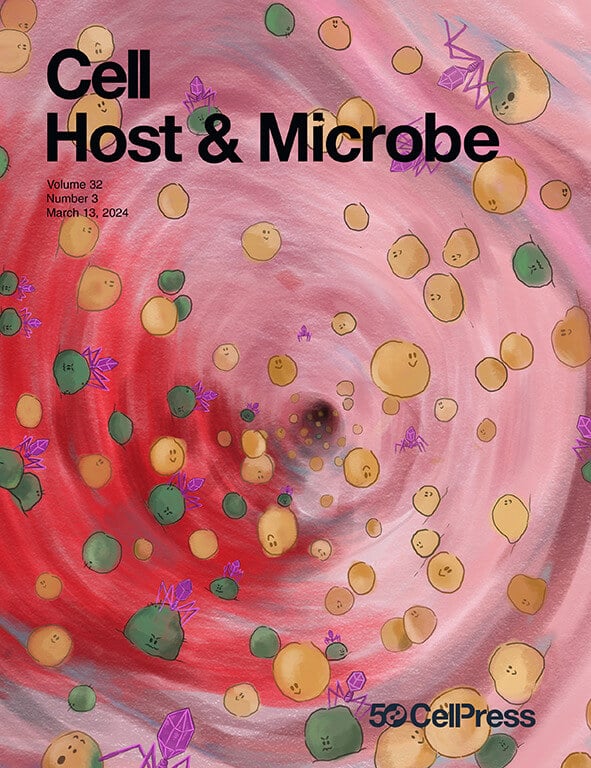
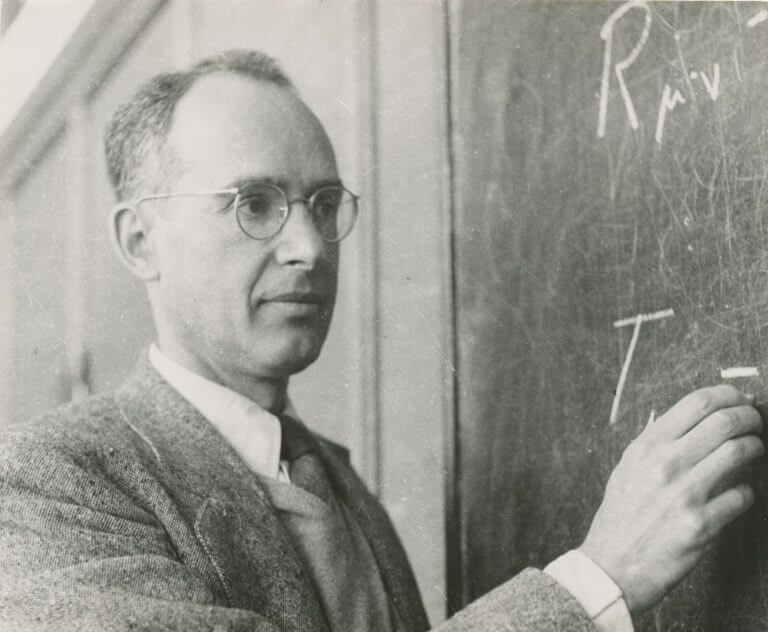
Dr. Yotam Bar-On: “Why do viruses always win?” – and what gives us an advantage anyway

In a lecture at the Technion, Dr. Yotam Bar-On explained how rapid evolution, mutations, and immune evasion allow viruses to outpace the immune system, why vaccines are very successful in some diseases and less so in others, and what we learned from the Corona era.
Nerve damage. Illustration: depositphotos.com

From the nose to the spinal cord: Norexone sends tiny “messengers” to repair damaged nerves

Exosomes loaded with siRNA against PTEN, developed at the Technion and Tel Aviv University, are designed to reduce inflammation and encourage regeneration in the central nervous system – an area that is also relevant to myelin damage such as in multiple sclerosis.
Passive cooling system developed at the Technion. Photo: Haim Singer

Researchers from the Technion and Cornell Tech have developed passive air cooling – without electricity and without pollution

Ceramic tubes are quickly manufactured using specialized software and a smart extruder, and cool the environment through water evaporation; the method was presented at the ACM SCF '25 conference and could reduce load on the power grid in the
The innovative concept in the image chosen for the cover of the Science Translational Medicine issue. Credit: Dr. Shadi Farah; Adaptation: Maya Levy and Edouard Odeh

Biological implant with crystalline protection: Technion researchers have developed an “artificial pancreas” that may eliminate the need for insulin injections in type 1 diabetes

Researchers at the Technion have developed a biological implant with crystalline protection, which could completely change the treatment of diabetes and other chronic diseases.
CellMentor's excellent performance in analyzing RNA sequencing data – on the right. You can see the separation between different cells. In the other two columns – the performance of two popular methods that fail to cope with the data and fail to present the cells as separate units. Credit: Technion Spokesperson

Smart integration of cell sequencing – towards early and accurate diagnosis of diseases

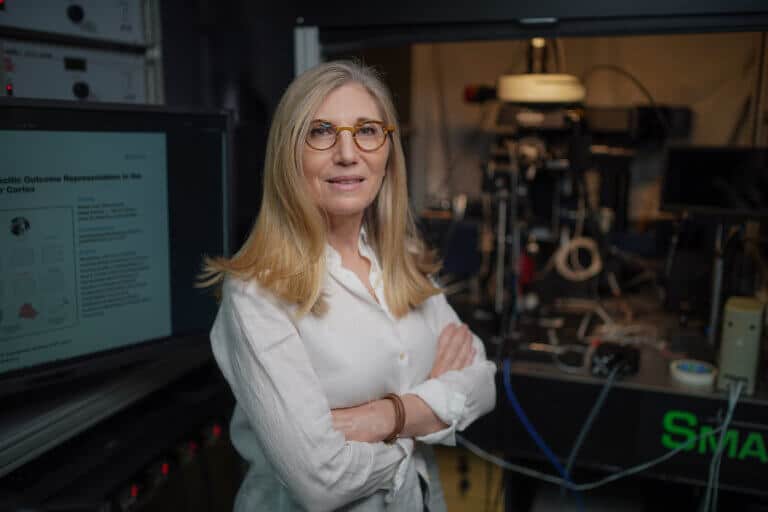
Dr. Dvir Aran from the Faculty of Biology at the Technion has developed a computational method that extracts important information from RNA sequences at the single cell level.
An innovative theory of heat conduction in matter.

Taming Heat: New Theory Allows for Directing Heat Flow in Materials

The theory developed by researchers at the Technion and Cambridge has potential applications such as energy production and protection of heat-sensitive equipment.
Caption: Comparison between the condition of various leaves coated with SafeWax (right) and the condition of uncoated leaves (left). From top to bottom: tomato, basil, pepper and grapevine

Coating a plant with wax will save over 50% on pesticides

The technology, published in the journal Small and funded by an EIC-Pathfinder grant, creates a uniform hydrophobic layer that makes it difficult for bacteria and fungal spores to adhere to the leaf — without harming photosynthesis, while also protecting against UV radiation and heat.
The new concept – a bacterium (in light blue) that serves as a pharmaceutical factory that produces the active ingredient in the target organ (the skin)

The pharmaceutical factory within us

Pioneering technology developed at the Technion will enable the production of drugs inside the body using live bacteria
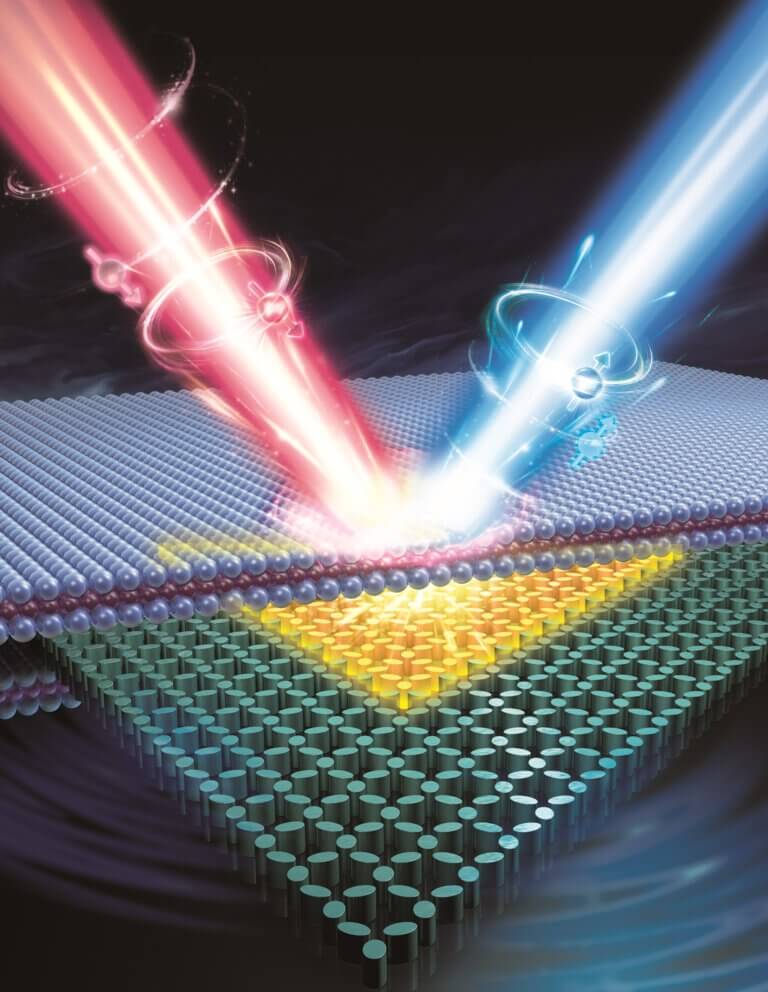
Figure: Spin-locking effect of photons scattered from nanoparticles in a fluid moving randomly due to Brownian motion. Courtesy of Prof. Erez Hasman, Technion

Order from Chaos: Brownian Motion “Locks” the Spin of Photons in a Liquid

A study in Nature Materials from the Technion and China presents a new phenomenon in which light scattering from randomly moving nanoparticles creates measurable order – and may enable particle characterization and new optical methods.
Porous structures are at the core of many diverse applications in the energy world: space, smart buildings, solar cells, solar fuels, nuclear energy, fuel production, geothermal energy production, fuel cells and fast charging. The researchers explain in the article that proper design of these structures is an essential condition for technological, economic and environmental improvement in the energy sector.

Tiny portholes for a big future: Porous materials as the basis for the next energy revolution

In an article in the journal Science, researchers from the Technion present a long-term blueprint for developing the world of energy around porous structures – from materials for producing and storing energy, through energy-efficient chips, to applications in biomedical engineering.
Heart disease and cancer and drug treatments – interactions

Between the heart and cancer: Technion researchers reveal surprising interrelationships between heart disease and cancerous tumors

Researchers at the Ruth and Baruch Rappaport Faculty of Medicine at the Technion present complex interrelationships between heart disease and cancer, in the hope that the findings will lead to improved treatment of both diseases.
The Technion team for the iGEM 2025 competition. Photo: Technion Spokesperson

Gold medal for the Technion team for the 2025 iGEM competition

Created in BioRender. Lab, R. (2025) https://BioRender.com/flbu8cx

Research conducted at the Faculty of Biology at the Technion reveals a unique mechanism in the aging of the immune system

In an article in the prestigious journal Nature Aging, researchers present a blueprint for improving the effectiveness of the immune system in old age.
Computer simulation showing the gradual passage (from left to right) of the protein alpha-lactalbumin through a solid-state nanopore with a diameter of approximately 4 nanometers. The passage of the protein through the pores allows the reading of the sequence of markers attached to the cysteine ​​groups (red color) and the identification of the protein.

Without antibodies and without amplification: Rapid identification of intact proteins with technology developed at the Technion

Nano-needle technology from Prof. Amit Meller's lab enables rapid, digital identification of individual proteins in near real-time, paving the way for early diagnosis of cancer and other diseases through simple blood tests.
The working screen of the eye tracking system. Photo: Technion Spokesperson

Eyes on the Text: New Technology from the Technion Detects Reading Purpose

Researchers in the Faculty of Data and Decision Sciences have developed computational models that combine eye tracking and natural language processing, and are able to identify the purpose of reading with an accuracy of about 90% within two seconds.
MRI scans. Illustration: depositphotos.com

Prestigious grant for artificial intelligence research in medicine: Technion-France project to develop fast MRI scans

As part of the K-SPARK project, researchers from the Technion and their colleagues in France will develop innovative technology that will enable brain scans in less than a minute, along with establishing an open database of MRI scans that will be used by the scientific community around the world.
In the figure: A demonstration of the change that occurs in the membrane as a result of water flowing through it. Photo: Technion Spokesperson

On the road to improved desalination

Researchers from the Technion and the University of Texas at Austin have mapped wet membranes for the first time using TEM cryo-tomography, revealing a volume expansion of approximately 30% under water flow, offering insights into designing more efficient membranes; the study was selected as a cover
Air sampler during a dust storm

The survival mechanisms of dust storm bacteria

How do living bacteria survive inside dust particles carried by desert storms from the Sahara Desert and Egypt to Israel?
Comparing digestive systems: men versus women in models built in the Lezmas Laboratory. Courtesy of the Technion

The stomach speaks differently: Men and women digest milk differently

Technion researchers have discovered that biological sex (or gender) affects the efficiency of digesting milk and its substitutes – a finding that may change perceptions of nutrition and food engineering.
The system was developed by the research group led by Prof. Hosem Haik. Credit: Xia Gong

New wearable system for real-time diabetes monitoring

Joint development by Prof. Hussam Hayek from the Technion and researchers from Sun Yat-sen University enables glucose measurement and personalized metformin dosing using microneedles and nanobiological sensors
Artistic visualization of the effect of sugar on gut bacteria – inspired by an illustration by Thom Blum, a student in the group, using AI

Sugar is sweet – but the effect is bitter: White sugar changes gut bacteria and harms the immune system

Researchers at the Technion have revealed that drinking sugary drinks causes a genetic change in intestinal bacteria, which negatively affects the functioning of the immune system. The good news: the effect is reversible when you stop consuming sugar.
Prof. Moran Berkowitz and Prof. Naama Geva Zatorsky, winners of the ERC Poc grant for 2025. Photo: Technion Spokesperson and Lucido Studio.

Technion researchers win EU "feasibility grants" for developing breakthrough technologies in medicine and optics

Prof. Moran Berkowitz from the Faculty of Mechanical Engineering and Prof. Naama Geva-Zatorsky from the Faculty of Medicine will develop technologies for the production of customized lenses and personalized melanoma treatment – thanks to ERC Proof of Concept grants
H2PRO's green hydrogen production system. Photo courtesy of Technion spokespeople.

Technion researchers announce breakthroughs: Membrane-free green hydrogen production – on the way to commercial production

A new review article in Nature Reviews Clean Technology presents the DWE technology developed at the Technion – membrane-free split electrolysis, which will enable efficient, safe, and inexpensive green hydrogen production on an industrial scale.
Artist's illustration of the black hole PDS 456. The fast winds are shown in white. Credit: JAXA

New discoveries about the emission of strong winds from black holes

Researchers from the Faculty of Physics at the Technion and the University of Tokyo present new discoveries about the emission of winds at 20-30% of the speed of light from black holes
The rise of the clones. Illustrator: Itay Chen (student at the Rappaport Faculty of Medicine and professional illustrator of scientific illustrations).

Technion discovery: Genetic "fingerprint" may improve the personalization of immunotherapy treatments

Researchers at the Rappaport Faculty of Medicine have identified a genetic "fingerprint" that helps predict the effectiveness of these treatments.
Test tubes with DNA that encodes the information. Credit: Rami Shloush, Technion Spokesperson

Researchers at the Technion have developed technology for encoding, recovering, and rapidly reading information stored in DNA.

The information density in DNA is about a hundred million times greater than that of digital storage. This means that, potentially, for every unit of volume that currently holds 1 megabyte, we could store up to 100
Overcoming 'blindness' with respect to what is happening deep within the tissue [Photo: Technion Spokesperson]

A new method for non-invasive monitoring of molecular processes deep within tissue

An innovative approach that simulates the visual system of insects developed at the Technion is expected to impact the monitoring of molecular processes in cancer and other diseases.
Researchers analyzed the ability of three different types of milk – breast milk, cow's milk, and artificial formula – to increase intestinal permeability to nanoparticles and macromolecules, which could allow for the future ingestion of RNA vaccines and drugs.

Drinkable Vaccination

Researchers at the Technion are developing a platform that will allow vaccines and drugs to be consumed by swallowing instead of by injection. Inspiration: Breast milk
The way the brain processes long texts. From a study by Prof. Roy Reichert and Dr. Rafael Tikochinsky; Technion

This is how the brain deals with large units of text

Researchers at the Technion discovered that, unlike artificial language models, which analyze long texts as one piece, the human brain synthesizes what it has read into a kind of "summary" that allows it to understand the rest of the text.
A tesseract (a four-dimensional cube) and the "shadow" it casts on a plane - the quasi-crystal discovered by Shechtman. According to Prof. Bartel, "The fact that a quasi-crystal is a "shadow" of a high-dimensional periodic crystal is not new in itself. We discovered that the casting is not only of but also of topological properties such as holes, distortions or vortices." Illustration: Florian Sterl, Sterltech Optics

Greetings from the Fourth Dimension: Technion Researchers Unveil New Breakthrough in the Field of Quasi-Crystals

New research reveals that the fourth dimension dictates not only the structure but also the topological properties of quasicrystals, offering a deeper understanding of a phenomenon that won Prof. Dan Shechtman the Nobel Prize in Physics.
Viruses attack bacteria. Illustration: depositphotos.com

Protection against viruses - the passive version

Researchers at the Faculty of Biology at the Technion discovered a unique mechanism that protects marine bacteria from viruses that attack them
When a point electromagnetic source that propagates perfect circular wavefronts (bottom row, left) is placed in front of a rigid dielectric surface, significant reflections and distortions in the wavefronts are observed (bottom row, right). When the same surface is coated with metal formations designed in the article according to the Generalized Huygens' Condition, the disturbances disappear thanks to the general-angular irregularities (bottom row, middle) and the ideal propagation is fully restored (as if the waves were propagating in free space, similar to the scenario on the left). Top row: Left: the measurement setup in which the surface (device) is illuminated and the field transmitted by a detector (detector) is measured. Middle: the dielectric surface that is created with a coating to suppress reflections at all angles. Right: reference surface without the coating (for which a significant return was observed).

Researchers at the Technion have developed a technology that gives "electromagnetic transparency" to hard surfaces

This type of transparency is relevant to a wide variety of applications including flat antennas, analog-optical computing devices and compact imaging systems
Illustrative epigenetics: depositphotos.com

The Technion will award the Harvey Prize to three groundbreaking researchers in the field of cancer epigenetics

Prof. Peter Jones, Prof. Steven Bailin and Prof. Andrew Feinberg will receive the Harvey Award in the field of science and technology for their contribution to the diagnosis of diseases and the development of treatments based on the understanding of epigenetic mechanisms
Professor Hussam Haiq. Photo: Technion spokespeople

Towards an early diagnosis of schizophrenia: a consortium led by Prof. Hussam Hayek of the Technion won a grant of 8 million euros

The VOLABIOS group, which combines advanced technologies and multi-omic analysis, is expected to improve the accuracy in diagnosing mental illnesses and provide innovative tools for the treatment and monitoring of schizophrenia worldwide
Nano biological sensors. Illustration: depositphotos.com

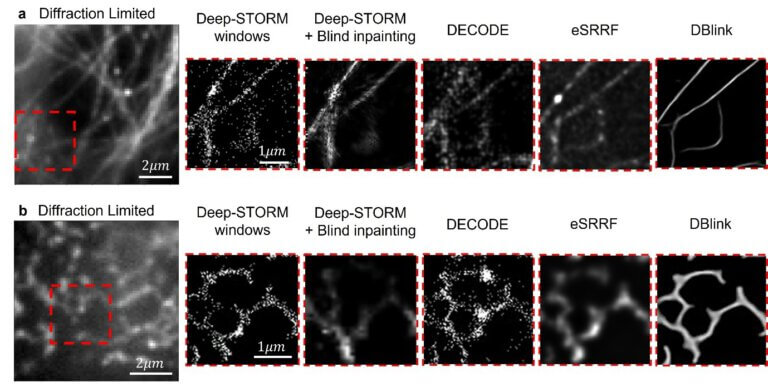
What do espresso, oil and microgels have in common?

Researchers at the Technion have developed an innovative method for producing vital particles that can be used as biological sensors for the worlds of food, medicine, environmental science and more
Transferring the calculation from the memory to the processor itself. The image was prepared using DALEE and is not a scientific image

Researchers at the Technion have developed a software package that allows the calculation to be transferred from the processor into the computer's memory itself

This is an important step towards the development of computers that will perform calculations in memory, without the need to transfer the information between the various components - a transfer that takes a lot of time and consumes a lot of energy
H2OLL system for extracting water from the air in the desert. PR photo

Water from the air: the H2OLL system developed based on technology from the Technion will produce 1,000 liters of water per day in the Negev

The H2OLL company launches the first complete system in the Wadi Atir project. At the same time, the company is in the middle of a crowdfunding campaign, and has already crossed the 4 million NIS threshold
In the diagram: measurement of biomechanical forces applied to alpaca wool in torsion (above) and compression (below) states.

Breakthrough in mechanobiology - accurate measurement of forces in biological processes

The development of the Technion researchers is expected to speed up, optimize and reduce industrial processes of polymer production as well
Scientific image: Right: Creation of amyloids from eggs and whey protein. Left: their consumption in food and their journey in the digestive system.

Processed food - nothing to panic

Researchers at the Faculty of Biotechnology and Food Engineering have discovered that incorporating amyloids into processed food has significant nutritional and health benefits
Prof. Asia Rolls. Photo: Technion spokespeople

The European Organization for Molecular Biology EMBO adds three researchers from the Technion to its ranks

Prof. Asia Rolls from the Rappaport Faculty of Medicine and Professors Oded Beja and Benny Podbilevitz from the Faculty of Biology were elected as new members of EMBO, the European Organization for Molecular Biology. Their joining the organization will be celebrated at the EMBO event that will be held in Heidelberg and begin
The picture of the mathematician Remanjuan next to a complicated formula he developed Photo credit: Technion spokesmen

Have breakthroughs in mathematics been discovered through artificial intelligence?

The researchers of the Faculty of Electrical and Computer Engineering at the Technion developed an algorithm for discovering new formulas and new relationships between mathematical constants
In the upper picture, a knowledge update in the model was carried out with the help of ReFACT. On the left, the original images produced by the model. On the right, after editing. The edits also successfully generalize to close formulations, and show that the method succeeds in performing a significant edit in the knowledge encoded in the model. In the bottom picture, the correction of the gender bias when the input is "A developer". Left: before editing with TIME (implicit assumption: A developer is a man). Right: after editing. Courtesy of the Technion

Correcting biases and updating knowledge in models that generate images

"In their training process, models also learn a lot of factual knowledge about the world. For example, models learn the identities of prime ministers, presidents and even actors who played popular characters in TV series. Such models stop