
Hayadan > Nobel Prize for Medicine
Nobel Prize for Medicine

- Avi Blizovsky
- No comments
Full translation of the Nobel Committee's popular scientific explanation: How curiosity about algae swimming toward light led to optogenetics — a method for activating and silencing nerve cells in the living brain

- Avi Blizovsky
- No comments
Karl Deisseroth, Peter Hegemann and Georg Nagel won the prize for the discovery of light-activated ion channels and the development of optogenetics, which allows us to study how nerve cells shape memories, emotions and behavior.

- Avi Blizovsky
- No comments
From the proof that DNA carries hereditary information to the Human Genome Project: Science revisits discoveries that changed the life sciences, but whose discoverers did not win a Nobel Prize for these achievements.

- Prof. Alex Gordon
- No comments
Ernst Boris Chain, a Jewish scientist who fled Nazi Germany, was the central biochemical force in the team that transformed penicillin from an unstable laboratory discovery into a drug that transformed medicine and saved millions.

- Prof. Alex Gordon
- No comments


- Prof. Alex Gordon
- One response

- Avi Blizovsky
- No comments
- Prof. Alex Gordon
- One response
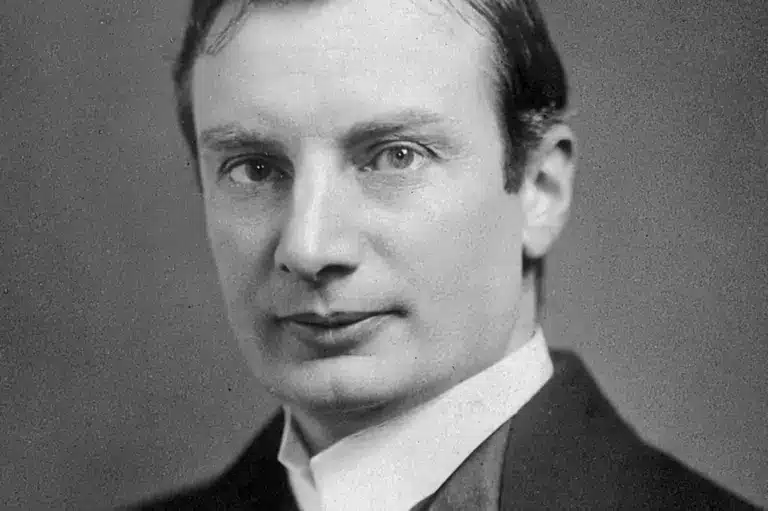
The Jewish-Russian bacteriologist and immunologist who developed vaccines for cholera and tuberculosis, led the fight against epidemics in India, and worked to preserve Jewish identity (although he recommended that the yeshivots he donated to teach students practical subjects) alongside extensive philanthropy.

- Prof. Alex Gordon
- No comments
Paul Ehrlich, Nobel Prize, chemotherapy, syphilis, immunology, magic bullet, Judaism and science, medical history, pharmacology, Hebrew University

- Dr. Moshe Nahamani
- No comments
The two scientists were recognized for their contribution to the understanding of genetic regulatory mechanisms through the discovery of microRNAs - tiny RNA molecules that play an essential role in the processes of development and function in cells
- Dr. Moshe Nahamani
- No comments
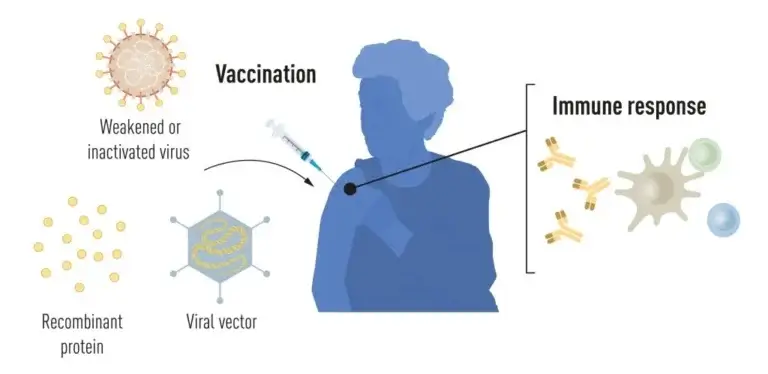
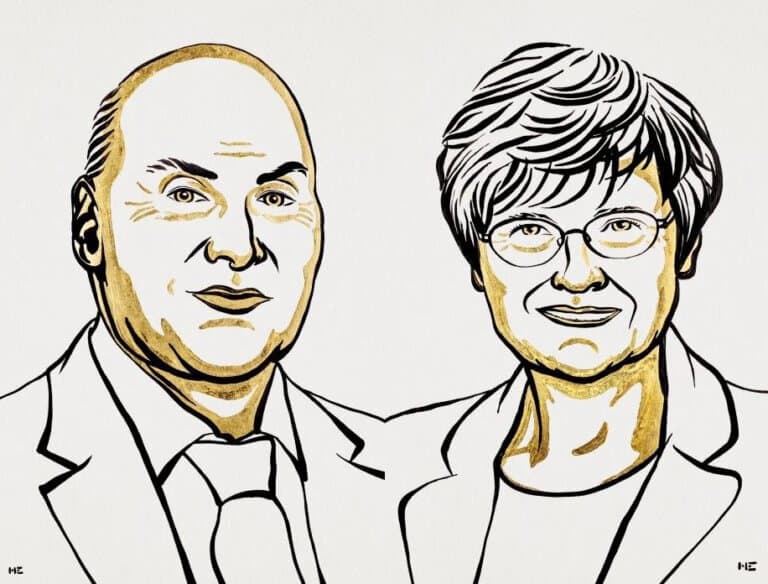
Kariko and Weissman immediately realized that their discovery was of enormous significance for the possible use of messenger RNA in medicine. These important findings were published in 2005, 15 years before the outbreak of the Corona epidemic.
- Avi Blizovsky
- One response
The two, Katalin Kariko and Drew Weissman, were informed about a month ago that they had won the HARVEI Award at the Technion
- Dr. Moshe Nahamani
- No comments
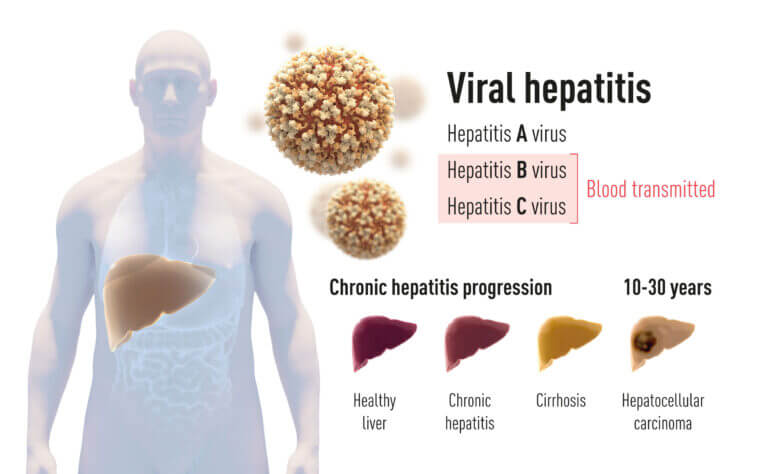
The winners are: Harvey Alter from the USA, Mike Houghton from the UK and Charles Rice from the USA
- Dr. Moshe Nahamani
- 2 comments
- Dr. Moshe Nahamani
- 2 comments

- Dr. Moshe Nahamani
- 4 comments

- Dr. Moshe Nahamani
- One response
The 2016 Nobel laureate discovered and deciphered the mechanisms underlying the process of autophagy (or autophagocytosis), a fundamental process for the breakdown and recycling of cellular components



- Hayadan Service
- One response

- Dr.Roey Tsezana
- 3 comments

- Scientific American Israel
- One response


- Avi Blizovsky
- 3 comments

- Scientific American Israel
- 2 comments
- Avi Blizovsky
- 3 comments
