Nobel Prize in Chemistry

Nobel Prize in Chemistry 2025 winners. Ill. Niklas Elmehed © Nobel Prize Outreach

Nobel Prize in Chemistry 2025: The MOF Revolution – Metal-Organic Frameworks for Gas Capture and Green Energy

Three researchers – Susumu Kitagawa, Richard Robson and Omar Yagi – have won the Nobel Prize for developing novel porous materials capable of storing, filtering and trapping molecules, with applications ranging from medicine to the climate crisis.
Geoffrey Hinton and John Hopfield, two of the main researchers in the field of artificial intelligence, won the Nobel Prize in Physics in 2024. The image was prepared using DALEE and is not a scientific image

Artificial intelligence plays a major role in two categories of the 2024 Nobel Prizes. This is a sign of things to come

It is likely that we will see more Nobel medals awarded to researchers who used AI tools. As this happens, we may find that the scientific methods honored by those Nobel Prize committees will move away from the simple categories of "physics," "chemistry," and "physiology."
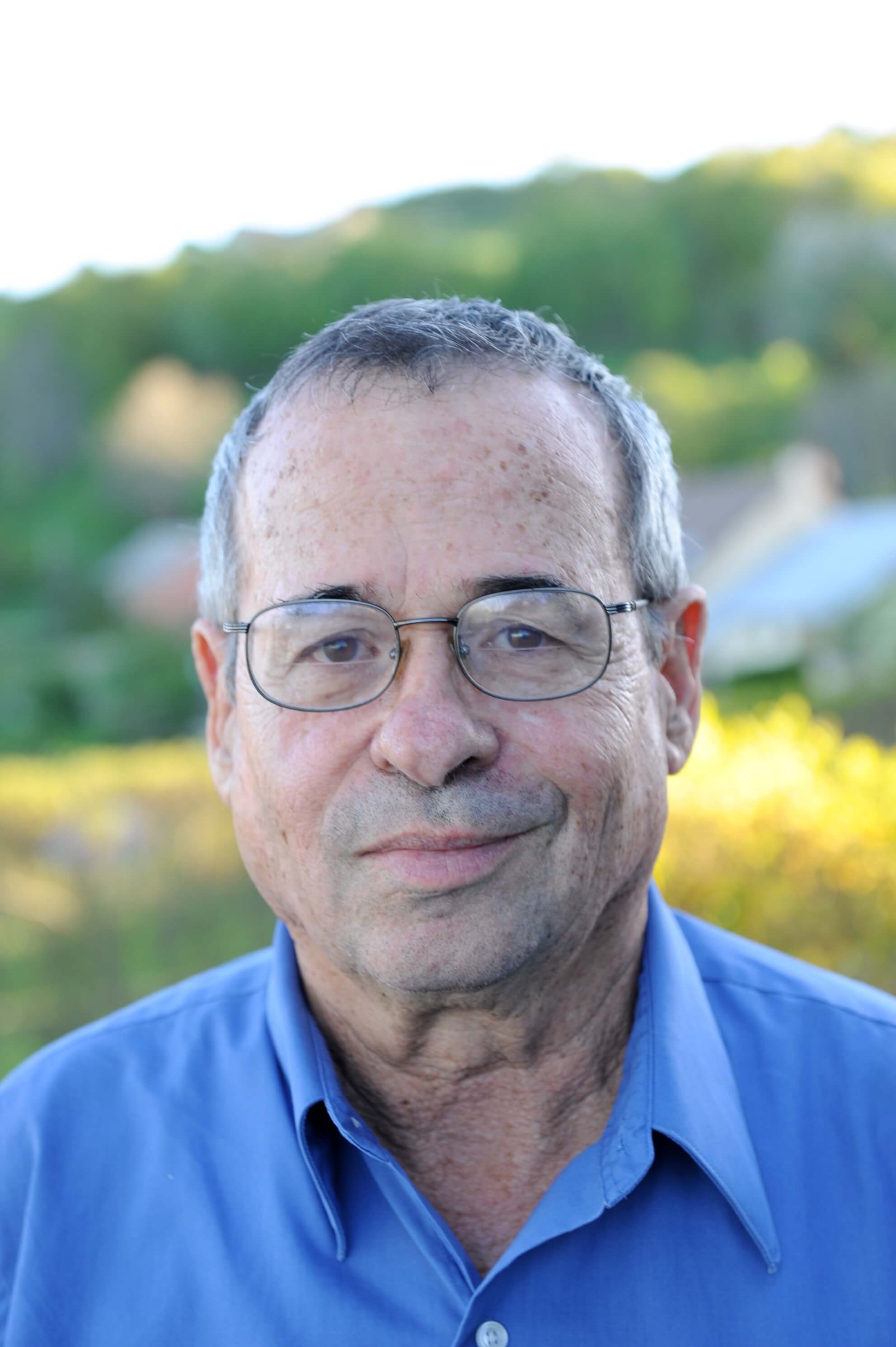
Technion President Prof. Uri Sion awards Prof. Ada Yonat the honorary degree. Photo: Rami Shloush, Technion Spokesperson

The Technion awarded an honorary doctorate to writer David Grossman and Nobel laureate Prof. Ada Yonat

Prof. Ada Yonat from the Weizmann Institute of Science, winner of the 2009 Nobel Prize in Chemistry, received an honorary doctorate "in recognition of her pioneering contribution to the research of the ribosome - the universal complex for translating genetic information into proteins
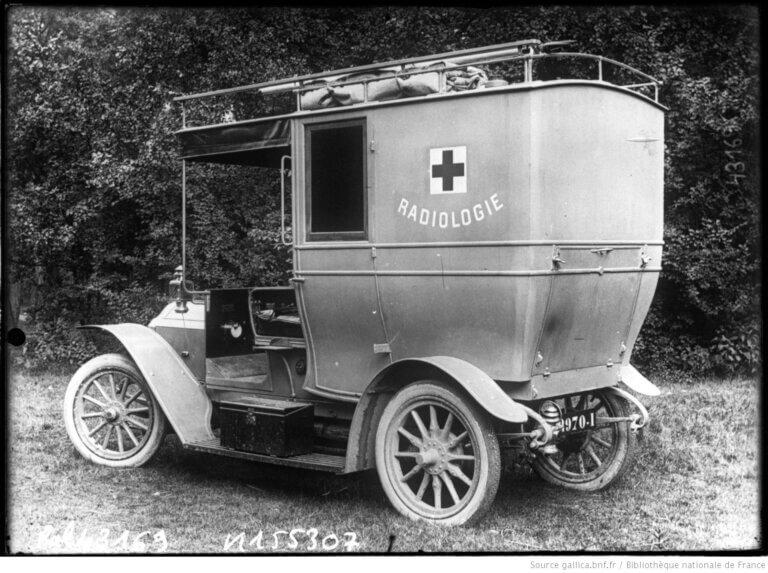
Marie Curie's X-ray car in World War I. Photo: French National Library

The first X-ray mobiles - Marie Curie's war

With the approach of the German army to Paris, Marie Curie was forced to retrain in the absence of the ability to research radium. She came up with an idea - to equip vehicles with X-ray devices and bring them close to the front to
Nobel Prize in Chemistry for 2022. Illustration: Nobel Prize Committee

Nobel Prize in Chemistry for the three chemical waves Click bioorthogonal chemistry to improve the precision of medicines

The Nobel Prize in Chemistry for 2022 was awarded to three scientists working in the field of synthetic chemistry: Caroline Bertuzzi (Carolyn R. Bertozzi), Morten P. Meldal (Morten P. Meldal) as well as Karl Barry Sharpless (KarlBarrySharpless), thanks to "the development of
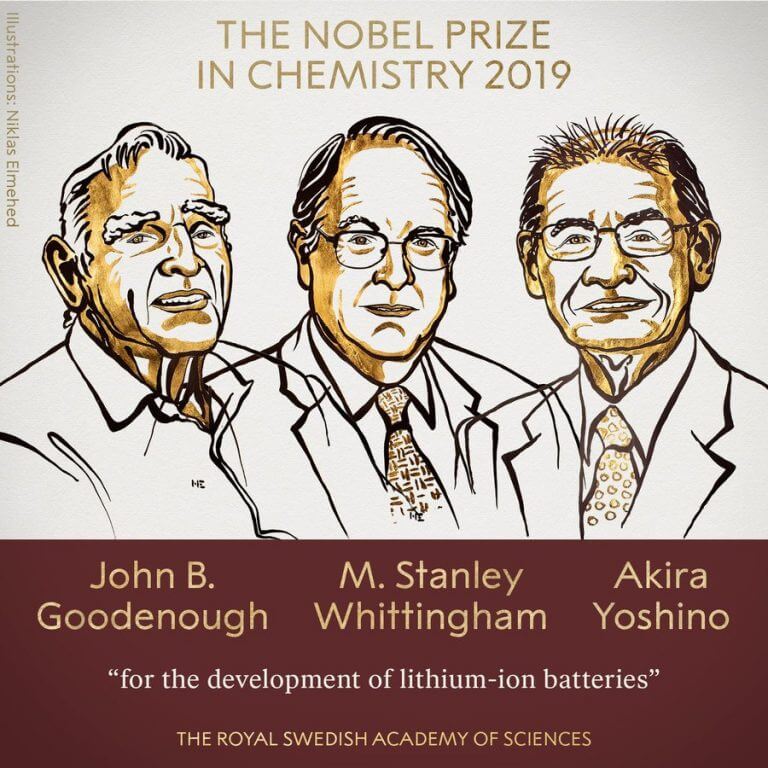
Winners of the 2019 Nobel Prize in Chemistry: Bannister Goodenough, Manley Stanley Whittingham and Akira Yoshino. Illustration: Nobel Prize Committee

2019 Nobel Prize in Chemistry for lithium-ion battery developers

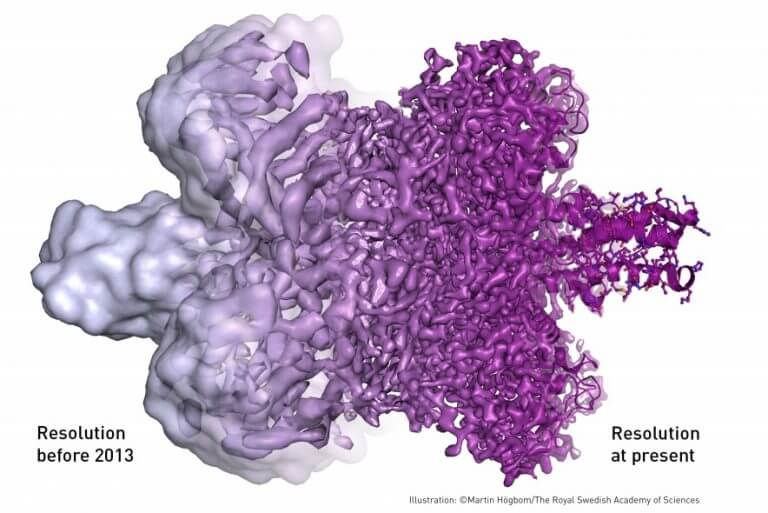
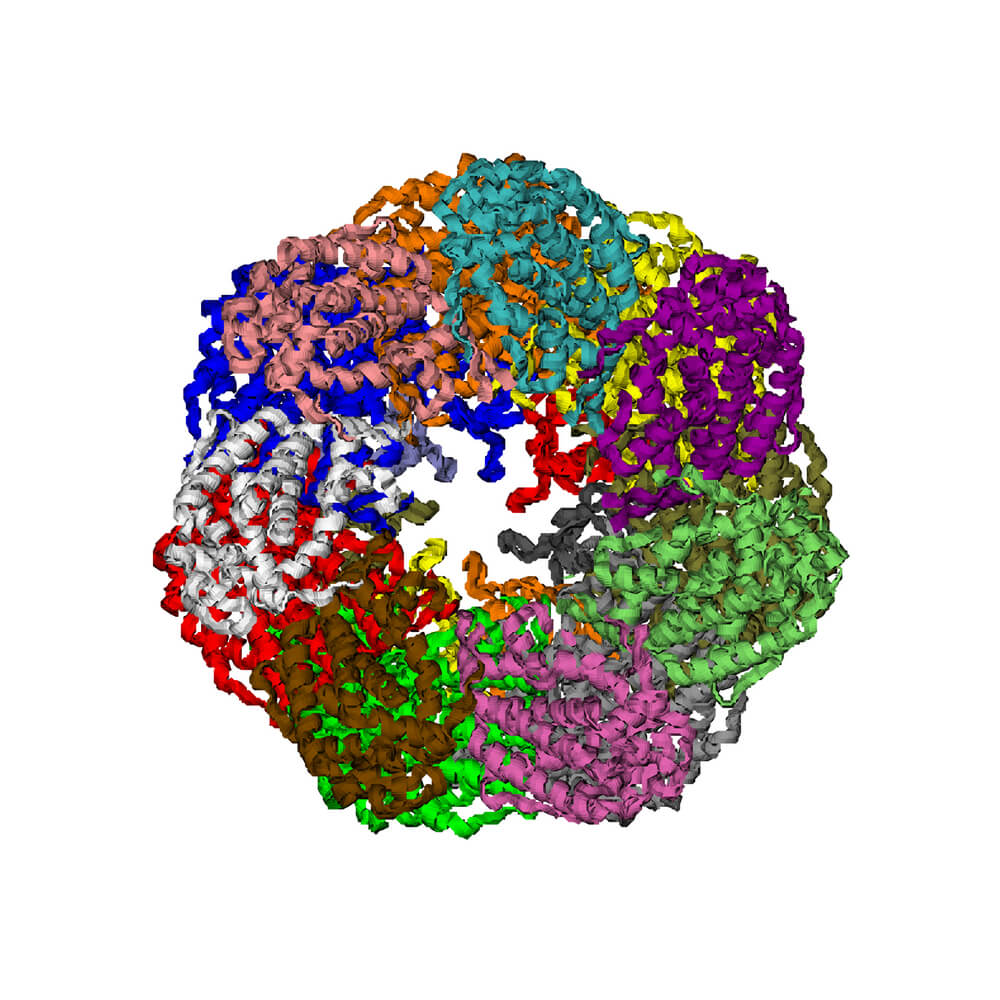
An example of improving the resolution of a biomolecule: from the left, before 2013; On the right, today.

Life at the atomic level

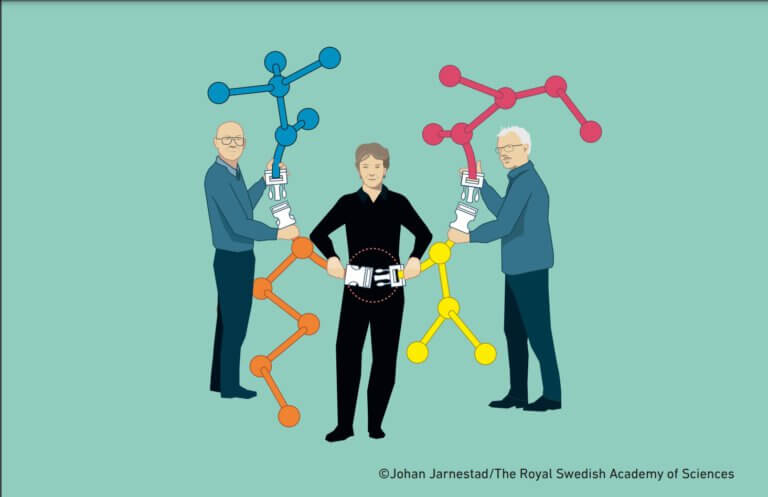
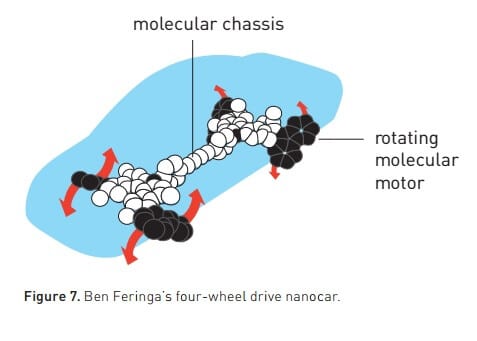
A molecular car. Illustration: Nobel Prize Committee for Chemistry 2016

Who will drive a molecular car? - How molecules become machines - Part I

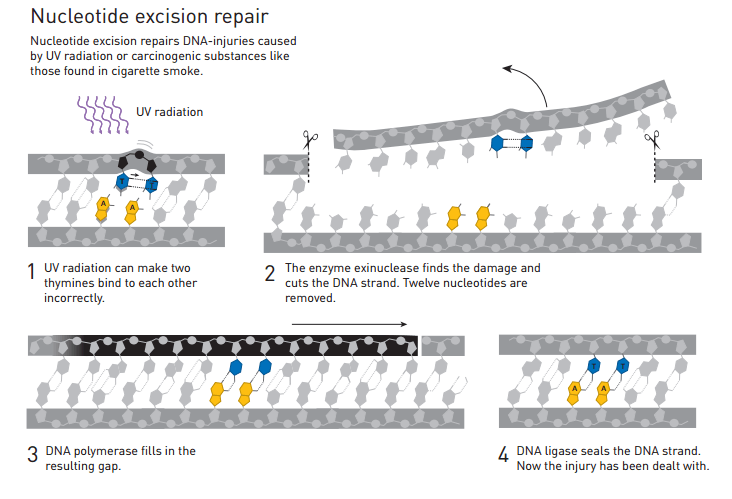
The process of repair through nucleotide excision that earned its discoverers the Nobel Prize in Chemistry for 2015. From the Nobel Prize website

Nobel Prize in Chemistry for discoverers of DNA repair mechanisms

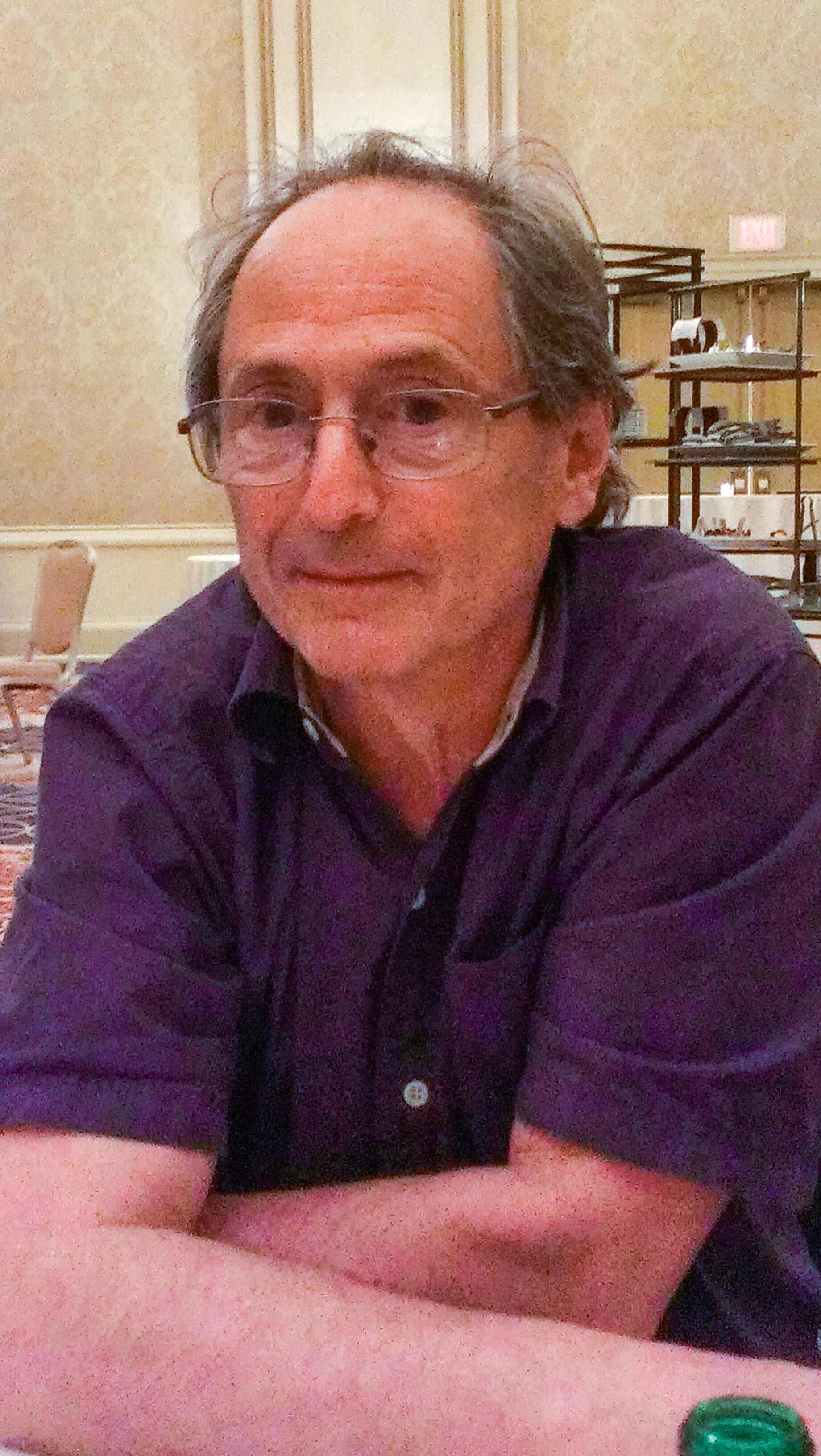
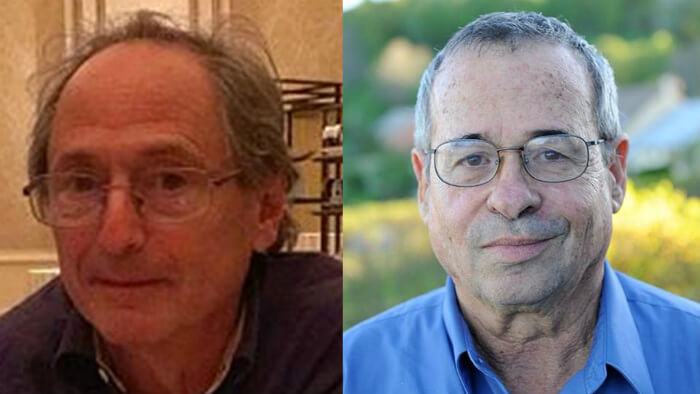
Huge importance for science, medicine and industry. Prof. Aryeh Warshel (on the right) and Prof. Michael (Michael) Levitt. Photos: Keilana, Catgunhome -- Wikishare

We have a pupa in a test tube

DNA nanotechnology. Illustration: shutterstock

Will the winner of the Nobel Prize in Chemistry in 2001 win again this year?

From the Nobel Prize presentation

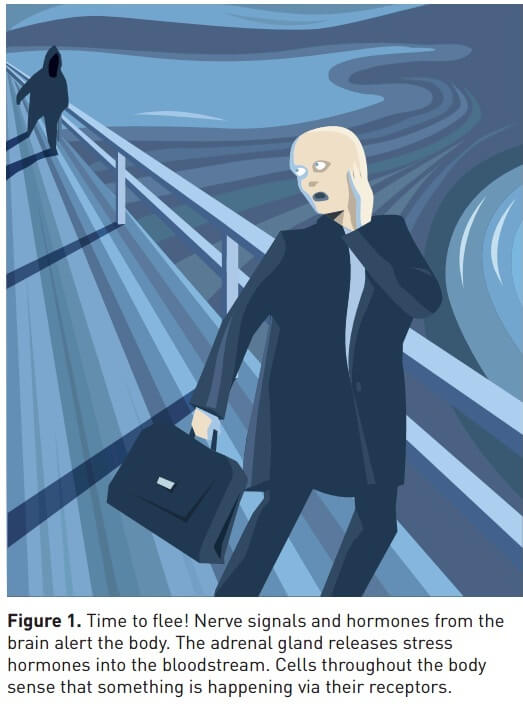
How does the cell sense its environment?

quasi-crystals. From Wikipedia

From Quasi-Crystals to the Nobel Prize / Louisa Meshi and Adin Stern

Figure 3. Different types of symmetry in crystals. The pattern of the 5th order symmetry crystal will never repeat itself.

On minerals, knits and gems

Figure 1. Daniel Shechtman's interference pattern had an axis of symmetry of order 10: rotating the image by a tenth of a complete circle (36 degrees) led to obtaining the same pattern.

Crystals with golden ratios - the full text

quasi-crystals. From Wikipedia

On quasi-crystals and the golden ratio

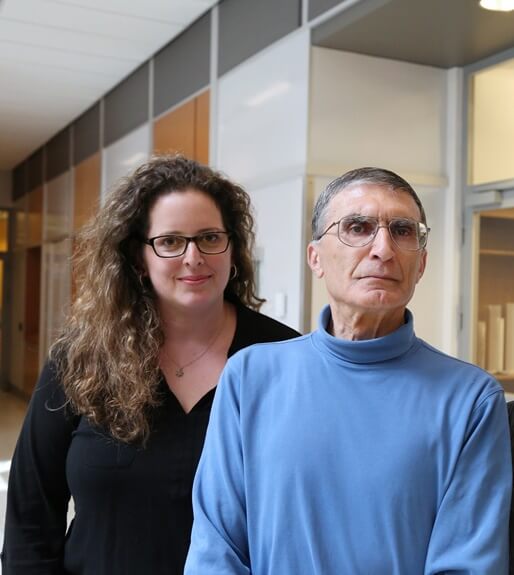
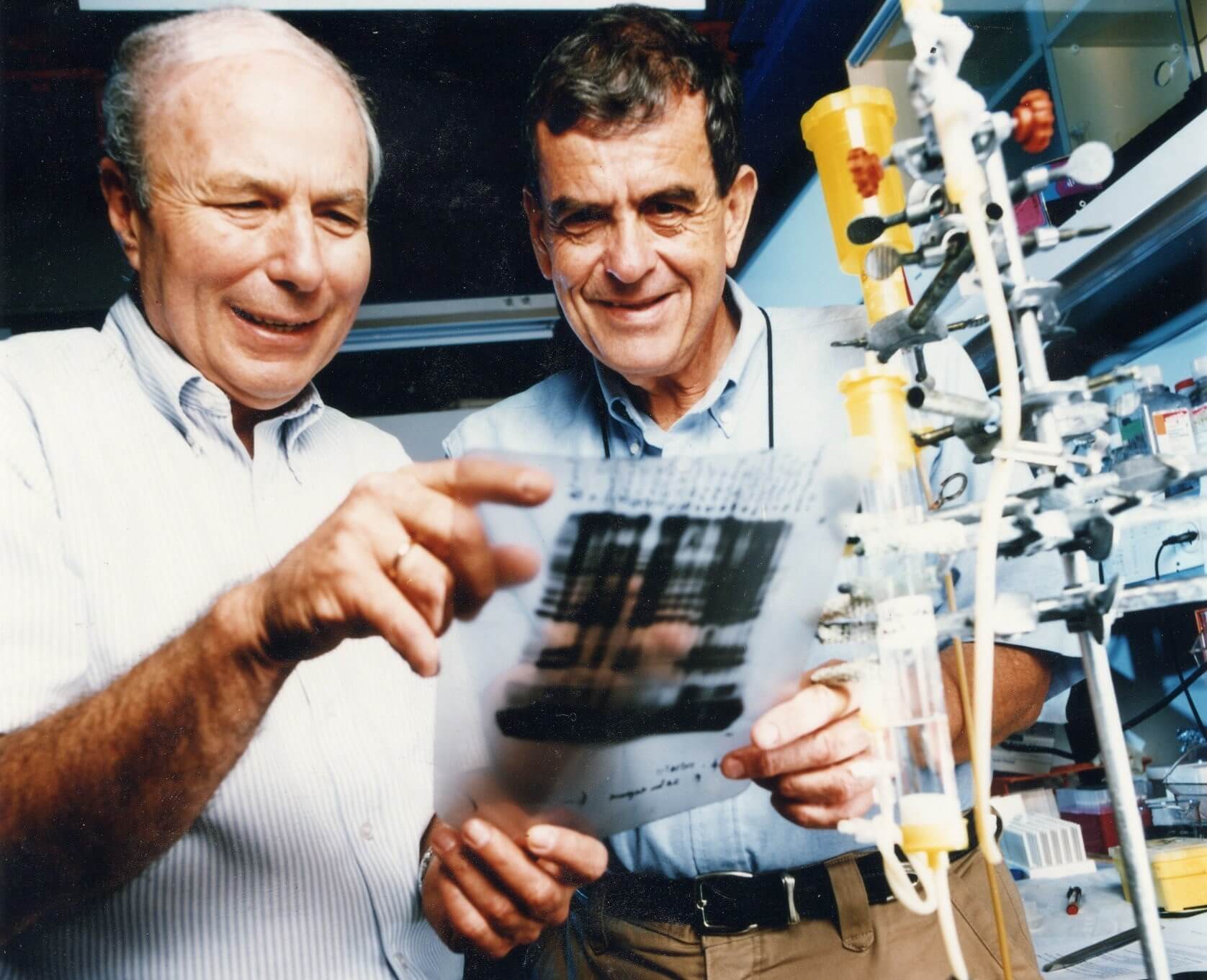
Prof. Aharon Chachanover

Who is for life and who is for death

Increasing the interest of young people in the field of chemistry

2011 - International Year of Chemistry

Zerez Groves from the second generation.

New details about the activity of an important catalyst

Cosmic scene with DNA, stars, solvents and atomic circles in oral flow.

The ribosome: the key to life at the atomic level part XNUMX