Tel Aviv University

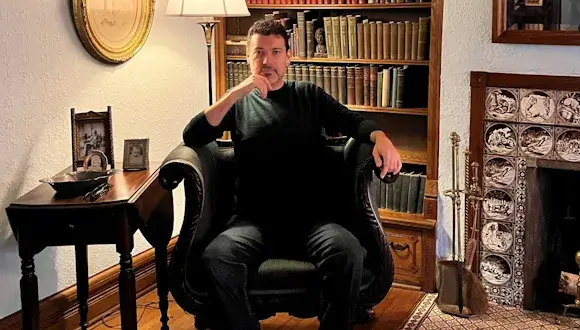
Representing Chiyona Sugihara at the Holocaust Education Center in Fukuyama, Japan, August 2025

The Center for the Study of European Jewry at Tel Aviv University: The commemoration of the Holocaust in the world is turning a growing spotlight on the Righteous Among the Nations

The booklet "For a Noble Cause" points to a global trend of museums and exhibitions focusing on Jewish rescuers, alongside a warning against blurring the historical context of the Holocaust.
MRI machine. Illustration: depositphotos.com

Turning MRI into an early molecular diagnostic tool

The Molecular Magnetic Resonance Imaging and Machine Learning Laboratory at Tel Aviv University, funded by the Israel National Science Foundation, is developing dedicated MRI sequences and algorithms that translate “signal signatures” into biological indicators – with a focus on multiple sclerosis and reducing
Structure of a nerve cell Illustration: depositphotos.com

Lessons in visualization

With all due respect to electrical signals, the language of the brain is chemistry. In a pioneering study, researchers at Tel Aviv University have managed to use imaging devices to see this chemistry in action.
A dangerous combination of artificial intelligence and cyber. Illustration: depositphotos.com

Between deterrence and defense

A study at Tel Aviv University examines why the US abandoned “cyber deterrence” in 2018 and moved to Defend Forward and Persistent Engagement
Courtesy of Prof. Ariel Monitz

Esophageal alarm protein

Prof. Ariel Monitz's team from Tel Aviv University showed that in allergic esophagitis (EOE) the protein TSLP is active and that its neutralization in an experimental model reduces inflammatory cell infiltration, mucosal thickening, and fibrosis - a hint
Tel Aviv University researchers have developed a method for precise and energy-efficient control of the stacking structure of graphene, using nanoscale islands in which the layers of the material slide relative to each other and change its electronic properties.

Tel Aviv University researchers have developed a particularly cost-effective method for controlling the structure of graphene.

Researchers have succeeded in changing the stacking arrangement of graphene at the nanometer scale using tiny force and very low energy input, a step that could advance memory components, sensors, and neuromorphic computing.
Dr. Tamar Elman and Prof. Yiftach Yaakovi. Photo: Tel Aviv University Spokesperson

Israeli research: Microalgae produce green hydrogen without harming the nutritional value of biomass

Researchers from Tel Aviv University and Ben-Gurion University have shown that green hydrogen can be produced from microalgae continuously and on a larger scale, while maintaining the biomass as a high-quality raw material for food, feed, and nutritional supplements.

Mother's child

Fruit bat. Photo: Prof. Yossi Yuval, Tel Aviv University

Research: Childhood experiences determine the boldness of bats in the wild

A study by Tel Aviv University found that the environment in which young bats grow up affects their boldness, flight distances, and foraging patterns in adulthood.
Red-eared slider turtle – water turtle. Credit: Tel Aviv University

The turtle brain detects visual surprises regardless of location in the eye, an ability previously attributed to mammals

Tel Aviv University study: Neural recordings in alert turtles showed that the dorsal cortex responds strongly to unexpected changes in the environment even when the turtle moves its head or eyes, and almost completely filters out changes caused by movement.
A dedicated aquaculture system where the researchers grew three local species of algae. Photo: Tel Aviv University

Research has proven: Seaweed is safe to eat from an allergenic perspective.

Another step towards developing efficient, healthy and environmentally friendly food systems
Nerve damage. Illustration: depositphotos.com

From the nose to the spinal cord: Norexone sends tiny “messengers” to repair damaged nerves

Exosomes loaded with siRNA against PTEN, developed at the Technion and Tel Aviv University, are designed to reduce inflammation and encourage regeneration in the central nervous system – an area that is also relevant to myelin damage such as in multiple sclerosis.

Non-invasive hippocampal-focused brain stimulation reduced intrusive memories in PTSD: Preliminary findings from Tel Aviv University

A pilot study published in the journal Brain Stimulation found that fMRI-based personalized TMS therapy, administered immediately after traumatic memory activation during the reconsolidation phase, reduced flashbacks and intrusive thoughts in ten participants.
Prof. Yair Shokef and student Tomer Siglov. Photo: Tel Aviv University Spokesperson

Can matter compute? New “mechanical Lego” from Tel Aviv University shows computation in matter without electronics

A study in Physical Review Letters presents a combinatorial design method for metamaterials: controlling motion states and “frustrated” loops, graded response to pressure, and even matrix-vector multiplication using only mechanical displacements.
Technician and patient in preparation for MRI. Photo: shutterstock

Turning MRI into an early molecular diagnostic tool

The Laboratory for Molecular Magnetic Resonance Imaging and Machine Learning at Tel Aviv University, funded by the Israel Science Foundation, develops MRI protocols and machine learning algorithms to identify disease processes even before structural changes appear.
Dr. Natalia Freund. Photo: Tel Aviv University Spokesperson

A long and winding journey to discover new ways to fight tuberculosis

A study from Tel Aviv University identified two families of human antibodies that bind to the PSTS1 protein of the tuberculosis bacterium, and in a mouse experiment, the antibody treatment led to a 50% reduction in the bacterial load in the lungs.
Using fMRI. Illustration: depositphotos.com

Breakthrough: fMRI brain training increased antibodies after hepatitis B vaccination

A study by Tel Aviv University, the Technion, and Ichilov in Nature Medicine found that positive anticipation that activates the VTA region of the reward system is associated with a stronger immune response in humans.
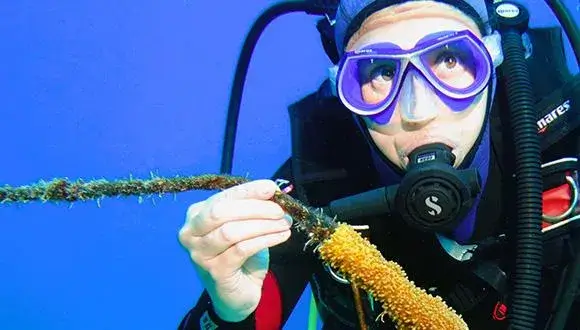
The first animals on Earth. The sponge Theonella swinhui. Photo: Micha Ilan Laboratory

The sponge from the Gulf of Eilat that produces anti-cancer substances and neutralizes arsenic: This is how Theonla Swinhoey's "laboratory" works

When you think of sponges, the image of SpongeBob immediately comes to mind. But what sponge lives in Eilat that contains bacteria, anti-cancer substances and dangerous toxins? The hottest questions about the most interesting animals. Zvait website
Xenia umbellata. Courtesy of researchers from Tel Aviv and Haifa Universities.

Israeli study: Soft coral performs rhythmic movement without a central brain

A distributed neural “pacemaker” system has been discovered in the Red Sea Xenia umbellata: each arm beats independently but synchronizes with the others; the findings were published in PNAS and may change the understanding of rhythmic movement in evolution
When to reveal and when to hide the truth. Illustration: depositphotos.com

When do we choose not to know – and when do we seek a painful truth?

Researchers at Tel Aviv University propose a model that explains how information avoidance and painful information seeking serve the same need: emotional regulation in the face of uncertainty.
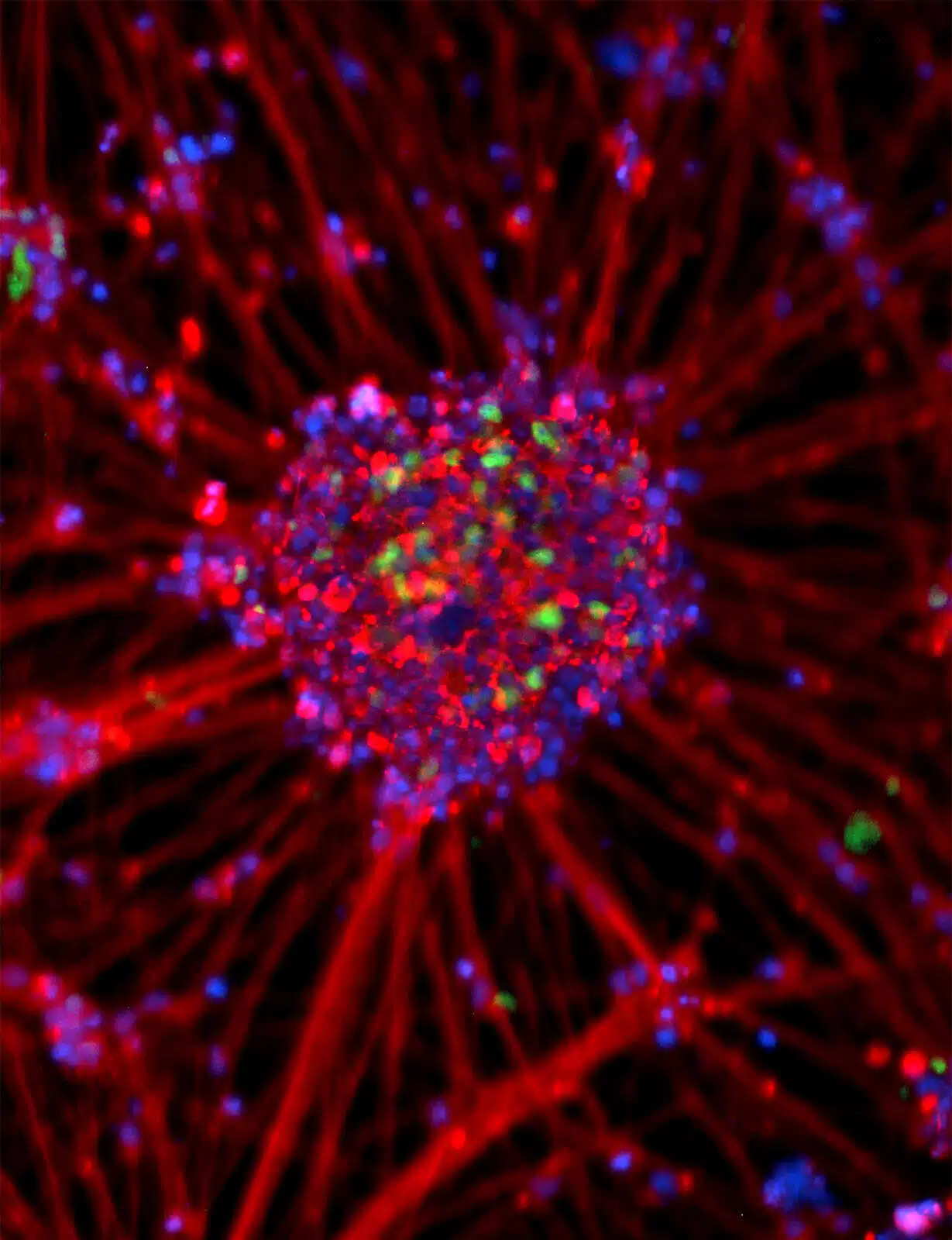
The mechanism that allows breast cancer to metastasize to the brain has been deciphered. Courtesy of the researchers

For the first time, a mechanism that allows breast cancer to metastasize to the brain has been deciphered

Researchers from Tel Aviv University have identified a link between loss of p53 activity (and sometimes deletions in the short arm of chromosome 17) and the adaptation of breast cancer cells to the brain environment through fatty acid pathways and communication with
The "Trojan Horse" performance at Tel Aviv University. Illustration: depositphotos.com

Stanford study: Studying at Tel Aviv University increases the chances of becoming a unicorn founder by 260%

This is the highest rate among the universities sampled, including: MIT Stanford Weill. The comparison is in relation to entrepreneurs who received investments from venture capital funds.
Order from movement. Photos: Tel Aviv University.

Life from motion: New discovery reveals how order is born from rotation

Tel Aviv University researchers have discovered that particles spinning in opposite directions in a liquid self-organize into polymer-like “active” chains that move, rotate, and exchange “partners” — a phenomenon that may shed light on self-organization processes in nature and lead to
Anchiornis simulation using artificial intelligence

The dinosaurs that forgot how to fly: 160 million-year-old fossils suggest they lost flight

160-million-year-old dinosaur fossils reveal surprising turn in flight evolution
Flags of Israel and the European Union. Fruitful scientific cooperation. Illustration: depositphotos.com

Thirteen researchers from Israel have won the prestigious ERC Consolidator grants for 2025

The ERC awarded 349 Consolidator grants this year, totaling €728 million. Israel stands out with 13 winners from Tel Aviv University, Ben-Gurion University, the Hebrew University, the Technion, the Weizmann Institute and the University of Haifa –
In the photo: From right to left: Alan Hu, CEO of Qolab, Dr. Jonathan Cohen, CTO of QM, Prof. John Martinis, CTO of Qolab, Dr. Itamar Sivan, CEO of QM, Dr. Nissim Ofek, Chief Engineer at QM. Photo: Oral Cohen

The world's first Israeli quantum computing center to install Qolab's superconducting qubit device

In the presence of Nobel laureate John Martinis: Qolab and Quantum Machines connect superconducting qubit processors to a quantum-classical cloud infrastructure at Tel Aviv University, with global access for researchers

Universal quantum coupler from Tel Aviv University could reduce the cost of a photonic quantum computer tenfold

Tel Aviv University's Quantum Pulse Ventures presents a universal quantum coupler for photonic quantum computing, which reduces error rates and hardware requirements – and could enable the construction of quantum computers for about 100 million
Tel Aviv University's IGEM 2025 team. Photo by Tel Aviv University Spokesperson

Tel Aviv University's IGEM team leads breakthrough in synthetic biology against lung cancer and promotes national high school competition

Along with developing models and software that could transform the study of lung cancer and genetic diseases, Tel Aviv University's IGEM team collaborated with the ORT Network and organized a synthetic biology competition for high school students with the participation of

RNA-based gene therapy may mark a breakthrough in the treatment of ALS

International research led by Tel Aviv University has found a way to delay the progression of the deadly disease, and even restore damaged nerve cells.
Sea urchin research at Tel Aviv University. Photo by Shahaf Ben Ezra

Pathogens, storms and extreme temperatures: the causes of mass sea urchin deaths

A pair of studies from Tel Aviv University map 110 mass mortality events of sea urchins since 1888 and show that pathogens are the main cause, while also presenting a "corona swab" method for non-invasive genetic sampling under the skin.
A dedicated aquaculture system where the researchers grew three local species of algae. Photo: Tel Aviv University

Research at Tel Aviv University: Seaweed off the coast of Israel is rich in protein and bioactive substances

A first-of-its-kind ecological-biotechnological survey along the Israeli Mediterranean coast reveals resilient macroalgae rich in nutritional and health-promoting compounds, indicating potential for developing superfoods, medicines, and sustainable aquaculture.
Kings of Heaven. Biblical Eagles (Photo: Yoram Shapirer)

What about AI and saving eagles from poisoning?

Researchers have developed an innovative algorithm that turns vultures themselves into a smart warning system and prevents mass poisoning events.
Aggressive bats. Illustration courtesy of Prof. Yossi Yuval, Tel Aviv University

The attack and defense strategies of fruit bats

In the spring, bats are more "bold" and are not afraid to engage in conflicts with rats in the fight for food.
A leap forward in optics. Illustration: Tel Aviv University

A leap forward in optics: Artificial intelligence accelerates the design of tiny metasurfaces

Tel Aviv University researchers have developed a diffusion model-based method that designs flat optical components in minutes — instead of hours and days — and demonstrates high accuracy in tasks such as beam splitting and polarization separation; Published
The sounds they make can be heard from hundreds of meters away. Photo: Prof. Amiel Ilani

Rock Rabbit – The Social Singer of the Desert and Construction Sites

He can sing, he's sociable, he lives in Israel and despite his size he's actually a relative of the elephant. Who are you, a rock rabbit? The hottest questions about the most interesting animals
An opportunity to improve the climate through insurance incentives. Illustration: depositphotos.com

Insurance, climate and what's in between: an opportunity to turn a crisis into an opportunity

A study at Tel Aviv University indicates an 11%–100% erosion of profitability in homeowners insurance in the US by the end of the century due to hurricanes – but also the potential to leverage the expected losses for climate investments that will cover
Prof. Hila Mai on the Tel Aviv 360 podcast. Photo: Tel Aviv University Spokesperson

Podcast: The Next Step of Evolution – The Magic of Bones

In the Tel Aviv 360 podcast series, we are hosting Prof. Hila May from the Faculty of Medicine, who talks about the difference between human bones today and those of the past, and the price we pay for progress.
The nervous system. Illustration: depositphotos.com

Is the breakthrough that will change the treatment of neurological diseases already here?

A team led by Dr. Gilad Levy in Prof. Boaz Barak's lab identified TFII-I (GTF2I) as a negative regulator of myelination; its elimination in myelin cells thickened the sheath and accelerated nerve conduction – a published finding
Snails and slugs, small mammals, other lizards, baby birds, snakes and occasionally eggs and fruit. The little one in the forest. Photo: Aviad Bar

Live the moment: The little one in the woods

Launch of the Red Book of Israeli Reptiles reveals sharp decline in the distribution of the wood lizard; experts call for increased protection of Mediterranean habitats and public awareness
They will remain in the urban space. Wild boars in Haifa. Photo: Yahla Dor

Wild boars in Haifa: New study reveals a connection between residents' reports and socioeconomic status

While wild boars have become part of the urban fabric, research by Tel Aviv University and the Technion reveals that in well-off neighborhoods, more reports are registered with the municipal hotline – and therefore receive more treatment, while in disadvantaged neighborhoods
You were breathless with her extraordinary neck rotation ability. Photo: Rachel Aloni

Live the moment: The white-tailed deer – the silent predator that guards the fields

It has phenomenal hearing, a heart-shaped face, and the ability to "dive" through the air toward prey in complete silence. How did the snort become an unexpected ally of modern agriculture? The Hottest Questions About Animals
How does the variation in flower colors occur, and why does the same species appear in different colors?. Anemones. Image courtesy of Prof. Yuval Sapir

Why are flowers colorful? Hint: It's not always natural selection

Evolutionary studies reveal: Sometimes flower colors result from precise ecological adaptations to pollinators and the environment, and sometimes it is a random variation that is preserved simply because it has no clear advantage.

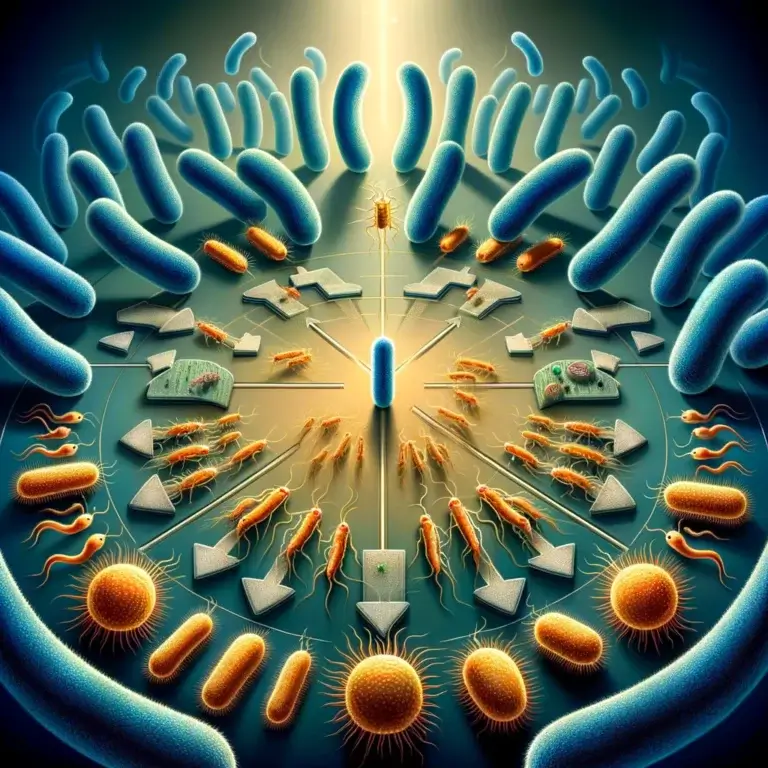
Crowded conditions cloud toads' mate choice

An international study led by the University of Tennessee and in collaboration with Tel Aviv University finds that noise and selection pressure make it difficult for female toads to choose mates – a phenomenon that may slow the pace of evolution.
Prof. Ronit Saatchi Fainero. Photo: Tel Aviv University spokesperson

Attacking brain tumors

Prof. Ronit Sacchi-Painero identified two key proteins – CCL2 and P-Selectin – that are involved in cancer cell entry into the brain. Blocking either axis significantly reduced metastatic burden in mouse models and in vitro systems.
"We study bats both in the field and in the laboratory. When possible, we prefer to work in the field." Prof. Yossi Yuval. Photo: Ofri Eitan

Living in the moment: Egyptian fruit bat reveals astonishing navigation and memory skills

Prof. Yossi Yuval explains how the fruit bat common in Israel combines night vision, sonar, and spatial memory – and also contributes to seed dispersal and tree pollination.
When archaeology and physics meet, new depths are revealed. Illustration courtesy of Tel Aviv University

Breakthrough: Using Muons from Cosmic Radiation to Identify and Map Underground Spaces at Archaeological Sites

A multidisciplinary team at Tel Aviv University has developed the technology that will enable "X-ray imaging" of the underground for archaeological excavations.
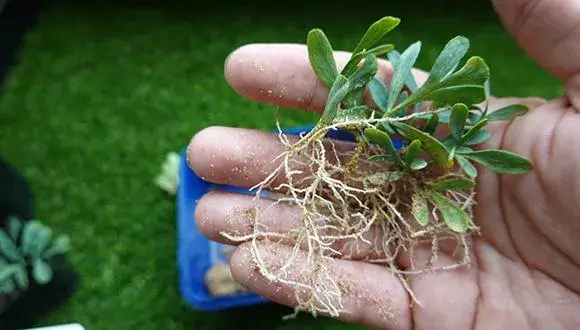
Plants growing under extreme desert conditions are able to absorb high levels of strontium. Desert plants in Namibia. Illustration: depositphotos.com

The radioactive secret of desert plants: How they help clean contaminated soils

Israeli research reveals that wild plants growing under extreme desert conditions absorb high levels of strontium – offering a natural solution for dealing with nuclear disasters and radioactive fallout
The Exit from the Cosmic Dark Ages. Prof. Renen Barkana, Tel Aviv University

Radio wave measurements from the moon may reveal the secrets of dark matter

Tel Aviv University research suggests using antennas on the moon to measure signals from cosmic darkness – just 100 million years after the Big Bang – and reveal the nature of dark matter
Global warming is causing stony corals, which already live at the edge of their suitable temperature range, to exceed their tolerance threshold. Corals in Eilat. Photo: Tom Schlesinger

Stony Corals: Reef Builders and Guardians of the Underwater World

Dr. Tom Schlesinger explains how tiny, fragile creatures create vast ecosystems, why they are sensitive to the climate crisis, and how childhood in Eilat led him to explore one of the great secrets of the sea.