Earth-related objects

Asteroid 2024 Yr4 as observed from ESO's Very Large Telescope (VLT) in Chile, image released on 25 February 2025

Advanced observations almost eliminate the risk of asteroid 2024 YR4 collision in 2032

The European Southern Observatory (ESO) tracked the asteroid with the Very Large Telescope in Chile and reached a more accurate prediction of the trajectory of the asteroid that threatened to destroy entire cities. * In recent weeks, calculations have been made according to which
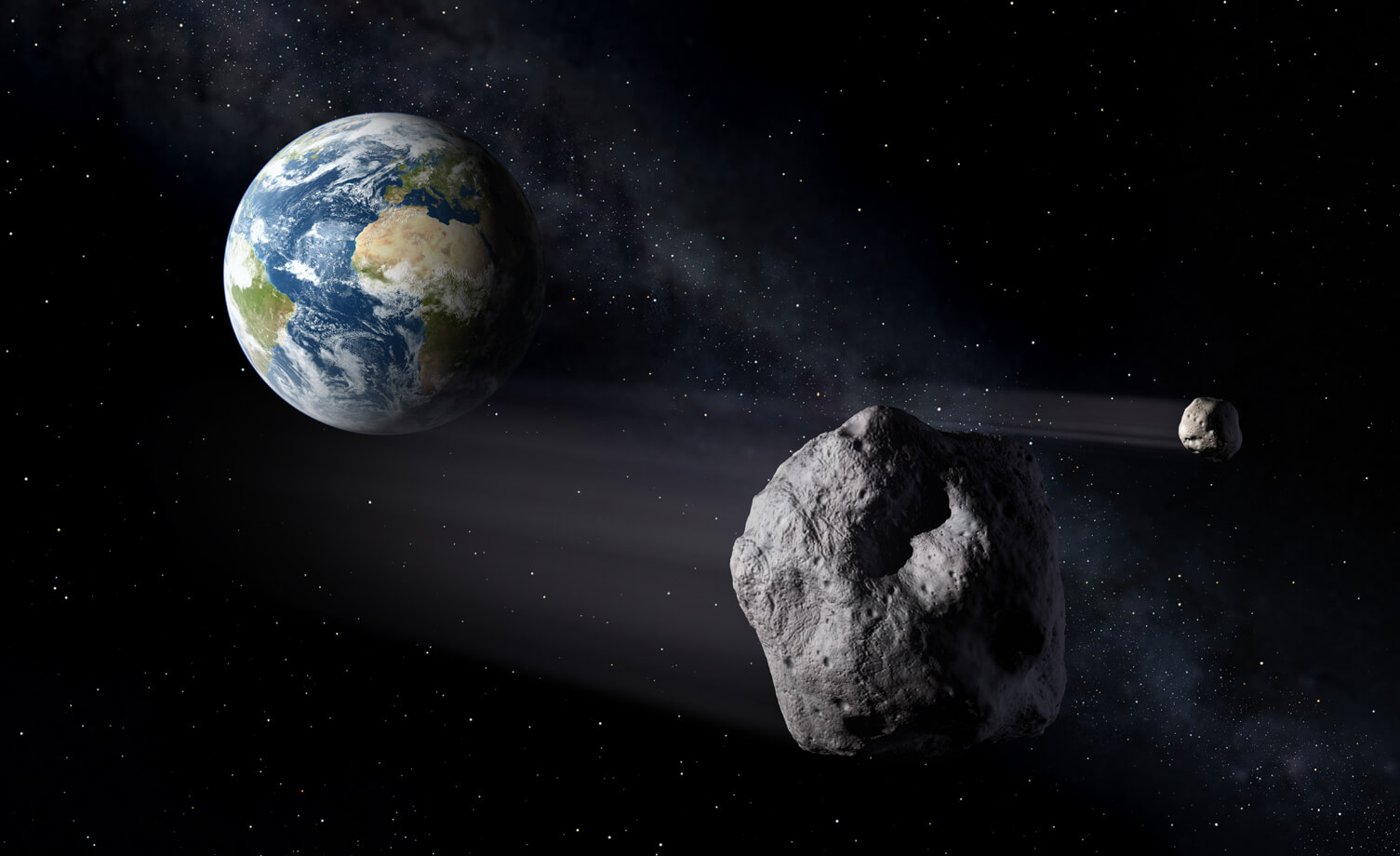
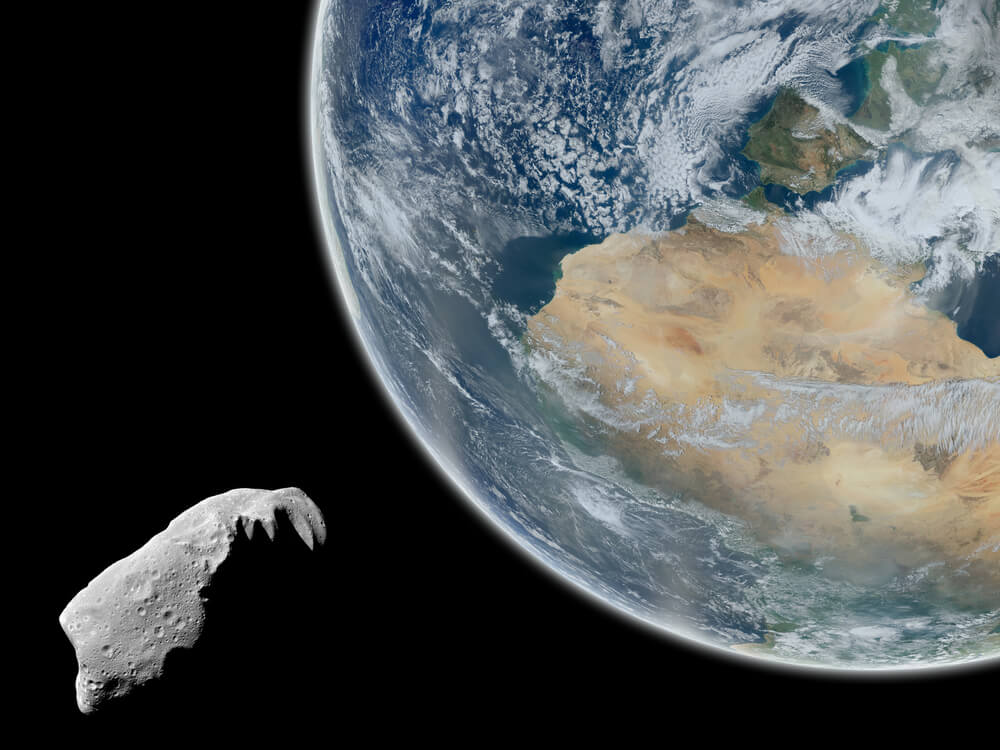
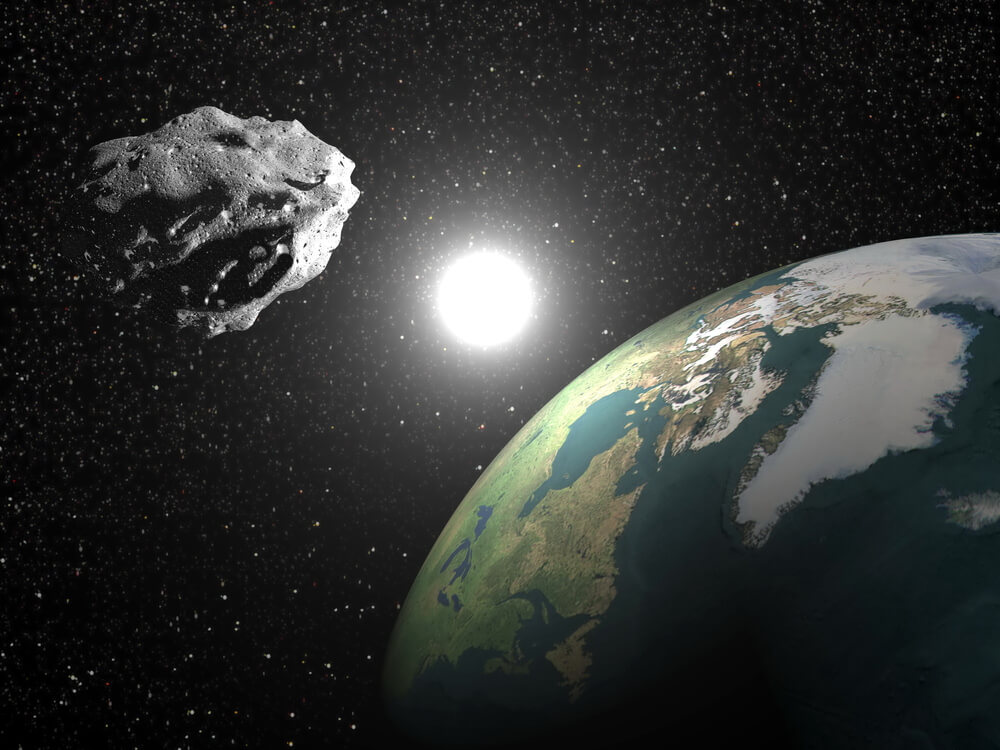
Near-Earth asteroid. Illustration: depositphotos.com

Asteroid 2024 YR4: Chances of collision with Earth in 2032 increased to 2.3%

NASA and international scientists are monitoring new data to determine the risk of a collision and potential impacts. Since it is a short-range event, actions to deal with it have already begun. Among other things, China has launched a campaign to recruit experts for the "protection" team.
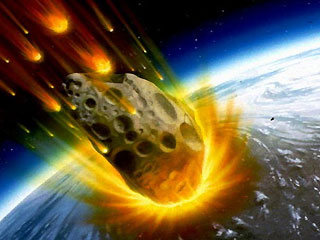
Large asteroids collide with Earth. The illustration was prepared using DALEE and is not a scientific image

Two huge asteroids hit the Earth 35 million years ago - and did not change anything

New research reveals that massive asteroid impacts, which created two of the largest craters on Earth, did not cause long-term climate changes
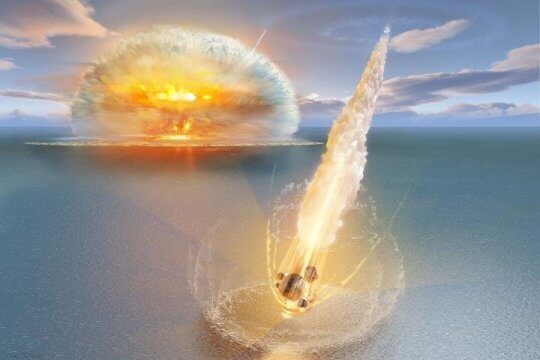
A graphic illustration of the S2 meteorite impact and its immediate effects. Credit: Nadia Drabon

The asteroid the size of four Everests that changed the course of life on Earth

It turns out that these giant meteorites actually had a positive effect on life compared to the later extinction-causing meteorites
Comet attack on young earth. Image: NASA/JPL-Caltech

Mysterious Travelers: Are We Drinking Water Brought by Dark Comets?

Could asteroids, which are remnants of comets, be one of the main sources of water on Earth?
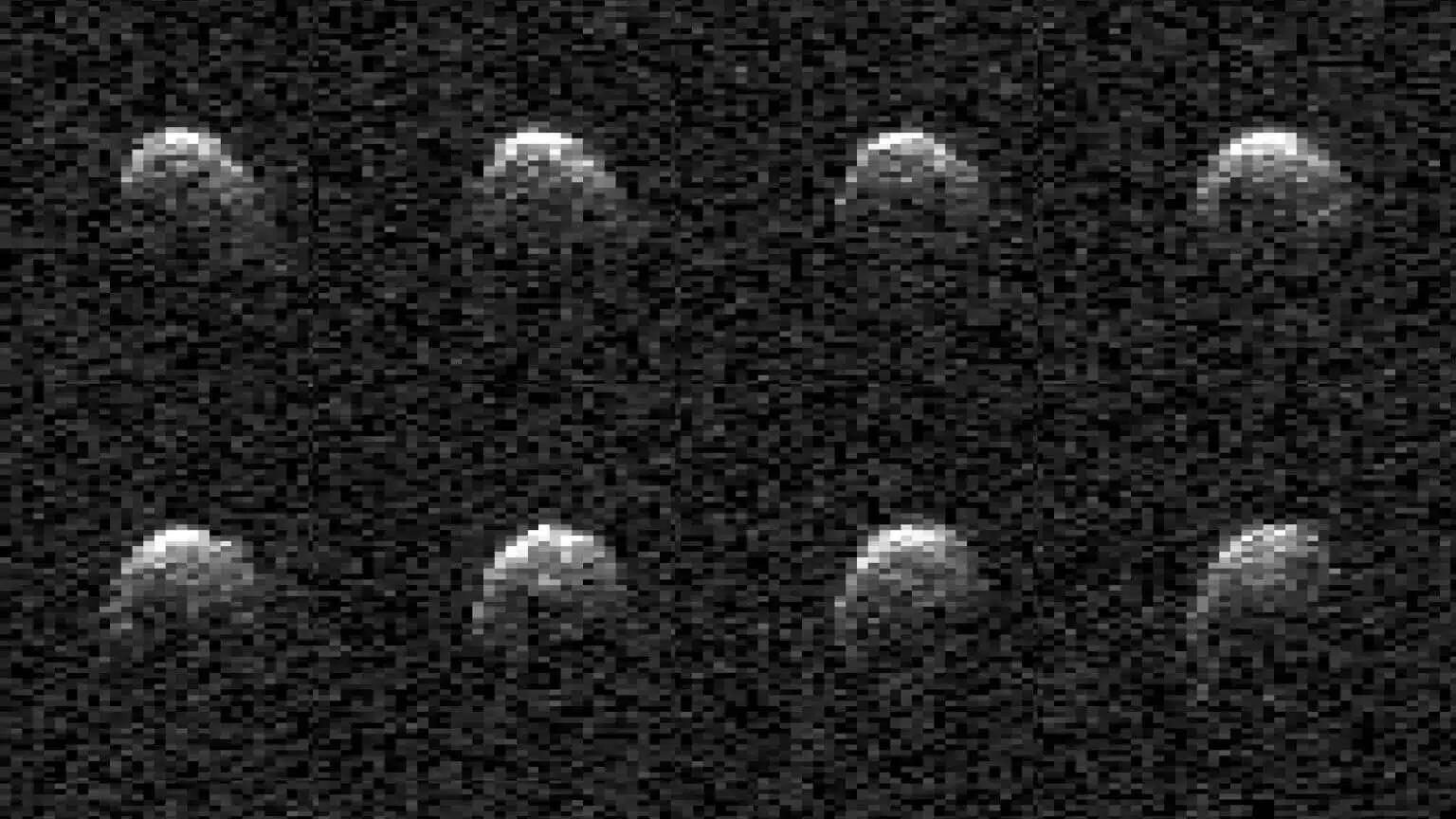
Asteroid 2008 OS7's last approach to Earth on the day before Asteroid 2008 OS7 passes near Earth on February 2, 2024. This series of images was taken by the powerful 230-foot (70-meter) Goldstone Solar System Radar antenna near Barstow, California Credit: NASA/JPL-Caltech

Unexpected discoveries: NASA planetary radar images reveal asteroid as it approaches Earth

During asteroid 2008 OS7's final approach to Earth on February 2, 2024, the agency's Deep Space Radar collected the first detailed images of the stadium-sized asteroid
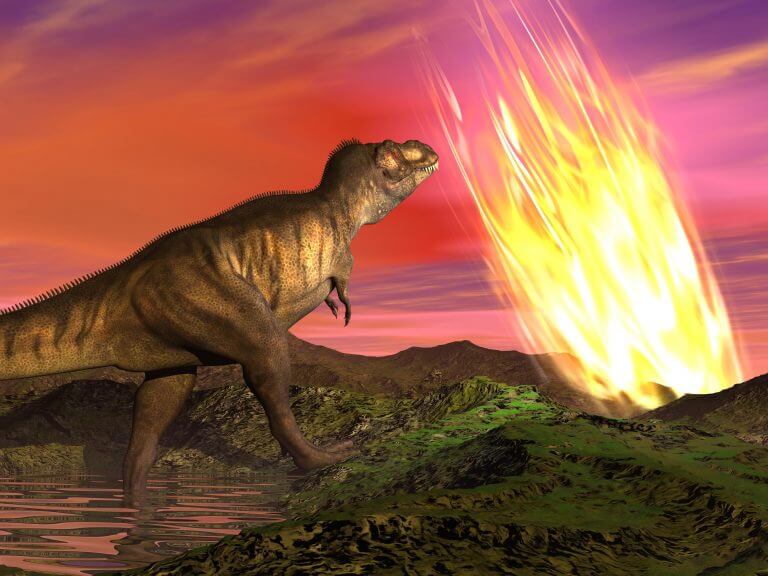
Doomsday of the dinosaurs. Illustration: depositphotos.com

Last Spring of the Dinosaurs: Groundbreaking Study Pinpoints the Season of the Chicxulub Asteroid Collision

Groundbreaking research confirms the time of year when an asteroid wiped out the dinosaurs and 75% of life on Earth
From the artist's illustration above, you can get an impression of how nearby objects will look to the NEO Surveyor. Their faint heat signatures will appear as a band of dots that appear in red in this image, for our convenience. That way they will look different from the stars in the background, which are painted blue in the picture. Hunting for near-infrared objects will also allow scientists to determine not only the location and orbit of the objects but also their size. And it is the size that determines the extent of their destruction if they hit the Earth. Image: NASA

NASA approves NEO Surveyor, a space telescope that will scan the sky for dangerous asteroids

The spacecraft will conduct its survey in infrared. Telescopes on Earth have found most of the nearby objects cataloged so far, but the remaining ones are very difficult to find in visible light
The asteroid Apophis passes by the Earth. Illustration: shutterstock

An asteroid will pass on March 21; In 2020, a record of the discovery of near-Earth objects was recorded

However, no danger is expected from this asteroid - on March 6, astronomers and astronomy enthusiasts watched the transit of the asteroid Apophis, which will return much closer to us in 2029
NASA's OSIRIS-REx mission is poised to touch down on the surface of asteroid Ben. Credit: NASA/Goddard/University of Arizona

The Osiris Rex spacecraft successfully touched down on asteroid Benu in an attempt to obtain a sample

In the coming week, the engineers and scientists of the mission will try to estimate the size of the collected sample, and if it is smaller than the target of 60 grams, another contact attempt will be made in January
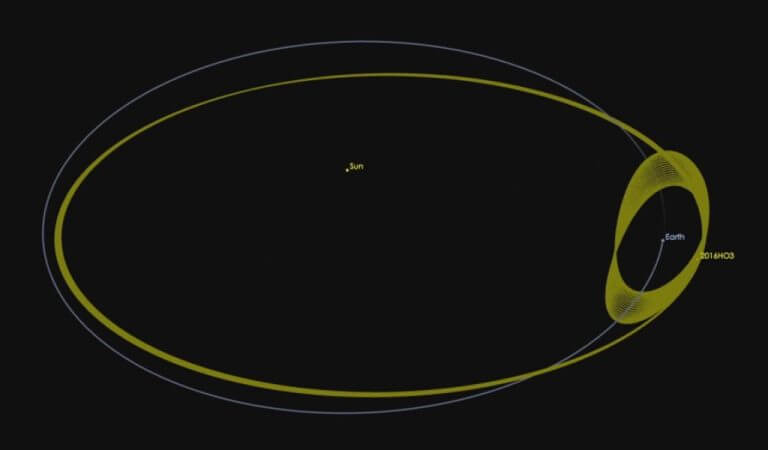
This is what the Earth would look like if it had two moons. From Wikipedia

Earth has a new 'moon'

A photograph of the Beno asteroid from the cameras of the OSIRIS-REx spacecraft, from an altitude of about 80 km. Photo: NASA

NASA's OSIRIS-Rex spacecraft arrives at asteroid 'Beno'

The celestial body that wiped out the dinosaurs. Illustration: shutterstock

What killed the dinosaurs?

Illustration of the meteorite impact that caused the unique double crater in Sweden. Credit: Don Dixon/Erik Sturkell/University of Gothenburg

For the first time, a double impact crater was found on Earth

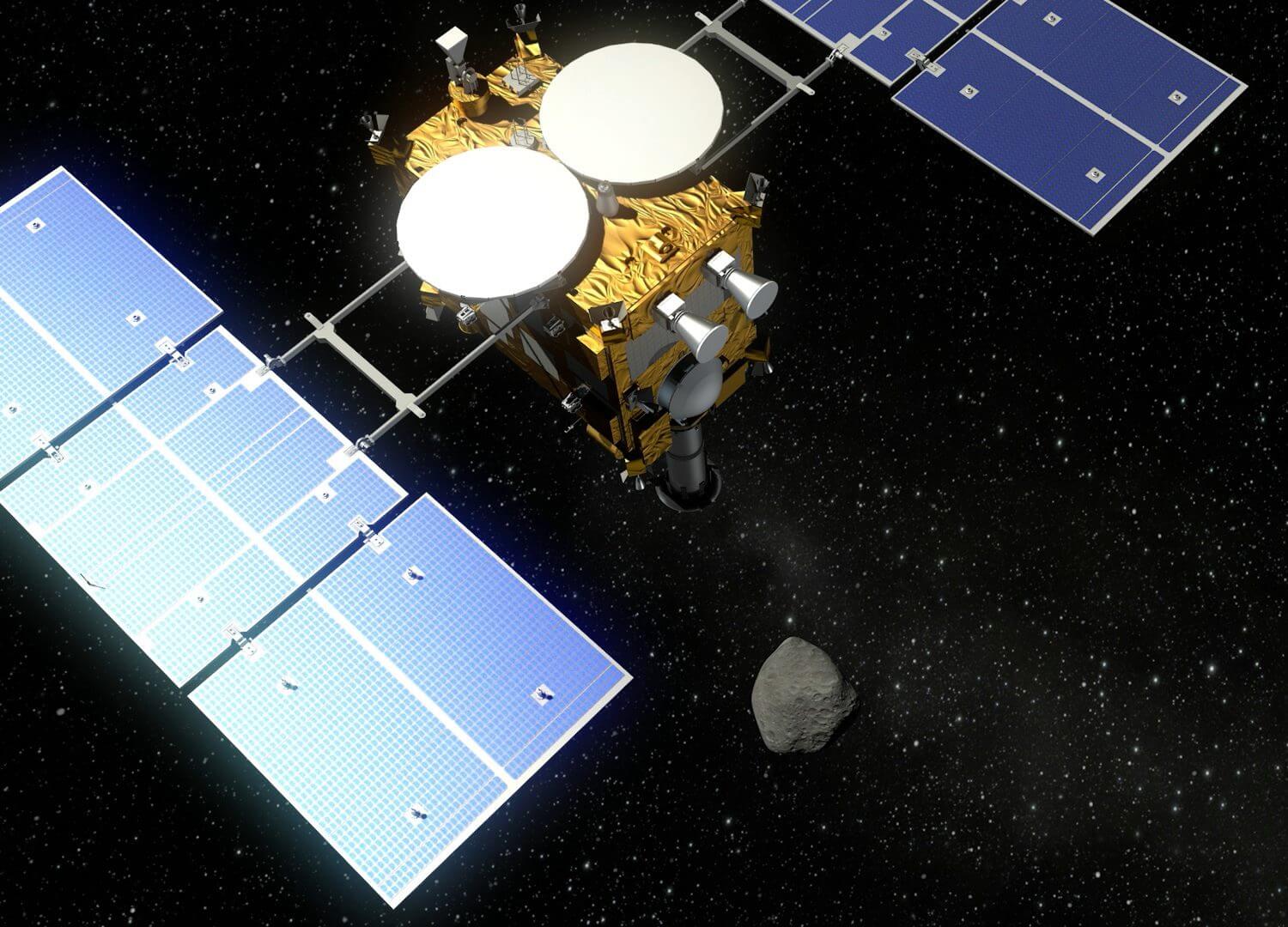
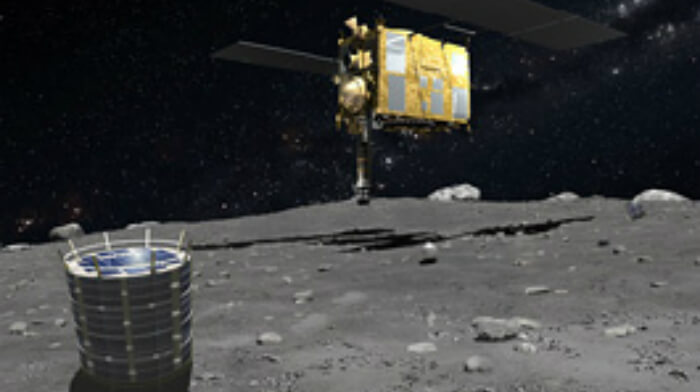
A complex and challenging task. The spacecraft landed on the asteroid. Image: Japanese space agency JAXA

This morning, Japan launched the Yabusa-2 spacecraft to a near-Earth asteroid

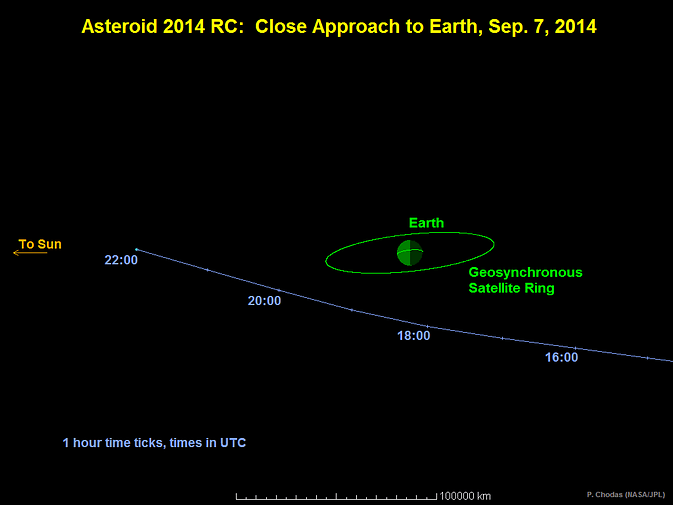
This figure illustrates the passage of asteroid 2014 RC on September 7, 2014. At closest approach, the asteroid will come within about one-tenth the distance of the Moon. The times indicated in the figure are according to Greenwich Mean Time. Image: NASA/Caltech

A small asteroid will pass about 34 thousand km from the Earth

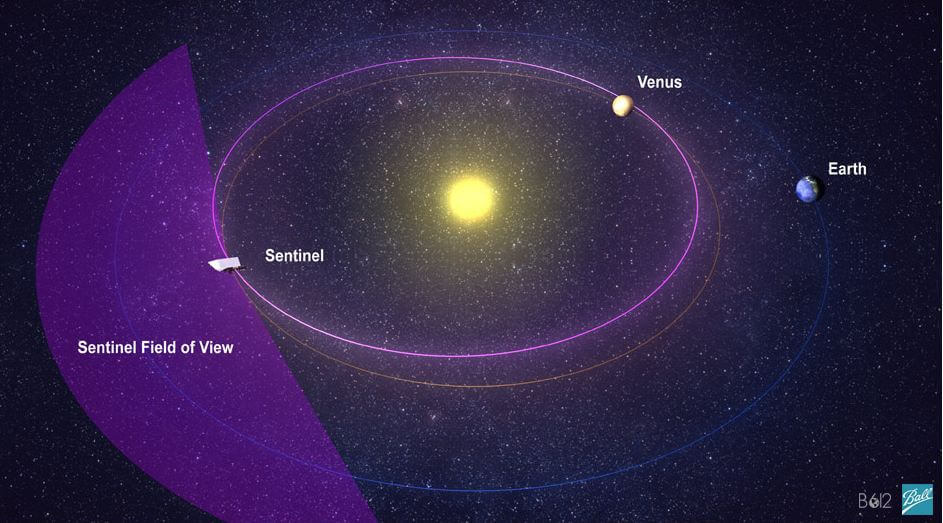
The Sentinel spacecraft will circle the Sun, and will look for near-Earth objects that could harm the Earth. Photo: B612

Surprise: an asteroid impact on Earth occurs twice a year on average

Another angle of view of the meteor that hit Russia on Friday, 15/2/2013, from a YouTube video

Prevent the next Chelyabinsk / John Mattson

Asteroids pass by the Earth. Image: NASA

Ten thousand near-Earth objects have been discovered

The asteroids Steen and Totatis

Comet 2013 A1 near Mars, wrapping its tail around it. Forecast for the event that will take place in October 2014. Image: NASA

Collision path: A comet makes its way towards Mars

Another angle of view of the meteor that hit Russia on Friday, 15/2/2013, from a YouTube video

"The meteorite explosion in Russia was 30 times more powerful than the bomb on Hiroshima"

A screenshot from a video circulating on YouTube that is supposed to depict the crater created by the meteorite that hit Russia on February 15, 2013

This is not the Russian meteorite crater

DE-STAR - A proposal for a system of satellites that will repel or even explode asteroids as they approach the Earth. Image: Philip M. Lubin, University of California at Santa Barbara

Fend off threatening asteroids while still in space using a laser

Meteorite explosion over Russia, February 15, 2012, screenshot from RT broadcasts

Hundreds injured by a meteor explosion in the air in Russia

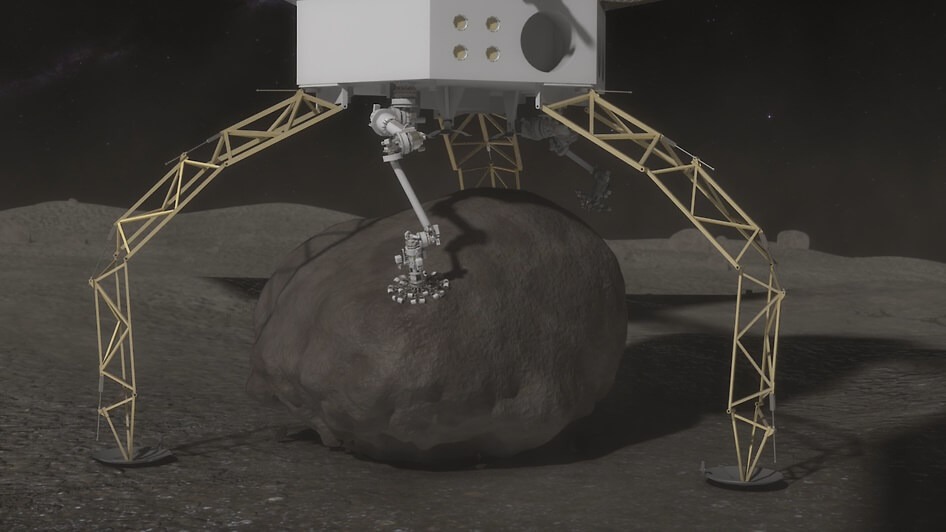
Capturing an asteroid with a diameter of 7 meters and a weight of 500 tons. Credit: Rick Sternbach / KISS

NASA is exploring the possibility of giving the moon its own moon