The Technion

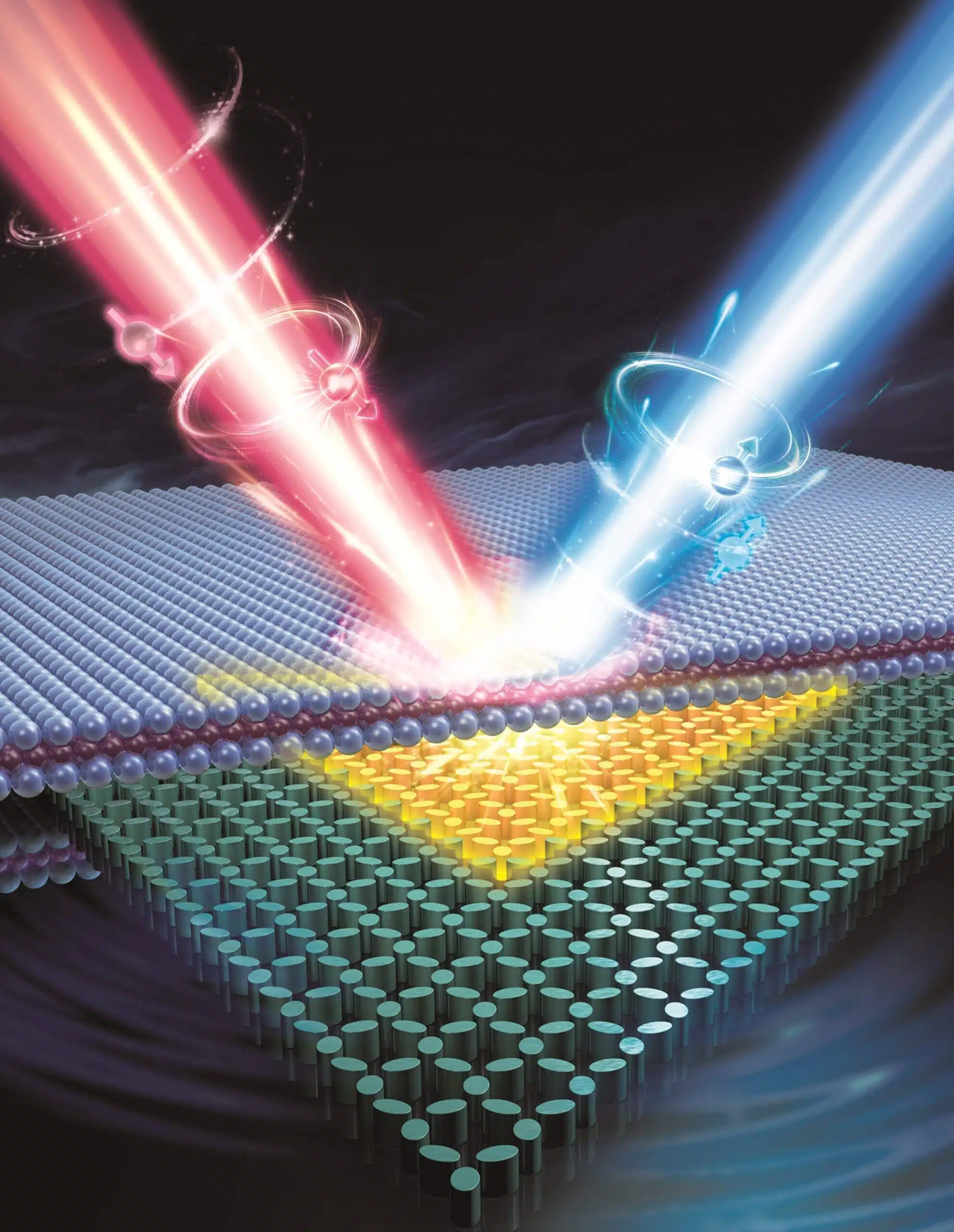
Visualization of vortices and “dark spots” within a light field — the phenomena measured in new research from the Technion, confirming that they may move faster than the speed of light without violating the theory of relativity. Credit: Nature (2026), DOI: 10.1038/s41586-026-10209-z.

For the first time, “spots of darkness” within light waves — confirming a 50-year-old prediction of faster-than-light motion

A new study from the Technion published in Nature has measured dark spots within light waves for the first time and confirmed that they may move faster than the speed of light without violating relativity.
In the graphic summary, from the bottom left corner and clockwise: muscle tissue containing mature cells and blood networks; adipose tissue containing blood vessel and lymph networks; printing of these scaffolds; and immediate feeding of the scaffold by the "host" tissue. Courtesy of Prof. Shulamit Levenberg's laboratory

A first-of-its-kind 3D implant developed at the Technion may dramatically improve treatment of tissue loss

Researchers at the Technion have developed an engineered scaffold containing muscle and fat tissue, a hierarchical blood vessel network, and a lymphatic network, and experiments in rats demonstrated faster and more efficient attachment of the graft to the damaged organ.
Relationships: Evolution of the virus and the cell. Illustration: depositphotos.com

Dr. Yotam Bar-On: “Why do viruses always win?” – and what gives us an advantage anyway

In a lecture at the Technion, Dr. Yotam Bar-On explained how rapid evolution, mutations, and immune evasion allow viruses to outpace the immune system, why vaccines are very successful in some diseases and less so in others, and what we learned from the Corona era.
Nerve damage. Illustration: depositphotos.com

From the nose to the spinal cord: Norexone sends tiny “messengers” to repair damaged nerves

Exosomes loaded with siRNA against PTEN, developed at the Technion and Tel Aviv University, are designed to reduce inflammation and encourage regeneration in the central nervous system – an area that is also relevant to myelin damage such as in multiple sclerosis.
Passive cooling system developed at the Technion. Photo: Haim Singer

Researchers from the Technion and Cornell Tech have developed passive air cooling – without electricity and without pollution

Ceramic tubes are quickly manufactured using specialized software and a smart extruder, and cool the environment through water evaporation; the method was presented at the ACM SCF '25 conference and could reduce load on the power grid in the
The innovative concept in the image chosen for the cover of the Science Translational Medicine issue. Credit: Dr. Shadi Farah; Adaptation: Maya Levy and Edouard Odeh

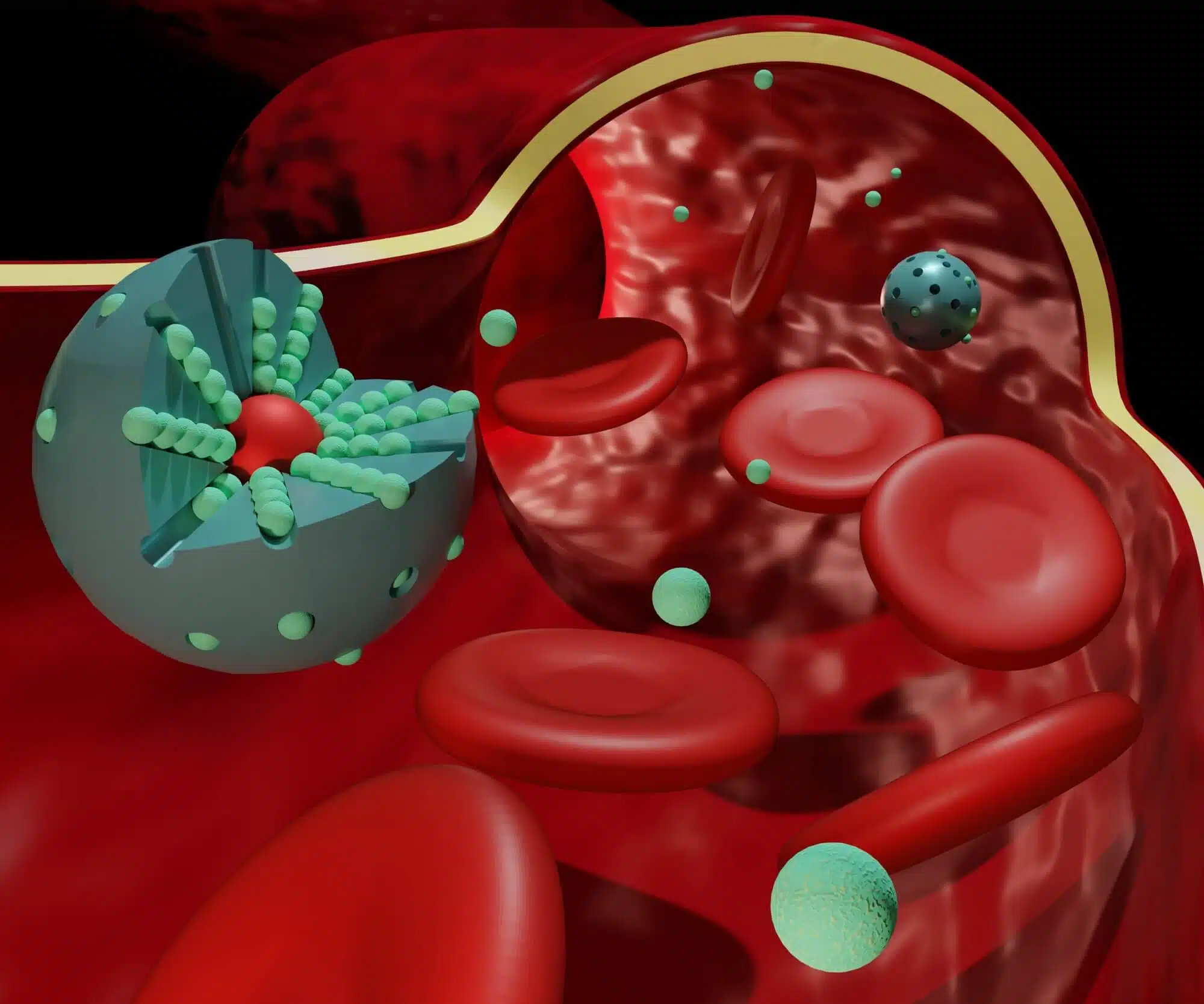
Biological implant with crystalline protection: Technion researchers have developed an “artificial pancreas” that may eliminate the need for insulin injections in type 1 diabetes

Researchers at the Technion have developed a biological implant with crystalline protection, which could completely change the treatment of diabetes and other chronic diseases.
The system in operation. Photo: Technion Spokesperson

New mechanical metafluid from the Technion enables magnetic control of flow rate for cooling and energy

Prof. Amir Gat and doctoral student Ezra Ben-Abo present in Materials Today Physics a mechanical metafluid that can be compressed and dynamically driven using varying magnetic fields
Using fMRI. Illustration: depositphotos.com

Breakthrough: fMRI brain training increased antibodies after hepatitis B vaccination

A study by Tel Aviv University, the Technion, and Ichilov in Nature Medicine found that positive anticipation that activates the VTA region of the reward system is associated with a stronger immune response in humans.
An innovative theory of heat conduction in matter.

Taming Heat: New Theory Allows for Directing Heat Flow in Materials

The theory developed by researchers at the Technion and Cambridge has potential applications such as energy production and protection of heat-sensitive equipment.
Caption: Comparison between the condition of various leaves coated with SafeWax (right) and the condition of uncoated leaves (left). From top to bottom: tomato, basil, pepper and grapevine

Coating a plant with wax will save over 50% on pesticides

The technology, published in the journal Small and funded by an EIC-Pathfinder grant, creates a uniform hydrophobic layer that makes it difficult for bacteria and fungal spores to adhere to the leaf — without harming photosynthesis, while also protecting against UV radiation and heat.
Foodtech panel at the Silicon Club Forum meeting, 12/29/2025. From right: Prof. Marcel Machloff from the Technion, Nadav Birger, investor, Hadas Reichenberg, VP of The Good Food Institute; Amir Zeidman, Chief Business Officer at The Kitchen Foodtech Incubator and Shlomo Gerdman, CEO of ASG. Photo: Shmuel Oster

Foodtech without shortcuts: Why taste, price, and regulation will determine whether we replace meat and dairy in the coming decade

In a panel featuring Prof. Marcel Machlouf from the Technion, Hadas Reichenberg (GFI), Amir Seidman (The Kitchen) and investors in the field, a complex picture emerged: Innovation is advancing, but the transition from prototype to shelf requires time, capital and political support.
Porous structures are at the core of many diverse applications in the energy world: space, smart buildings, solar cells, solar fuels, nuclear energy, fuel production, geothermal energy production, fuel cells and fast charging. The researchers explain in the article that proper design of these structures is an essential condition for technological, economic and environmental improvement in the energy sector.

Tiny portholes for a big future: Porous materials as the basis for the next energy revolution

In an article in the journal Science, researchers from the Technion present a long-term blueprint for developing the world of energy around porous structures – from materials for producing and storing energy, through energy-efficient chips, to applications in biomedical engineering.
Flags of Israel and the European Union. Fruitful scientific cooperation. Illustration: depositphotos.com

Thirteen researchers from Israel have won the prestigious ERC Consolidator grants for 2025

The ERC awarded 349 Consolidator grants this year, totaling €728 million. Israel stands out with 13 winners from Tel Aviv University, Ben-Gurion University, the Hebrew University, the Technion, the Weizmann Institute and the University of Haifa –
Heart disease and cancer and drug treatments – interactions

Between the heart and cancer: Technion researchers reveal surprising interrelationships between heart disease and cancerous tumors

Researchers at the Ruth and Baruch Rappaport Faculty of Medicine at the Technion present complex interrelationships between heart disease and cancer, in the hope that the findings will lead to improved treatment of both diseases.
Created in BioRender. Lab, R. (2025) https://BioRender.com/flbu8cx

Research conducted at the Faculty of Biology at the Technion reveals a unique mechanism in the aging of the immune system

In an article in the prestigious journal Nature Aging, researchers present a blueprint for improving the effectiveness of the immune system in old age.
Computer simulation showing the gradual passage (from left to right) of the protein alpha-lactalbumin through a solid-state nanopore with a diameter of approximately 4 nanometers. The passage of the protein through the pores allows the reading of the sequence of markers attached to the cysteine ​​groups (red color) and the identification of the protein.

Without antibodies and without amplification: Rapid identification of intact proteins with technology developed at the Technion

Nano-needle technology from Prof. Amit Meller's lab enables rapid, digital identification of individual proteins in near real-time, paving the way for early diagnosis of cancer and other diseases through simple blood tests.
They will remain in the urban space. Wild boars in Haifa. Photo: Yahla Dor

Wild boars in Haifa: New study reveals a connection between residents' reports and socioeconomic status

While wild boars have become part of the urban fabric, research by Tel Aviv University and the Technion reveals that in well-off neighborhoods, more reports are registered with the municipal hotline – and therefore receive more treatment, while in disadvantaged neighborhoods
The working screen of the eye tracking system. Photo: Technion Spokesperson

Eyes on the Text: New Technology from the Technion Detects Reading Purpose

Researchers in the Faculty of Data and Decision Sciences have developed computational models that combine eye tracking and natural language processing, and are able to identify the purpose of reading with an accuracy of about 90% within two seconds.
MRI scans. Illustration: depositphotos.com

Prestigious grant for artificial intelligence research in medicine: Technion-France project to develop fast MRI scans

As part of the K-SPARK project, researchers from the Technion and their colleagues in France will develop innovative technology that will enable brain scans in less than a minute, along with establishing an open database of MRI scans that will be used by the scientific community around the world.
Insects are the most species-rich group of animals, and they also play a number of critical roles in ecosystems. Photo: Agricultural field with insect trap. Photo: Liraz Kabra-Leikin

Identify the insect: Artificial intelligence helps farmers maintain biodiversity

In the figure: A demonstration of the change that occurs in the membrane as a result of water flowing through it. Photo: Technion Spokesperson

On the road to improved desalination

Researchers from the Technion and the University of Texas at Austin have mapped wet membranes for the first time using TEM cryo-tomography, revealing a volume expansion of approximately 30% under water flow, offering insights into designing more efficient membranes; the study was selected as a cover
Air sampler during a dust storm

The survival mechanisms of dust storm bacteria

How do living bacteria survive inside dust particles carried by desert storms from the Sahara Desert and Egypt to Israel?
Comparing digestive systems: men versus women in models built in the Lezmas Laboratory. Courtesy of the Technion

The stomach speaks differently: Men and women digest milk differently

Technion researchers have discovered that biological sex (or gender) affects the efficiency of digesting milk and its substitutes – a finding that may change perceptions of nutrition and food engineering.
The system was developed by the research group led by Prof. Hosem Haik. Credit: Xia Gong

New wearable system for real-time diabetes monitoring

Joint development by Prof. Hussam Hayek from the Technion and researchers from Sun Yat-sen University enables glucose measurement and personalized metformin dosing using microneedles and nanobiological sensors
Artistic visualization of the effect of sugar on gut bacteria – inspired by an illustration by Thom Blum, a student in the group, using AI

Sugar is sweet – but the effect is bitter: White sugar changes gut bacteria and harms the immune system

Researchers at the Technion have revealed that drinking sugary drinks causes a genetic change in intestinal bacteria, which negatively affects the functioning of the immune system. The good news: the effect is reversible when you stop consuming sugar.
The exterior of the Atlas experiment at CERN. Illustration: depositphotos.com

The prestigious Breakthrough Prize was awarded this year to the Atlas experiment at the Ceren particle accelerator, which involves about a hundred Israeli researchers.

The ATLAS experiment involves four groups from Israel, consisting of approximately 100 researchers from Tel Aviv University, the Technion, the Weizmann Institute, and Ben-Gurion University.
The rise of the clones. Illustrator: Itay Chen (student at the Rappaport Faculty of Medicine and professional illustrator of scientific illustrations).

Technion discovery: Genetic "fingerprint" may improve the personalization of immunotherapy treatments

Researchers at the Rappaport Faculty of Medicine have identified a genetic "fingerprint" that helps predict the effectiveness of these treatments.
Motor learning process in the brain, VTA and M1 are connected, dopamine in the learning process.

Brain researchers at the Technion: Dopamine – the key to acquiring motor skills

Collaboration between two researchers at the Rappaport Faculty of Medicine reveals that local release of dopamine in the motor cortex is a key to acquiring new motor skills
Test tubes with DNA that encodes the information. Credit: Rami Shloush, Technion Spokesperson

Researchers at the Technion have developed technology for encoding, recovering, and rapidly reading information stored in DNA.

The information density in DNA is about a hundred million times greater than that of digital storage. This means that, potentially, for every unit of volume that currently holds 1 megabyte, we could store up to 100
Overcoming 'blindness' with respect to what is happening deep within the tissue [Photo: Technion Spokesperson]

A new method for non-invasive monitoring of molecular processes deep within tissue

An innovative approach that simulates the visual system of insects developed at the Technion is expected to impact the monitoring of molecular processes in cancer and other diseases.
The way the brain processes long texts. From a study by Prof. Roy Reichert and Dr. Rafael Tikochinsky; Technion

This is how the brain deals with large units of text

Researchers at the Technion discovered that, unlike artificial language models, which analyze long texts as one piece, the human brain synthesizes what it has read into a kind of "summary" that allows it to understand the rest of the text.
Viruses attack bacteria. Illustration: depositphotos.com

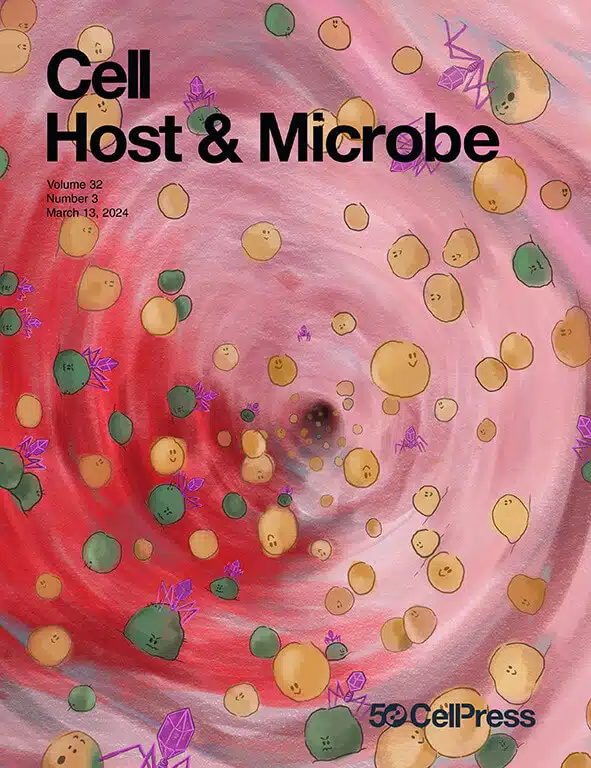
Protection against viruses - the passive version

Researchers at the Faculty of Biology at the Technion discovered a unique mechanism that protects marine bacteria from viruses that attack them
When a point electromagnetic source that propagates perfect circular wavefronts (bottom row, left) is placed in front of a rigid dielectric surface, significant reflections and distortions in the wavefronts are observed (bottom row, right). When the same surface is coated with metal formations designed in the article according to the Generalized Huygens' Condition, the disturbances disappear thanks to the general-angular irregularities (bottom row, middle) and the ideal propagation is fully restored (as if the waves were propagating in free space, similar to the scenario on the left). Top row: Left: the measurement setup in which the surface (device) is illuminated and the field transmitted by a detector (detector) is measured. Middle: the dielectric surface that is created with a coating to suppress reflections at all angles. Right: reference surface without the coating (for which a significant return was observed).

Researchers at the Technion have developed a technology that gives "electromagnetic transparency" to hard surfaces

This type of transparency is relevant to a wide variety of applications including flat antennas, analog-optical computing devices and compact imaging systems
Illustrative epigenetics: depositphotos.com

The Technion will award the Harvey Prize to three groundbreaking researchers in the field of cancer epigenetics

Prof. Peter Jones, Prof. Steven Bailin and Prof. Andrew Feinberg will receive the Harvey Award in the field of science and technology for their contribution to the diagnosis of diseases and the development of treatments based on the understanding of epigenetic mechanisms
Nano biological sensors. Illustration: depositphotos.com

What do espresso, oil and microgels have in common?

Researchers at the Technion have developed an innovative method for producing vital particles that can be used as biological sensors for the worlds of food, medicine, environmental science and more
Transferring the calculation from the memory to the processor itself. The image was prepared using DALEE and is not a scientific image

Researchers at the Technion have developed a software package that allows the calculation to be transferred from the processor into the computer's memory itself

This is an important step towards the development of computers that will perform calculations in memory, without the need to transfer the information between the various components - a transfer that takes a lot of time and consumes a lot of energy
The Art of the Fungi - Isolation from air samples by Dr. Naama Lang Yona. Presented at an art exhibition at the Weizmann Institute of Science. Photo: Ohad Harkes.

Like mushrooms after the heat angle

The mysterious world of fungi: how they affect our allergies and epidemics in agriculture, and how all this will change in our warming world
In the diagram: measurement of biomechanical forces applied to alpaca wool in torsion (above) and compression (below) states.

Breakthrough in mechanobiology - accurate measurement of forces in biological processes

The development of the Technion researchers is expected to speed up, optimize and reduce industrial processes of polymer production as well
A park in Shanghai. Photo: Avi Blizovsky

Again this year, three Israeli universities star among the top 100 in the Shanghai Index

The Hebrew University in Jerusalem, the Weizmann Institute and the Technion in Haifa are three Israeli institutions that entered the Shanghai Index 2024, the list of the XNUMX best academic institutions in the world
Scientific image: Right: Creation of amyloids from eggs and whey protein. Left: their consumption in food and their journey in the digestive system.

Processed food - nothing to panic

Researchers at the Faculty of Biotechnology and Food Engineering have discovered that incorporating amyloids into processed food has significant nutritional and health benefits
Electrodes in different areas of the brain reveal brain activity in real time. The colored dots show the locations of all electrodes in all patients, color coded by brain region. The red dots in the lower images show the electrode locations in the DMN. From the study.

Neurologists have identified the origins of creativity in the brain

Creativity is a unique brain function. Local damage to the brain as a result of a stroke can lead to changes in creative ability—both positive and negative. This discovery suggests that the neurological basis of creativity can be narrowed down.
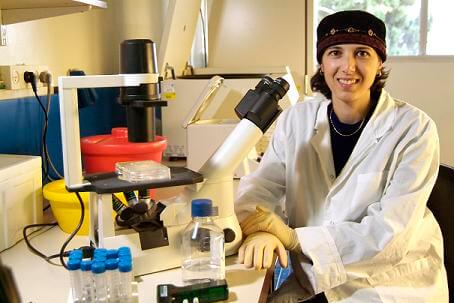
Prof. Asia Rolls. Photo: Technion spokespeople

The European Organization for Molecular Biology EMBO adds three researchers from the Technion to its ranks

Prof. Asia Rolls from the Rappaport Faculty of Medicine and Professors Oded Beja and Benny Podbilevitz from the Faculty of Biology were elected as new members of EMBO, the European Organization for Molecular Biology. Their joining the organization will be celebrated at the EMBO event that will be held in Heidelberg and begin