SEARCH
SEARCH
Space and astronomy
Astrophysics
astronomy
Solar System
space missions
man in space
environment and energy
Environmental sciences - the climate crisis
Earth science
environmental issues
energy
transportation
Computing and technology
exact sciences
Computing and robotics
nano-tech
military technology
futurology
Biology and Medicine
Evolution and nature
medicine
Genetics
the brain
Society and history
Science and society
history
The skeptic
Science Fiction
Scientists
Science in Israel
Research and development in Israel
Biotechnology in Israel
Israel in space
the defense industries
Academy and education
menu
Space and astronomy
Astrophysics
astronomy
Solar System
space missions
man in space
environment and energy
Environmental sciences - the climate crisis
Earth science
environmental issues
energy
transportation
Computing and technology
exact sciences
Computing and robotics
nano-tech
military technology
futurology
Biology and Medicine
Evolution and nature
medicine
Genetics
the brain
Society and history
Science and society
history
The skeptic
Science Fiction
Scientists
Science in Israel
Research and development in Israel
Biotechnology in Israel
Israel in space
the defense industries
Academy and education
Comprehensive coverage
Ancient Egypt
Exodus from Egypt
The solar eclipse of April 8, 2024
War in the Middle East
Hayadan
>
Space and astronomy
>
Solar System
>
Mars
>
Preparations for a manned flight to Mars
Preparations for a manned flight to Mars
Channels deep in the ground could be the key to habitability on Mars
Avi Blizovsky
July 30, 2023
3 תגובות
The Bio-SPHERE project investigates potential living and working conditions on the Moon and Mars
Hansel and Gretel's breadcrumbs reach Mars
Avi Blizovsky
March 30, 2023
3 תגובות
Engineers from the University of Arizona have developed a system that allows autonomous vehicles to scan underground habitats for astronauts
Lasers will be able to send missions to Mars in just 45 days
Avi Blizovsky
February 28, 2022
7 תגובות
A group of researchers proposes to build a spacecraft that will rely on an innovative propulsion system - in which lasers are used to heat hydrogen fuel - that can shorten the flight time to Mars to only 45 days instead of 100
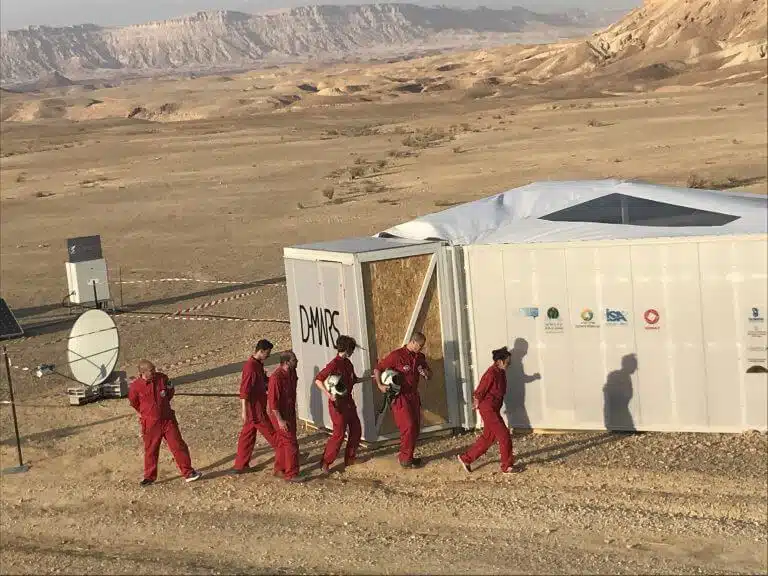
A Mars simulation returns to the Ramon Crater
Avi Blizovsky
October 9, 2021
3 תגובות
The six Harmonauts as soon as they left the Hav after the four days of the experiment, February 2018. Photo: Avi Blizovsky
What can climate change on Earth teach us about climate change we will cause on Mars?
Science site The Conversation
April 28, 2020
3 תגובות
International competition for planning a human colony on Mars * Applications can be submitted until March 31
Avi Blizovsky
March 17, 2019
4 תגובות
White wine on the red planet
Angle - a news agency for science and the environment
March 5, 2019
No comments
An international Mars simulation will take place in Israel
Ministry of Science
January 29, 2019
No comments
Sorry, Elon Musk, but now it's clear that colonizing Mars is unlikely - and it's a bad idea
Avi Blizovsky
August 16, 2018
8 תגובות
For the information of travelers to Mars
Angle - a news agency for science and the environment
June 3, 2018
6 תגובות
"We could have been on Mars a long time ago"
Avi Blizovsky
April 30, 2018
10 תגובות
First Mars simulation in Israel - the first round has ended successfully
Ministry of Science
February 19, 2018
No comments
A first facility of its kind will be built in Israel that simulates a mission on Mars
The science service
January 30, 2018
One response
Elon Musk's space settlement vision
Dr.Roey Tsezana
October 11, 2017
11 תגובות
NASA wants to send a tricorder to Mars
Avi Blizovsky
July 25, 2017
5 תגובות
Will Elon Musk and SpaceX establish the first human colony on Mars?
Ofer Sadan, big science in small
September 28, 2016
14 תגובות
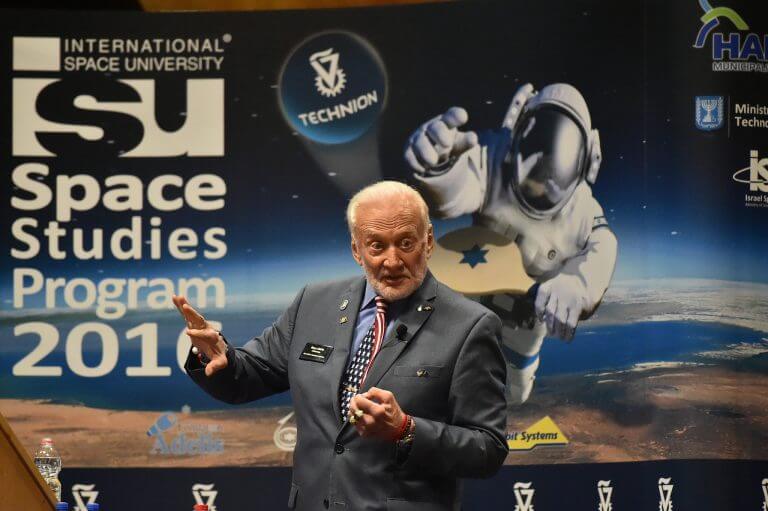
Buzz Aldrin, the second astronaut to land on the moon and governor of the Space University presents: A circular orbit to Mars
Avi Blizovsky
July 31, 2016
No comments
"If someone says that in two years he will be able to fly to Mars, that is simply not true, and does not fit with the spacecraft development schedule"
Avi Blizovsky
October 19, 2015
9 תגובות
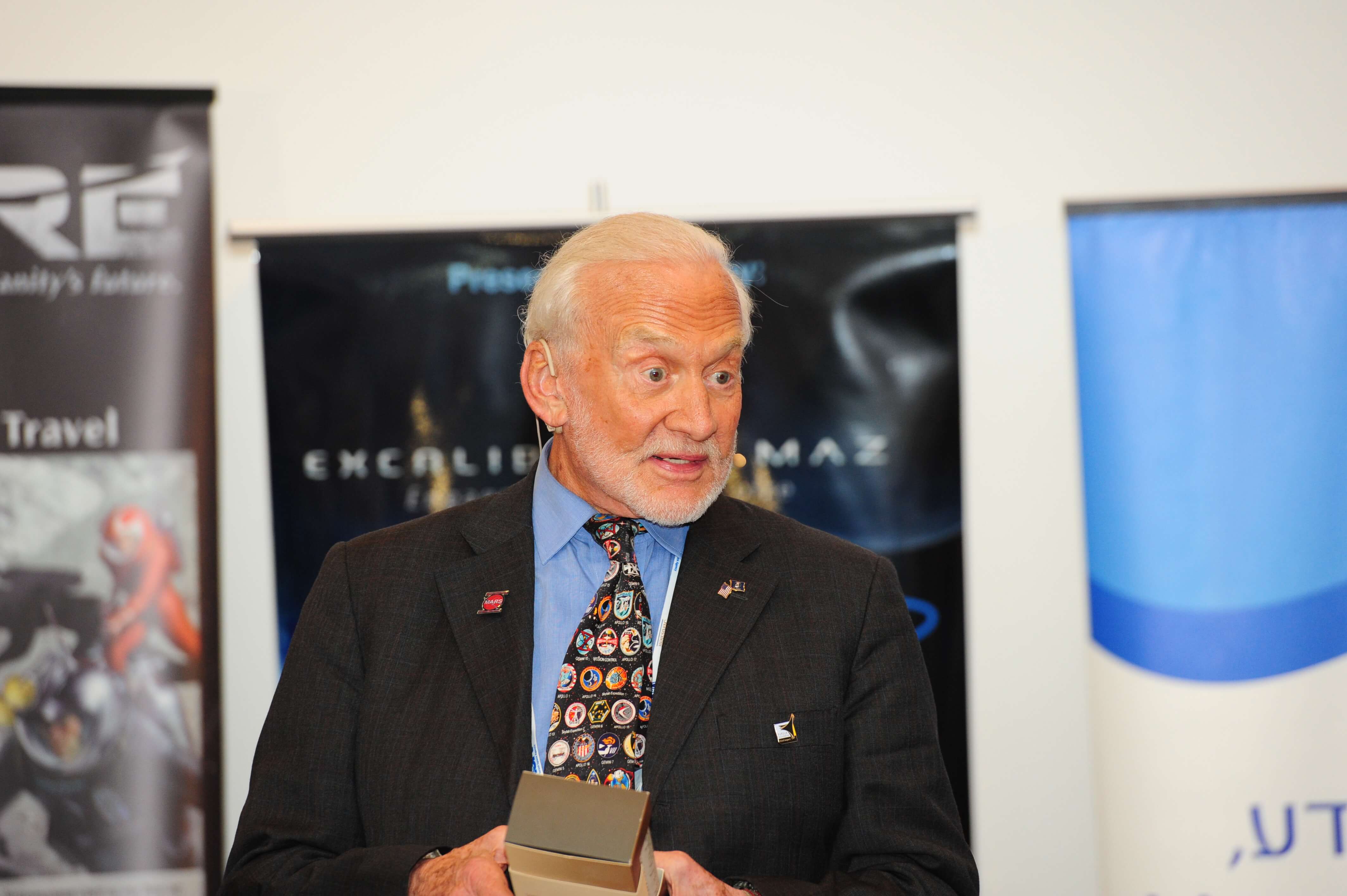
Buzz Aldrin at the space conference in Jerusalem: "I'm not in favor of a one-time round trip to Mars - we need to build a permanent base there"
Avi Blizovsky
October 13, 2015
3 תגובות
Save Mark Watney - the technology. Part 2: Water and Air
Avi Blizovsky
October 5, 2015
9 תגובות
Saving Mark Watney, The Technology – Chapter 1: Home on Mars
Avi Blizovsky
October 4, 2015
15 תגובות
Scientists from Stanford: discovery of flowing water on Mars increases the chances of life on the planet
Avi Blizovsky
September 30, 2015
3 תגובות
Be careful of contamination of Mars with terrestrial bacteria - scientists grapple with the question of what the discovery of water on Mars means for life there and for the possibility of landing humans on it
Avi Blizovsky
September 29, 2015
7 תגובות
The meal is ready - the members of the space station team ate for the first time lettuce that they grew themselves
Avi Blizovsky
August 12, 2015
No comments
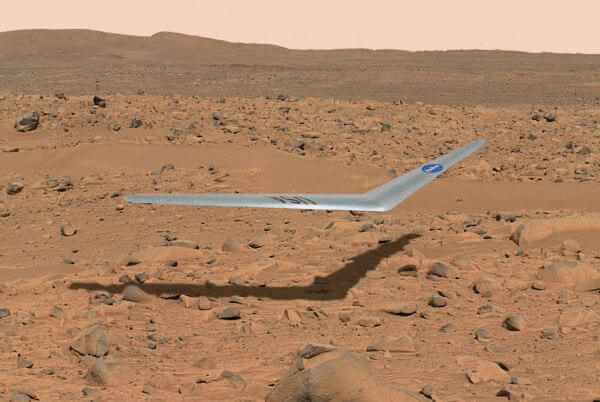
NASA's Frantal space plane will fly over Mars
Sparrow from Marom
July 5, 2015
3 תגובות
the previous
Page
1
Page
2
Page
3
...
Page
5
next
Space and astronomy
environment and energy
Computing and technology
Biology and Medicine
Society and history
Science in Israel
Main
About
Contact Us
private policies
Terms of Use
SEARCH
SEARCH
Open an access bar
Accessibility tools
Accessibility tools
Increase text
Increase text
Decrease text
Decrease text
Grayscale
Grayscale
High contrast
High contrast
Reverse contrast
Reverse contrast
Light background
Light background
Highlight links
Highlight links
Point readable
Point readable
Reset
Reset