SEARCH
SEARCH
Space and astronomy
Astrophysics
astronomy
Solar System
space missions
man in space
environment and energy
Environmental sciences - the climate crisis
Earth science
environmental issues
energy
transportation
Computing and technology
exact sciences
Computing and robotics
nano-tech
military technology
futurology
Biology and Medicine
Evolution and nature
medicine
Genetics
the brain
Society and history
Science and society
history
The skeptic
Science Fiction
Scientists
Science in Israel
Research and development in Israel
Biotechnology in Israel
Israel in space
the defense industries
Academy and education
menu
Space and astronomy
Astrophysics
astronomy
Solar System
space missions
man in space
environment and energy
Environmental sciences - the climate crisis
Earth science
environmental issues
energy
transportation
Computing and technology
exact sciences
Computing and robotics
nano-tech
military technology
futurology
Biology and Medicine
Evolution and nature
medicine
Genetics
the brain
Society and history
Science and society
history
The skeptic
Science Fiction
Scientists
Science in Israel
Research and development in Israel
Biotechnology in Israel
Israel in space
the defense industries
Academy and education
Comprehensive coverage
Ancient Egypt
Exodus from Egypt
The solar eclipse of April 8, 2024
War in the Middle East
Hayadan
>
Space and astronomy
>
Solar System
>
Eris and the Kuiper belt
Eris and the Kuiper belt
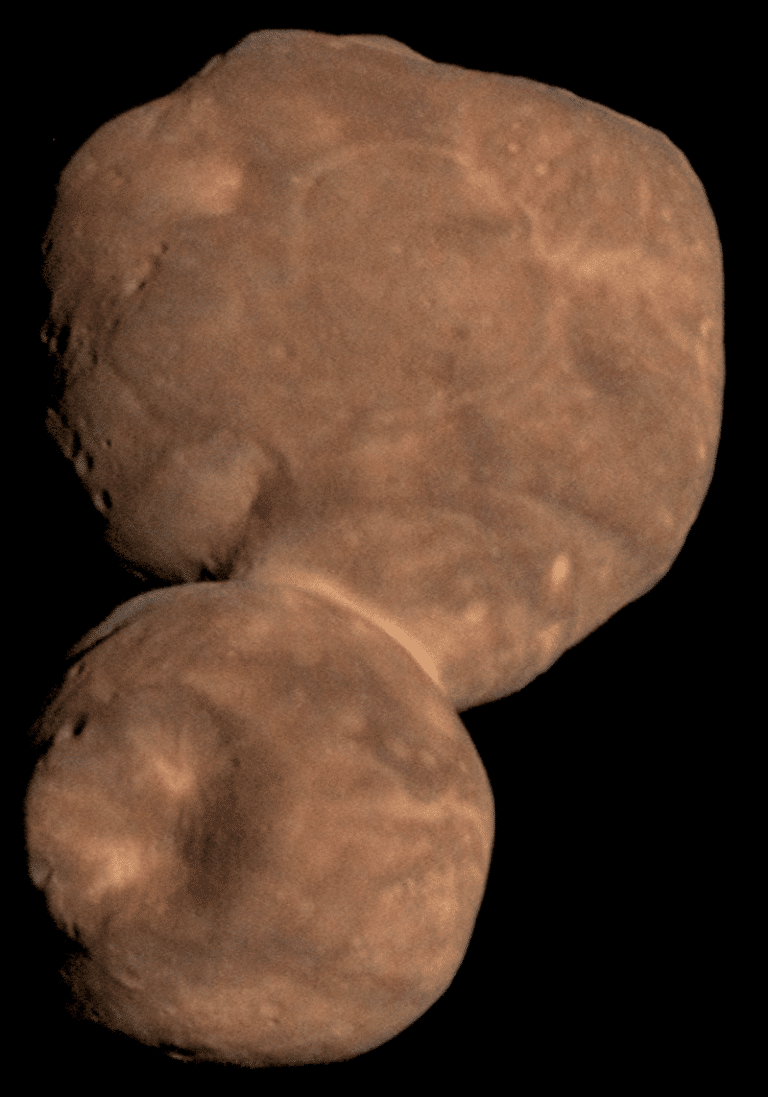
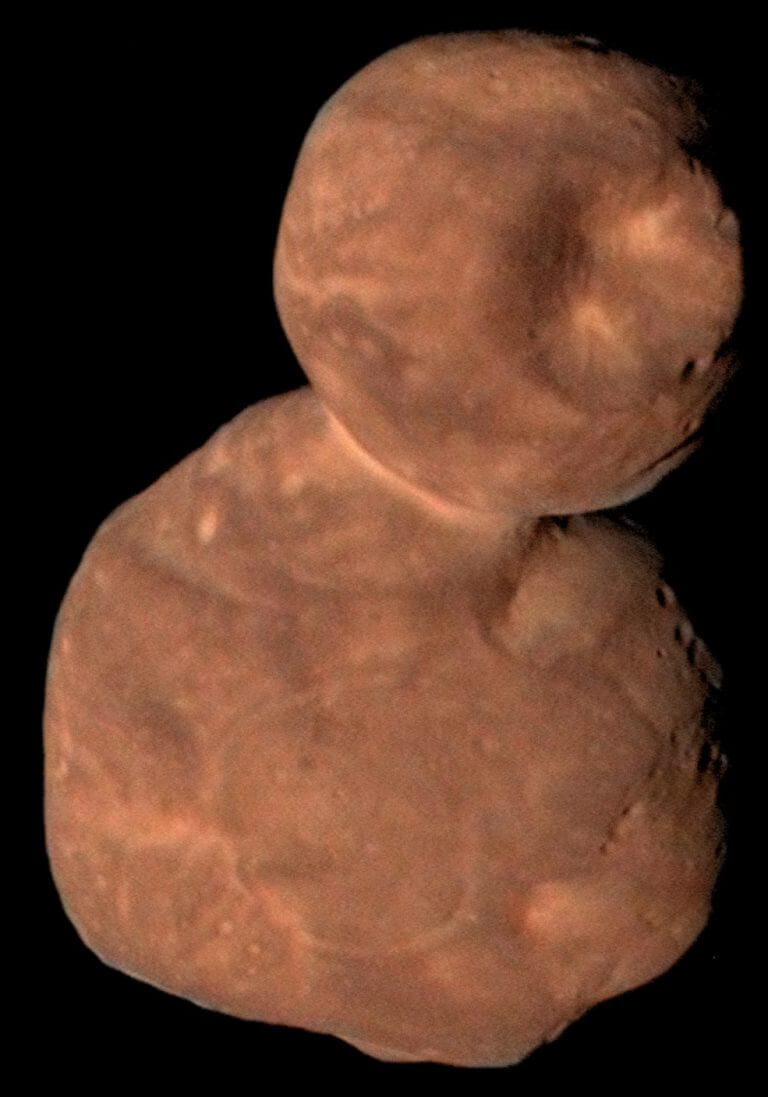
The birth of the "snowman" at the edge of the solar system
Avi Blizovsky
April 25, 2020
No comments
The asteroid Ultima Thule - a summary of the findings of the New Horizons spacecraft so far
Haim Mazar
June 22, 2019
6 תגובות
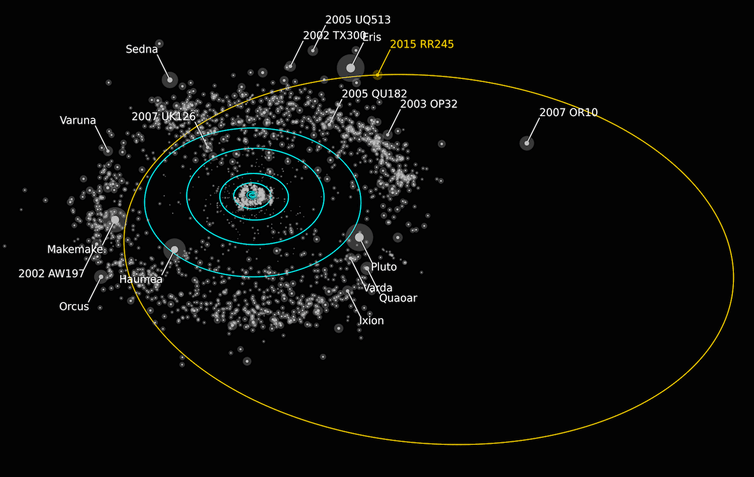
840 dwarf planets discovered beyond Neptune-Rahab - and what they can tell us
Science site The Conversation
October 26, 2018
4 תגובות
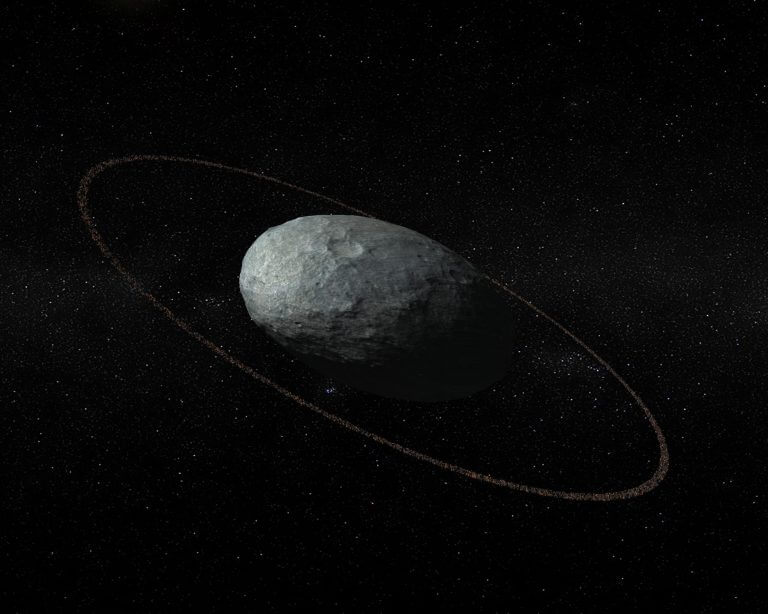
A planetary ring has been discovered around the Umi dwarf planet
Elisef Kosman
October 13, 2017
No comments
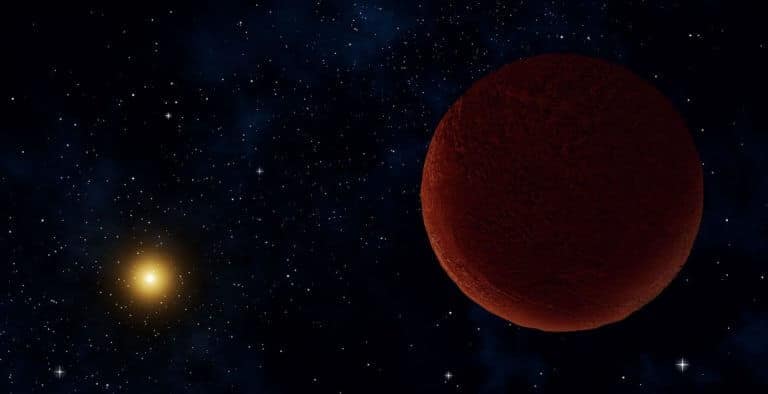
Meet Didi, a distant and dim planetary body in our solar system
Avi Blizovsky
April 18, 2017
4 תגובות
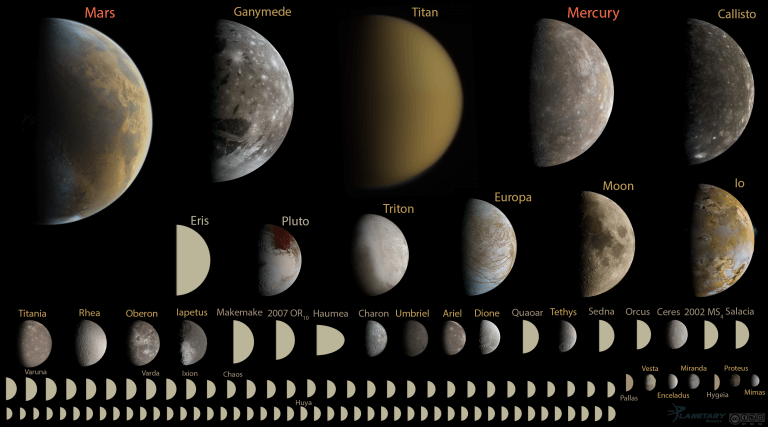
Why does a group of researchers want to reopen the debate on the definition of planets?
Elisef Kosman
February 28, 2017
5 תגובות
Is the strange inclination of the sun caused by the influence of the ninth planet?
Avi Blizovsky
November 7, 2016
7 תגובות
A new dwarf planet has been discovered at the edge of the solar system
Avi Blizovsky
October 12, 2016
2 תגובות
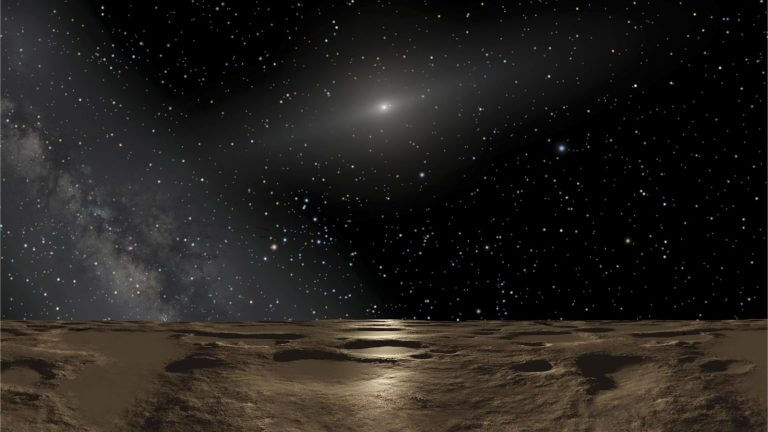
A dwarf planet has been discovered far beyond Pluto's orbit
Avi Blizovsky
July 13, 2016
4 תגובות
Is the largest world in the solar system that doesn't yet have a name about to finally get one?
Elisef Kosman
May 13, 2016
No comments
Maka-Maka not alone: the Hubble Space Telescope discovered a moon orbiting the dwarf planet
Elisef Kosman
April 29, 2016
8 תגובות
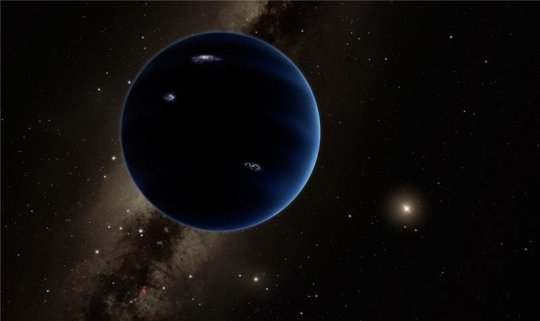
Indirect evidence for the existence of a ninth planet: a gas giant that orbits the Sun once every ten thousand years
Avi Blizovsky
January 21, 2016
13 תגובות
Look for dark energy and find more dwarf planets beyond Neptune-Rahab
Universe Today
January 10, 2015
6 תגובות
The most distant object in the solar system has been discovered (when it bypasses Sadna in part of its orbit) * Researchers: It is possible that there are objects at the edge of the solar system larger than the Earth
Avi Blizovsky
March 27, 2014
5 תגובות
Hide and seek star
Tel Aviv University
March 13, 2014
No comments
The mysteries of the disappearing atmosphere of Maki-Maki
Universe Today
November 25, 2012
One response
Does the author of the book "Is God a Mathematician" believe in God?
Avi Blizovsky
December 20, 2009
82 תגובות
Israeli and American researchers discovered for the first time a small object in the far reaches of the solar system
Tel Aviv University
December 17, 2009
5 תגובות
Climate change also on Eris
Avi Blizovsky
November 24, 2008
3 תגובות
A new body in the solar system has been named: the Umeya dwarf planet
Avi Blizovsky
September 20, 2008
10 תגובות
New Dwarf Planet (and Plutoid): Maki-Maki
Avi Blizovsky
July 16, 2008
7 תגובות
The dwarf planet Eris is more massive than Pluto, according to a new study published by Eris Explorer
Avi Blizovsky
June 17, 2007
3 תגובות
A dwarf planet will become the brightest comet
Avi Blizovsky
January 18, 2007
3 תגובות
From now on they said Eris and not Xena * From now on he is also a dwarf planet
Avi Blizovsky
September 16, 2006
No comments
The strict ones won - Pluto loses its status as a planet and becomes a 'dwarf planet'
Avi Blizovsky
August 24, 2006
5 תגובות
the previous
Page
1
Page
2
next
Space and astronomy
environment and energy
Computing and technology
Biology and Medicine
Society and history
Science in Israel
Main
About
Contact Us
private policies
Terms of Use
SEARCH
SEARCH
Open an access bar
Accessibility tools
Accessibility tools
Increase text
Increase text
Decrease text
Decrease text
Grayscale
Grayscale
High contrast
High contrast
Reverse contrast
Reverse contrast
Light background
Light background
Highlight links
Highlight links
Point readable
Point readable
Reset
Reset