SEARCH
SEARCH
Space and astronomy
Astrophysics
astronomy
Solar System
space missions
man in space
environment and energy
Environmental sciences - the climate crisis
Earth science
environmental issues
energy
transportation
Computing and technology
exact sciences
Computing and robotics
nano-tech
military technology
futurology
Biology and Medicine
Evolution and nature
medicine
Genetics
the brain
Society and history
Science and society
history
The skeptic
Science Fiction
Scientists
Science in Israel
Research and development in Israel
Biotechnology in Israel
Israel in space
the defense industries
Academy and education
menu
Space and astronomy
Astrophysics
astronomy
Solar System
space missions
man in space
environment and energy
Environmental sciences - the climate crisis
Earth science
environmental issues
energy
transportation
Computing and technology
exact sciences
Computing and robotics
nano-tech
military technology
futurology
Biology and Medicine
Evolution and nature
medicine
Genetics
the brain
Society and history
Science and society
history
The skeptic
Science Fiction
Scientists
Science in Israel
Research and development in Israel
Biotechnology in Israel
Israel in space
the defense industries
Academy and education
Comprehensive coverage
Ancient Egypt
Exodus from Egypt
The solar eclipse of April 8, 2024
War in the Middle East
Hayadan
>
Medical ethics
Medical ethics
Meeting with a patient - as a warning bell
The Voice of Science website - the Israel National Science Foundation
November 4, 2022
Doctors who see a bowel cancer patient tend to refer more patients to tests for early detection. Is this a correct response?
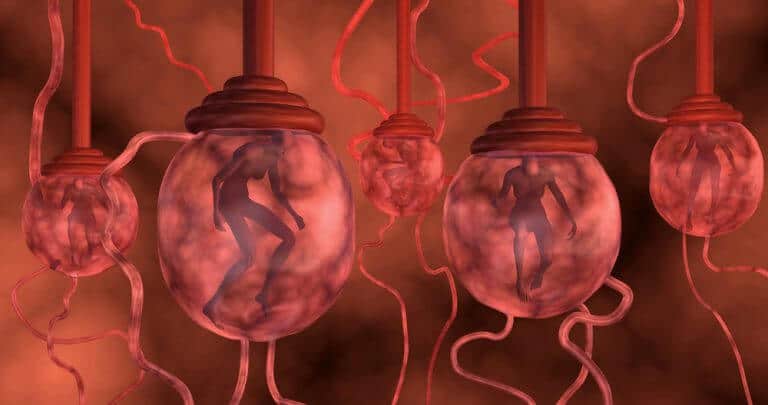
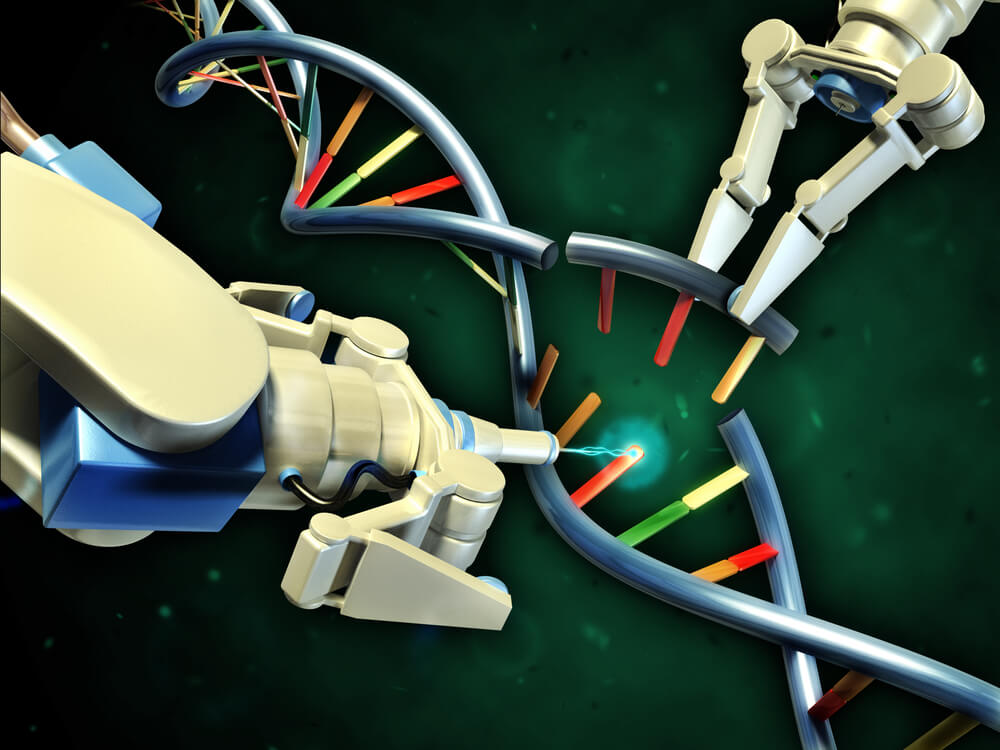
Genetic engineering and animal-human hybrids: How China is leading a global divide in controversial research
Science site The Conversation
September 9, 2019
8 תגובות
The next stage in human evolution - part XNUMX human machine interface
Eran Barak-Medina
July 15, 2018
One response
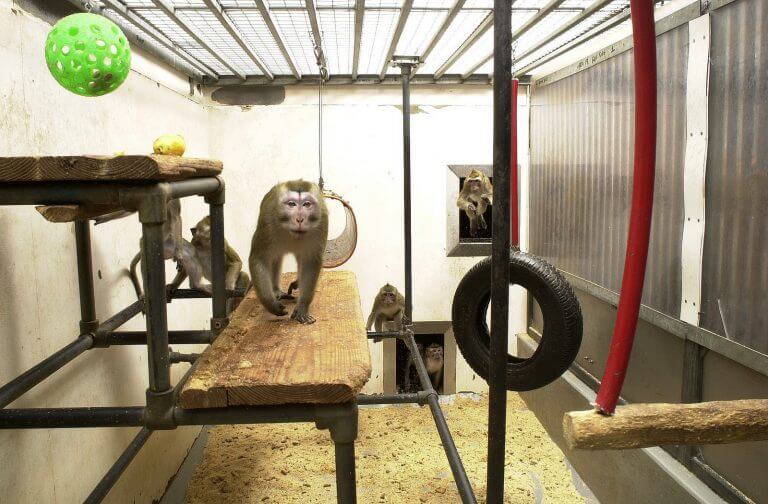
Transparency is the way to improve the treatment of primates in scientific research
Scientific American Israel
October 1, 2017
No comments
The right to cognitive freedom
Scientific American Israel
January 17, 2017
One response
On the agenda - why fetuses should not be out of bounds
Scientific American Israel
August 12, 2015
No comments
Reflections - a baby with blue eyes? / Bracha Reger
Scientific American Israel
August 9, 2015
7 תגובות
First case of euthanasia in Israel: the Attorney General allowed the judge to allow euthanasia for an ALS patient who requested it
Avi Blizovsky
December 10, 2014
3 תגובות
"Ethics should catch up with technology, especially in the field of life sciences"
Avi Blizovsky
September 29, 2014
3 תגובות
Medical ethics - are drug studies reliable? / Charles Zaif
Scientific American Israel
April 6, 2013
2 תגובות
Brainwashing - actually experiments on animals / Yitzhak Farnes
Scientific American Israel
August 9, 2012
27 תגובות
the passersby of the dispute
Galileo - The Science Magazine
April 18, 2012
2 תגובות
Human experiments
Galileo - The Science Magazine
March 17, 2012
6 תגובות
Life after death
Galileo - The Science Magazine
November 22, 2011
6 תגובות
Between morality and medicine
Galileo - The Science Magazine
November 14, 2011
No comments
Are we becoming "post-human"?
Bar-Ilan University
August 13, 2011
5 תגובות
The suicide of Adi Talmor with the help of Dignitas: unlike Israel, Swiss law allows medical assistance to end the lives of terminally ill patients
Avi Blizovsky
August 9, 2011
13 תגובות
Cells with potential - a look at stem cells
Bioinform
August 10, 2010
3 תגובות
Scientists, fakers and false prophets - science fiction in the laboratory
Bischem Azgad
June 19, 2010
390 תגובות
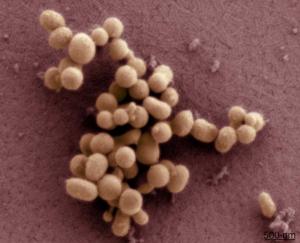
The first artificial bacteria - and all the others that will follow
Dr.Roey Tsezana
May 22, 2010
24 תגובות
Synthetic Biology: Venter and the Synthetic Genome 2007 – 2010
Dr. Gali Weinstein
May 22, 2010
8 תגובות
Who needs another life? Be careful with the molecules that are replicated in the laboratory - from which Torah will come
Bischem Azgad
May 21, 2010
112 תגובות
Scientists have developed a synthetic magnum bacterial cell
Avi Blizovsky
May 21, 2010
33 תגובות
Space and astronomy
environment and energy
Computing and technology
Biology and Medicine
Society and history
Science in Israel
Main
About
Contact Us
private policies
Terms of Use
SEARCH
SEARCH
Open an access bar
Accessibility tools
Accessibility tools
Increase text
Increase text
Decrease text
Decrease text
Grayscale
Grayscale
High contrast
High contrast
Reverse contrast
Reverse contrast
Light background
Light background
Highlight links
Highlight links
Point readable
Point readable
Reset
Reset