Voyager

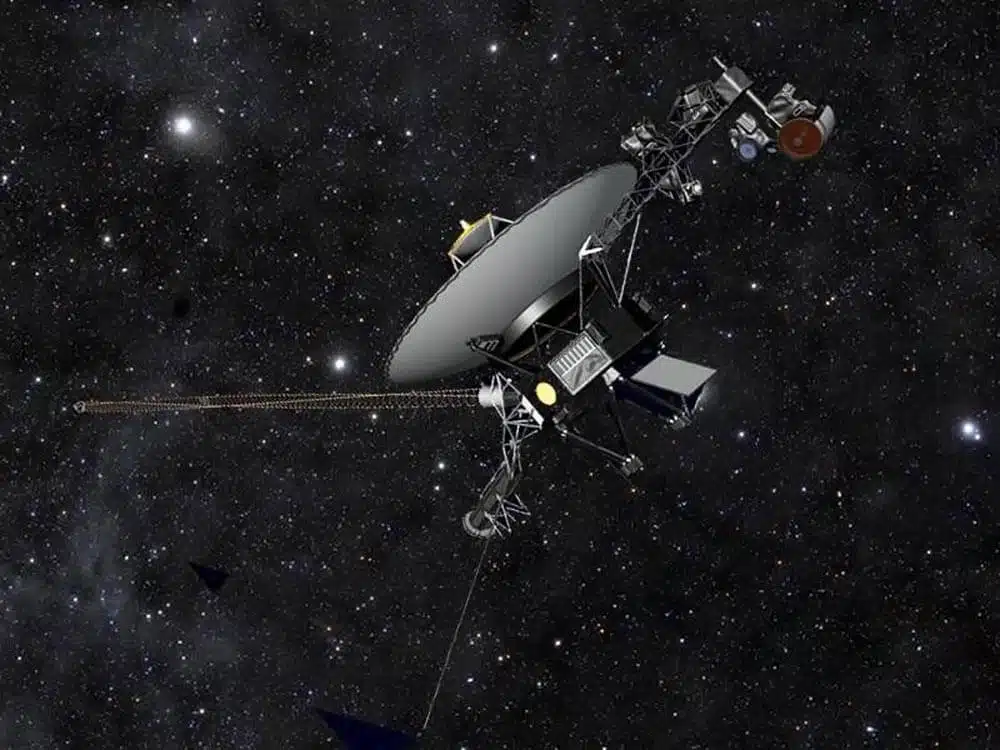
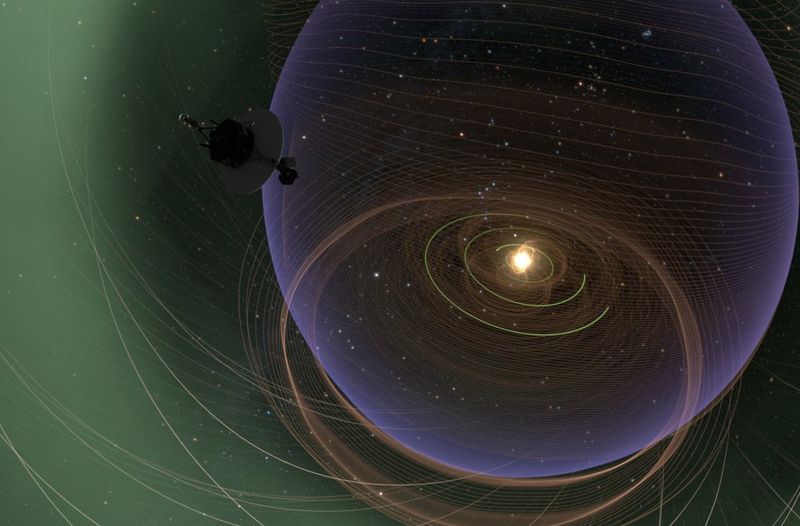
The twin Voyager spacecraft, launched in 1977, are now traveling through interstellar space at speeds of over XNUMX kilometers per hour. This visualization shows one of the spacecraft moving away from the solar system. Credit: NASA/JPL–Caltech

Voyager 1's "dead" spin engines pulsed again after 20 years – just in time for antenna upgrade

NASA engineers at the Jet Propulsion Laboratory have been successfully reactivating “dead” propellants since 2004, saving the mission at the last minute before an antenna upgrade caused a long-term loss of contact.
Artist's impression of one of the Voyager spacecraft launched in 1977, Credit: NASA/JPL-Caltech

NASA will shut down instruments on Voyager spacecrafts to save power

On February 24, 2025, the radiation sensor system on Voyager 1 was shut down, and on March 24, the same system will be shut down on Voyager 2.
NASA is addressing Voyager 1's latest communication problems, working to understand and fix the transmitter shutdown by the spacecraft's defense system. Credit: Caltech/NASA-JPL

24 billion km from Earth, NASA's Voyager 1 breaks its silence

On October 24, NASA was able to re-establish contact with the Voyager 1 spacecraft after a brief communication blackout. Recently, Voyager 1 turned off one of its two radio transmitters, and the NASA team is now working to identify the cause
This artist's impression shows NASA's Voyager spacecraft against a field of stars in the darkness of space. The two Voyager spacecraft are moving farther and farther from Earth on their journey into interstellar space, eventually orbiting the center of the Milky Way galaxy. Credit : NASA/JPL-Caltech

Voyager 2 has lost contact with Earth. Only one radio dish in the world can help her "call home"

A human error in the commands sent to her caused her antenna to tilt at an angle of two degrees from the Earth. The radio antenna engineers of the deep space network in Australia will try to contact her
This artist's impression shows NASA's Voyager spacecraft against a field of stars in the darkness of space. The two Voyager spacecraft are moving farther and farther from Earth on their journey into interstellar space, eventually orbiting the center of the Milky Way galaxy. Credit : NASA/JPL-Caltech

NASA engineers are making changes to the way the Voyager 2 spacecraft operates to extend the life of science instruments

NASA has decided to keep Voyager 2's scientific instruments on for a few more years, allowing for more discoveries from interstellar space.
Artist's rendering showing the Voyager spacecraft flying through space against the background of the stars. Credit: NASA/JPL-Caltech

Engineers have solved the data problem on NASA's Voyager 1 - but there are still glitches

It turns out that the fault lies in the fact that a certain device that is still working tried to transfer the data through the spacecraft's main computer, which has been malfunctioning for many years. The engineers found a way around this
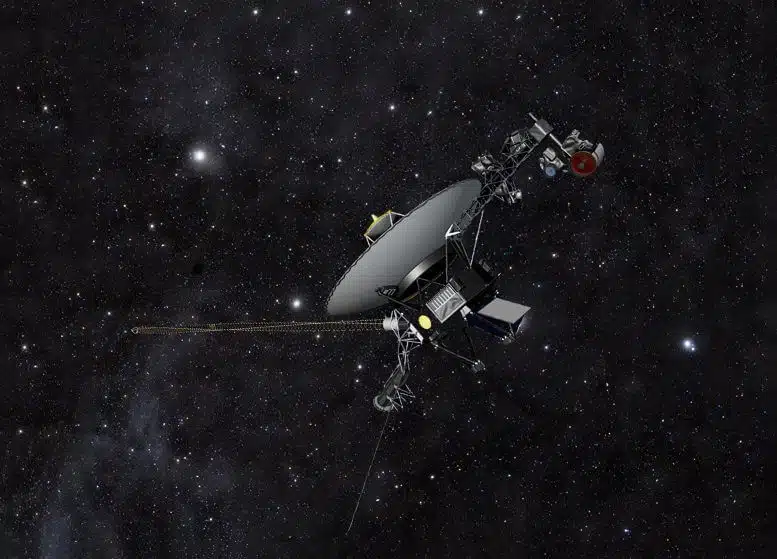
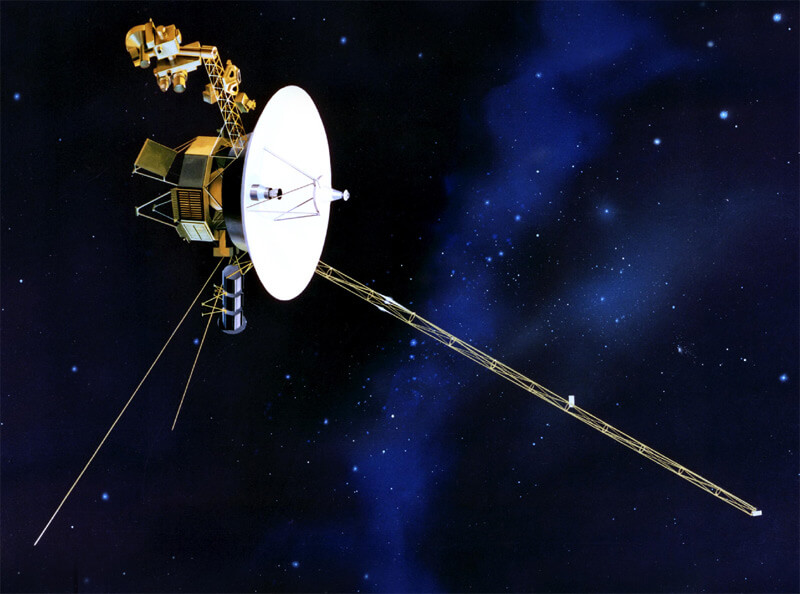
Illustration of the Voyager 1 spacecraft. Source: NASA/JPL-Caltech.

Voyager 1 activated engines that had been dormant for 37 years

The blurry photo of Despina. Source: NASA.

On Despina, a moon of Neptune

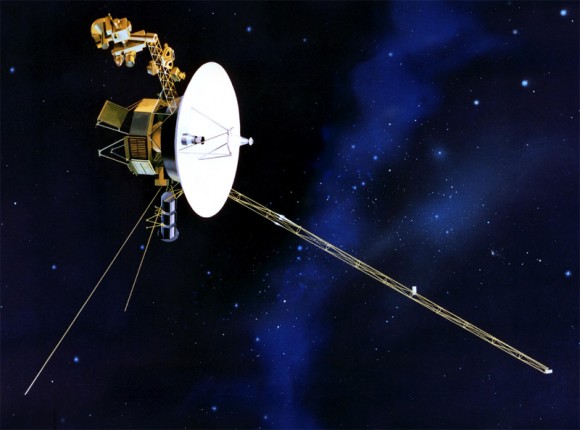
Artist's impression of the Voyager spacecraft.

Voyager 1 has left the solar system - now it's official

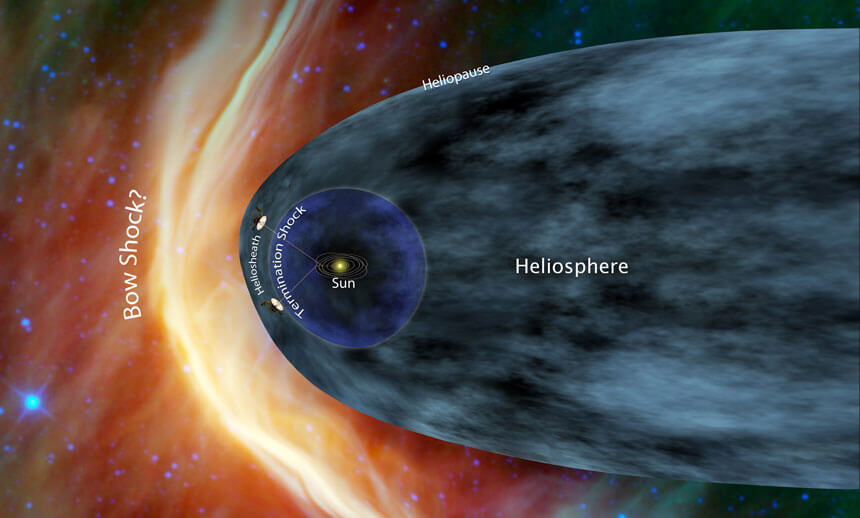
The map of the regions at the edge of the solar system where the Voyager 1 spacecraft is currently moving

Voyager 1 is very close to going into interstellar space

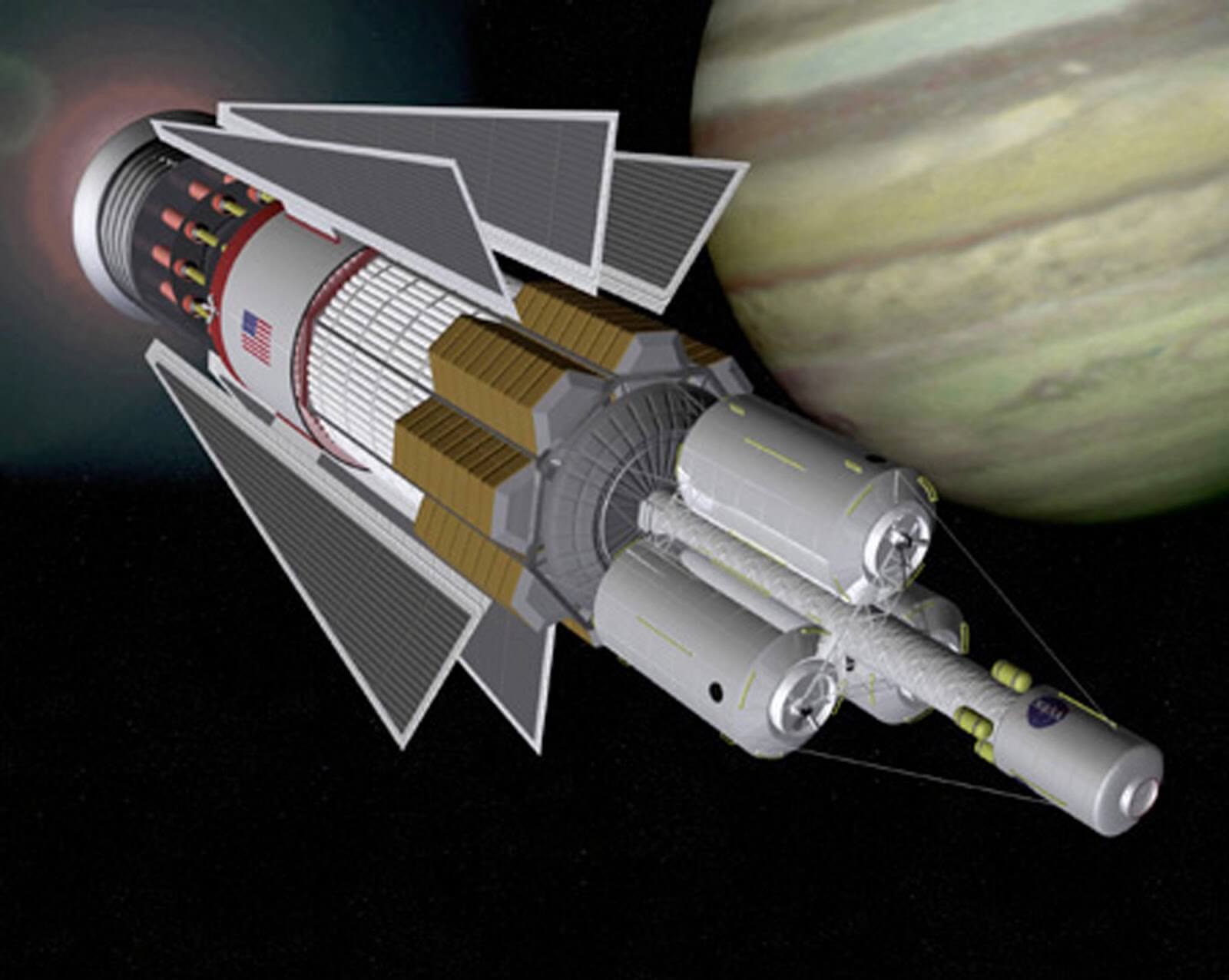
Computer rendering of a nuclear pulse rocket approaching Jupiter.

Atomic bombs in space - article by Amy Shira Teitel

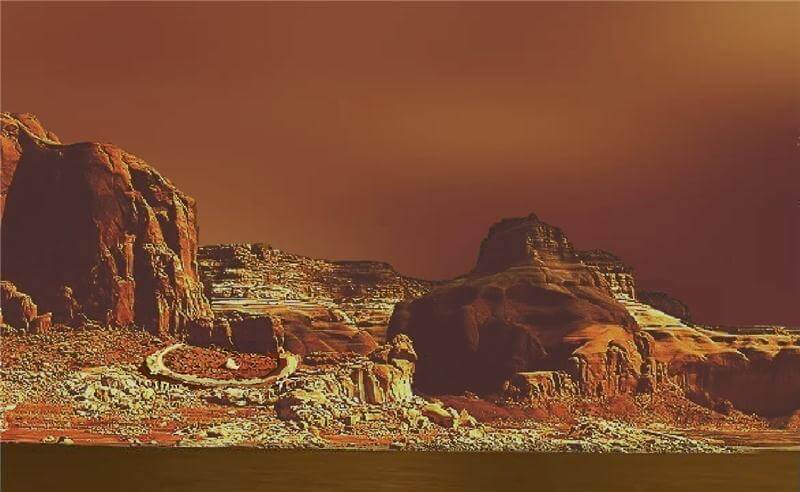
The surface of Titan. The image consists of data transmitted by the Huygens spacecraft that landed on its surface in 2004. Image: NASA and the European Space Agency

A surprising change of seasons on Titan

Artist's rendering of the Voyager 1 spacecraft, the first to cross the heliosheath (NASA photo)

Voyager 1 left the solar wind behind

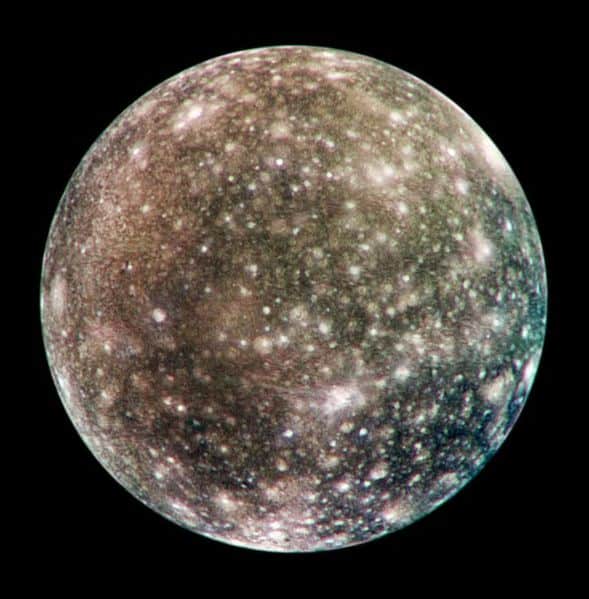
Callisto. Photo: NASA

Callisto-Moon of Jupiter

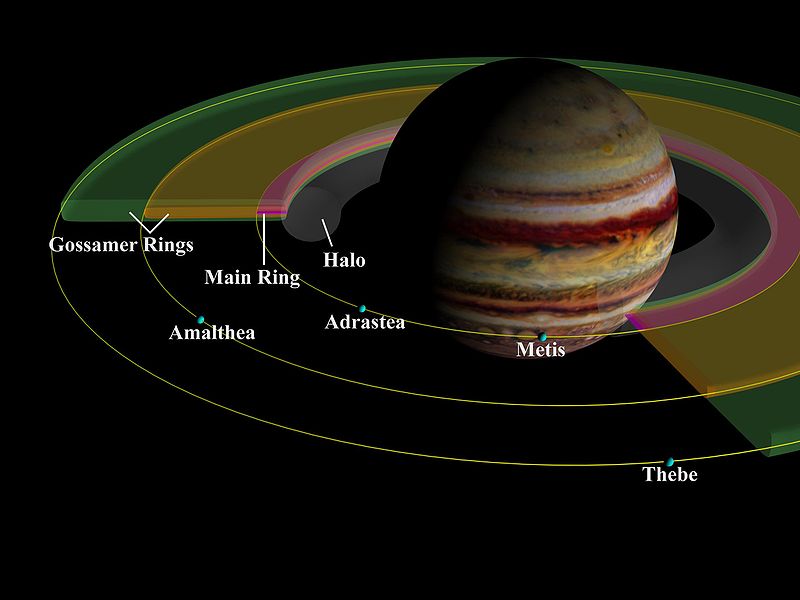
Rings of Jupiter as photographed by the Galileo spacecraft. From Wikipedia

The rings of justice

The orbit of the Voyager 2 spacecraft. The interstellar cloud location is marked with yellow lines. Illustration: American Museum of Natural History

What holds the interstellar cloud in place? The mystery is solved

Cosmic scene with DNA, stars, solvents and atomic circles in oral flow.

Justice - summary of findings - part two: the clouds

Cosmic scene with DNA, stars, solvents and atomic circles in oral flow.

Voyager spacecraft celebrate thirty years in space

Cosmic scene with DNA, stars, solvents and atomic circles in oral flow.

Greetings from the depths of space

Cosmic scene with DNA, stars, solvents and atomic circles in oral flow.

Voyager 1 crossed the boundary of the solar system

Cosmic scene with DNA, stars, solvents and atomic circles in oral flow.

Voyager says goodbye to the solar system

Cosmic scene with DNA, stars, solvents and atomic circles in oral flow.

The winds on Saturn have weakened

Cosmic scene with DNA, stars, solvents and atomic circles in oral flow.

Voyager spacecraft have crossed the boundary of the solar system