Europe in space

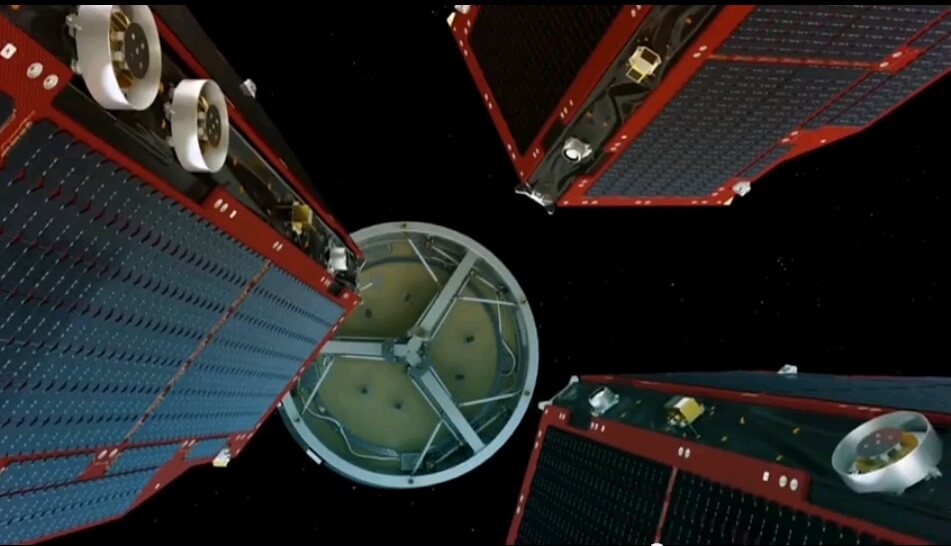
The European Space Agency's (ESA) groundbreaking Prova-3 mission has successfully begun its formation flight phase, with two satellites now maintaining a precise 150-metre separation in orbit. This precision will enable the creation of artificial solar eclipses, providing unprecedented views of the Sun's corona. Credit: ESA-P. Carril

The European Space Agency's Prova-3 probes have separated from each other to continue their historic mission

For the first time in history: Two probes will maintain a distance of 150 meters in orbit, creating artificial solar eclipses and enabling groundbreaking exploration of the solar corona
Paved surfaces around a lunar base. An artist's perception. Courtesy of the European Space Agency

How to pave roads on the moon

With the development of civilization comes roads, and this will be especially true on the moon. To do this, the dust must be kept away. In the Apollo era, dust blocked equipment and worn space suits.
Illustration courtesy of Dassault Systèmes

The European Space Agency and Dassault Systèmes will support startups in the new space field

Startups in Europe will be able to benefit from access to Dassault Systèmes' 3DEXPERIENCE platform, from the mentoring program of the 3DEXPERIENCE Lab innovation lab, and from networking assistance
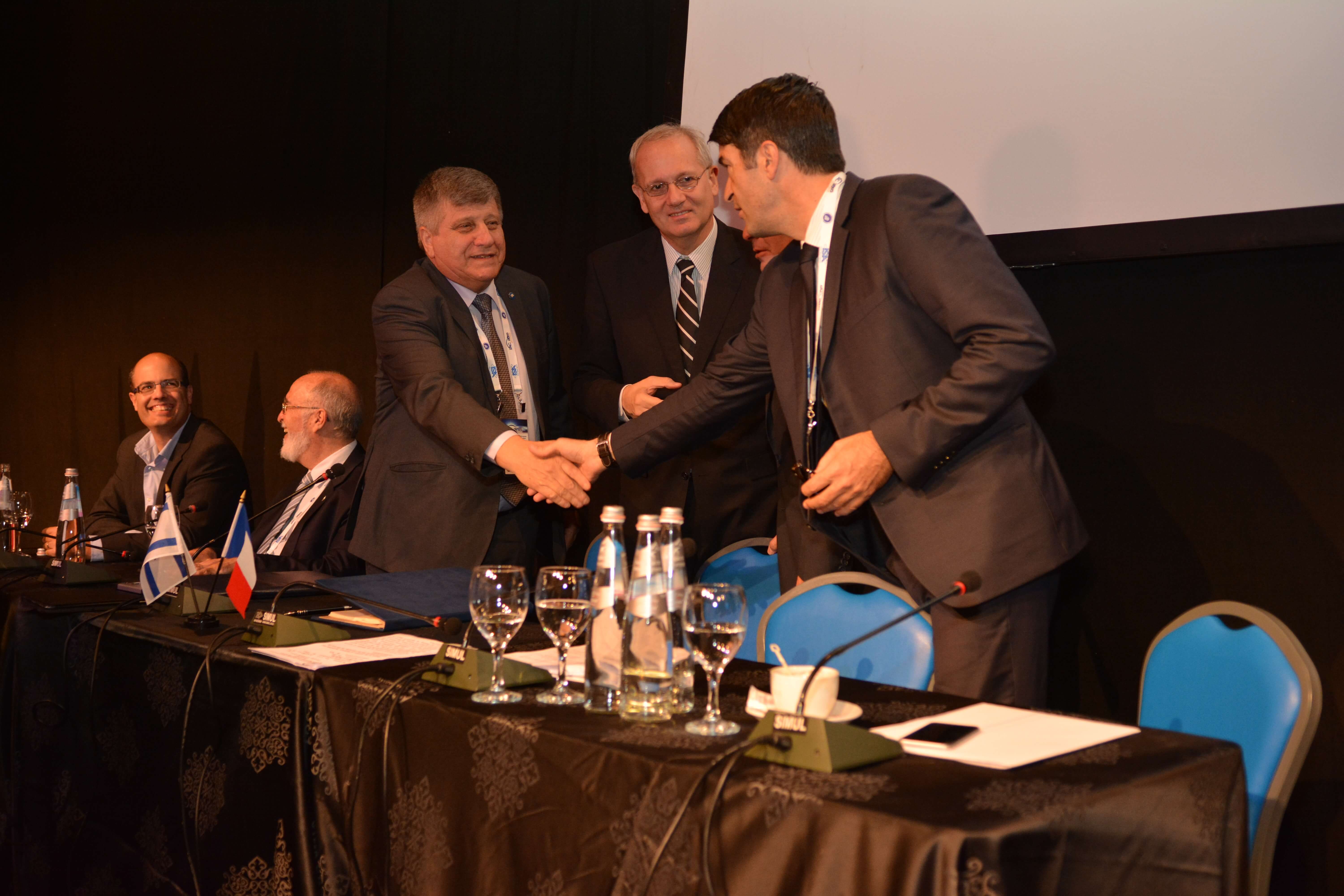
The President of the Italian Space Agency, Prof. Roberto Bettison, in a speech at the gala evening for the opening of the 13th Ilan Ramon Space Week, January 2018. Photo: Avi Blizovsky

The transformation of the Italian space agency

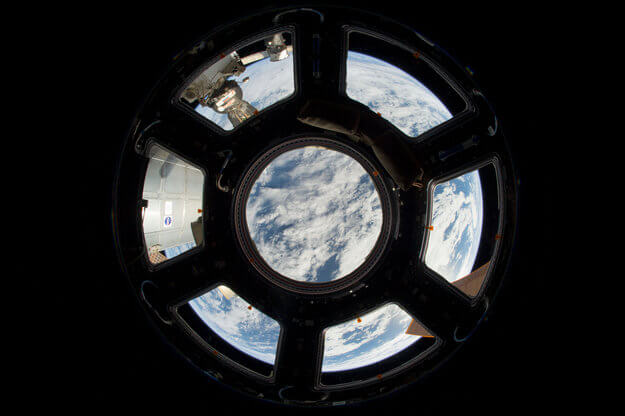
Photo taken from the Coppola module of the International Space Station by Luca Parmisano, 35/6 crew member

A window to the world

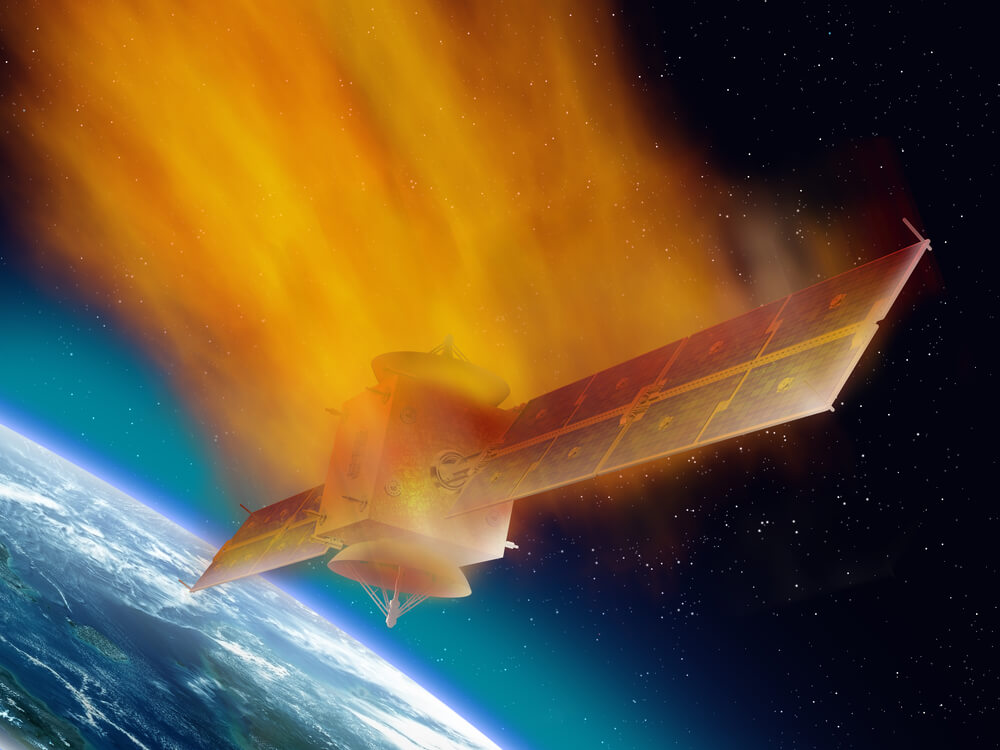
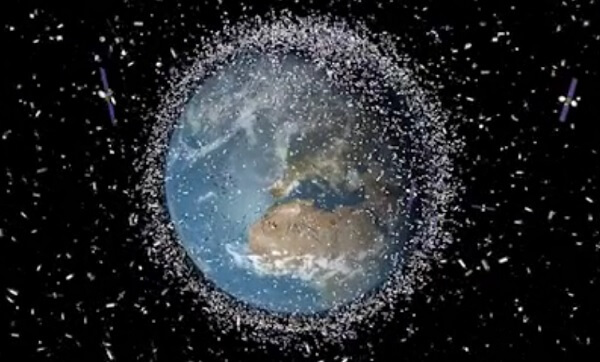
Satellites fly at a density that can cause collisions. Illustration: European Space Agency (ESA)

European Space Agency: clean up space, urgent!

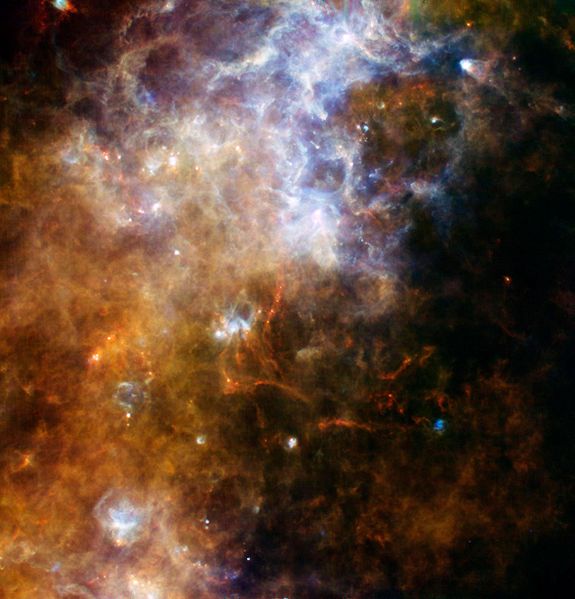
Image of interstellar dust from the Herschel Space Telescope

Saying goodbye to the "Herschel" telescope

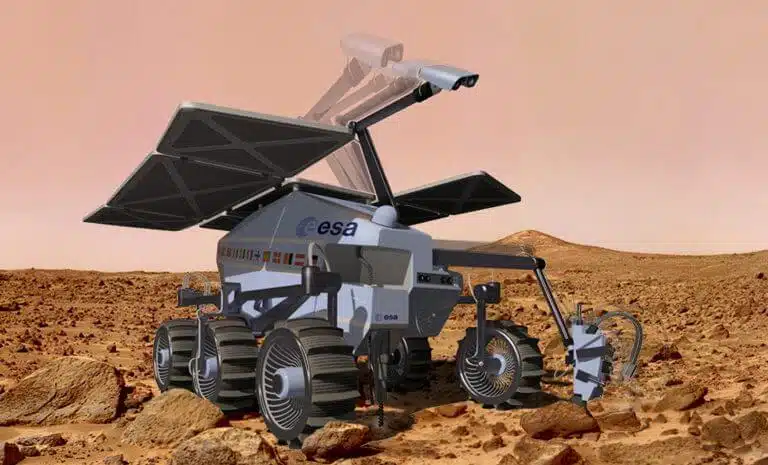
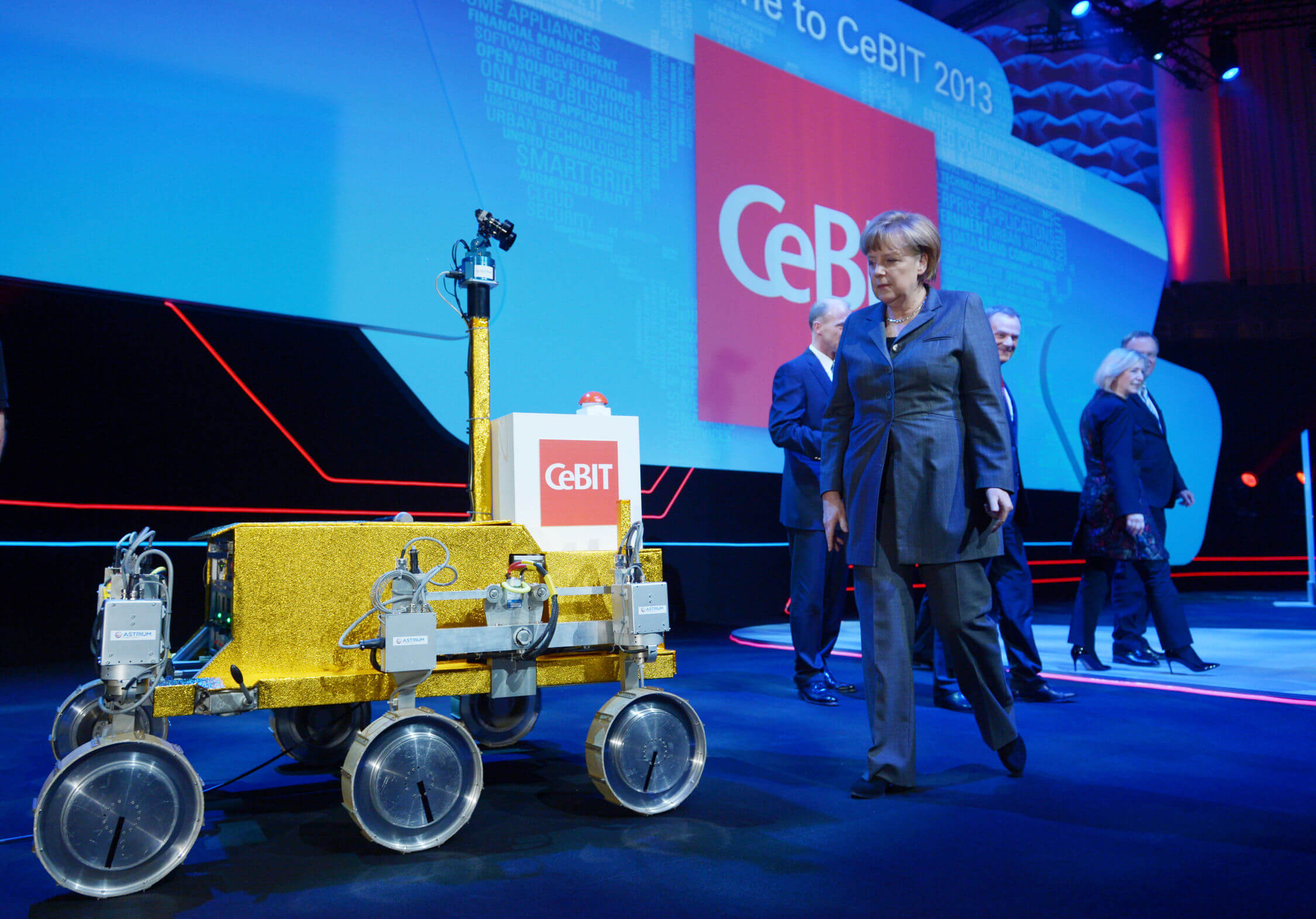
German Chancellor Angela Merkel next to the Brigitte mars rover model chosen by EADS to build for the European Space Agency at the opening of the Svit 2013 exhibition

Savit 2013: high-tech spacecraft with 30-year-old chips

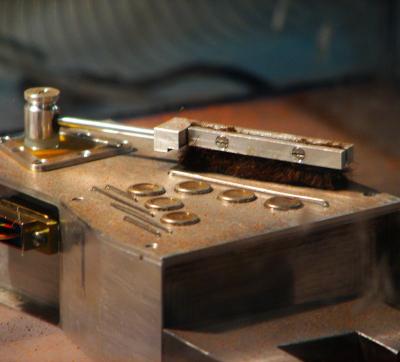
A light device that will work similar to the wipers we know from cars, to remove Martian dust from the sensors of the spacecrafts that patrol it Credit: UC3M

run and direct (wipers) on Mars

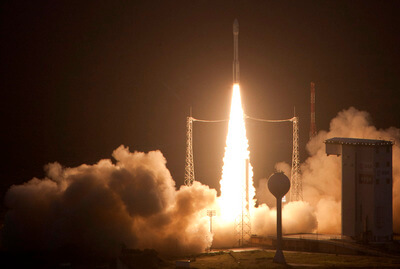
The first launch from Europe's new spaceport from French Guiana on October 21, 2011. Photo: Thilo Kranz, DLR

The historic launch of the "Soyuz" from South America

Cosmic scene with DNA, stars, solvents and atomic circles in oral flow.

The next big mission: to Jupiter and its moons

Cosmic scene with DNA, stars, solvents and atomic circles in oral flow.

Europe will soon launch satellites to monitor climate change

Cosmic scene with DNA, stars, solvents and atomic circles in oral flow.

A busy year is expected for Europe in space

Stamp depicting Jules Verne's book "To the Moon". Illustration Solodov Alexey / Shutterstock.com

From science fiction to real science

Cosmic scene with DNA, stars, solvents and atomic circles in oral flow.

The exploration of the moon - what was and where we stand now

Cosmic scene with DNA, stars, solvents and atomic circles in oral flow.

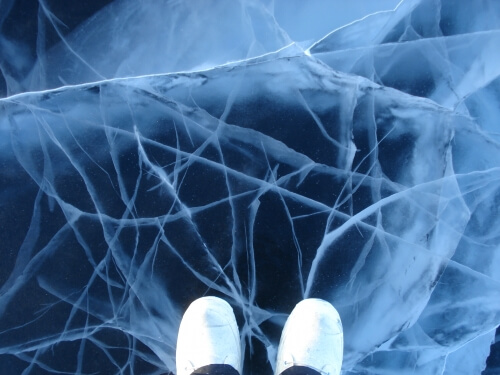
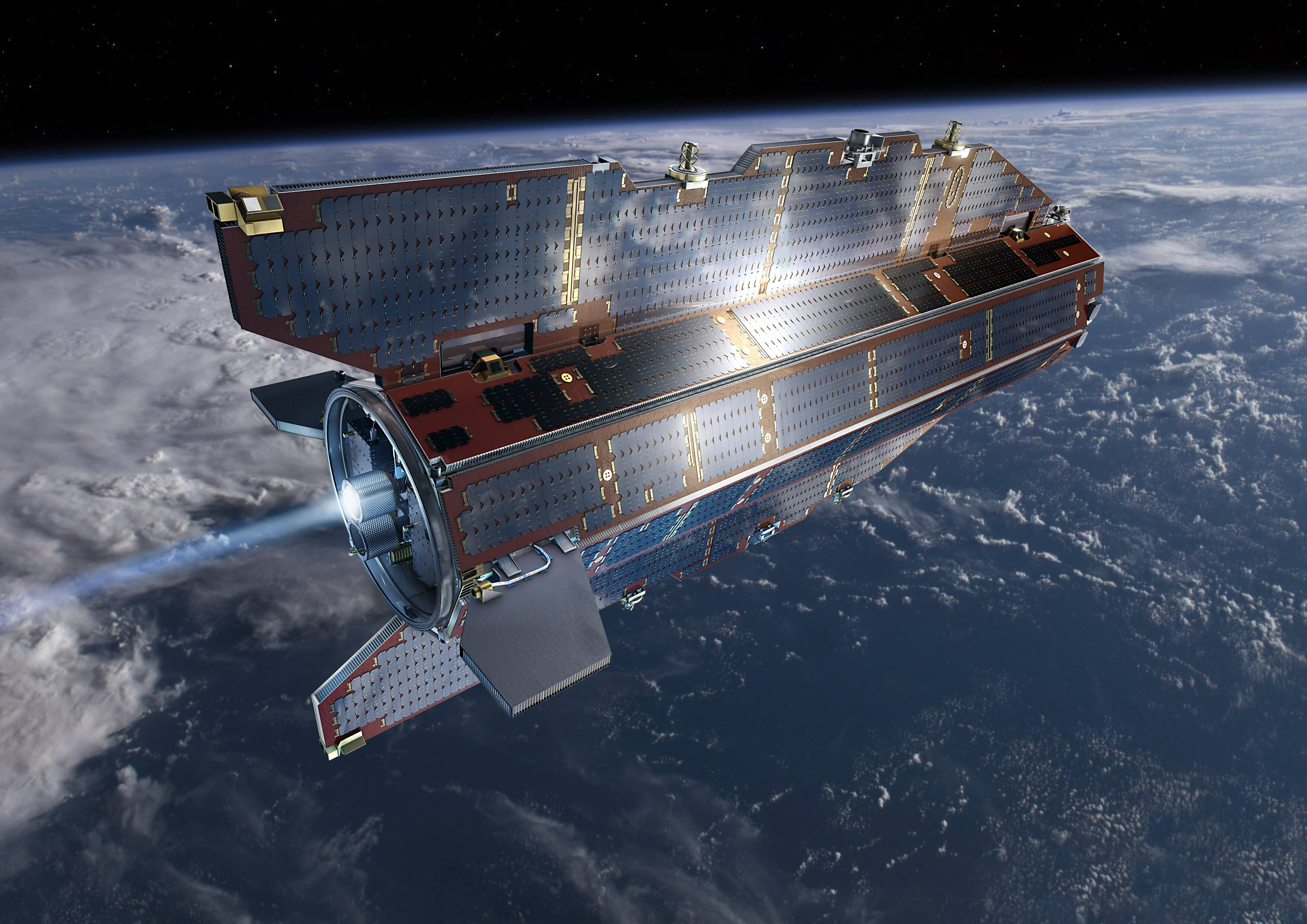
Goss - a mission to study the gravity of a ball in Israel

Cosmic scene with DNA, stars, solvents and atomic circles in oral flow.

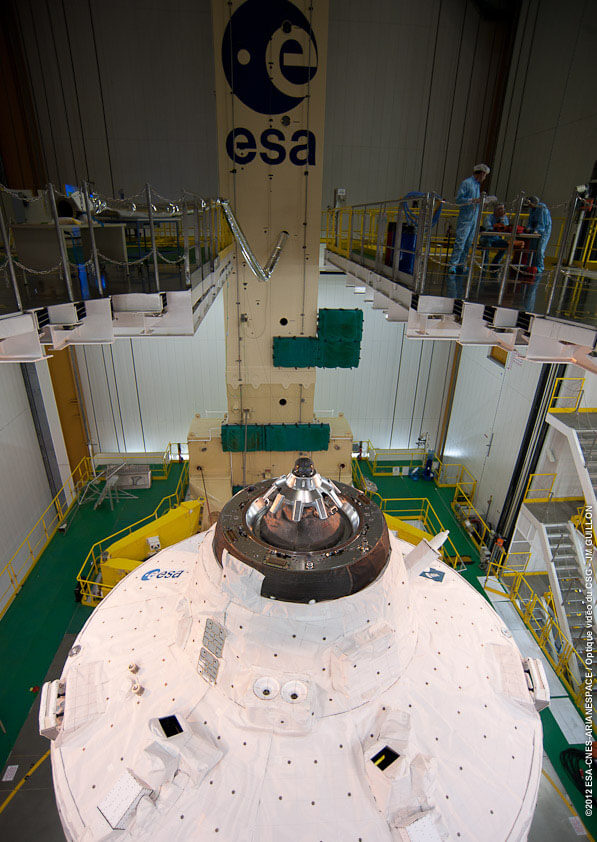
The European space truck Jules Verne is ready for launch

Cosmic scene with DNA, stars, solvents and atomic circles in oral flow.

Are there animals that can live in space?

Cosmic scene with DNA, stars, solvents and atomic circles in oral flow.

India will build satellites for Astrium

Cosmic scene with DNA, stars, solvents and atomic circles in oral flow.

With Jules Verne - into space!