Meteorites and comets

The orbit of Comet 3I/ATLAS in the solar system. NASA illustration

Interstellar comet 3I/ATLAS crossed the orbit of Mars this week – a rare window for cosmic research

NASA and ESA spacecraft are taking advantage of the proximity to Mars to study the comet's chemical composition; perihelion is expected on October 30 and will lead to a peak in activity
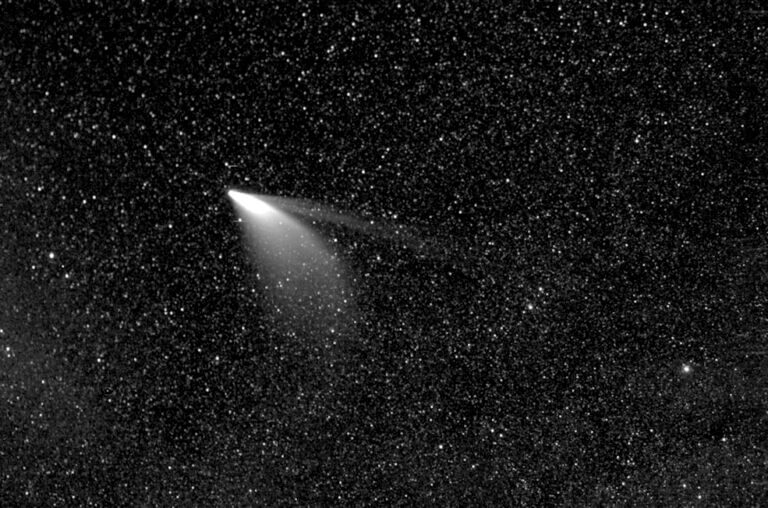
The growing tail of 3I/Atlas. (International Gemini Observatory/NOIRLab/NSF/AURA/Shadow the Scientist)

What does the interstellar comet 3I/ATLAS teach us about other solar systems?

Researchers have revealed photographs of the interstellar visitor taken about two months before the comet was identified as an interstellar visitor and discovered that it was already active at a great distance from the Sun.
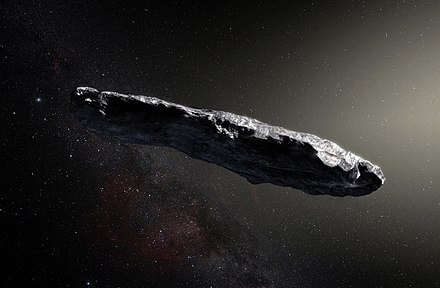
Astronomers have identified 3I/ATLAS, a rare interstellar visitor that may hold secrets from the galaxy's distant past. Its unusual speed, size, and possible icy composition make it an enticing target for observations with space telescopes in the near future. Credit: NASA/JPL-Caltech.

The visitor from outside the solar system is almost as old as the galaxy itself

An international group of astronomers reported the discovery of the third confirmed interstellar object to enter our solar system on July 3. Now they continue to monitor the approaching comet
A carbonaceous meteorite is about to crash into Earth. Illustration: depositphotos.com

Scientists may have solved a space rock mystery that could change our understanding of the beginnings of life

An international study has found that carbon-rich meteorites are rare on Earth because they break up in space or burn up in the atmosphere, which could change our understanding of the origin of life.
Discovered in early July, Comet 3I/ATLAS is only the third interstellar object to pass through the solar system. Scientists are tracking its motion and believe it is a rare opportunity to learn about planetary conditions in distant solar systems. (Image credit: NASA/JPL-Caltech)

The Solar System as a Crossroads – A Third Comet from Another Solar System Discovered

Comet 3I/ATLAS, discovered in early July, is only the third interstellar object to pass through the solar system. Scientists are tracking its motion and believe it is a rare opportunity to learn about planetary conditions in distant solar systems.
In the Bolides. Illustration: depositphotos.com

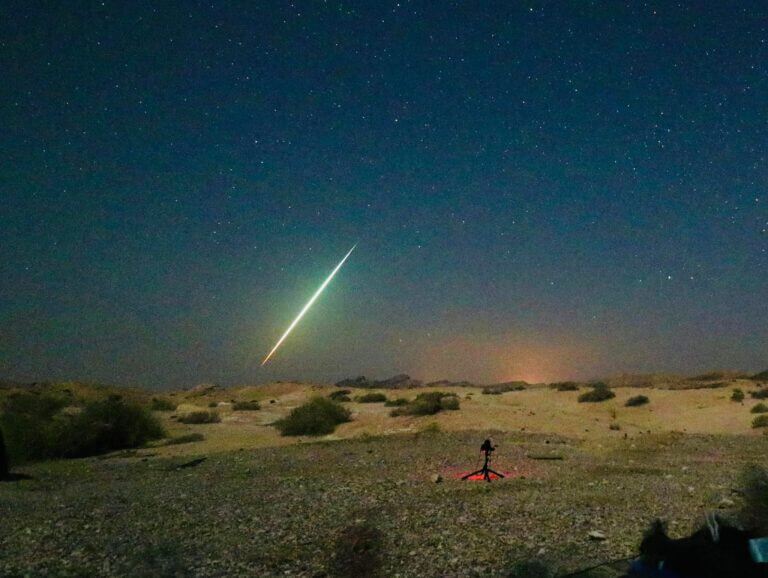
Supersonic booms in the sky: How scientists are using bolides to improve planetary defense

Researchers show that bolides – meteoroids that explode in the atmosphere – create sound waves that can be analyzed for warning purposes about space debris and other astronomical threats
Comet C/2023 A3 (Tsuchinshan-ATLAS) in the skies of Israel. Photography: Ilan Shapira

There are only a few days left to watch the Zuchinshan-Atlas comet in the evening sky (streaming recording)

The comet discovered at the same time by two automatic stargazers and named after both is extremely bright. It will return to Earth's proximity only in 80 thousand years
The Perseid rain. Illustration: depositphotos.com

The Perseid Shower and the Moon's conjunctions with Saturn and separately with Mars and Jupiter: August 2024 Sky Viewing Tips from NASA

For the advanced, you can watch the Lagoon Nebula - a star formation area in the Sagittarius constellation - throughout the month
NASA image showing the comet's predicted path in late January and early February. Credit: NASA

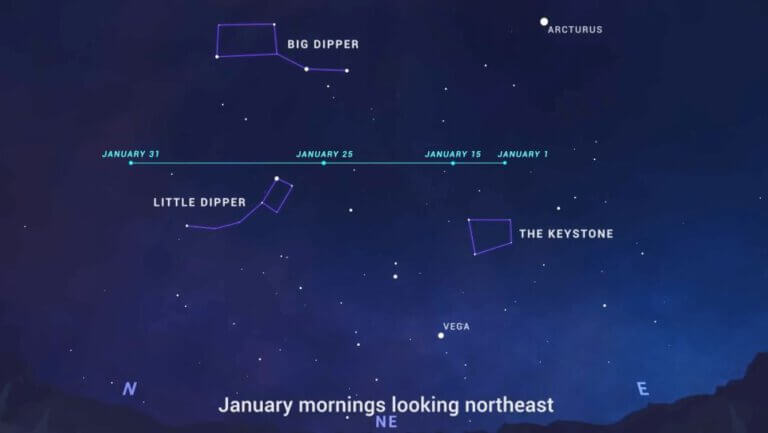
The Green Comet C/2022 E3: How to watch the rare visitor

Green Comet C/2022 E3 (ZTF) will approach Earth on February 1st and, although pale in the northern sky, will be seen near the carts/bears before sailing into deep space for millions of years if at all
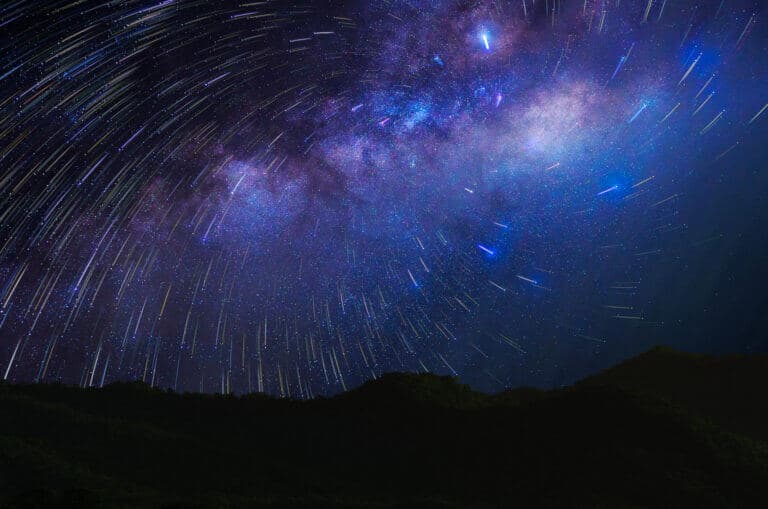
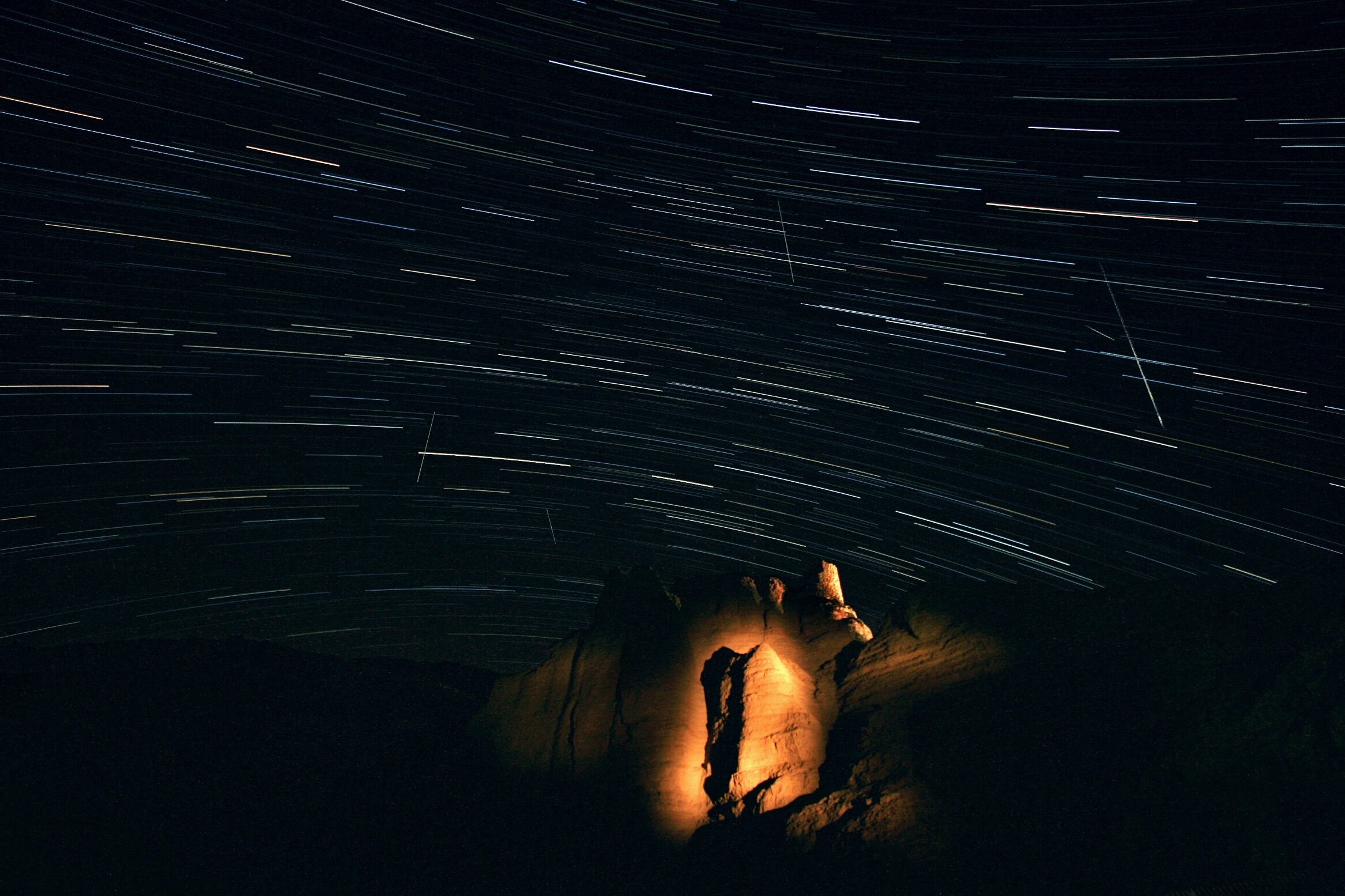
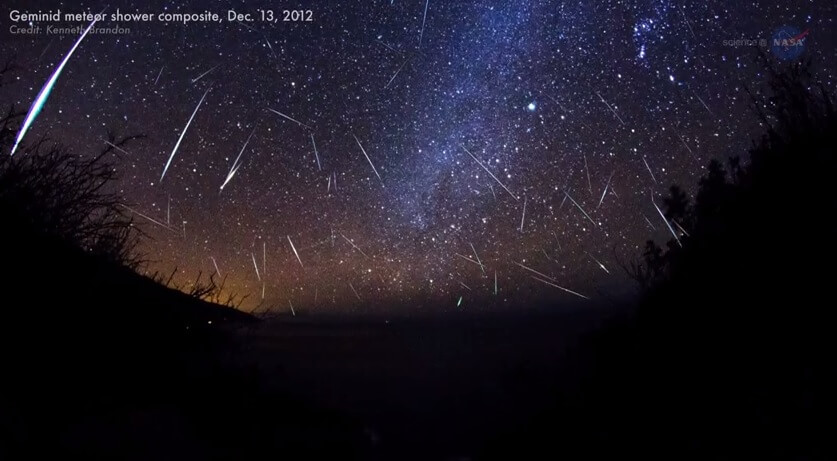
A meteor shower as photographed with a long exposure (the long lines are the paths of the stars throughout the time of the photograph, the lines crossing them are meteors. Illustration: depositphotos.com

Tonight is the peak of the Perseid rain - a spectacular show is expected

What is special this year is that the moon is almost not in the sky, three days before the moon reaches its first quarter and sets well before midnight, local time, so it will be possible to see many meteors.
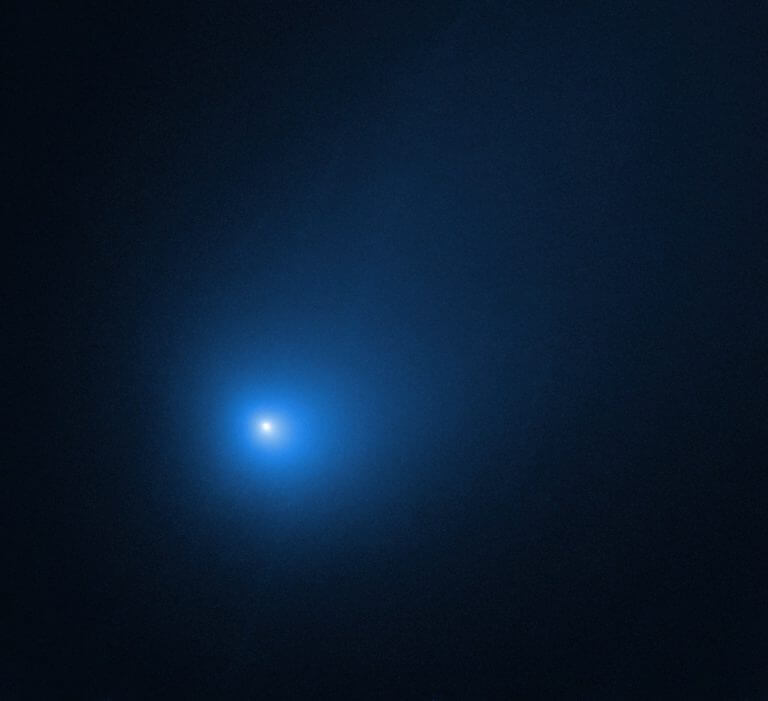
Comet Borisov, at its closest point to the Sun, December 2019. Photo: Hubble Space Telescope

The interstellar comet Borisov passed the Sun and accelerated

comet. Illustration: shutterstock

My life as a comet hunter

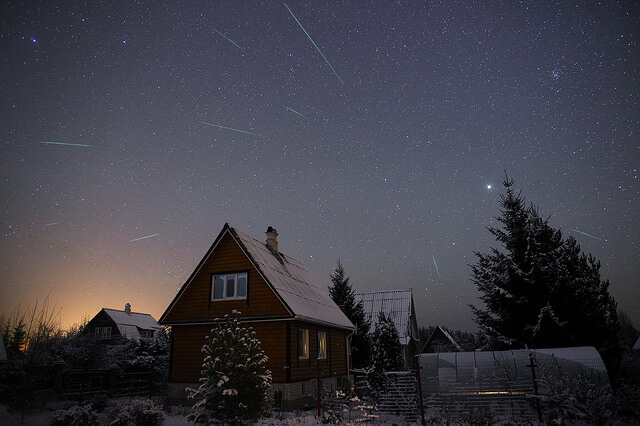
A three and a half hour observation of the 2014 Leonid meteor shower. Photo: Mikhail Reva (REVA), Flickr

hot or cold? Some questions about meteors and meteorites

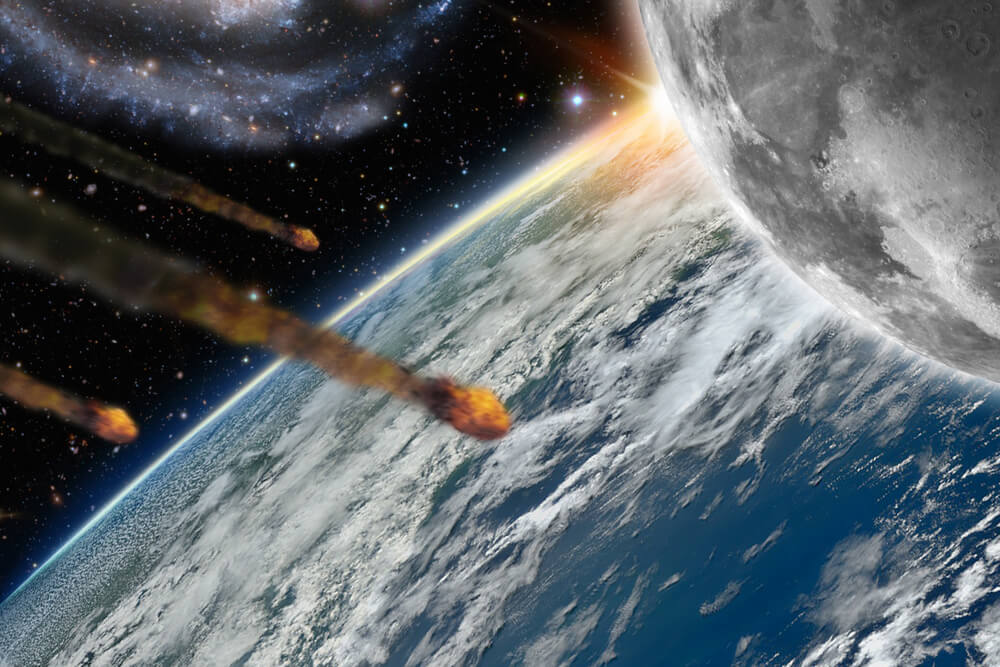
Asteroid attack on Earth and Moon. Illustration: shutterstock

Oceans from the sky / David Jewitt and Edward D. Young

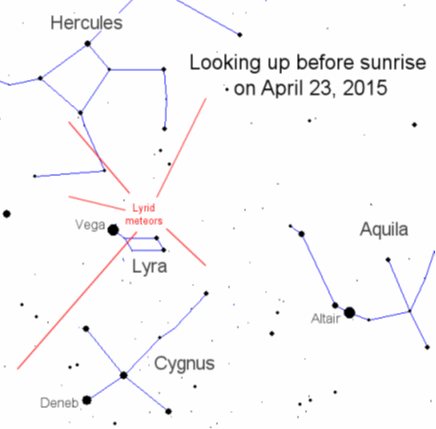
The sky map shows the radiant of the Lyrid meteor at dawn on April 23, 2015

Tonight (22/4) is the peak of the meteor shower for the fairs

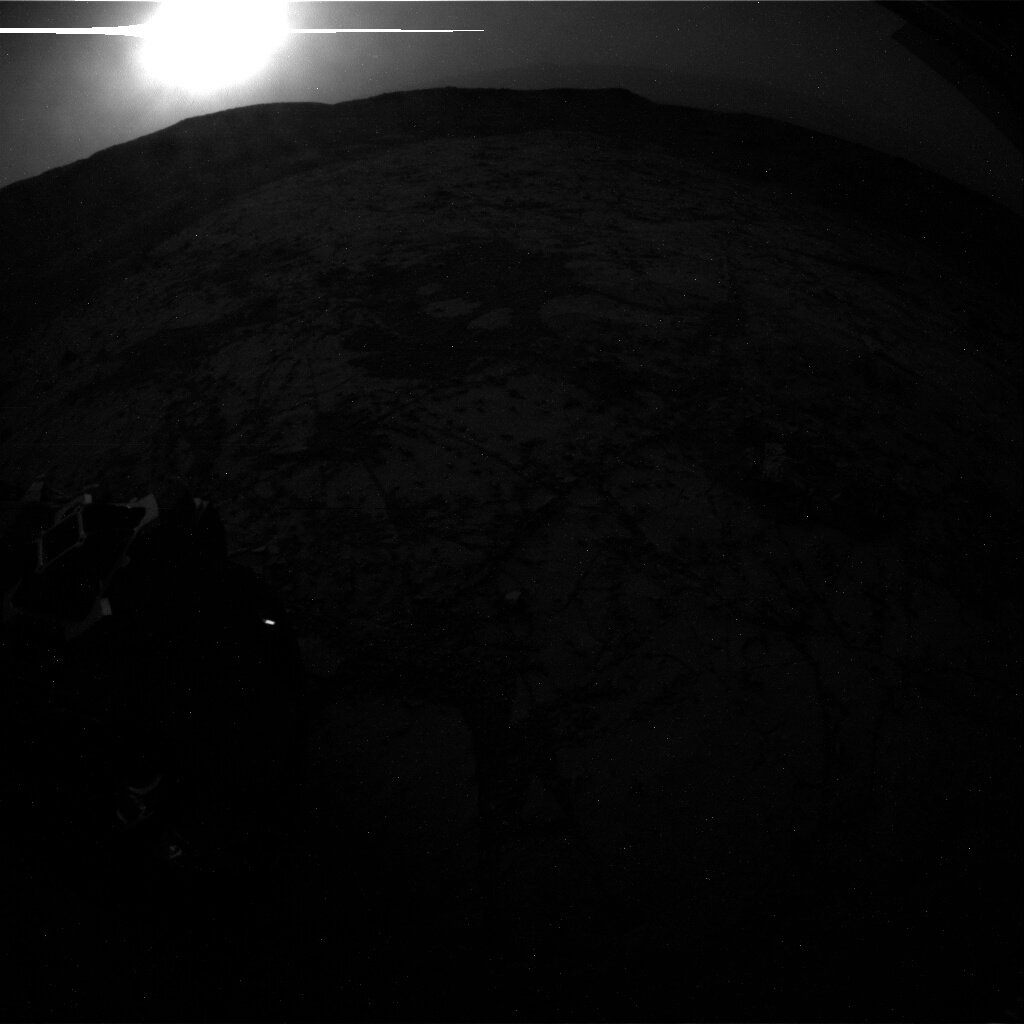
Comet Siding Spring in the sky of Mars. A raw (night) image taken by NASA's Curiosity robotic vehicle on the surface of Mars. From a NASA tweet about an hour after the comet's approach to Mars, 19/10/2014

The first raw image of Comet Siding Spring from Mars

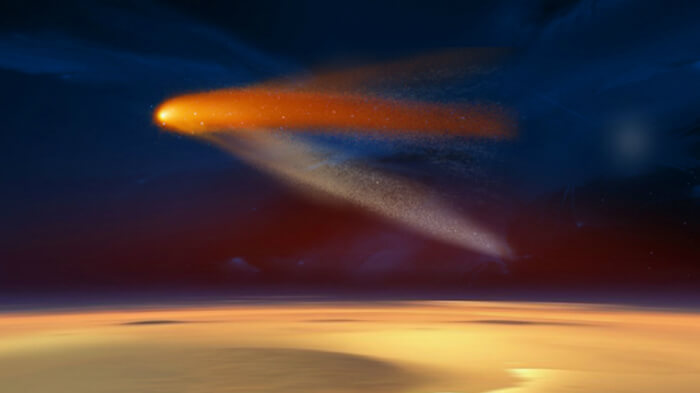
Illustration of the passage of the Siding Spring comet near Mars. Source: NASA

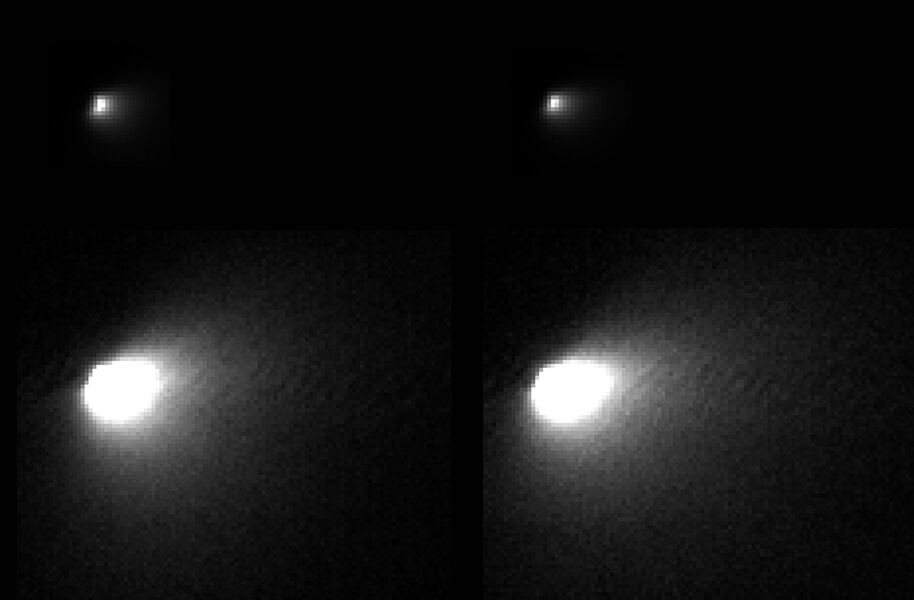
A ball of light in the sky of Mars

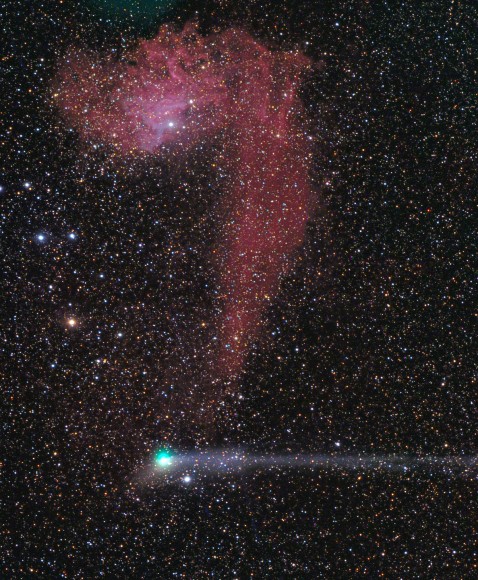
Comet Jacques and the Agalon Group Nebula IC 405, also known as the Burning Star Nebula, aligned and formed a temporary question mark in the sky on the morning of July 26. Photo: Rolando Lagostri

Comet Jacques created a question mark in the sky

Meteors. Photo: NASA website

NASA: New meteor shower expected on May 24

A living creature discovered at a height of 27 kilometers in the atmosphere. Did it come from space? Photo: University of Sheffield

Living creatures from space or just drifting?

Tag of an airborne mission to track the Dragonids in 2011

A ton of material was added to the Earth in one meteorite meter

Beads found in Egypt, made from a meteorite rich in iron. Photo: The Open University of Great Britain

The accessories of ancient Egypt - meteorites