
Hayadan > Space and astronomy > astronomy > Deficiencies
Deficiencies

- Avi Blizovsky
- No comments
In a total lunar eclipse, the Earth blocks the sunlight from the Moon, and the Moon blocks the Sun. A guide to the types of lunar eclipses, why the Moon turns red, what eclipses have taught science, and when lunar eclipses will be visible from Israel.

- Avi Blizovsky
- One response
A solar eclipse occurs when the moon passes directly between the sun and the Earth, casting its shadow on us. A guide to the types of eclipses, why they are so rare in one place, what they have taught science, how

- Avi Blizovsky
- No comments
During the total solar eclipse of August 12, 2026, an unusual golden corona was observed in Spain. The low sun and smoke from forest fires filtered the blue light, while a pink hydrogen bulge stood out at the edge of the moon.
- Avi Blizovsky
- One response
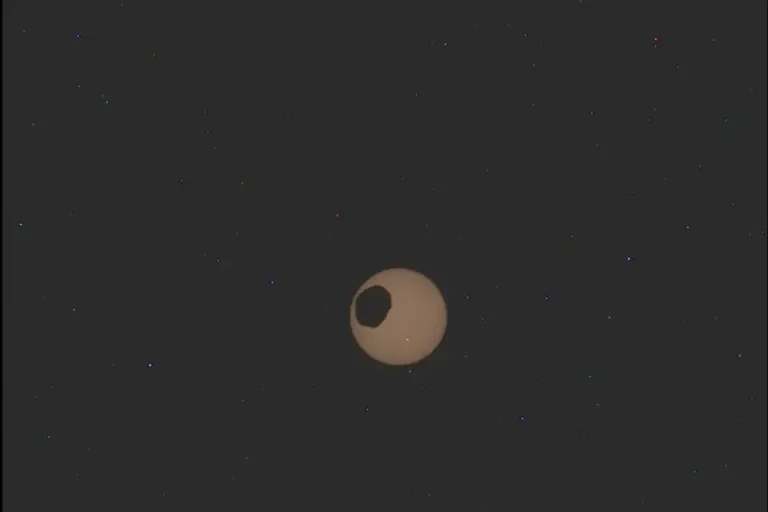
A day after the total solar eclipse observed from Earth, NASA's Mastcam-Z rover pointed its camera at the sun and captured the jagged silhouette of the moon Phobos. Such a transit provides not only

- Avi Blizovsky
- No comments
On August 12, 2026, the moon's shadow will pass over Greenland, western Iceland, and northern Spain. The total eclipse will last a maximum of two minutes and 18 seconds, and most of Europe will see only a partial eclipse.
- Avi Blizovsky
- 4 comments
On Sunday evening, a total lunar eclipse will occur that will last almost six hours in all its phases, with a red-copper peak at 21:12 p.m.; this is a safe viewing experience from all over the country, a prelude to the rare solar eclipse that will occur

- Avi Blizovsky
- One response
The accessibility of science is very important to Prof. Wasserman, following his teacher, and he is happy for the opportunity to bring many young people, including children, to science on this occasion of a heavenly event that receives public interest
- Avi Blizovsky
- No comments
Experiences of the April 8 solar eclipse from the solar eclipse at Baylor University campus in Waco Texas, where the eclipse lasted 4 minutes and 13 seconds, almost the maximum possible

- Avi Blizovsky
- One response
During the three-hour journey of the solar eclipse of April 8, 2024, NASA observed and transmitted direct images of the eclipse

- Hayadan Service
- 8 comments
Anticipation for the total solar eclipse is building, promising a wider path, longer totality and increased solar activity compared to the previous eclipse in 2017, along with expanded scientific research efforts
- Avi Blizovsky
- One response
Prof. Caspi, from the University of Colorado presents the results of the experiments in the solar eclipse of 2017, on the multi-channel camera that will fly on a NASA plane
- Avi Blizovsky
- 2 comments
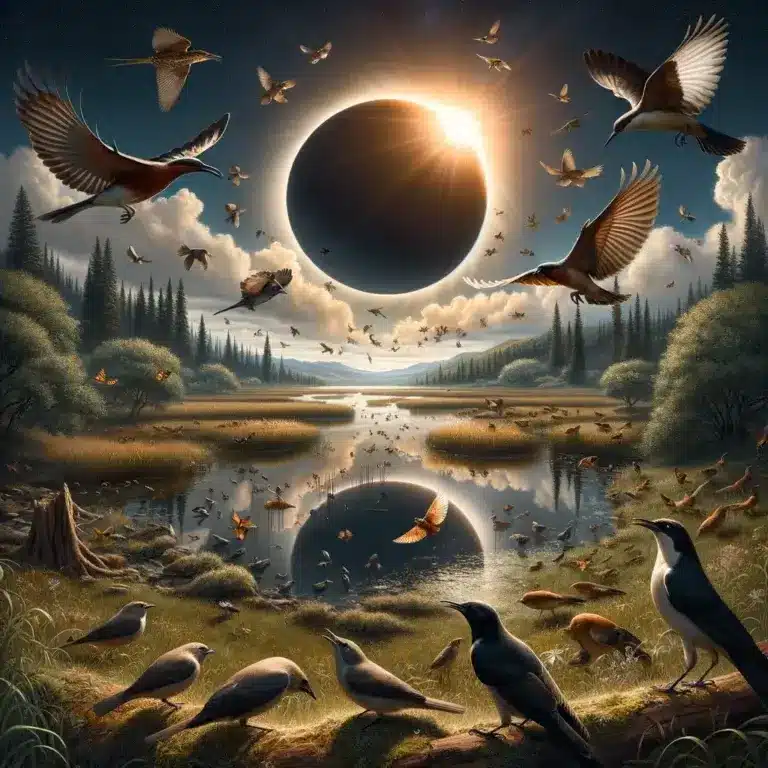
Unlike the 2017 eclipse that occurred in August, this eclipse occurs when the spring migration is already underway. And since most birds fly at night, a solar eclipse may affect them significantly

- Avi Blizovsky
- No comments
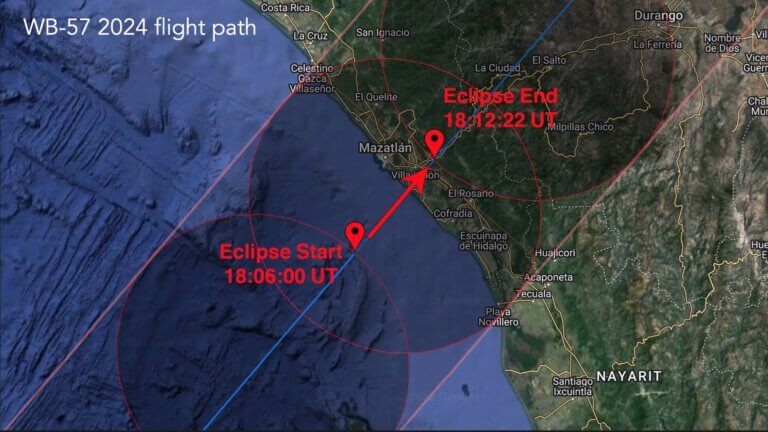
Using the high-altitude research plane WB-57, in one of the projects they will photograph the eclipse from a height of 15 km from the ground. The team hopes that taking the pictures above most of the atmosphere of the country will allow to see new details of

- Avi Blizovsky
- No comments
On October 25, 2022, the European Space Agency's Probe-2 spacecraft recorded two partial solar eclipses. This picture depicts one of them. See the video below in a higher resolution. Photo: European Space Agency

- Avi Blizovsky
- No comments

- Israel Space Agency in the Ministry of Science
- No comments


- Avi Blizovsky
- 7 comments

- Ministry of Science
- 2 comments

- Avi Blizovsky
- 18 comments

- Science site The Conversation
- No comments
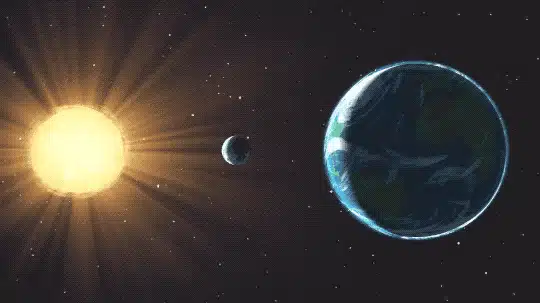
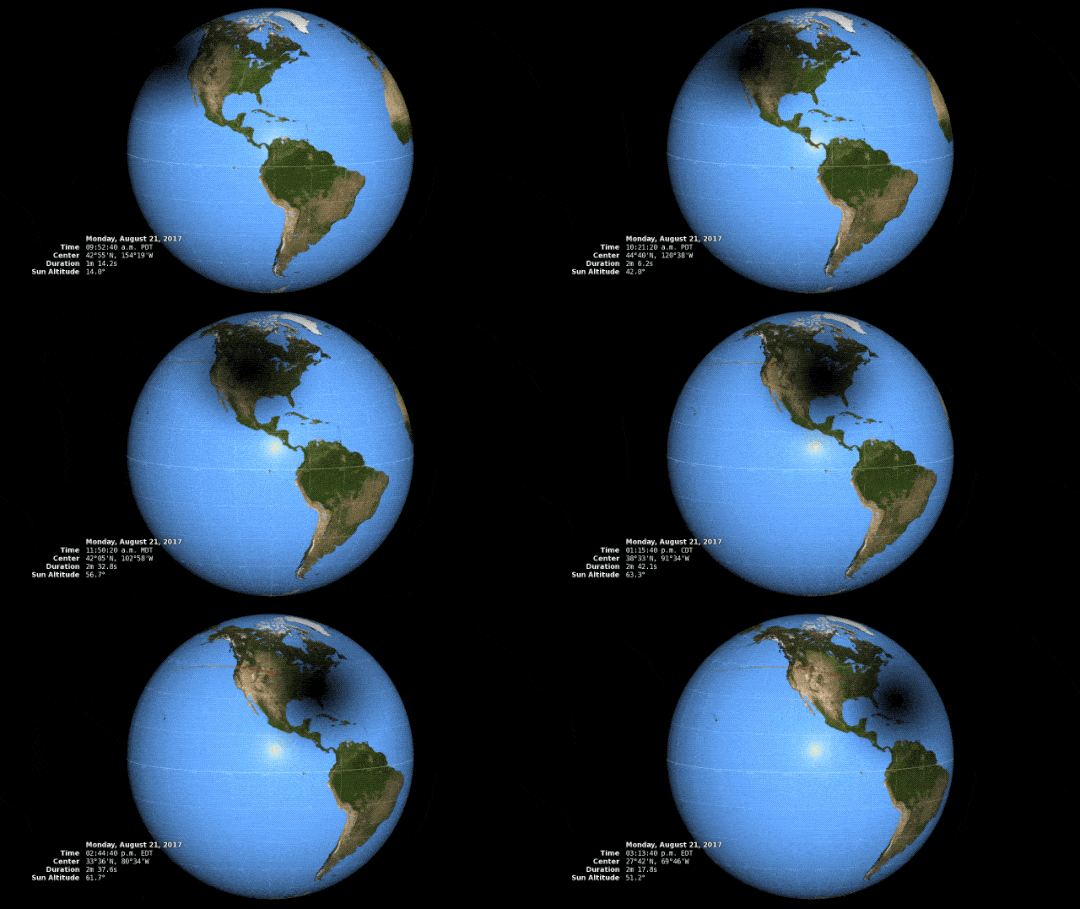
A total solar eclipse occurred on August 21, 2017 across the United States. Shannon Schmoll, director of the Abrams Planetarium at Michigan State University, explains why and how solar eclipses occur, and what we can learn from them.
- Avi Blizovsky
- No comments

- Hayadan Service
- No comments

- Universe Today
- 2 comments

- Avi Blizovsky
- 6 comments
- Avi Blizovsky
- One response

- Avi Blizovsky
- No comments


- Ministry of Science
- 8 comments

- Universe Today
- 3 comments

- Avi Blizovsky
- 3 comments

- Itai Nebo, editor of the Davidson Institute website
- No comments

- Avi Blizovsky
- 5 comments

- Avi Blizovsky
- 7 comments


- Avi Blizovsky
- 2 comments

- Galileo - The Science Magazine
- One response

- Avi Blizovsky
- 5 comments

- Avi Blizovsky
- 4 comments

- Avi Blizovsky
- No comments

- Avi Blizovsky
- 7 comments

- Avi Blizovsky
- 3 comments

- Avi Blizovsky
- 5 comments
- Avi Blizovsky
- 6 comments


- Avi Blizovsky
- 18 comments

- Avi Blizovsky
- 9 comments