Medical ethics

Fake news has also reached scientific journals. Illustration: depositphotos.com

New study warns: Fake science is growing faster than legitimate research

Northwestern researchers have uncovered international networks of “article mills,” brokers, and hijacked journals—producing organized scientific fraud on an industrial scale.
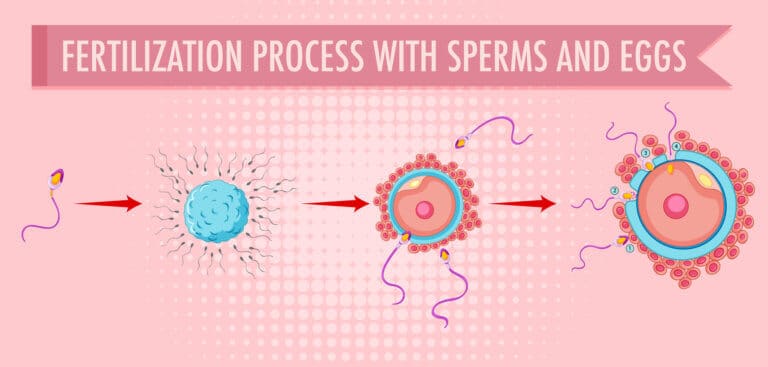
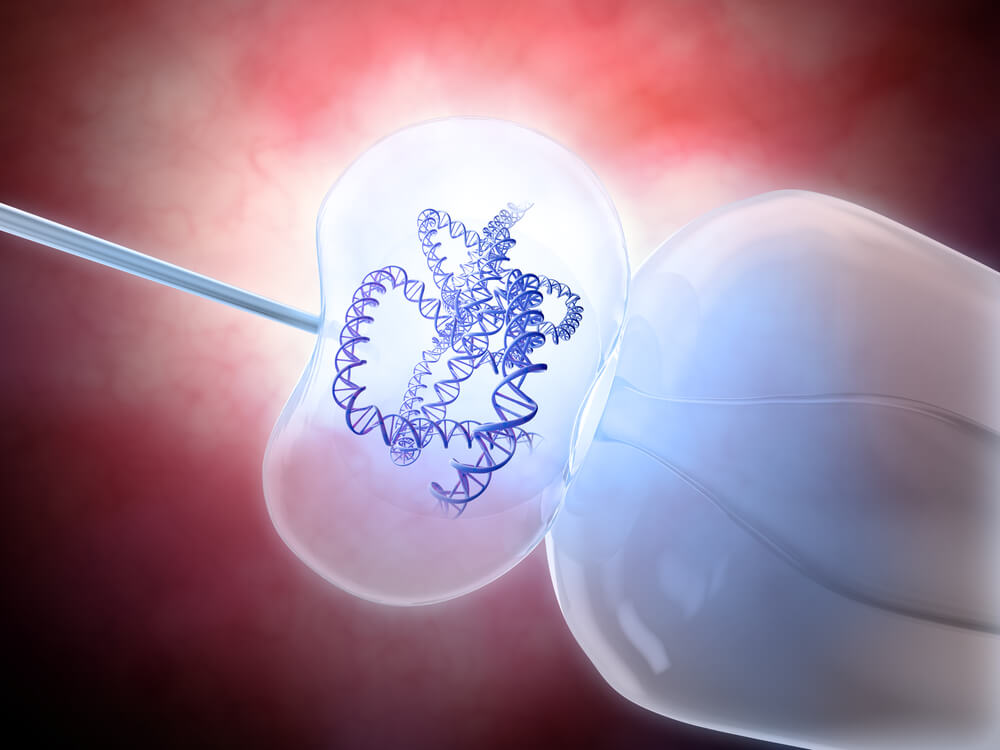
Fertilization process illustration: depositphotos.com

Eggs from men and sperm cells from women: How stem cells may change the way we reproduce

In theory, a male skin cell can be turned into an egg and a female skin cell into a sperm cell. There is also the possibility of a child genetically connected to several parents, or only to one parent
Colon cancer treatment. Image: depositphotos.com

Meeting with a patient - as a warning bell

Doctors who see a bowel cancer patient tend to refer more patients to tests for early detection. Is this a correct response?
Protected medical staff members treat corona patients at the Kaplan Medical Center in Rehovot on September 16, 2020. Photo: shutterstock

When the hospitals are full - the death rate from covid-19 jumps

Two new studies - one from Britain and the other from Israel - have recently clarified the deadly meaning of the same burden for patients, especially Covid-19 patients
Pfizer's vaccine. Photo: depositphotos.com

About the Helsinki Committee - and the dance about the two weddings

In recent days there has been a big uproar regarding the Helsinki Committee, what it determined or did not determine, and what it means for the vaccine. So let's break down the issue, to understand what the Ministry of Health really did wrong, and what
Research Professor Aharon Chachanover. Photo: Technion spokespeople

Nobel Prize winner Prof. Chechenover on science and ethics in the times of Corona: new-old challenges

Prof. Aharon Chachanover lectured on the burning issue, mainly he warns about the danger of resistance to vaccines (video)
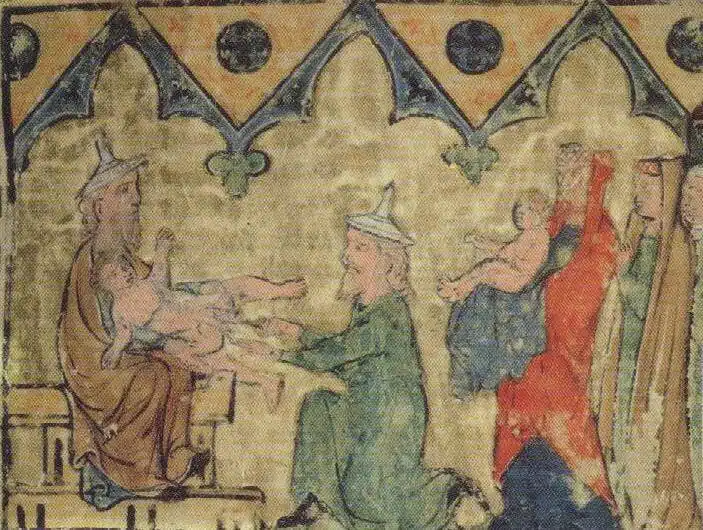
Milat Yitzchak by Avraham, Sefer Torah from Regensburg, year 1300 or so

Circumcision: the unnecessary operation that will not stop

Medical studies. Illustration from jumpstory

How the coronavirus is changing science

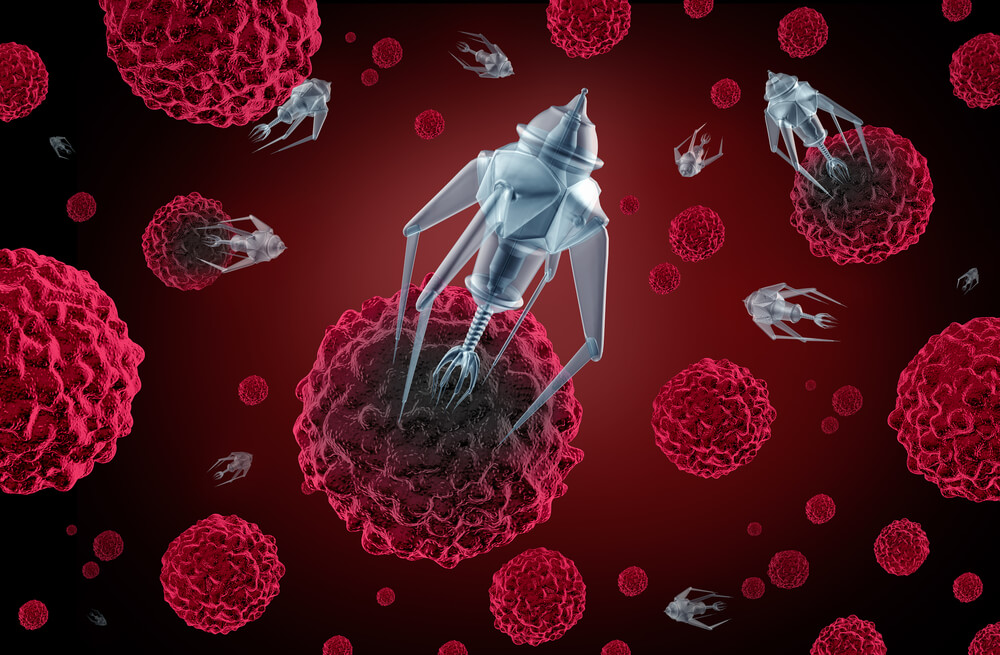
Nano robots cruise the bloodstream. Photo: shutterstock

Not a bot, not an animal: Scientists create the first-ever programmable living creature

robotic. Illustration: shutterstock

The trial of the century - Sofia 9880

human empowerment. Illustration: shutterstock

The next step in human evolution - Part I: Where is the technology?

Illustration: Ars Electronica / ra2 studio / Flickr. Used under a Creative Commons (CC-BY-NC-SA-2.0) license

The right to cognitive freedom

The human brain as a chip. Illustration: shutterstock

Can we upload a brain to a computer - and should we even try?

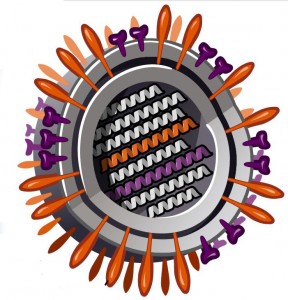
Credit: Wikipedia, adapted from an illustration by the US National Institute of Allergy and Infectious Diseases.

Reflections - scientists and research under test / Bracha Reger

Garden healing. Illustration: shutterstock

The second act of genetic healing / Ricky Lewis

Ethics in science. Illustration: shutterstock

Reflections - the researcher's commitment to the ethics of science / Bracha Reger

Distribution of drugs in the body using nanoparticles. Image: University of Copenhagen

Medical ethics - are drug studies reliable? / Charles Zaif

Logo of the National Committee for Medical Ethics in the USA. From Wikipedia

Human experiments

A baby in an ultrasound image. From Wikipedia

Life after death

Siamese twins whose birth was preserved in the records of the city of Nuremberg, 1493. From Wikipedia

Between morality and medicine

A sign prohibiting entry to those with a pacemaker

Are we becoming "post-human"?

Prof. Bracha Reger, and the Minister Prof. Avishai Braverman at an Ort event

Science and law in favor of the desire to be a parent

Bacterial gene therapy using a laser. Photo: MIT University

The first artificial bacteria - and all the others that will follow

The m-mycoides bacterium is synthesized from Craig Venter's laboratory. Photo: University of California at San Diego

Synthetic Biology: Venter and the Synthetic Genome 2007 – 2010

The synthetic bacteria M. mycoides JCVI-syn1 of the Craig Venter Institute. Photo by electron microscope University of California San Diego

Scientists have developed a synthetic magnum bacterial cell

Simon Singh. From Wikipedia under the CC license

Simon Singh - Case closed

Cosmic scene with DNA, stars, solvents and atomic circles in oral flow.

LSD - the beginning

Cosmic scene with DNA, stars, solvents and atomic circles in oral flow.

Is it worth getting nutritional advice based on DNA?