environmental issues

The flag of Vanuatu and the human diversity in the island nation. Illustration: depositphotos.com

The Pacific Islander Students Who Made the Climate Crisis a Global Legal Issue

An initiative that began in 2019 among 27 law students in Vanuatu led to a historic opinion from the International Court of Justice. Now the Pacific island nations are trying to turn the ruling into a roadmap at the UN: Less
Cruise ship. Such ships combine accommodations, restaurants, water systems, and crowded public spaces – conditions that can facilitate the spread of disease. Illustration: depositphotos.com

Cruise ships as a hotspot for outbreaks: What does the Hanta incident on the MV Hondius teach us?

The deaths of three passengers and the cluster of Hantavirus cases on the MV Hondius expedition ship illustrate anew why cruise ships are a particularly vulnerable environment for the spread of disease: crowding, shared spaces, water and air systems, and an elderly population
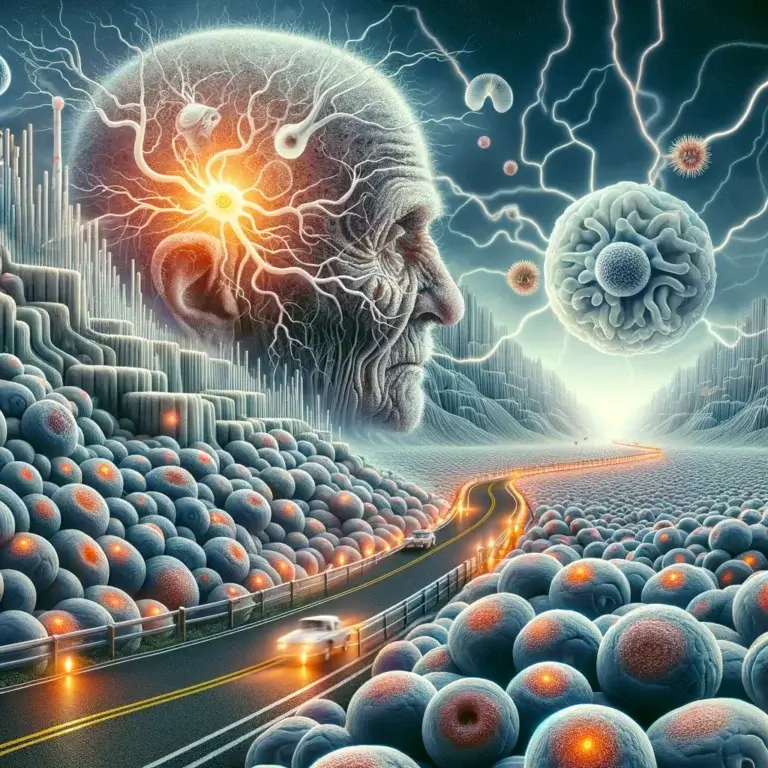
The effect of street lighting on wild rodents. Illustration: Avi Blizovsky via DALEE

Artificial night light disrupts the immune system of wild rodents

A study from Tel Aviv University found that artificial lighting at night, even at the intensity of street lighting, disrupts the activity patterns of the immune system in wild rodents and may increase the risk of mortality.
Climate crisis is intensifying, no government is doing anything serious to stop it. Illustration: depositphotos.com

Why is climate policy stalling despite broad public support?

An article in The Conversation argues that the gap between public support for reducing emissions and the continued use of fossil fuels stems from power structures, inequality, and perceptions that limit the sense of what is possible.
Cricket. Illustration: depositphotos.com

Light pollution disrupts crickets' circadian rhythms and threatens their reproduction

Further research on crickets reveals that light pollution throws them out of sync, impairs their reproductive ability, and threatens their continued existence.
Ballot boxes. Natural disasters and extreme events are increasingly disrupting elections around the world. Credit: The Commonwealth Secretariat / Flickr

Climate crisis also threatens democracy: Elections in more than 50 countries have been disrupted by natural disasters

A report by International IDEA found that at least 94 elections and referendums were disrupted between 2006 and 2025 due to floods, fires, heat waves and storms.
Ocean currents. Illustration: depositphotos.com

For the first time: Artificial intelligence maps ocean currents from high-resolution satellite images

The GOFLOW system, developed under the leadership of Tel Aviv University, allows for the identification of subtle flow movements in the ocean and may improve models of the climate crisis, storms, and heat and gas exchange between the sea and the atmosphere.
Four images illustrating the effects of the climate crisis in Europe: heat, retreating snow and glaciers, fires and abnormal sea temperatures. Credit: WMO / ECMWF / Copernicus Climate Change Service

Europe in 2025: Heat waves from the Mediterranean to the Arctic Circle, peak fires and retreat of snow and glaciers

The ECMWF and WMO European Climate Status Report found that 95% of Europe experienced above-average heat, 70% of rivers flowed below average, and more than 10,000 square kilometers burned.
Asian wildebeests in the Negev. Adding water points created new territorial opportunities for males and improved indicators related to the population's genetic diversity. Credit: Naama Shahar / Ben-Gurion University of the Negev

Research in the Negev: New water points improved the genetic diversity of wild animals

Researchers at Ben-Gurion University found that increasing the number of water sources from one to three increased the proportion of males participating in reproduction, offering a simple and non-invasive conservation tool.
Illegal animal trade increases the chance of diseases being transmitted from animals to humans. Illustration: depositphotos.com

Research in Science: Wildlife trade increases the risk of transmitting pathogens to humans over time

Analysis of 40 years of data shows that mammals traded on the global market share more pathogens with humans, and that each additional decade of trade adds, on average, one more shared pathogen
Climate crisis: Excess heat could erupt. Illustration: depositphotos.com

Report: Earth is out of balance, and heat trapped in the climate system has peaked

For the first time, the World Meteorological Organization has added the “Earth’s Energy Imbalance” index to its annual climate report — an index that illustrates how quickly the climate system is gaining heat.
Paul Ehrlich in 2010. From Wikimedia Commons

Paul Ehrlich, author of “The Population Bomb,” dies at 93

The Stanford University biologist and environmentalist was one of the most influential and controversial voices in environmental science: a leading scientist in the field of ecology, who warned about population pressure on natural systems many years before the climate crisis became a reality.
The increasing heat stress due to the climate crisis is particularly affecting older people. Illustration: depositphotos.com

Global study: Extreme heat is already limiting the ability to live, work, and move safely

A global analysis of temperature and humidity from 1950 to 2024 shows that the number of hours during which heat and humidity limit safe daily activity has increased sharply, especially for those aged 65 and over and in hot, vulnerable areas.
Trump - an oil addict. Illustration: depositphotos.com

US withdrawal creates vacuum in global climate leadership

The EPA's reversal of the risk finding marks a sharp turn in American climate policy, but even though China is a leader in the production of green technologies, it is still unclear whether anyone is willing to fill the political vacuum that Washington is leaving.
Macaw parrots, living in the Amazon forests. Illustration: depositphotos.com

Tropical rainforest birds are disappearing even in undisturbed forests – researchers fear a new “silent spring”

Long-term monitoring data in Brazil, Panama and Ecuador indicate a sharp decline in birds, especially insectivorous species, and it is possible that the climate crisis and the decline in insect numbers are destabilizing tropical forest ecosystems.
Global warming is accelerating. Illustration: depositphotos.com

New study: Global warming has been accelerating since 2015

Analysis of five global datasets shows that the rate of warming in the past decade is almost double that measured between 1970 and 2015
How long it will take for each type of plastic waste to decompose in the ocean. Illustration: depositphotos.com

Endless plastic: Are we polluting the planet forever?

A study from Norway warns that marine plastic waste is releasing long-lasting chemicals and heavy metals into freshwater bodies, while cleanup efforts are failing to keep up with the rate of pollution buildup.
Climatic tipping points are critical thresholds in Earth's systems – such as the oceans, ice sheets and forests – where warming can push the climate to a new state. Once the threshold is crossed, the changes are difficult to reverse and can set off a chain reaction that affects ecosystems, extreme weather events and the global climate. Credit: ESA

Accelerated warming could lock Earth into a greenhouse orbit, warn One Earth researchers

Analysis of 16 “tipping points” suggests that the accumulation of feedbacks – from forests to glaciers and oceans – could accelerate warming even if emissions fall in the future, creating a “desert” of climate stability
Climate crisis does not consider laws, certainly not anti-scientific ones. Illustration: depositphotos.com

Trump overturns EPA’s “risk finding” – dismantling the foundation of federal climate regulation in the US

EPA announces rescission of 2009 ruling allowing regulation of greenhouse gas emissions and deletion of vehicle emission standards; environmental groups prepare for legal battle that could reach Supreme Court
Heat wave in the city. Illustration: depositphotos.com

Extreme heat doesn't affect everyone the same—and it could deepen inequality in cities

Exposure to extreme heat is associated with real health risks — heat stroke, worsening of cardiovascular disease, and harm to at-risk populations such as the elderly, children, and outdoor workers.
Despite their ecological role and widespread distribution, white-breasted kingfishers have been almost unstudied. Photo: Shimi Eini

Animals of the moment: White-breasted Kingfisher

A kingfisher is much more than a bird that hunts and catches fish, especially when it comes to the white-breasted kingfisher. Everything you wanted to know about this generalist, colorful, and vocal bird. The hottest questions about the most interesting animals
A scanning electron microscope image of the benthic foraminifer Uvigerina peregrina, one of the species used in this study. The specimen was found in sediments that accumulated about 21,000 years ago in water depths of about 3 km off the coast of North Carolina. Credit Jack Wharton and Mark Stanley

Deep currents in the Atlantic Ocean continued to operate during the last ice age.

A study in Nature suggests that a critical flow system did not completely collapse under extreme conditions, sharpening the debate about transition thresholds today.
Naaman Stream with lots of debris at the end of the dry summer. Photo: Annalise Perry

Israeli study: Seasonal streams release microplastics into the Mediterranean Sea in “release” waves after rains

An Israeli study has revealed that seasonal streams are dumping large amounts of microplastics into the Mediterranean Sea. In the summer, the plastic particles accumulate, and during the rains, they are released in a large wave into the sea.
Poisoning of vultures, October 2021, in the Nahal Kina area in the south. Photo: Shlomit Shavit, Israel Nature and Parks Authority

The blessing and curse of pesticides

Following mass poisonings of wildlife from improper use of pesticides – here's how to reduce the risk of the next poisoning
Map of surface temperature in Europe. Source: ESA. From Wikimedia

Same weather, a warmer world – and Europe could pay in human lives

A new study seeks to highlight a point that worries public health experts: Not only is the “average temperature” rising due to the climate crisis, but also extreme weather patterns that have already occurred in the past may return – and when they do
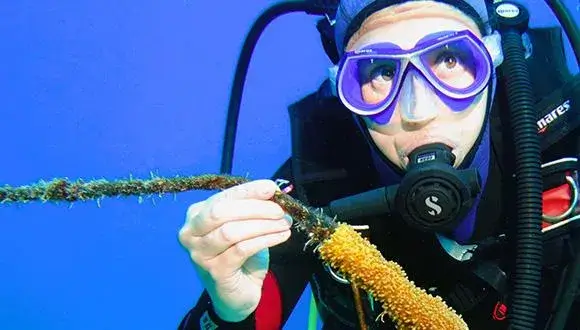
The first animals on Earth. The sponge Theonella swinhui. Photo: Micha Ilan Laboratory

The sponge from the Gulf of Eilat that produces anti-cancer substances and neutralizes arsenic: This is how Theonla Swinhoey's "laboratory" works

When you think of sponges, the image of SpongeBob immediately comes to mind. But what sponge lives in Eilat that contains bacteria, anti-cancer substances and dangerous toxins? The hottest questions about the most interesting animals. Zvait website
Trump - an oil addict. Illustration: depositphotos.com

Why did the United States attack Venezuela? The answer: oil

The Trump administration chooses to continue being addicted to black gold instead of using existing technologies for renewable energy. This is the destructive power of fossil fuels. Commentary. Zvi website
The line city. Publicity photo

The Failure of the “Line” in NEOM (Saudi Arabia): Why the “15-Minute City” Stuck at the Limits of Physics and Nature

The Financial Times investigation shows how the Saudi vision for a 193-kilometer-long city of mirrors has clashed with enormous costs, engineering challenges and ecological constraints in the era of the climate crisis.
A mineral-rich area in eastern Greenland. Illustration: depositphotos.com

Trump returns to talk about “controlling Greenland” – but Greenland’s minerals remain mostly under the ice

Despite Washington's talk of acquisition and "national security," environmental regulation, legal uncertainty, and extreme conditions in the Arctic make mining and drilling difficult—and the ice sheet continues to melt.
The world in 2050. Illustration: Avi Blizovsky via DALEE.

The journal "Nature" looks to 2050: Nuclear fusion, Mars, and "lightless" laboratories – and it all depends on politics

The prestigious journal marks the decisive junctures: the climate crisis and the response to it, the race for artificial intelligence infrastructure, questions of public trust and science funding, and the ability to transform breakthroughs into systems that work at scale.
Children in Tehran fill jugs from a public water tank. The photo was taken in 2020. Illustration: depositphotos.com

Iran examines water imports and warns against evacuation Tehran: Water crisis worsens

Dam levels are dropping, over-pumping is causing land subsidence, and the government is looking for solutions – from water imports to diversion projects and cloud seeding. * The crisis, which is a direct result of the global climate crisis with worsening
Fire in Alaska, June 2011. Illustration: depositphotos.com

Arctic Alaska is burning like it hasn't in 3,000 years

According to the study, published in the journal Biogeosciences, fires in the Alaskan tundra have become more frequent in the past century than in any other period over the previous three thousand years.
When huge areas of the Amazon are burned every year, it changes the entire balance of particles. Illustration: depositphotos.com

Black carbon from incinerators becomes a major factor in radiation scattering and exacerbates uncertainty in climate crisis models

New research in the Amazon reveals: Not only greenhouse gases affect global warming, but also particles in the air
We all like to think we're doing something "environmental" when we go to a thrift store. Illustration: depositphotos.com

Second-hand is not always green

A new Israeli study reveals that purchasing second-hand clothing does not necessarily replace buying new clothes, and is sometimes even accompanied by increased consumption that negates the environmental benefit of sustainable fashion.
Bird hunting is legal in many countries, and in some areas there is also large-scale illegal hunting. Brown-throated Sparrow. Photo: Dr. Yoav Perlman

The Great Migration of Small Birds: Who Will Threaten More – Climate Crisis or Humans?

Small migratory birds, weighing no more than a few grams, travel thousands of kilometers each year between their nesting sites in Europe and their breeding grounds in Africa. Dr. Yoav Perlman of the Israel Ornithology Center warns that food shortages, hunting
Lack of investment in the environment will lead to poverty. Illustration: depositphotos.com

New UN report: Investing in planetary health will lead to higher growth; business as usual will lead to GDP cuts and poverty

UNEP's GEO-7 report states that shifting from a "business as usual" economy to investing in a stable climate, nature and reducing pollution could yield up to $20 trillion a year by 2070, prevent millions of deaths and eliminate
Logo of the UN Climate Conference COP30 held in Belem, Brazil, November 2025. Illustration: depositphotos.com

The COP30 climate conference in Brazil has ended – has anything changed?

Between the slogan "Global Mutirao" and a growing rift between countries, the conference in Belem once again highlighted the gap between the urgency of the climate crisis and the lack of commitment to a phased cessation of fossil fuels, insufficient funding for countries
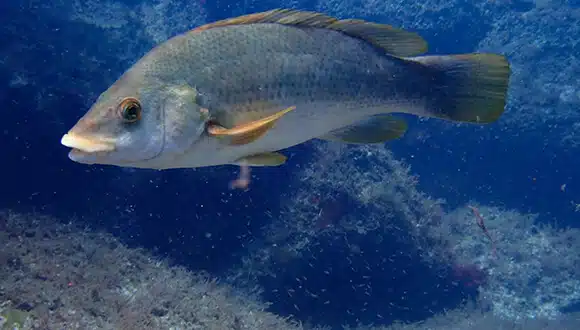
Predators and keep fish populations healthy. Female sandbar shark. Photo: Meron Segev, Sharks Association in Israel

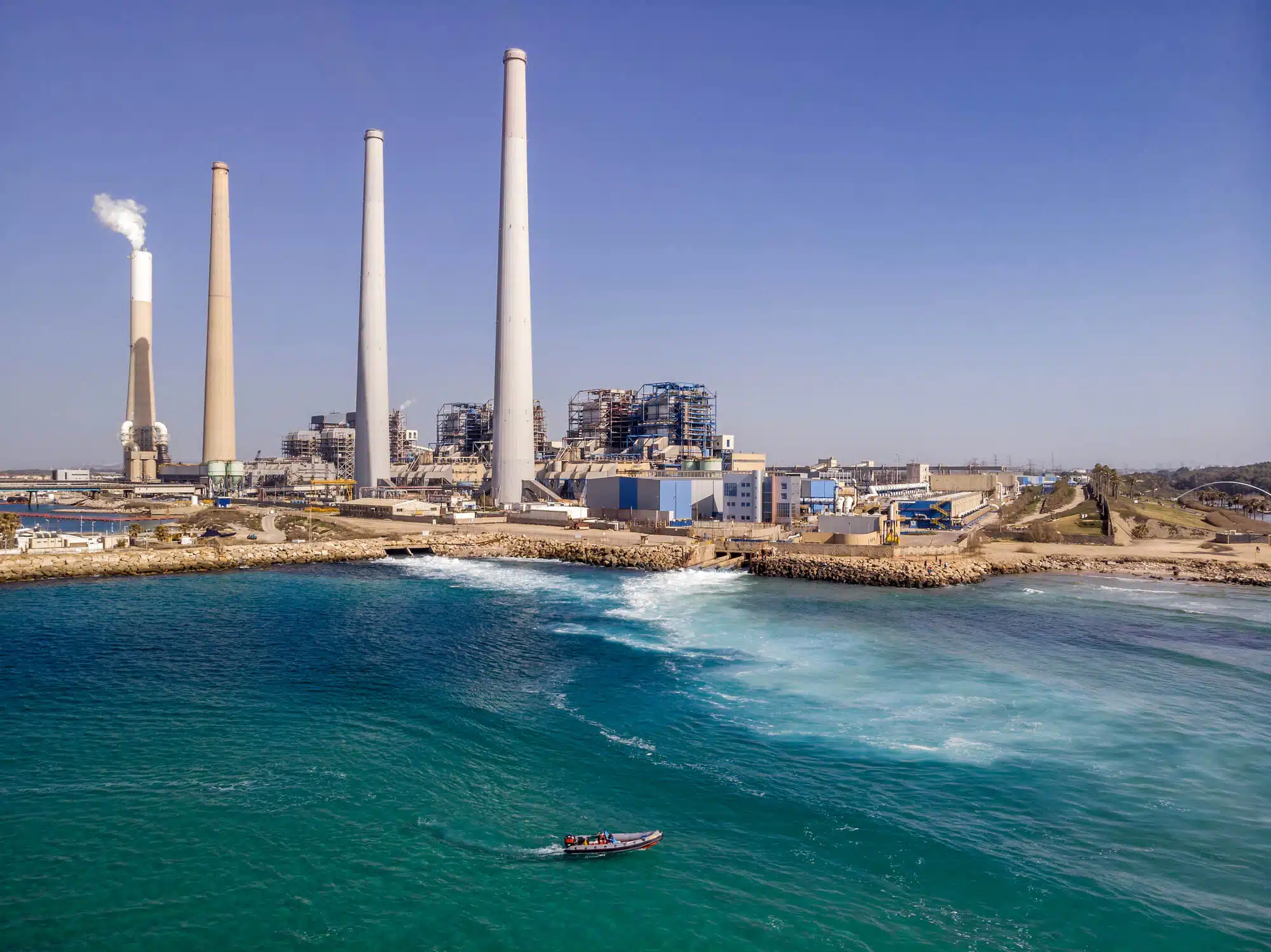
The Hadera sand shark: A giant predator, a warming sea, and new questions about the Mediterranean Sea

Dozens of sandbar sharks gather every winter in the warm waters of the Hadera and Ashkelon power plants – Dr. Adi Barash reveals a species that is not considered Mediterranean at all, explains their role as apex predators, the threats from fishing
The municipal garbage incinerator behind the Mount of Olives in Jerusalem. Photo courtesy of the State Archives

Waste incineration is not a new solution in Israel

While the government is promoting the construction of waste-to-energy facilities, it is interesting to know that in Jerusalem, garbage was already burned more than a century ago, and we have something to learn from this. Opinion
Legionella bacteria. Illustration: depositphotos.com

Legionnaires' disease: How does the climate crisis and warming cities increase the risk of Legionella infections?

Heat waves, high humidity and increasing reliance on cooling towers and air conditioning create a breeding ground for Legionella bacteria, leading to recurrent outbreaks of Legionnaires' disease in New York, Ontario and other areas – a serious health threat
A life-size model of a baby mammoth, displayed at a museum in Kiev, Ukraine. Illustration: depositphotos.com

Frozen 40-year-old mammoth reveals nearly intact RNA and hidden genetic secrets

A new breakthrough shows that some of the most fragile molecules in biology can be preserved for longer than scientists thought. Researchers have opened a window into the real-time biology of extinct animals
The ancient city of Yazd, Iran. Photo by Hasan Almasi, Unsplash

Live with the heat, not against it

An old-new design approach proposes reducing reliance on air-conditioning technologies through smart use of the environment. Is this what will lead the construction industry in an era of global warming?
Droughts lead to severe water shortages, reduced food supplies and even severe restrictions on electricity consumption. Illustration: depositphotos.com

Without water, there is no future: UN report warns of an era of severe droughts and a global water crisis

A new UN report maps the world's drought hotspots – from Africa and the Panama Canal to the Mediterranean basin – and warns of growing damage to water supplies, food security and economic stability, which is also