Hayadan > Biology and Medicine > Genetics > Genetic engineering - animals
Genetic engineering - animals
- Weizmann Institute
A unique collaboration between the Weizmann Institute of Science and Sheba Medical Center led to the discovery of two potential drugs for a life-threatening disease of the lymphatic system.
- Avi Blizovsky
- No comments
Researchers in China have created a mouse from two ancestors by editing genes in stem cells. The groundbreaking study could impact our understanding of reproduction and the future of medicine.
- Dr.Roey Tsezana
Chinese researchers propose combining genes from tardigrades (water bears) to improve the ability of human cells to deal with radioactive radiation
- Dr.Roey Tsezana
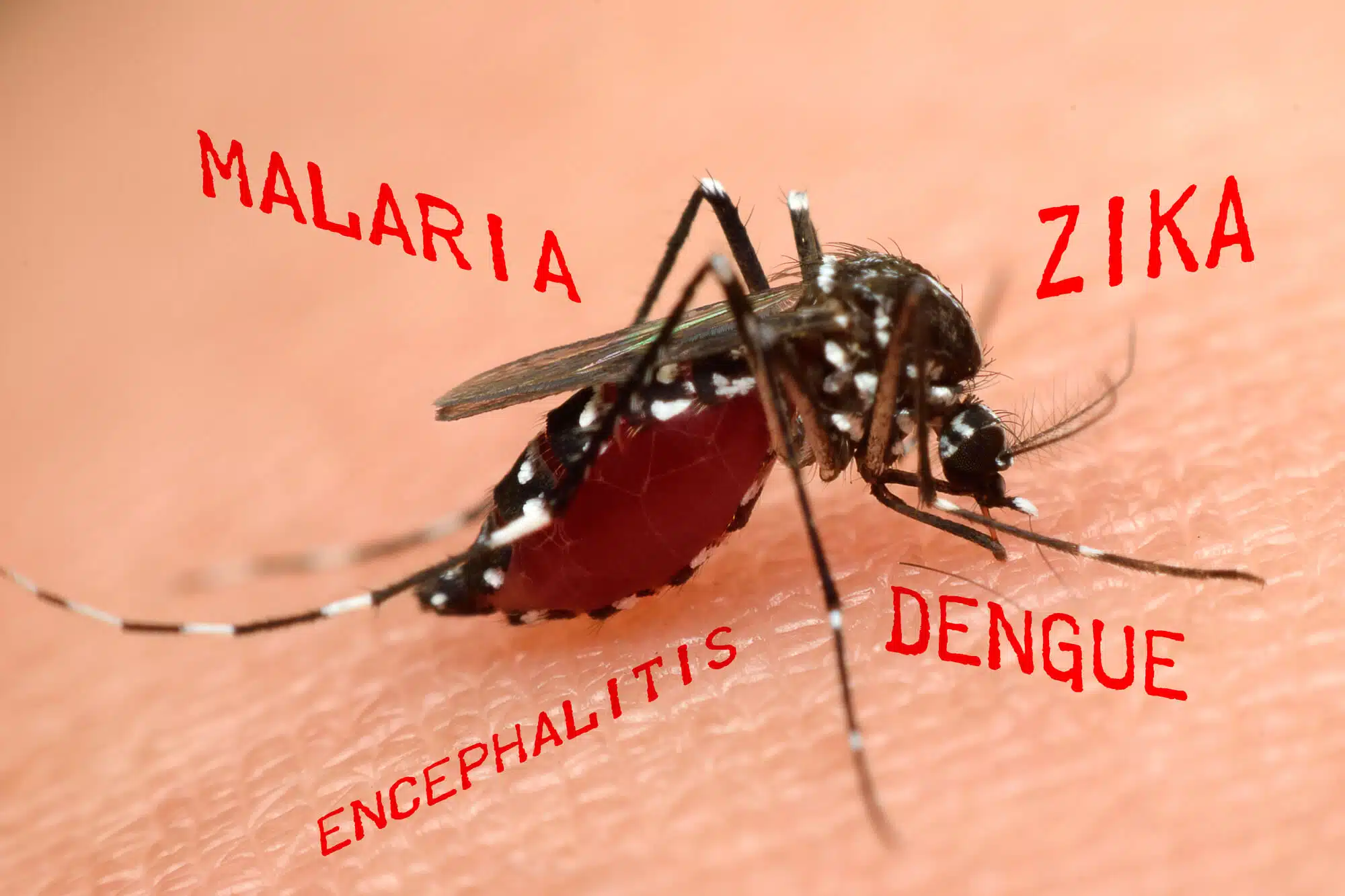
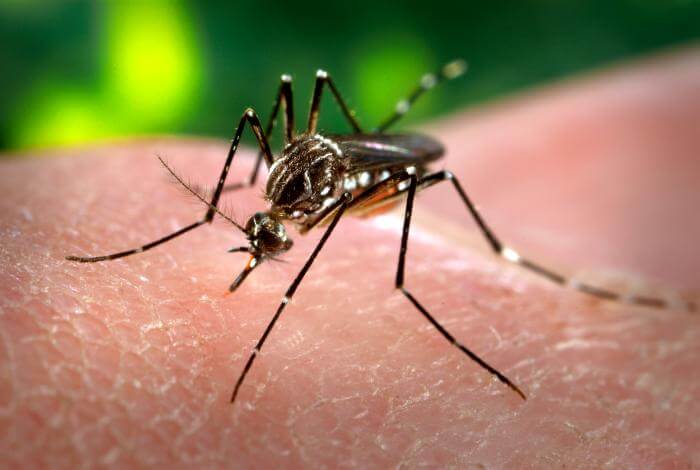
Researchers spread transgenic mosquito eggs containing a genetic defect that they transfer to the mosquito population in areas plagued by mosquito-borne diseases, thereby reducing the mosquito population to a considerable extent
- The Voice of Science website - the Israel National Science Foundation
The middle: genetic editing of the Y chromosome
- Dr. Moshe Nahamani
- No comments
The British government plans to ease restrictions on gene editing in order to speed up research and allow genetically modified crops and stocks to reach the market * In any case, these are changes that could have been made along the way
- Yoram Soreq
- 7 תגובות
Elior asks: Is it possible to take a woman's egg and fertilize it with another animal's sperm? (For example, a monkey or a tiger..)
- Avi Blizovsky
- 4 תגובות
The goal: the creation of an artificial honey stomach that traces the activity of the bee's stomach * CEO Ofir Devash: "Bi-U Devash is working on the development of a breakthrough technology that will change the face of the global honey market and enable products
- Tel Aviv University
- Dr.Roey Tsezana
- The Hebrew University
- One response
Compared to standard antibody therapies currently in advanced clinical stages, which are very expensive and can easily cost over $100,000 per patient, engineered nanoantibodies can be produced cheaply, on a large scale—the well-matched
- Avi Blizovsky
- 3 תגובות
This is what Prof. Harmona Sorek from the Institute of Life Sciences at the Hebrew University says in an interview with the Scientist website, who is happy about the decision to award Emmanuel Charpentier and Jennifer Doudna the Wolf Prize last year. Now Charpentier is establishing the
- Angle - a news agency for science and the environment
- 4 תגובות
- Avi Blizovsky
- 3 תגובות
- Dr.Roey Tsezana
- 2 תגובות
- Dr.Roey Tsezana
- 5 תגובות
- Tel Aviv University
- One response
- Scientific American Israel
- 6 תגובות
- Dr. Moshe Nahamani
- One response
- Dr. Moshe Nahamani
- 2 תגובות
- Scientific American Israel
- 5 תגובות
- Scientific American Israel
- 3 תגובות
- Itai Nebo, editor of the Davidson Institute website
- One response
- Scientific American Israel
- 31 תגובות
- Weizmann Institute
- 5 תגובות
- Scientific American Israel
- 3 תגובות
- Scientific American Israel
- 17 תגובות
The first crocodile-crocodile: the scientist who turned a chicken into a crocodile in the laboratory
- Dr.Roey Tsezana
- 18 תגובות
- Scientific American Israel
- 4 תגובות
- Weizmann Institute
- One response
- Dr.Roey Tsezana
- 24 תגובות
- Dr. Gali Weinstein
- 8 תגובות
- Avi Blizovsky
- 33 תגובות
- Dr. Asaf Rosenthal
- 15 תגובות
- Dr. Moshe Nahamani
- 2 תגובות
- Weizmann Institute
- 9 תגובות
- Amnon Carmel
- 10 תגובות
- Weizmann Institute
- 2 תגובות
- Dr.Roey Tsezana
- 66 תגובות
- Dr.Roey Tsezana
- 16 תגובות
- Scientific American Israel
- One response
- Weizmann Institute
- 2 תגובות
- The Hebrew University
- One response