Evolution in action

The Cambrian Explosion was a period in which more diverse and complex animals appeared in the fossil record. New theoretical research suggests that the early development of complex brains contributed to animals' ability to process information, and later to the emergence of diverse body shapes. Trilobite fossils. Illustration: depositphotos.com

Did the brain drive the Cambrian explosion?

Prof. Ariel Chipman of the Hebrew University suggests that a complex brain evolved early in response to crowded and competitive marine environments, helping pave the way for the great diversity of animals.
Wild animals fear hunters, but not necessarily all humans. A large meta-analysis shows that animals adapt their behavior according to the level of danger and expectations of human activity. Illustration: depositphotos.com

Man is not always the scariest creature in the forest.

New research shows that wild animals distinguish between hunters and fishermen and tourists and researchers, and adjust their level of fear to the type of threat and its perceived magnitude.
Relationships: Evolution of the virus and the cell. Illustration: depositphotos.com

Dr. Yotam Bar-On: “Why do viruses always win?” – and what gives us an advantage anyway

In a lecture at the Technion, Dr. Yotam Bar-On explained how rapid evolution, mutations, and immune evasion allow viruses to outpace the immune system, why vaccines are very successful in some diseases and less so in others, and what we learned from the Corona era.
Different scraping techniques for different parts of the cow's body. Credit: Antonio J. Osuna Mascaró

Swiss cow uses tools – and researchers are forced to rethink animal intelligence

Groundbreaking study documents flexible, purposeful tool use in cattle for the first time, challenging long-held assumptions about the cognitive limits of farm animals
Five whisker follicles in a 100-micron-thick piece of tissue. Each follicle is surrounded by a thick collagen capsule and contains hundreds of mechanoreceptors, some of which have tuft-like tips. These unique external touch sensors are located near the follicle's center of mass (center of image), anchored to a collagen ring (an open C-shaped ring) that acts as a stabilizing weight, and are isolated from shocks caused by the whisker's own motion.

How rats don't get confused by their own whiskers: Evolutionary "patents" in whisker follicles separate self-motion from external touch

A study in Nature Communications reveals a subtype of touch sensors in the whisker follicle that is located near the center of mass and rests on a collagen ring that acts like a “stabilizing weight” — so the rat ignores whisker vibrations and responds precisely
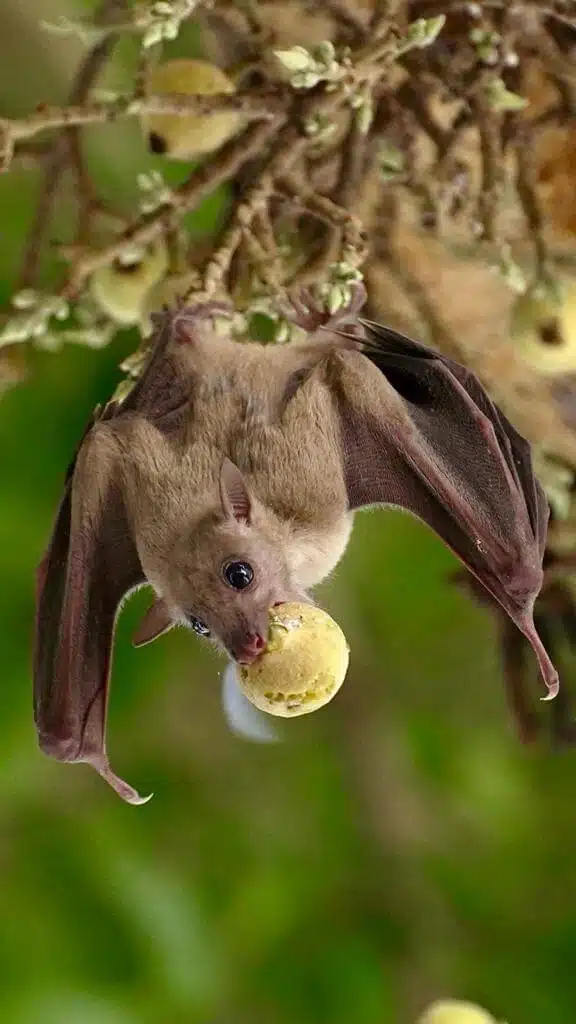
Aggressive bats. Illustration courtesy of Prof. Yossi Yuval, Tel Aviv University

The attack and defense strategies of fruit bats

In the spring, bats are more "bold" and are not afraid to engage in conflicts with rats in the fight for food.
Optical illusions of birds. Illustration: depositphotos.com

Are animals susceptible to optical illusions? What fish and birds can teach us about perception

This led to our research question: Do other animals also “fall for” the same tricks? If a small fish or a chicken is exposed to the illusion, what does this tell us about the way they see and interpret their environment?
Turkey ear fungus. Illustration: depositphotos.com

Fungi dominated the Earth hundreds of millions of years before plants.

New research reveals that fungi created ancient soils and prepared the continents for the arrival of plants, through early collaboration with algae
Psilocybe cubensis grows worldwide in tropical and subtropical regions, including Central and South America, Southeast Asia, and Oceania. The mushroom prefers moist, fertile soils and contains the psychoactive substance psilocybin, which is currently being investigated as an active ingredient in the treatment of treatment-resistant depression. Credit: Felix Blei, Leibniz-HKI

Mushrooms evolved psychedelics twice – a rare case of convergent evolution

An international study has found that two types of mushrooms have independently evolved different biochemical pathways for producing psilocybin – the psychoactive substance currently being studied as a treatment for drug-resistant depression.
Horseback riding. Illustration: depositphotos.com

The mutation that changed history: How horses became rideable

New research reveals that two genetic mutations were key to the domestication of the horse in the Bronze Age – making it calmer and more resistant to carrying riders, and changing the face of transportation and warfare in the ancient world
A giant sloth at the entrance to a cave it dug. Illustration: Avi Blizovsky, via DALEE

They were three-and-a-half-ton sloths with claws and armor – and then humans arrived

New research reveals how ancient giant sloths dug caves, thrived in the oceans and moved between diverse environments – until climate change and the arrival of humans led to their extinction
Animals that have adapted to living in cold environments. Illustration: depositphotos.com

Research reveals critical evolutionary stages of animals during the Ice Age

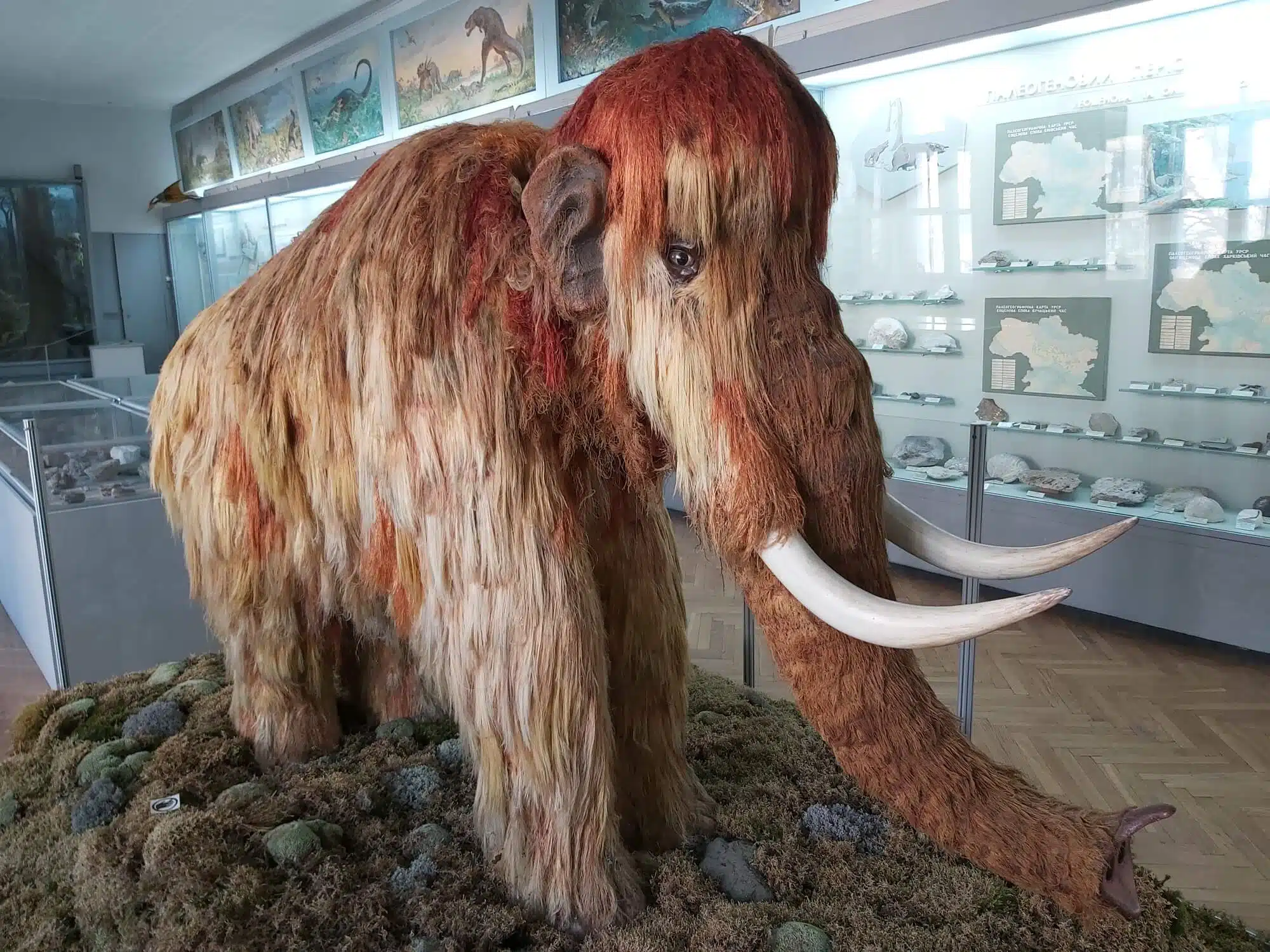
New research provides new insights into how animals like the woolly mammoth, musk ox and Arctic fox evolved to survive the cold during the Ice Age.
Garden peas. Illustration: depositphotos.com

Even after 160 years: Mendel's peas are still changing science

Comprehensive genomic map reveals unprecedented genetic diversity in the global pea collection and paves the way for genetic improvements of the legume
The same beetles that eat the flower also spread its pollen. Photo: Tzlil Libin

Which anemone is tastier? The hidden battle between colors in nature

Why are there red anemones alongside purple, pink, and white anemones? Is this a random whim of nature, or perhaps colors that help the flowers evade hungry caterpillars? New research aims to solve the mystery
Cuckoo chicks look similar to their host chicks. Cuckoo chicks (left) and their host "brothers" of different species (right) | Source: Naomi Langmore

The divergent adaptation of cuckoos

Cuckoos develop eggs and chicks that resemble those of their hosts, to avoid detection. When they have more than one host, this can lead to the creation of new species of cuckoos – especially if they are “violent”.
The discovery of the 555-million-year-old fossil *Uncus dzaugisi* in South Australia confirms their origins in the Precambrian period of the ecdysozoans, and bridges an important evolutionary gap. Photo courtesy of Harvard University

A 555-million-year-old fossil sheds light on one of the great mysteries of evolution

The discovery of the oldest fossil from the Ecdysozoa family (Uncus dzaugisi), a group of animals characterized by shedding their skin and including insects, crustaceans and nematodes, sheds light on the early evolution of animals

Ants vs. Humans: The Maze Challenge

Group decision making makes ants smarter. With humans, on the other hand, sometimes it is better to be alone
Don't look in the jar. A view of the sponge Theonella conica at a depth of 27 m at the Katsa site, Eilat (Photo: Shani Shoham)

The original and prestigious way of the sponges in the Eilat Bay to keep predators away

The sponges use a precious metal to warn: beware! We are toxic
The desert locust (Schistocerca Gregaria). Illustration: depositphotos.com

The 'good enough' principle in nature: how evolution saved resources in the digging paws of the female locust

The female locust can dig 4-3 holes to lay eggs and then her organs that are intended for this wear out
The Arizona mountain kingsnake, which is non-venomous but similar to a venomous coral snake, enjoys a survival advantage by deterring potential predators that avoid colorful coral-type snakes. Photo: University of Arizona

The Big Evolutionary Bang of Threat, Camouflage and Courtship Colors in Animals

Evolution, color signals, animals, courtship, warning, peacock, poisonous frogs, communication between animals, signals in plants, evolutionary biology
Eastern wasp. Photo: Shahar Shahar, Tel Aviv University Spokesperson

Wasps are the only animal that can drink alcohol without limit

malaria. Illustrative infographic: depositphotos.com

to look directly into the dark crystal of the malaria parasite

The malaria-causing parasite exacts a bloody toll from humanity, not least thanks to its ability to produce unique, dark crystals inside our blood cells. New research fully deciphers the structure of these crystals and calcns
Terrestrial animals display a wide range of limb structures - from 'spread', in which the limbs are held alongside the body, as in lizards, to 'upright', in which the limbs are held below the body and close to the midline of the animal, as in dogs, cats and horses . An upright body structure is a characteristic of most modern mammals, but when did this key feature evolve?  Credit: Peter Bishop 

How mammals achieved their upright posture 

A new study reveals the twists and turns and complexities in the evolution of mammals, from a spread body structure (legs tending to the sides like in reptiles) to an upright body structure where the feet are stable on the ground
Lateral transfer of genes between bacteria and plants. The image was prepared using DALEE and is not a scientific image

Strengthening plant health: the role of gene exchange with bacteria

New research has revealed how plants and bacteria swap genes to boost plant health and development. These genes affect key processes such as carbohydrate metabolism and hormone synthesis
Colonies of ants began growing mushrooms when an asteroid hit Earth 66 million years ago. This damage caused mass extinction but also created ideal conditions for fungi to flourish. This is how an evolutionary partnership was created that became even closer 27 million years ago and continues to this day. Credit: Don Parsons

Ant farming began 66 million years ago following the asteroid that doomed the dinosaurs

Smithsonian Institution scientists compiled and analyzed an extensive genetic database, and found that some mushroom crops became completely dependent on ants 27 million years ago, a process created 65 million years ago by an event
Sea robin (Prionotus carolinus). Credit: Annick Grierson, Harvard University

A fish with legs

Sea robin as an evolutionary model for trait development
Photo 4: The life cycle of the blooming sea lily Edwardsiella carnea. a. Mature male and female polyps release gametes into the water column. b. Free-swimming planula formed after fertilization. c. The planula infects the comb host Mnemiopsis leidyi and develops into a worm-like parasitic stage. d. Planula after the parasite stage exits the comb host to the water column (e), where it can either settle on the sea floor (f) and develop into a polyp (a) or infect another comb host or a scyphozoan host such as Rhopilema nomadica or Rhizostoma pulmo (hypothetical parasite spillover) (gh) . A planula after the parasite stage may leave the scyphozoic host and move through the water column (i), where it may settle on the sea floor (f) and develop into a polyp. The dashed line represents an alternative route.

Jellyfish under attack: Researchers have found parasitic sea lilies in jellyfish for the first time

Researchers have discovered for the first time the existence of parasitic planoles (sort of larvae) of the sea lily that grows in jellyfish in the Mediterranean Sea that allow the sea lily to spread beyond the immediate environment, a finding that may affect ecosystems
A bird stores its food to use when needed. The drawing was prepared using DALEE

A mechanism was discovered that allows animals to store food and find it when needed without relying on memory

Researchers from the Hebrew University have proposed a new theory about how animals store and recover stored food. Their research, published in Scientific Reports, challenges traditional notions of animal storage behavior
In the photo, from right to left: Dr. Tanya Dubovic, Prof. Shai Shen-Or, Dr. Alina Strusvetsky and Dr. Martin Lukachishin

Research sheds light on the constant evolution of the immune system

The researchers of the Rappaport Faculty of Medicine at the Technion show in their article in Nature how the immune system has developed a "developmental space" that allows it to quickly adapt to changes in the environment
the call of the crow. Illustration: depositphotos.com

The crows know how to count... out loud!

Research shows that crows can intentionally produce up to four vocalizations in response to specific cues, indicating a non-symbolic number system and vocal control similar to that of human infants. This ability offers a foundation
Red worms dig in the compost. Even the worms that exist today mix substances. Illustration: depositphotos.com

Worms - uncredited heroes of evolution

The researchers examined the relationship between sediment mixing caused, in part, by burrowing worms with a mineral called pyrite, which plays a key role in oxygen accumulation. As more pyrite is formed and buried under the mud, sand or
A researcher examines a killifish fish. The image was prepared using DALEE and is not a scientific image

Cracking the code for longevity? A breakthrough in understanding the relationship between sex and life expectancy

A study by Hebrew University researchers opens innovative avenues in understanding the influence of sex cells on life expectancy and sheds light on the central role of sex cells and fertility on longevity
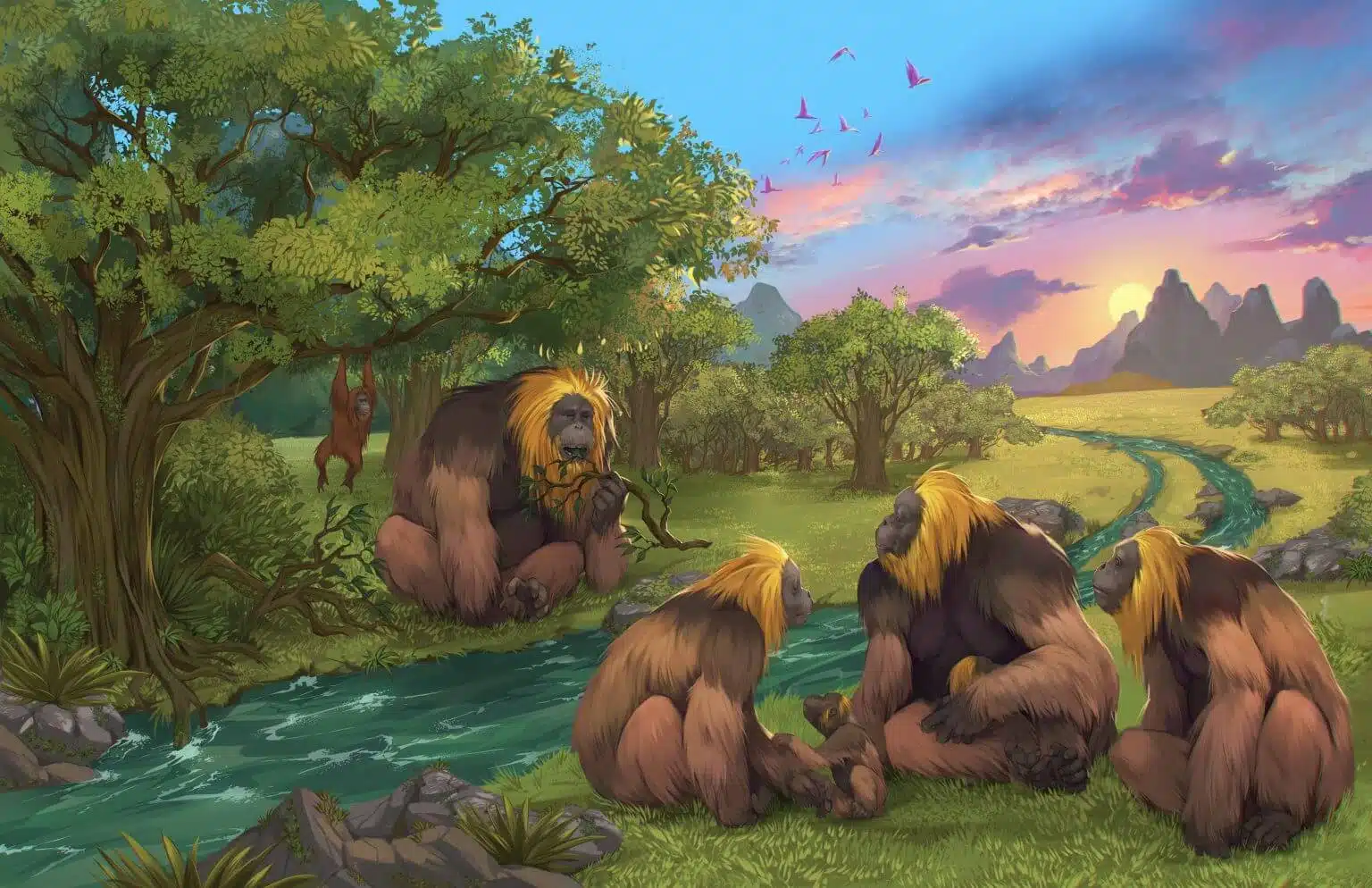
Artist's rendering of a group of G. blacki within a forest in southern China. Credit: Garcia/Juan-Boyo (Southern Cross University)

3 meter tall apes in East Asia became extinct because they were overspecialized

In the spectacular karst landscapes of southern China, giant apes, known as Gigantopithecus blacki, once roamed. They were three meters tall and weighed about 250 kilograms. They became extinct about 300 thousand years ago. The reasons for the extinction of
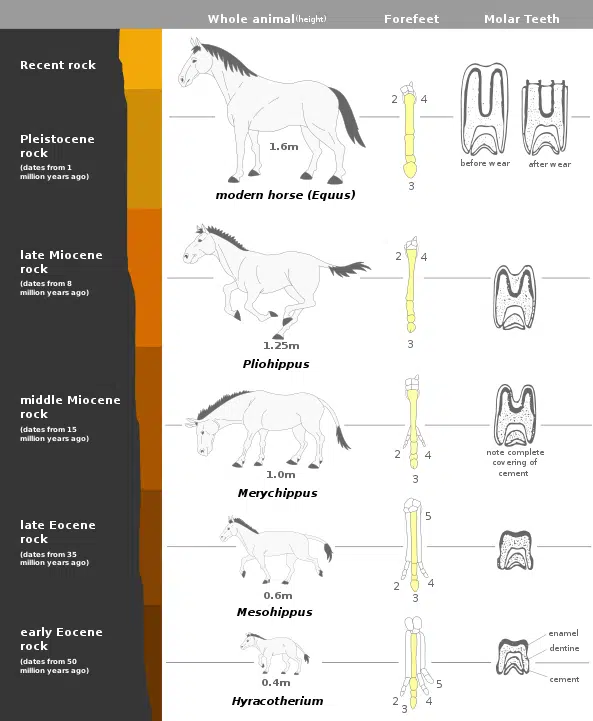
The evolution of horses. Image: Mcy jerry w CC BY-SA 3.0, https://commons.wikimedia.org/w/index.php?curid=98977446

A new evolutionary theory explains why animals shrink over time

Research: A New Understanding of Animal Size Changes Over Time: Competition, Ecological Pressures, and Cope's Law
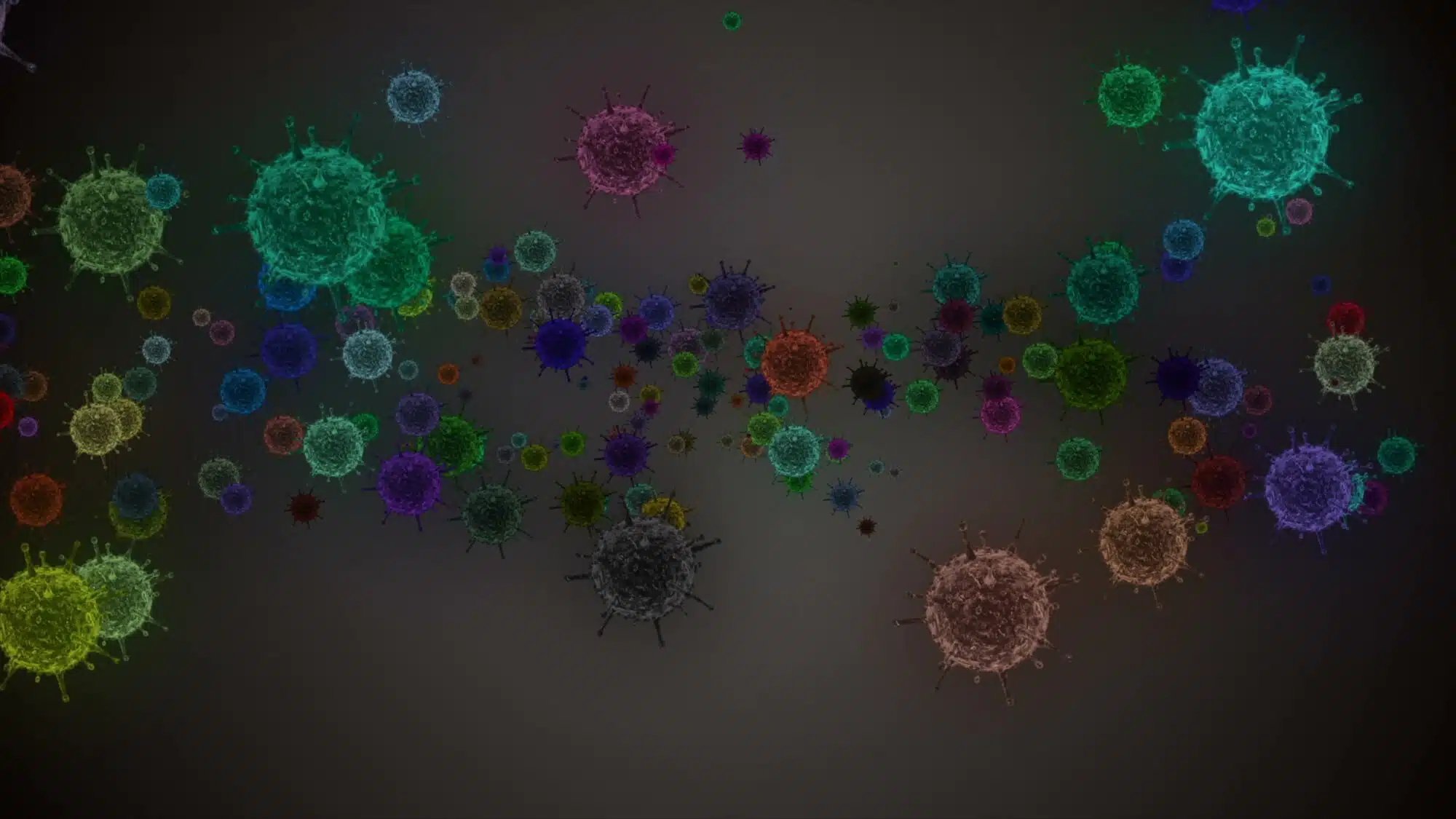
Cells infected with the corona virus. Illustration: depositphotos.com

Medicines in the evolution test

Drug safety tests often focus on "physiological safety", meaning their possible effect on patients. Weizmann Institute of Science scientists propose a new type of test: evolutionary safety
dog training Illustration: depositphotos.com

Food vs toys - scientists reveal what dogs really prefer

It is definitely possible to train a dog with toys if you start very early," said the lead researcher from the University of Florida. "This is what we do with search and rescue dogs, we start very early with toys as reinforcers."
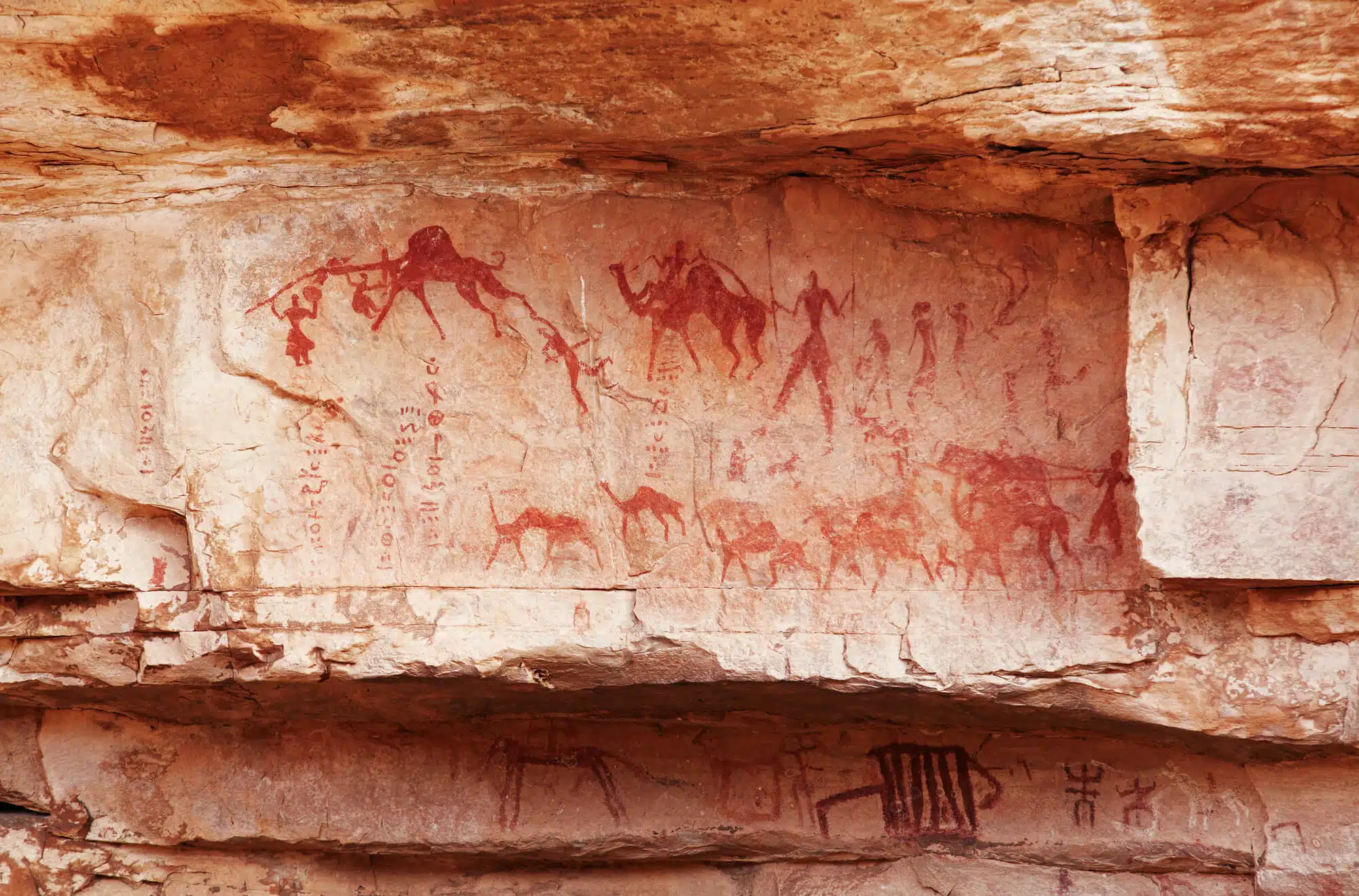
The famous prehistoric rock paintings of Tsili N'Air, Algeria. Illustration: depositphotos.com

The evolutionary changes following the extinction of the large animals

The need to hunt small animals caused prehistoric man to improve his mental abilities in order to perfect his hunting tools
Ancient sturgeon fish. Illustration: depositphotos.com

Why do some species survive mass extinctions? The secret may be a hidden "whole genome duplication".

Geneticists have discovered a whole genome duplication event that occurred in the past in the common ancestor of sturgeons and paddlefish that may have helped them during the mass extinction 200 million years ago
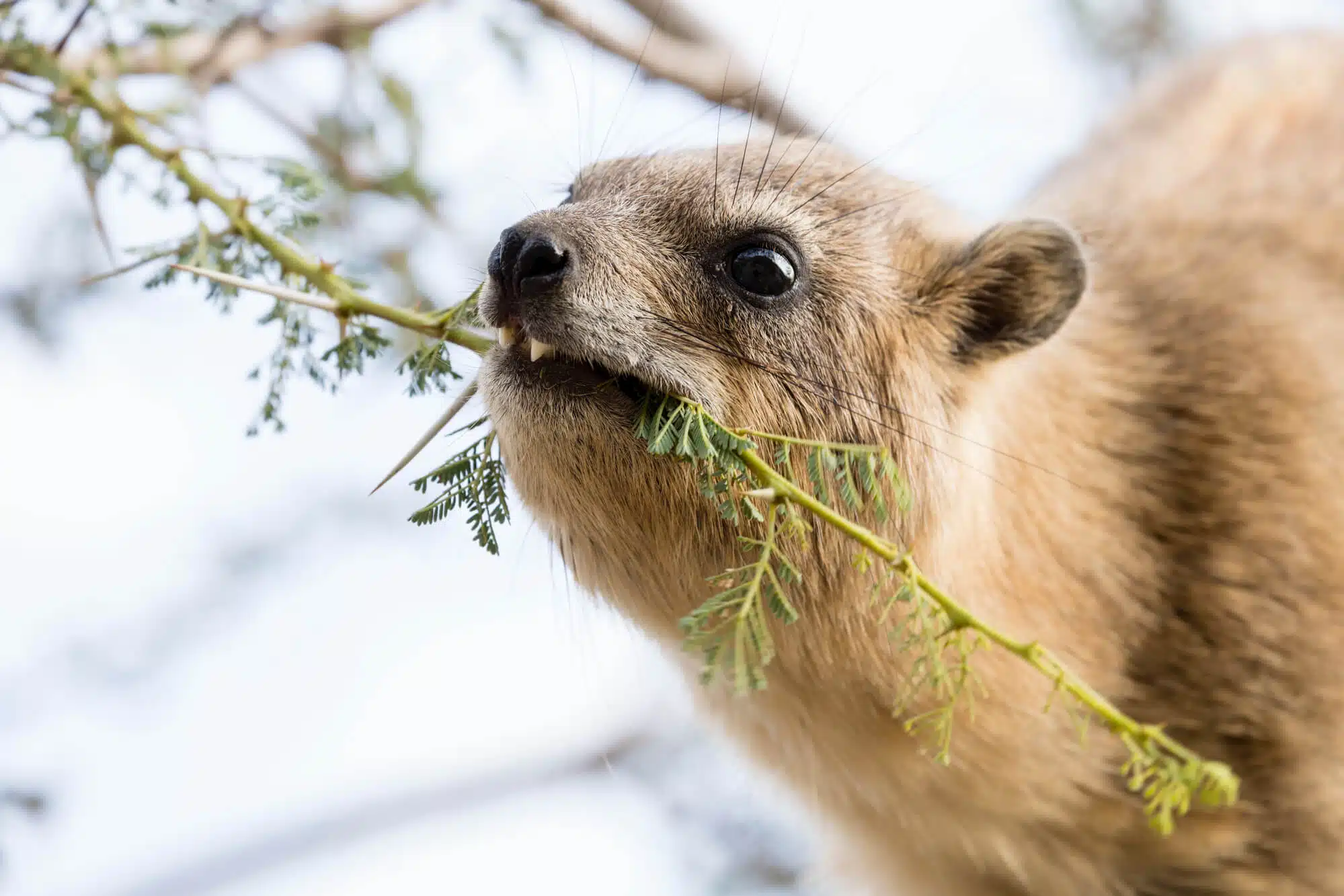
A rock rabbit in the Ein Gedi reserve. Illustration: depositphotos.com

The social network of the rock bunnies

Tracking social mammals has allowed scientists to understand how they choose a way of behavior that promotes their ability to reproduce
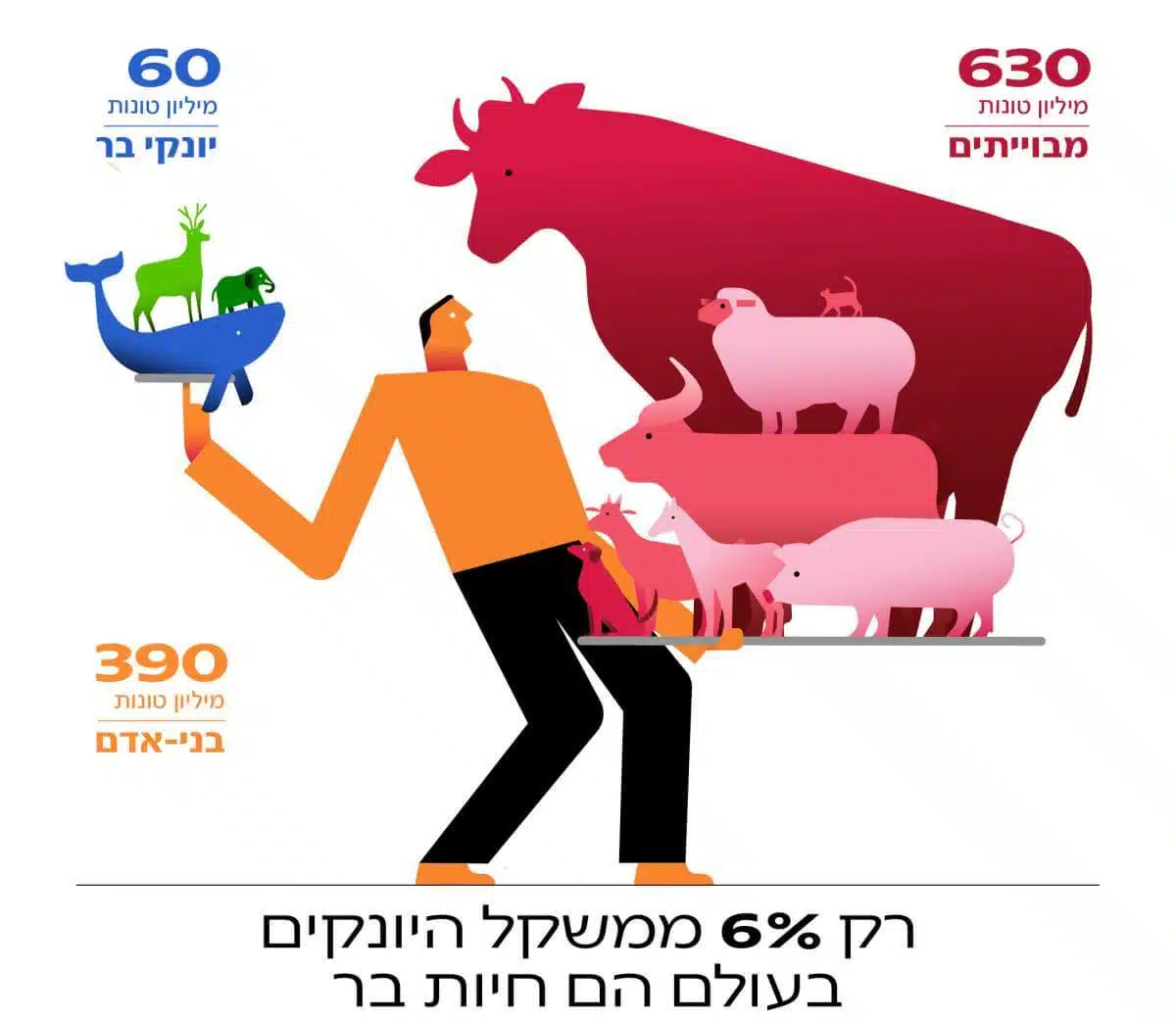
The mass of mammals in the world. Only 6% are animals in Remy weighs more? The biomass of humans, of farm and pet animals, and of wild mammals (Illustration: Itay Reva)

Life at stake: the weight of wild mammals dwarfs that of farm animals

The biomass of cows, pigs, sheep and other farm animals is currently 30 times greater than that of all elephants, elk and other wild land mammals combined
A group of soldiers. Image: depositphotos.com

Good by nature 4: The big lie of "all-out war"

Why do we think our nature is so bad? Why do we believe that constant warfare is a basic human drive?
Understand each other without words (illustration). Image: depositphotos.com

Good by nature 3: All rights reserved to Teva

In this chapter we will examine whether social morality is a product of religions, or a universal biological trait that preceded cultures and religions? And how humanity can unite in times of emergency
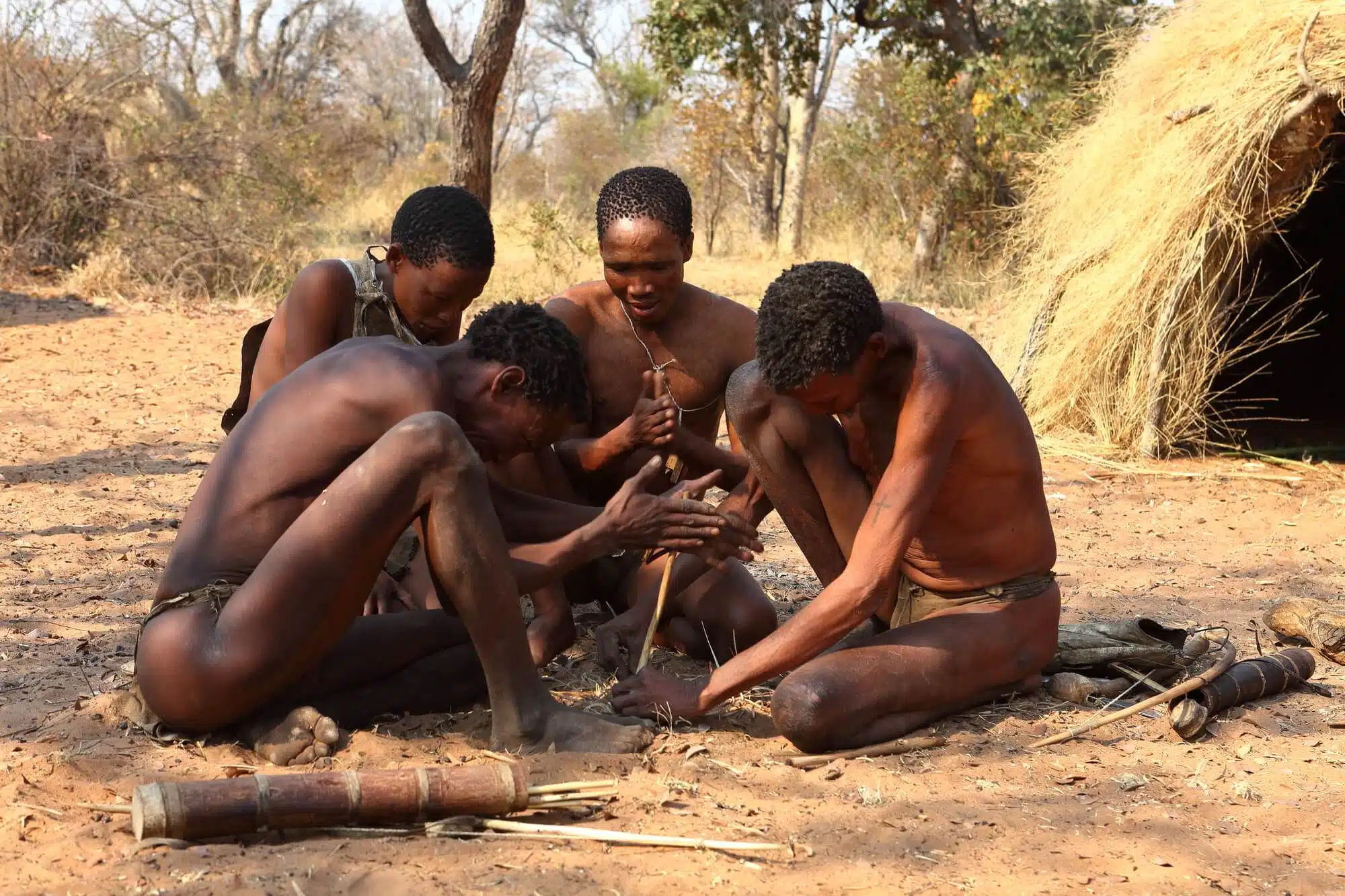
Bushmen in Africa light a fire together. Image: depositphotos.com

Good by Nature 2: Four Billion Years of Cooperation

In a symbiotic reorganization, the organism functions much better than its individual cells or parts.
Bee necklace. Image: depositphotos.com

Good by nature Part 1: How we cooperate against evil

The debate on whether human nature is good or bad from youth is an ancient one, Ehud Amir believes that although it may seem the other way around, human nature is good from youth and the bad are the exceptions. Chapter One
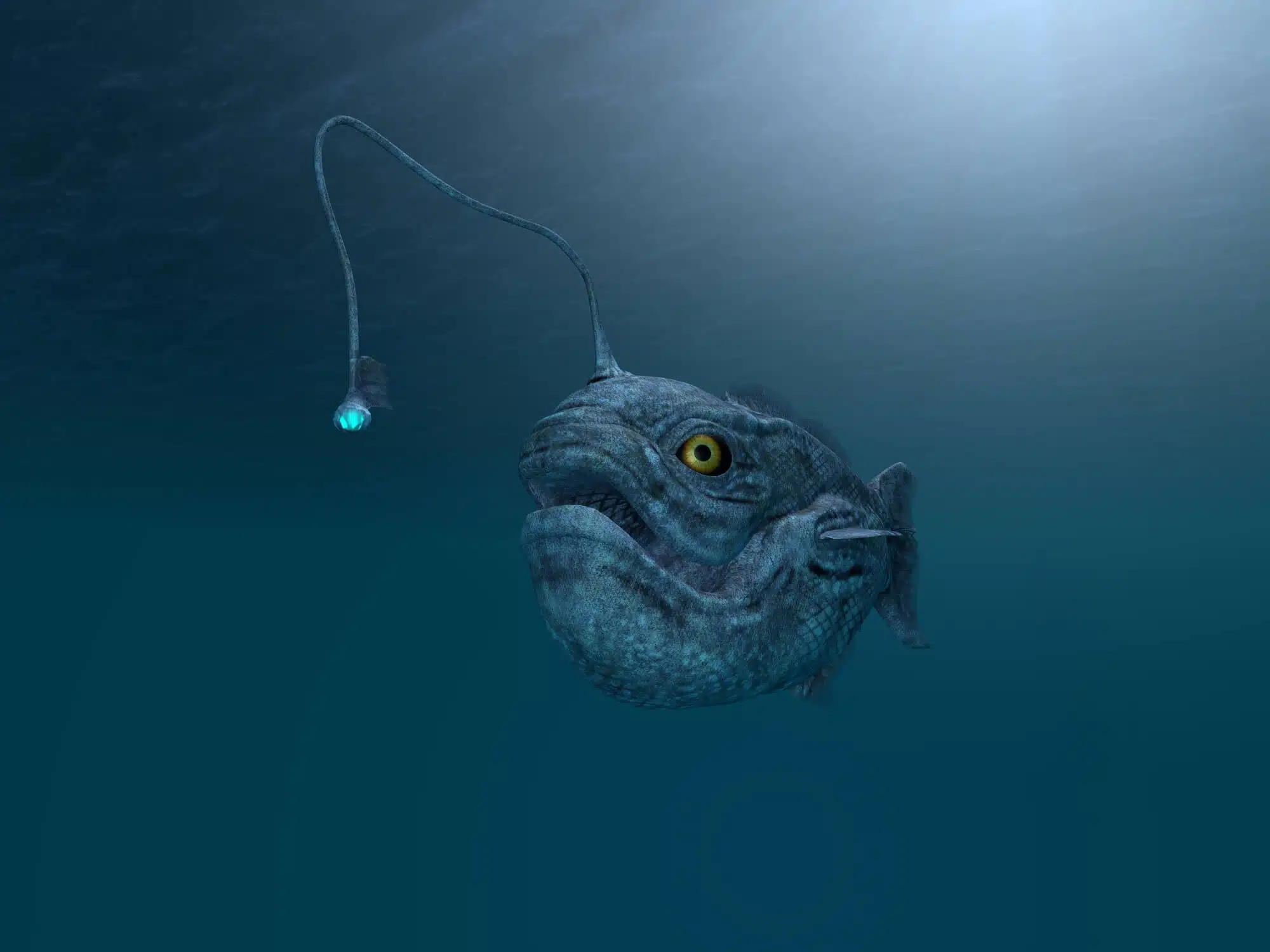
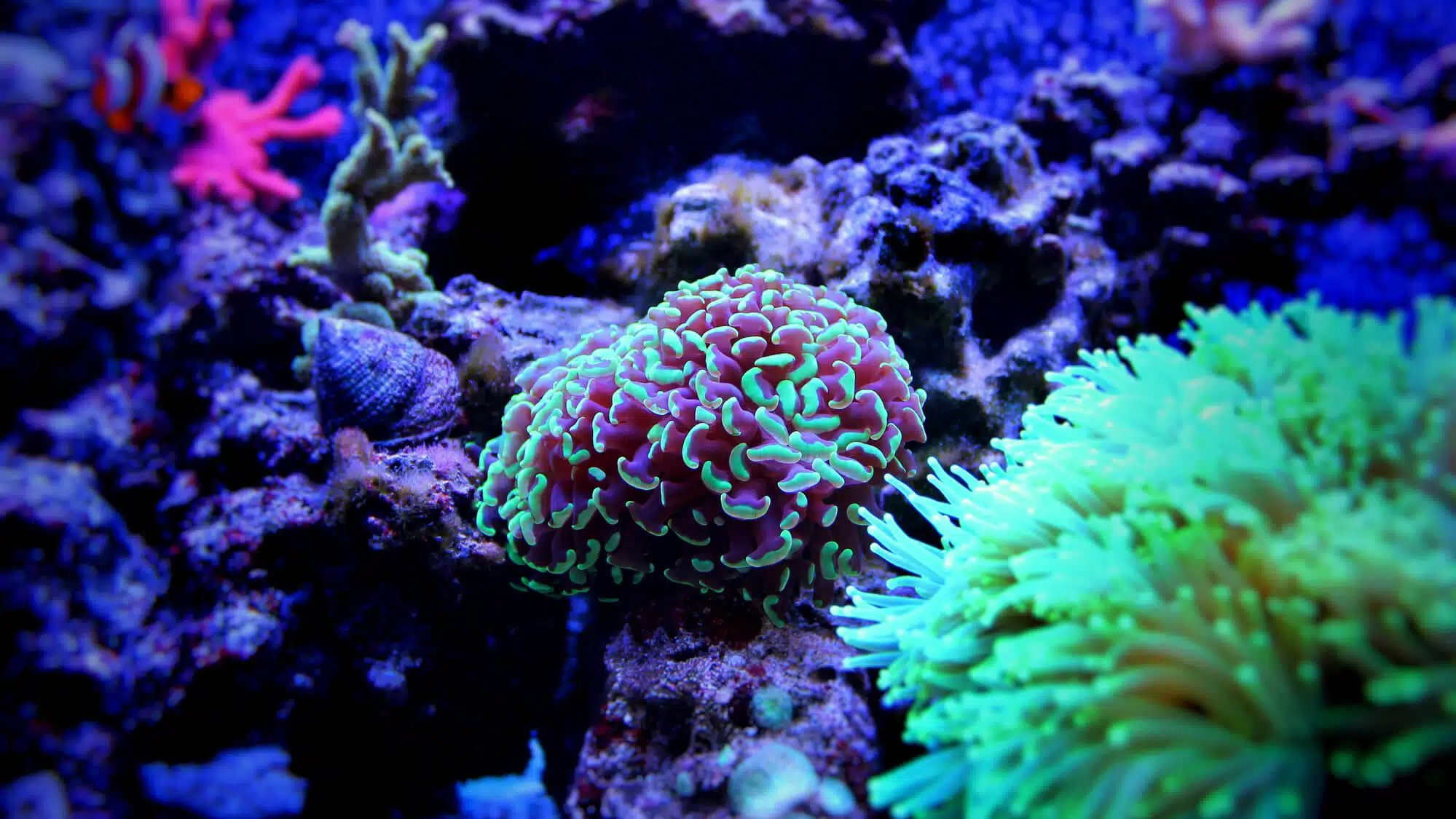
Glowing corals in the depths of the sea.

The sophisticated methods of the corals to organize a meal for themselves even in the depths of the sea

Researchers have discovered that corals also glow at depth to lure their prey