Hayadan > The Conversation science website archive
Science site The Conversation
- Science site The Conversation
- 3 תגובות
Researchers say the term "on the spectrum" obscures the complexity of autism and creates harmful hierarchies – and suggest moving to more respectful and flexible definitions
- Science site The Conversation
- One response
New research shows that the love hormone, oxytocin, not only strengthens social bonds between humans – but also deepens the connection with cats, with the key being gentle touch and mutual trust.
- Science site The Conversation
- One response
Rapamycin, one of the most important drugs in modern medicine, was discovered in soil collected by a medical expedition in 1964 – but the indigenous people received no credit or compensation.
- Science site The Conversation
- 2 תגובות
British researcher warns that combining artificial intelligence and the lack of thorough peer review threatens the credibility of science, and proposes reforms to the scientific method
- Science site The Conversation
- 4 תגובות
Is time something that flows—or just an illusion? Examining space-time as a fixed or dynamic fabric reveals deeper questions about existence, change, and the true nature of reality.
- Science site The Conversation
- No comments
New study claims: Science does not exist in a vacuum – culture, politics, and society shape the questions, research, and conclusions
Why Climate Change Coverage in the Middle East is Among the Lowest in the World – The Case of Jordan
- Science site The Conversation
- No comments
Comprehensive study reveals: Despite the Middle East being one of the regions most vulnerable to the climate crisis, local media barely covers the issue. Jordan serves as an example of the importance of free media in raising public awareness
- Science site The Conversation
- One response
The Trump administration has begun dismantling the EPA's research arm – a move that threatens decades of progress in preventing pollution and protecting public health around the world.
- Science site The Conversation
- No comments
As the European Union approves insect-based products as part of the transition to sustainable agriculture, the claim is growing on right-wing networks that this is a conspiracy by the elite to enslave the masses – a narrative that has very dark and dangerous roots.
- Science site The Conversation
- No comments
Despite the great public popularity of environmental protection, populist politicians adopt hostile positions towards green goals – contrary to conservative tradition and the reality outside the window
- Science site The Conversation
- 3 תגובות
How economic and security promises distract supporters from giving up civil rights and strengthening anti-democratic leaders, and why populist rulers claim they have come to save democracy
- Science site The Conversation
- No comments
- Science site The Conversation
- No comments
New UK research reveals worrying trend of growing support for strong leadership without parliament and elections – but a deeper understanding of the concerns of the younger generation could change that
- Science site The Conversation
- No comments
From the revolutionary astronomical achievements to the social activism and inspiration for generations of scientists - how Carl Sagan shaped science and our understanding of the universe.
- Science site The Conversation
- 4 תגובות
A study published in Nature reveals that the US continues to lead in areas such as biomedical research, but China's continued investment in materials science, engineering and physical sciences poses a significant challenge to US dominance.
- Science site The Conversation
- No comments
From deep fake to external intervention - artificial intelligence will facilitate and streamline operations that were carried out even before its existence
- Science site The Conversation
- No comments
As Hurricane Milton battered the coast of Florida, conspiracy theories abounded, claiming that the forces controlling the weather were orchestrating the destruction. The researchers explain why people cling to these beliefs in the face of increasing natural disasters.
- Science site The Conversation
- No comments
It is likely that we will see more Nobel medals awarded to researchers who used AI tools. As this happens, we may find that the scientific methods honored by those Nobel Prize committees will move away from the simple categories of "physics," "chemistry," and "physiology."
- Science site The Conversation
- 17 תגובות
By 2027, NASA aims to demonstrate a thermonuclear propulsion system based on nuclear fission of low-enriched uranium fuel
- Science site The Conversation
- 6 תגובות
In an article accepted for publication in the Proceedings of the International Astronomical Union, Tony Milligan, a researcher in the philosophy of ethics, King's College London, argues that the belief in alien visitation is no longer a whim, but a widespread social problem
- Science site The Conversation
- No comments
- Science site The Conversation
- 4 תגובות
Some problematic trends can be understood from a mismatched evolutionary fit. For example, competition and anxiety about social status have been linked to obsessions with studies, competing for prestigious positions and materialism. There is a growing trend of "being poor longer".
- Science site The Conversation
- 2 תגובות
Early in the morning a lunar eclipse is visible from Israel. In two weeks, a total solar eclipse will be visible from the US. As eclipse season begins, researchers explain the use of knowledge about them in ancient cultures
- Science site The Conversation
- One response
A management researcher from the University of Essex argues that true discovery and progress cannot rely on the minds and motivations of a few famous men. This involves investing in institutions that are anchored in democracy and sustainability - not only because
- Science site The Conversation
- No comments
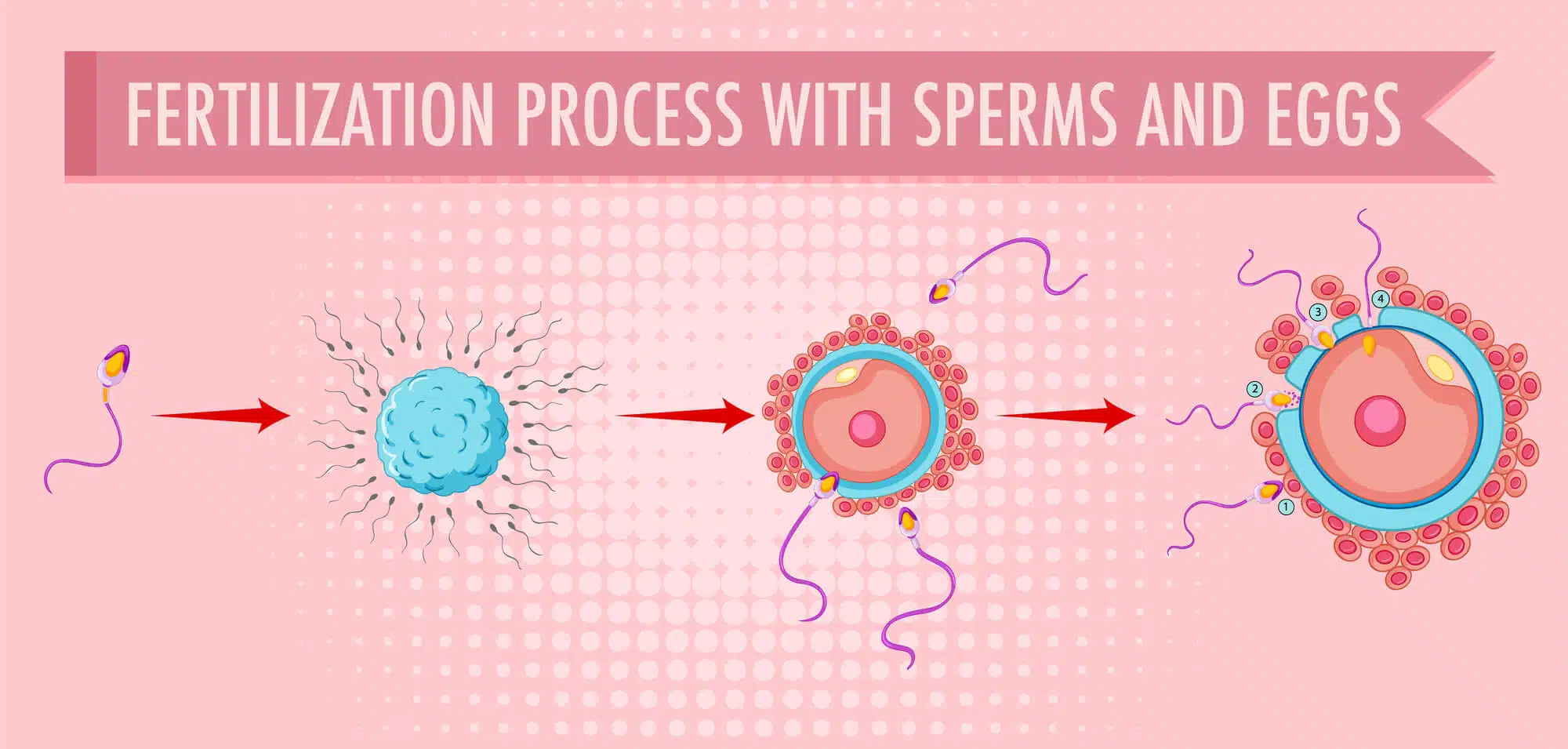
In theory, a male skin cell can be turned into an egg and a female skin cell into a sperm cell. There is also the possibility of a child genetically connected to several parents, or only to one parent
- Science site The Conversation
- No comments
The hostage situation can have profound psychological effects on people for many years. The psychological impact varies depending on the duration of captivity, the conditions endured, personal resilience and coping mechanisms
- Science site The Conversation
- 3 תגובות
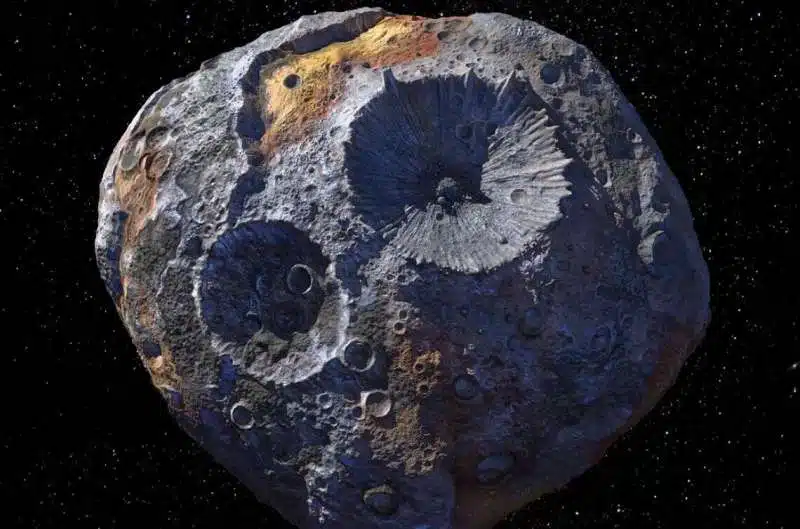
The composition of asteroid Psyche can tell scientists more about Earth's core because the two objects may have a similar structure. Both probably contain platinum, nickel, iron and maybe even gold - rich materials
- Science site The Conversation
- 4 תגובות
Morbid hypocrisy is not inherently bad, but an increased interest in learning about the dangers presented in conspiracy theories can reinforce beliefs that the world is a much more dangerous place than it actually is.
- Science site The Conversation
- 4 תגובות
Prof. Robert Goldman, an expert on the laws of war at the American University, explains how the laws of war apply to the current conflict between Israel and Hamas in the Gaza Strip
- Science site The Conversation
- 7 תגובות
Javed Ali, Associate Professor of Counterterrorism, Domestic Terrorism, Cyber, and National Security at the University of Michigan answers questions THE CONVERSATION
- Science site The Conversation
- No comments
The automotive industry is talking about the "Internet of Vehicles" (IoV), a network that can help vehicles detect roadblocks, traffic jams and pedestrians. She can help with the location of the vehicle on the road
- Science site The Conversation
- 7 תגובות
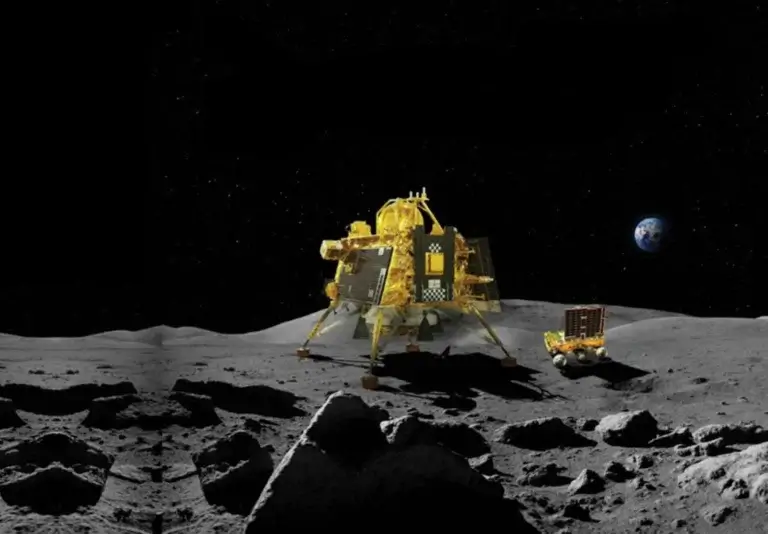
As the number of spacecraft flying to the moon increases, people here on Earth will have to think about what happens to all the landings and debris left on the lunar surface and in orbit. The problem: private companies are excluded from coaching

- Science site The Conversation
- 10 תגובות
The fact that so many nations - the United States, Russia, China, India, Israel - and even commercial entities are interested in landing on the moon means that there are many opportunities to create new partnerships
- Science site The Conversation
- No comments
The Psyche spacecraft is launched to the metallic asteroid of the same name to understand what a planet's core looks like
- Science site The Conversation
- 2 תגובות
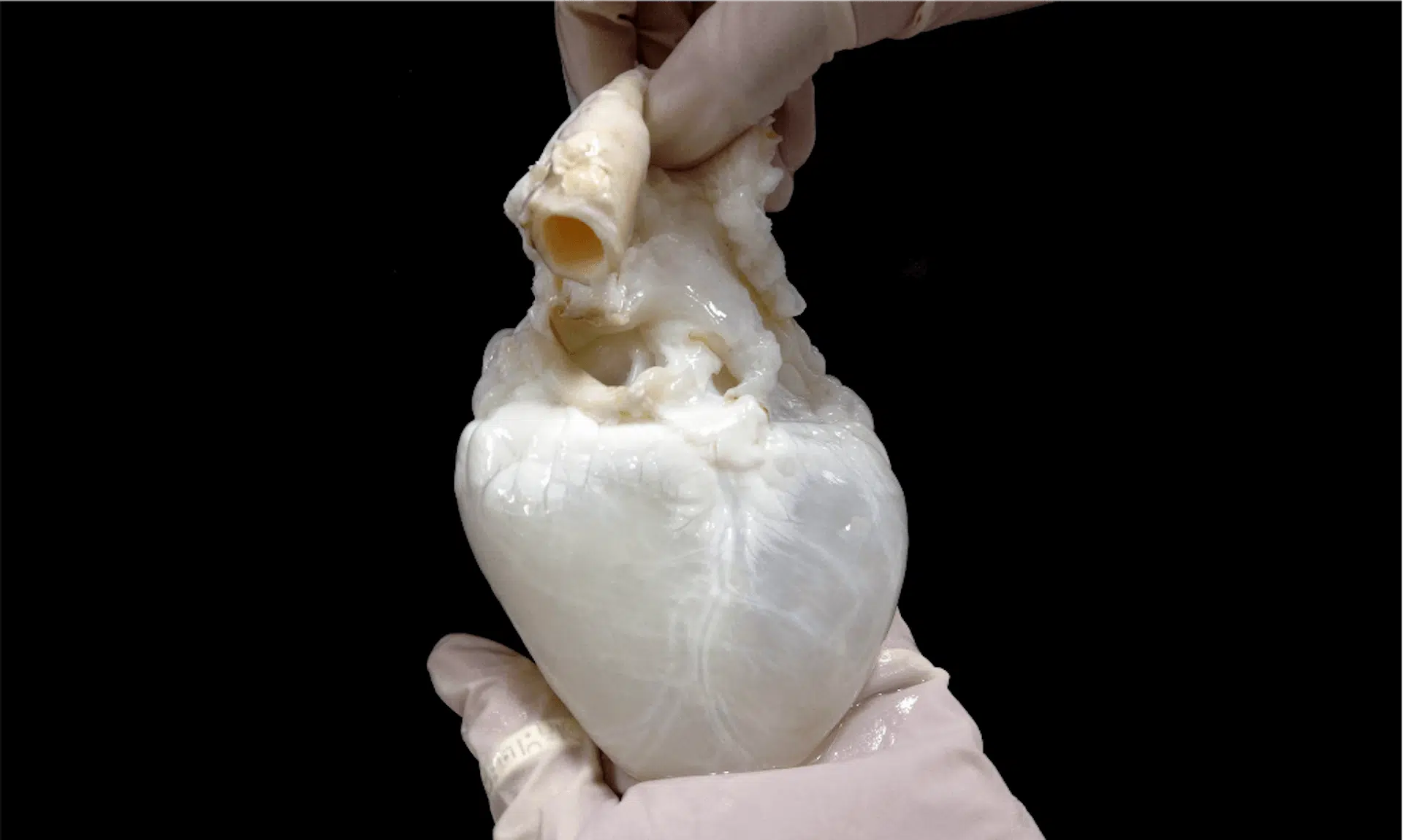
Today, patients needing a heart transplant have to join a waiting list, and hearts become available when someone else dies. Because there are not enough hearts, only critically ill patients are put on the waiting list
- Science site The Conversation
- No comments
The teachers who explained to him as a child the first Hillel flights led Stephen Alexander to fall in love with space, when the space agency was created when he was 3 years old and the first flight to the moon when he was 14 years old
- Science site The Conversation
- 7 תגובות
A human error in the commands sent to her caused her antenna to tilt at an angle of two degrees from the Earth. The radio antenna engineers of the deep space network in Australia will try to contact her
- Science site The Conversation
- 5 תגובות
The Soviets did manage to plant spies who provided the secrets of the atomic bomb to the Kremlin and allowed them to detonate the first bomb in August 1949, it was a copy of the bomb built in Los Alamos and dropped by the Americans
- Science site The Conversation
- 5 תגובות
New research suggests that there may be two other significant factors that natural systems weigh: the information-theoretic nature of the genetic code and the principle of maximum entropy
- Science site The Conversation
- No comments
- Science site The Conversation
- 4 תגובות
M: Lak yes. Even under the most optimistic future scenarios—in which humans stop burning fossil fuels and reduce other greenhouse gas emissions—the average global temperature will almost certainly remain at least
- Science site The Conversation
- 21 תגובות
The populists are lying when they claim they want to empower us all by denying judges the authority to oversee democracy. They really want to break through the strongest constitutional barrier against authoritarianism
- Science site The Conversation
- 2 תגובות
At the end of 2019, the light of the star dimmed and went from the brightest in the Orion group to the third brightest. Since then it has returned and become even brighter than before
- Science site The Conversation
- 2 תגובות
- Science site The Conversation
- No comments
On Wednesday, June 14, the European Parliament voted to approve its own draft proposal for the Artificial Intelligence Law, legislation that has been two years in the making, aiming to shape global standards in the regulation of artificial intelligence
- Science site The Conversation
- 5 תגובות
What can be learned from the NASA panel that investigates observations that until now were not clear what was seen in them
- Science site The Conversation
- 2 תגובות
What will happen to all our stuff? What will happen to our homes, our schools, our neighborhoods, our cities? Who will feed the dog? Who will cut the grass? Although this is a common theme in movies, shows
- Science site The Conversation
- 5 תגובות
The destruction of the Nova Kakhovka dam came just as it seemed that Ukraine's counterattack was about to begin. It's probably not a coincidence. The operation was designed to engage the Ukrainian army in evacuating residents and block the
- Science site The Conversation
- 2 תגובות
In recent years there has been an unprecedented increase in technological disruption. At the same time, a Gallup poll revealed a global increase in unhappiness. Gallup's latest Positive Experiences Index showed a decline in happiness
- Science site The Conversation
- 7 תגובות
Along with many benefits, this technology comes with risks that we need to take seriously. But none of the above scenarios seem to provide a specific roadmap for extinction, claims an artificial intelligence researcher from the UK