SEARCH
SEARCH
Space and astronomy
Astrophysics
astronomy
Solar System
space missions
man in space
environment and energy
Environmental sciences - the climate crisis
Earth science
environmental issues
energy
transportation
Computing and technology
exact sciences
Computing and robotics
nano-tech
military technology
futurology
Biology and Medicine
Evolution and nature
medicine
Genetics
the brain
Society and history
Science and society
history
The skeptic
Science Fiction
Scientists
Science in Israel
Research and development in Israel
Biotechnology in Israel
Israel in space
the defense industries
Academy and education
menu
Space and astronomy
Astrophysics
astronomy
Solar System
space missions
man in space
environment and energy
Environmental sciences - the climate crisis
Earth science
environmental issues
energy
transportation
Computing and technology
exact sciences
Computing and robotics
nano-tech
military technology
futurology
Biology and Medicine
Evolution and nature
medicine
Genetics
the brain
Society and history
Science and society
history
The skeptic
Science Fiction
Scientists
Science in Israel
Research and development in Israel
Biotechnology in Israel
Israel in space
the defense industries
Academy and education
Comprehensive coverage
Ancient Egypt
Exodus from Egypt
The solar eclipse of April 8, 2024
War in the Middle East
Hayadan
>
TESS
TESS
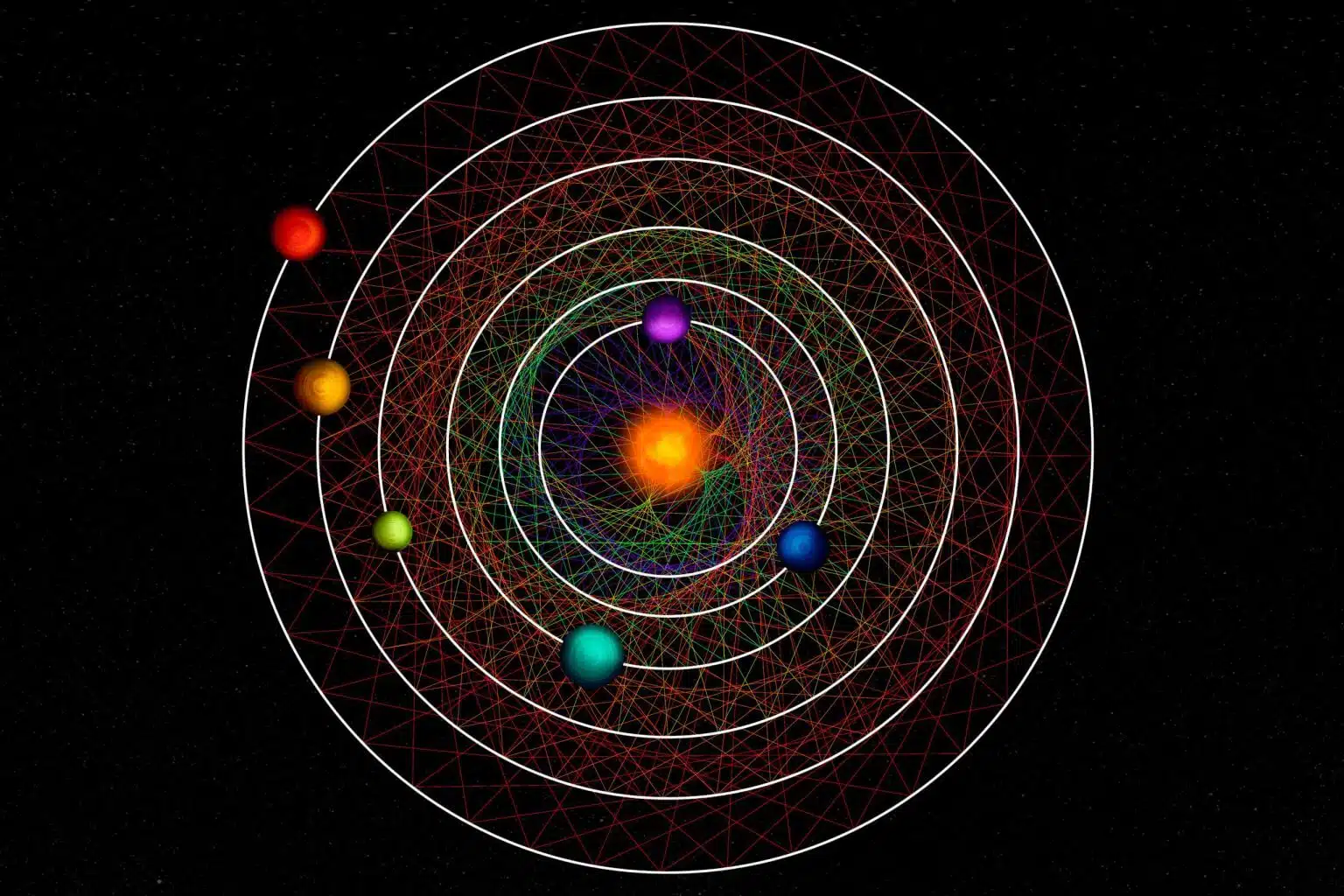
In a harmonious rhythm: deciphering the "unsolvable puzzle" of a system with six planets
Avi Blizovsky
December 14, 2023
2 תגובות
An international team of astronomers discovered a system of six planets orbiting the star HD110067 in a unique harmonic resonance
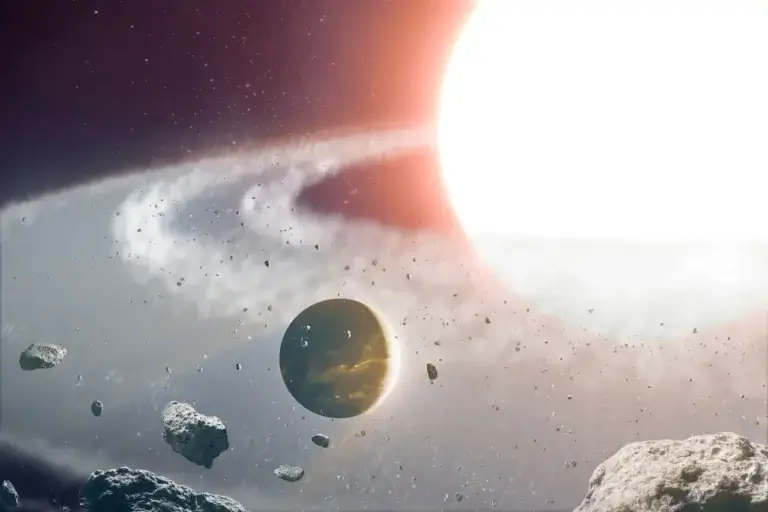
A large planet surprisingly orbits a star that was supposed to destroy it
Avi Blizovsky
October 11, 2023
2 תגובות
The TESS space telescope discovered a planet that survived a merger between two stars as the merged star swelled to become a red giant
The tripartite venture to locate planets outside the solar system
Tel Aviv University
May 3, 2021
4 תגובות
In a first-of-its-kind project in space - Tel Aviv University will mediate between the two European Gaia spacecraft and NASA's Tess to enable easier and faster discovery of planets
An unusually sized planet may be the remnant of the core of a gas giant
Ziv Adaki
July 13, 2020
3 תגובות
The TESS space telescope will be launched - will search for rocky planets in other solar systems
Avi Blizovsky
April 19, 2018
One response
Closer to home / John Mattson
Scientific American Israel
September 25, 2013
4 תגובות
Who will win the new space race? Microsoft or Google?
Yael Petar
April 19, 2009
7 תגובות
Space and astronomy
environment and energy
Computing and technology
Biology and Medicine
Society and history
Science in Israel
Main
About
Contact Us
private policies
Terms of Use
SEARCH
SEARCH
Open an access bar
Accessibility tools
Accessibility tools
Increase text
Increase text
Decrease text
Decrease text
Grayscale
Grayscale
High contrast
High contrast
Reverse contrast
Reverse contrast
Light background
Light background
Highlight links
Highlight links
Point readable
Point readable
Reset
Reset