SEARCH
SEARCH
Space and astronomy
Astrophysics
astronomy
Solar System
space missions
man in space
environment and energy
Environmental sciences - the climate crisis
Earth science
environmental issues
energy
transportation
Computing and technology
exact sciences
Computing and robotics
nano-tech
military technology
futurology
Biology and Medicine
Evolution and nature
medicine
Genetics
the brain
Society and history
Science and society
history
The skeptic
Science Fiction
Scientists
Science in Israel
Research and development in Israel
Biotechnology in Israel
Israel in space
the defense industries
Academy and education
menu
Space and astronomy
Astrophysics
astronomy
Solar System
space missions
man in space
environment and energy
Environmental sciences - the climate crisis
Earth science
environmental issues
energy
transportation
Computing and technology
exact sciences
Computing and robotics
nano-tech
military technology
futurology
Biology and Medicine
Evolution and nature
medicine
Genetics
the brain
Society and history
Science and society
history
The skeptic
Science Fiction
Scientists
Science in Israel
Research and development in Israel
Biotechnology in Israel
Israel in space
the defense industries
Academy and education
Comprehensive coverage
Ancient Egypt
Exodus from Egypt
The solar eclipse of April 8, 2024
War in the Middle East
Hayadan
>
The tarantula nebula
The tarantula nebula
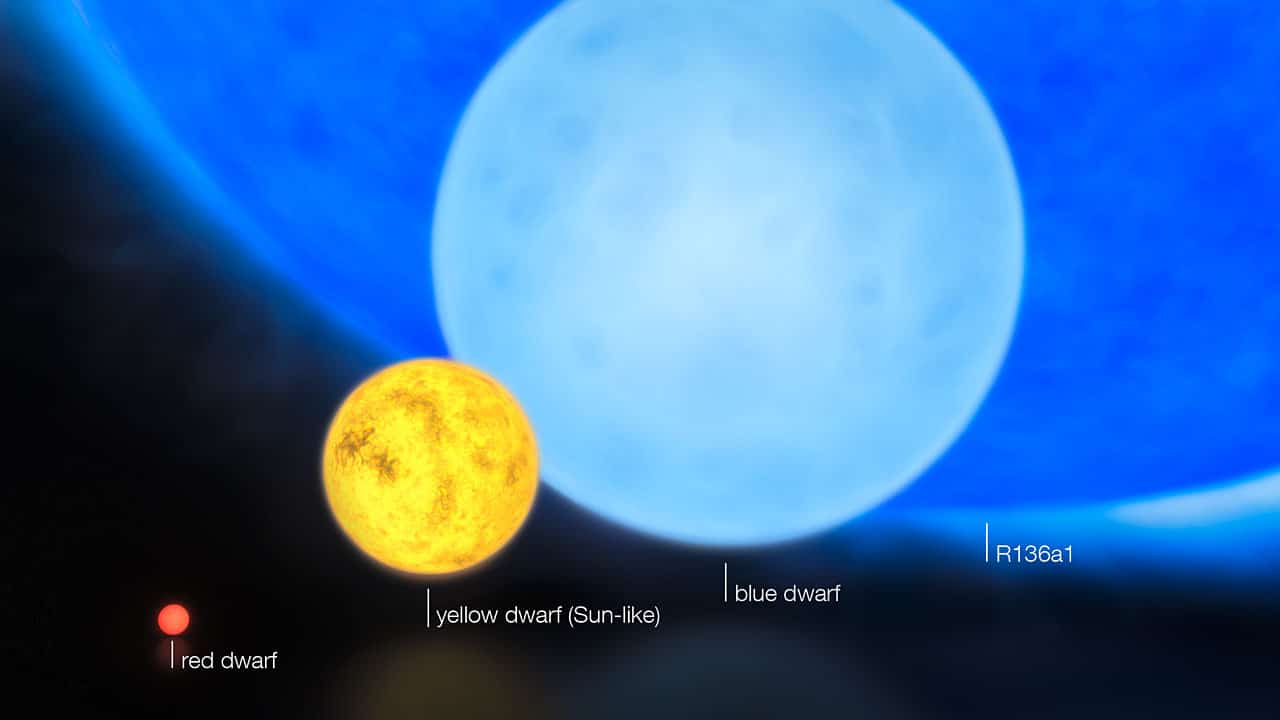
The heaviest star has been discovered - 300 times that of the Sun
Avi Blizovsky
July 23, 2010
18 תגובות
Hubble indicates 100 thousand laps
Avi Blizovsky
August 14, 2008
8 תגובות
Space and astronomy
environment and energy
Computing and technology
Biology and Medicine
Society and history
Science in Israel
Main
About
Contact Us
private policies
Terms of Use
SEARCH
SEARCH
Open an access bar
Accessibility tools
Accessibility tools
Increase text
Increase text
Decrease text
Decrease text
Grayscale
Grayscale
High contrast
High contrast
Reverse contrast
Reverse contrast
Light background
Light background
Highlight links
Highlight links
Point readable
Point readable
Reset
Reset