
Hayadan > Climate crisis
Climate crisis

- Avi Blizovsky
- No comments
100,000-year simulations, published in Nature Climate Change, show that more snow and clouds protect East Antarctica even with warming of more than 10 degrees. In contrast, West Antarctica and Greenland are expected to

- Avi Blizovsky
- 2 comments
The book by Naomi Orskis and Eric M. Conway was published in Hebrew by the Open University Press, and critics on the right were quick to dismiss it as "science fiction." They are right in the definition and wrong in the main: the drought that devastated agriculture in Syria

- Avi Blizovsky
- No comments
A study in Science Advances found that without man-made climate change, the rainfall in Storm Boris in 2024 would have been only 6%–9% lower, but flood peaks would have been 14%–22% lower. The reason: saturated, non-absorbent soil

- Avi Blizovsky
- No comments
Aircraft measurements over the Amazon from 2010 to 2024 show that the region emitted an average of 1.17 billion tons of carbon dioxide per year more than Chile. According to the researchers, the main cause is fires and deforestation, which are intensifying in droughts.

- Avi Blizovsky
- No comments
Climate models suggest that an average El Niño-like state will persist, driven by deep-sea warming. Moving to net zero emissions earlier will reduce the change, but will not necessarily restore the ocean to its previous state.

- Avi Blizovsky
- No comments
According to the Central Bureau of Statistics, the rate of waste sent for recycling fell from 25.6% to 24.4% in 2024, and the amount of waste sent to landfill increased to 4.82 million tons. State Comptroller reports and journalistic investigations indicate a gap between government promises and reality.

- Avi Blizovsky
- No comments
Annual monitoring report indicates second worst year since measurements began; shrinking glaciers provide less water overall, even as melting accelerates

- Avi Blizovsky
- No comments
A new report by the United Nations Environment Programme states that even in the most optimistic scenario, warming will peak at around 1.8 degrees. Returning below the threshold set in the Paris Agreement is only possible through immediate cuts

- Haifa University
- No comments
Physiological studies show that the human body's ability to dissipate heat is already limited in milder conditions than previously assumed. Another Israeli study found that during summer days, an increase from 27 to 32 degrees was associated with

- Avi Blizovsky
- No comments
Analysis of ice age climate events using three models suggests another role for the Atlantic current system: When it is strong, more heat is released from the Earth; when it weakens, the oceans accumulate

- Avi Blizovsky
- One response
A study in Science developed a quantitative method to reconstruct the density of ancient forests and found that heat and dryness outweighed the effect of carbon dioxide “fertilization.” The findings illustrate why canopy expansion in some areas is not balancing

- Tel Aviv University
- No comments
A model developed by Tel Aviv University researchers ranks Red Sea fish according to their likelihood of establishing themselves in the Mediterranean. Leading candidates include the star pufferfish, seven-spined wrasse, and yellow-spotted wrasse.

- Avi Blizovsky
- One response
A study from the Hebrew University of Jerusalem found that the impact of aerosols on climate also depends on time and the rate of change. The researchers emphasize that this is not a solution to the climate crisis, but rather an improvement in the understanding of climate models.

- Avi Blizovsky
- No comments
In a lecture at the 54th Annual Conference on Science and the Environment, Gila Loika of Google Research presented artificial intelligence systems for warning of earthquakes, fires, hurricanes and floods. While the impressive progress is impressive, the systems do not predict every disaster with certainty.

- Avi Blizovsky
- No comments
As the evidence for warming becomes more tangible, climate denial is not disappearing but changing form: Instead of simply challenging the science, populist leaders are portraying climate policy as a conspiracy by experts and elites against “the citizens.”

- Avi Blizovsky
- No comments
At the 54th Annual Science and Environment Conference in Jerusalem, the President of the State called for regional cooperation in the areas of climate, energy and food security. The Mayor of Jerusalem presented the alternative to the White Ridge Plan, and during the conference, awards were presented

- Avi Blizovsky
- One response
Climate engineering by reflecting some of the sun's radiation is a real, dangerous, and controversial field of research that justifies regulation and transparency. However, in the Knesset debate, the scientific issue was mixed with conspiratorial claims about existing "sprays" in the sky.

- Dr. Asaf Rosenthal
- No comments
After decades in reserves, deserts and savannas, Dr. Assaf Rosenthal summarizes his environmental credo: Nature is not a tourist product or an unlimited reservoir of resources, but the living system on which it relies.

- Avi Blizovsky
- No comments
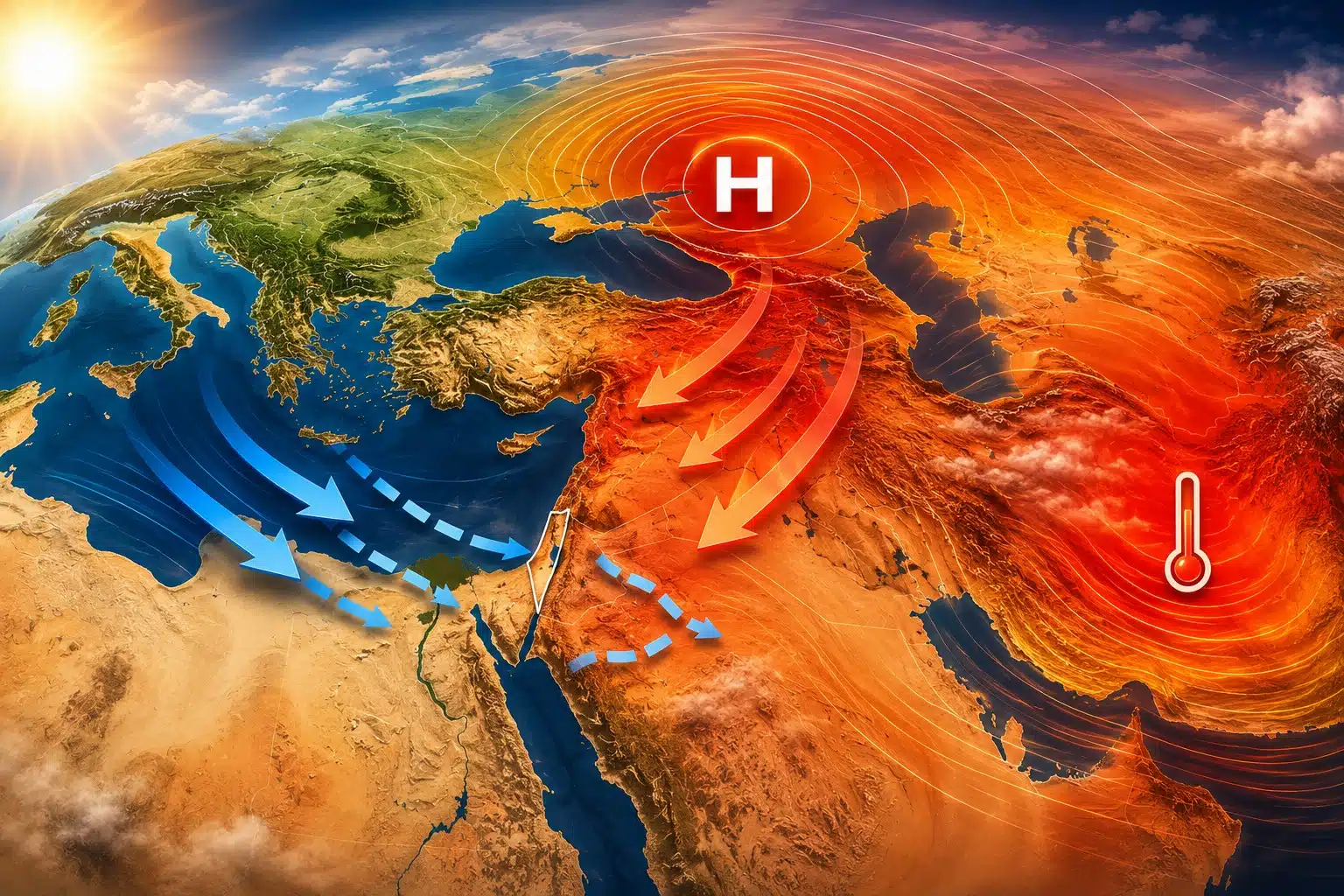
Europe didn't get a new climate overnight, but its starting point changed quickly. The same atmospheric pattern that brought heat in the past is now producing much higher temperatures, as the continent has already warmed by about 2.5 degrees Celsius.
- Avi Blizovsky
- One response
The heat wave in Israel may actually have started with atmospheric changes occurring thousands of kilometers away. A new study has found that models are successfully reproducing the heat wave – but not always the warning signs that preceded it.

- Avi Blizovsky
- No comments
Subtitle: Global review in PNAS finds 152 animal species associated with glaciers and ice sheets, including 73 species recorded only in glacial habitats. Glacier retreat could wipe out entire ecosystems

- Avi Blizovsky
- 3 comments
An international scientific update states that the Earth's energy imbalance is at its peak. Most of the heat is absorbed by the oceans, but the consequences are felt in heat waves, rising sea levels and changes in precipitation.

- Davidson Institute
- 3 comments
New research suggests accurately mapping pasture areas where stopping cattle grazing would allow vegetation and soil to be restored, sequester large amounts of carbon dioxide, and reduce the damage to meat and milk production.

- Avi Blizovsky
- No comments
A three-year study of corals from the Gulf of Eilat has found cyclical patterns of reproductive hormones, including estrogen and progesterone. The findings may help in the future with early detection of damage to the reproductive capacity of coral reefs.

- Avi Blizovsky
- 3 comments
A new report from the United Nations University warns that the growth of AI is creating a vast environmental footprint: data centers, cooling, power generation, mineral mining, e-waste, and inequality between countries that deploy the technology and those that do not.

- Avi Blizovsky
- No comments
The development of El Niño in the Pacific Ocean is expected to increase extreme events in the coming months. But researchers emphasize that the climate crisis is the main factor that is intensifying the danger to health, forests, and ecosystems.

- Avi Blizovsky
- No comments
New study presents direct observational evidence of a weakening of part of the Atlantic overturning current system. Researchers warn of possible impacts on European winters, rainfall, storms and sea level rise

- Avi Blizovsky
- One response
An initiative that began in 2019 among 27 law students in Vanuatu led to a historic opinion from the International Court of Justice. Now the Pacific island nations are trying to turn the ruling into a roadmap at the UN: Less

- Avi Blizovsky
- No comments
An article in The Conversation argues that the gap between public support for reducing emissions and the continued use of fossil fuels stems from power structures, inequality, and perceptions that limit the sense of what is possible.

- Avi Blizovsky
- No comments

- Avi Blizovsky
- No comments

- Avi Blizovsky
- No comments
A report by International IDEA found that at least 94 elections and referendums were disrupted between 2006 and 2025 due to floods, fires, heat waves and storms.

- Tel Aviv University
- One response
The GOFLOW system, developed under the leadership of Tel Aviv University, allows for the identification of subtle flow movements in the ocean and may improve models of the climate crisis, storms, and heat and gas exchange between the sea and the atmosphere.

- Avi Blizovsky
- One response
The ECMWF and WMO European Climate Status Report found that 95% of Europe experienced above-average heat, 70% of rivers flowed below average, and more than 10,000 square kilometers burned.

- Avi Blizovsky
- No comments
Researchers at Ben-Gurion University found that increasing the number of water sources from one to three increased the proportion of males participating in reproduction, offering a simple and non-invasive conservation tool.

- Avi Blizovsky
- No comments

- Avi Blizovsky
- 8 comments
For the first time, the World Meteorological Organization has added the “Earth’s Energy Imbalance” index to its annual climate report — an index that illustrates how quickly the climate system is gaining heat.

- Avi Blizovsky
- One response

- Avi Blizovsky
- 5 comments
The Stanford University biologist and environmentalist was one of the most influential and controversial voices in environmental science: a leading scientist in the field of ecology, who warned about population pressure on natural systems many years before the climate crisis became a reality.

- Avi Blizovsky
- 2 comments
A global analysis of temperature and humidity from 1950 to 2024 shows that the number of hours during which heat and humidity limit safe daily activity has increased sharply, especially for those aged 65 and over and in hot, vulnerable areas.

- Avi Blizovsky
- No comments
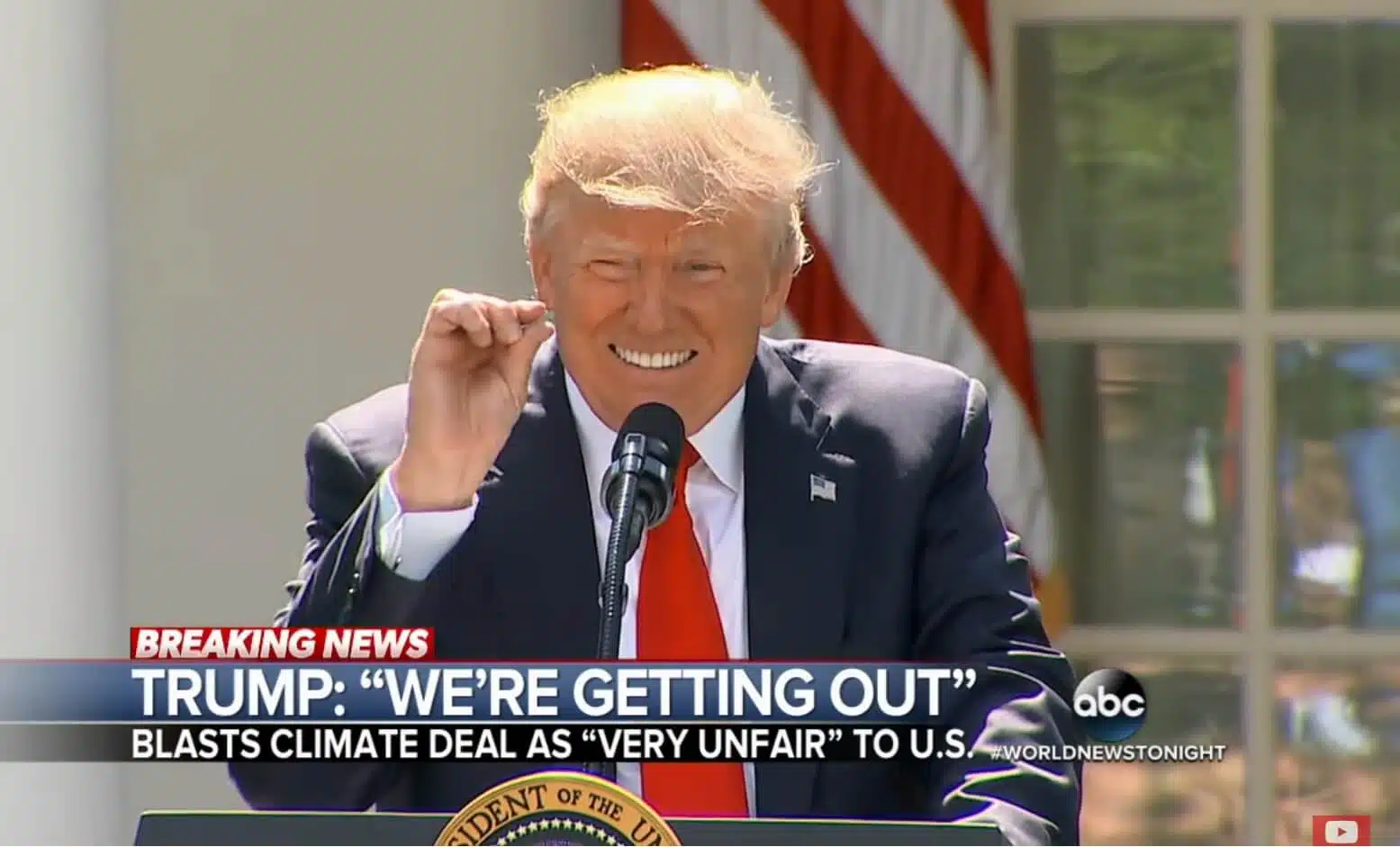
The EPA's reversal of the risk finding marks a sharp turn in American climate policy, but even though China is a leader in the production of green technologies, it is still unclear whether anyone is willing to fill the political vacuum that Washington is leaving.

- Avi Blizovsky
- One response

- Avi Blizovsky
- 2 comments
Long-term monitoring data in Brazil, Panama and Ecuador indicate a sharp decline in birds, especially insectivorous species, and it is possible that the climate crisis and the decline in insect numbers are destabilizing tropical forest ecosystems.

- Avi Blizovsky
- One response
Analysis of five global datasets shows that the rate of warming in the past decade is almost double that measured between 1970 and 2015

- Avi Blizovsky
- No comments
Researchers have detected and measured a pollution plume following the breakup of a Falcon 9 rocket stage in the upper atmosphere (approximately 80–110 km) after an uncontrolled reentry in February 2025—and warn that commercial space activity is expanding faster than oversight

- Avi Blizovsky
- No comments
Analysis of 16 “tipping points” suggests that the accumulation of feedbacks – from forests to glaciers and oceans – could accelerate warming even if emissions fall in the future, creating a “desert” of climate stability
- Avi Blizovsky
- No comments
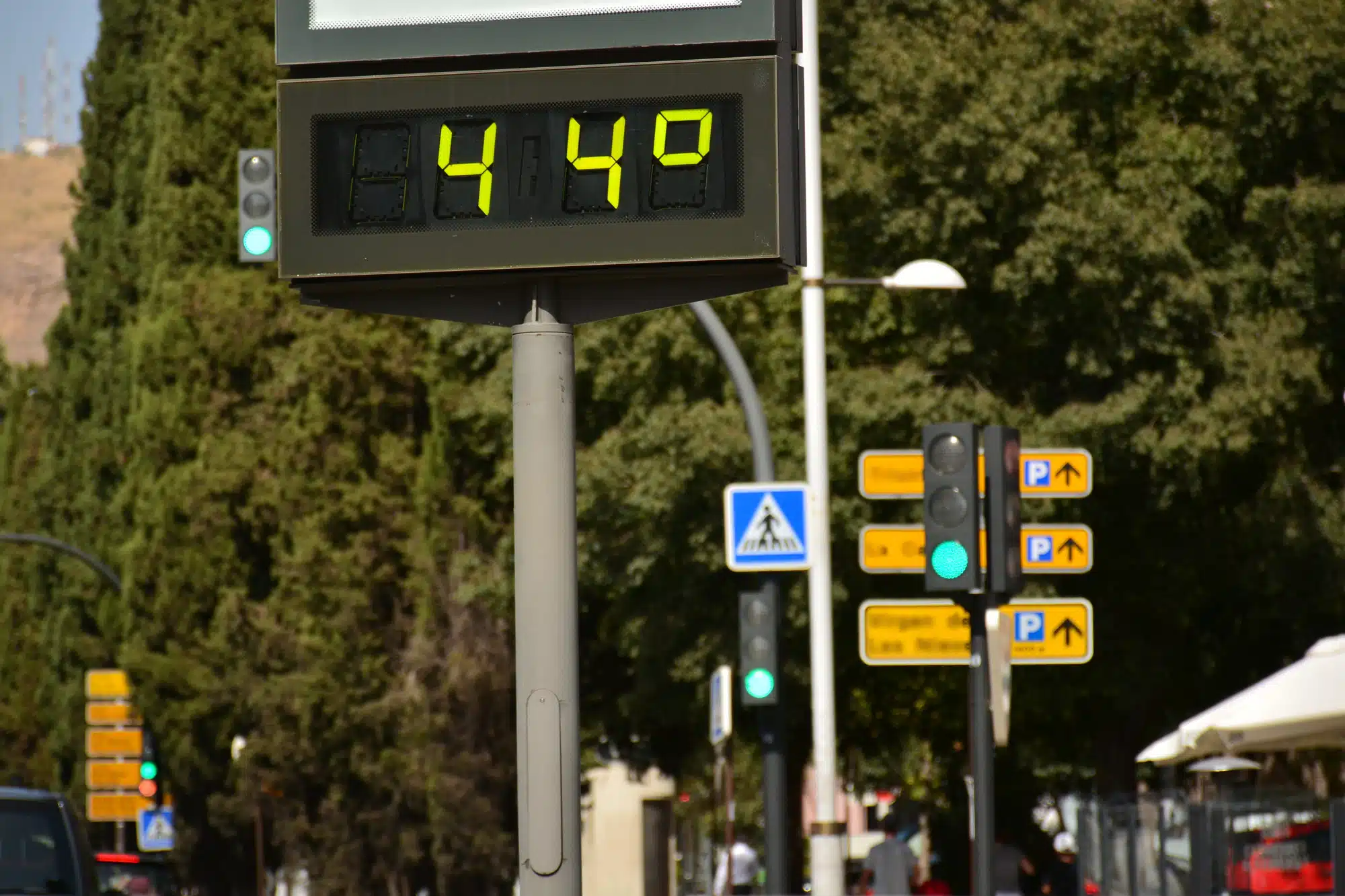
Exposure to extreme heat is associated with real health risks — heat stroke, worsening of cardiovascular disease, and harm to at-risk populations such as the elderly, children, and outdoor workers.

- Angle - a news agency for science and the environment
Since 2021, Milofri Corporation's avocado plantations have been undergoing "field remnant" restoration and opening passages for small animals, with the aim of connecting a continuum of habitats from Rosh HaNikra to the Haifa area - and also improving

- Avi Blizovsky
- No comments
Stomata In-Sight combines live microscopy with a controlled leaf cell, enabling the connection between stomata opening and water loss and CO₂ uptake