Citizen science

One of the early test images taken by SPHEREx in April 2025. It shows a section of the sky at a wavelength, or color, of AE, which is invisible to the human eye but represented here in visible color. This particular wavelength (3.29 microns) reveals a cloud of dust made of a molecule similar to soot or smoke. Credit: NASA/JPL-Caltech

NASA's SPHEREx maps the Vengeance in infrared in 102 colors

The SPHEREx telescope, launched in 2025, scans the entire sky in unprecedented detail, detects water and organic compounds, and examines the moments of creation – and all the information is freely accessible to researchers and the public.
MethaneSAT satellite. Illustration courtesy of the Environmental Defense Fund (EDF)

Jeff Bezos' climate change monitoring satellite shuts down – and becomes space junk

MethaneSAT, the first environmental satellite operated by a civic organization, shuts down after 15 months of operation. Researchers: "The information collected has already changed the rules of the game in monitoring methane emissions"
A simulation of a possible explanation for the speed of an L substar named CWISE J124909+362116.0 shows it as part of a binary star pair that ended in a supernova explosion of the white star. Credit: Adam Makarenko / WM Keck Observatory

An extremely fast star has been discovered speeding through the Milky Way at a speed of 2.1 million km/h

The planet was discovered thanks to the efforts of 80 participants in a citizen science project called "Rear Worlds: Planet 9" and a team of astronomers from all over the United States

Want to participate in the experiment?

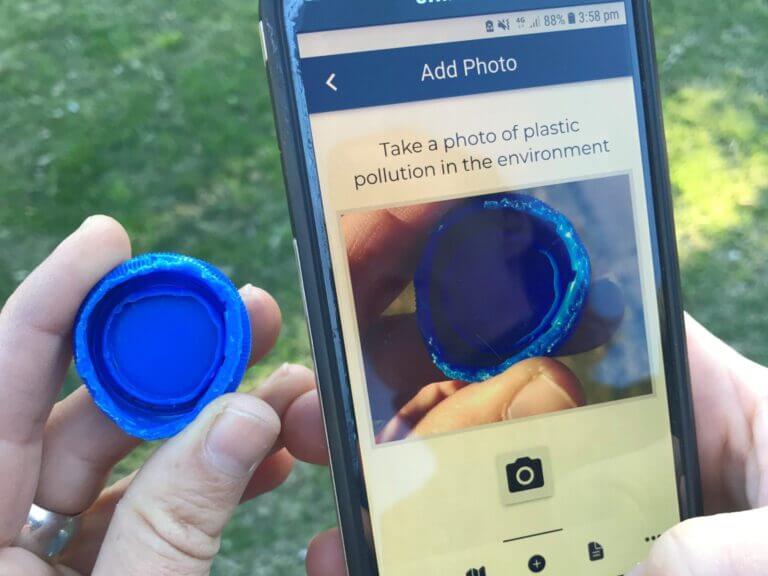
The accessibility and popularity of smartphones have made collaboration between scientists and the general public easier than ever. Through various apps and websites, citizens can report sightings or information found in their surroundings, and finally