back to the moon

Seconds before the Artemis II spacecraft lands. Screenshot: NASA

Live broadcast: Artemis II landed safely

Orion's first crewed deep-space test flight tested launch, flight, return and recovery systems — paving the way for the next phase of the lunar return program
On April 7, 2026, the Artemis II crew was captured in a rare moment of shared embrace inside the Orion spacecraft on the way back from the Moon. Pictured are Christina Koch, Jeremy Hansen, Reed Wiseman, and Victor Glover. The crew members were selected in April 2023 and trained together for three years in preparation for the mission. Photo: NASA

Artemis II Day 9: Orion orbit correction complete, preparing for atmospheric reentry and landing near San Diego

In the past 24 hours, NASA completed another correction maneuver on the way back from the moon, restored contact after a brief communications glitch, and accelerated final preparations for atmospheric entry. Now all eyes are on the heat shield.

Not all cold traps at the moon's south pole preserved ice equally well

New scientific evidence suggests that ice has been accumulating on the moon for the past billion and a half years, revealing where it's best to look for it.
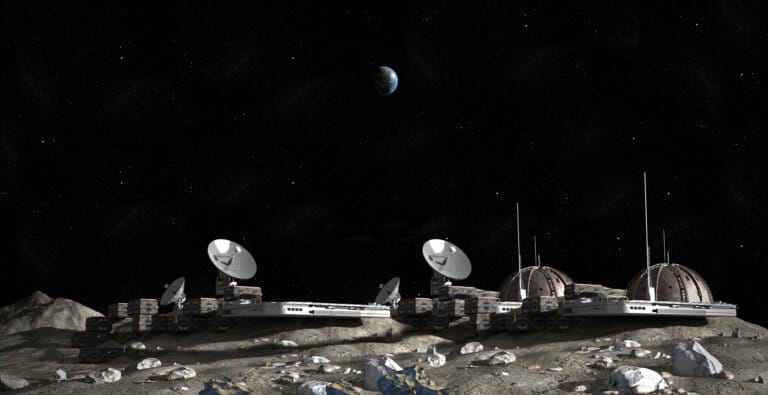
Moon colony. Illustration: depositphotos.com

Life on the Moon Won't Be Romantic: This Is What the True Test of the Human Body Will Look Like

In preparation for an extended stay on the lunar surface, scientists warn of a dangerous combination of low gravity, cosmic radiation, lunar dust, isolation, and possible damage to bodily systems.
Artemis II crew members celebrate the completion of the passage behind the moon, April 7, 2026. Photo: NASA

Artemis II on the way back: Completed transit around the moon, human distance record broken, and viewing a solar eclipse

Update 7/4 14:00: Orion passed behind the moon, came within 6,546 kilometers of the surface, set a new record of 406,770 kilometers from Earth, and also photographed areas from the far side.
In this fully illuminated photo of the Moon, taken by the Orion spacecraft, the near side of the Moon is visible on the right with the dark lava plains familiar from Earth-based observations. To the left is the Orientale Basin, a giant crater about 966 km wide that crosses both the near and far sides. Credit: NASA.

Day 6, Live: Artemis II Around the Moon; Orion Breaks Human Distance Record and Enters Mission Highlights

The Artemis II crew surpassed the record of Apollo 13, making a historic pass around the moon and entering a window of scientific observations, communications blackout and a solar eclipse as seen from the spacecraft.
The Moon as photographed from the window of the Orion spacecraft at the end of Artemis II's fifth flight day (April 6, 2026), shortly before the historic pass around the far side of the Moon. Credit: NASA.

Live broadcast: The decisive day – Artemis II preparing to pass around the far side of the Moon

NASA reports that Orion is on a precise trajectory for its passage around the moon on April 6, 2026. During the orbit, astronauts are expected to break the record for the distance humans have traveled from Earth and pass behind the moon.
Astronaut Christina Koch controls the Orion spacecraft during a manual flight test on day four of the Artemis II mission. She is flanked by Canadian Space Agency astronaut Jeremy Hansen and astronaut Victor Glover. Credit: NASA

Artemis II Day 4: Crew practices manual flight of Orion and approaches historic flyby around the moon tomorrow

NASA reported that Christina Koch and Jeremy Hansen took manual control of the spacecraft for 41 minutes, while the entire crew completed scientific preparations for the lunar flyby on April 6. At the same time, NASA
A view of Earth taken by NASA astronaut and Artemis II commander Reid Weisman from one of the Orion spacecraft windows after completing the lunar orbit injection maneuver on April 2, 2026. The image shows two auroras, at the top right and bottom left, while the **Zodiac Light** is visible at the bottom right as the Earth obscures the Sun. Credit: NASA

Artemis II Day 3: Orion continues precisely toward the Moon without need for trajectory corrections; the receding Earth is fully imaged

After the lunar orbit injection, the mission control center determined that the spacecraft was already on the correct path to pass near the moon on April 6, and the team began preparations for the scientific observation window around the moon.
An image of the Artemis II spacecraft orbiting the Moon. The transit is expected on April 6. Photo: NASA

Artemis II left Earth orbit and headed for the Moon

Artemis II has completed a lunar injection maneuver and left Earth orbit. The Orion spacecraft and its four crew members are making their way to the Moon in a historic NASA mission.
A view of Earth from NASA's Orion spacecraft as it orbits the planet during the Artemis II test flight. The spacecraft launched on Wednesday, April 1, 2026, for a mission of about 10 days around the moon and back to Earth. Credit: NASA

Live broadcast: Artemis II nears lunar landing: orbit change maneuver expected tonight (Thursday-Friday)

After completing the first orbit maneuvers around Earth and a close flight demonstration, NASA is preparing for the ignition that will send Orion into a free-return orbit around the moon; a brief communication loss was also reported in the first hours of the mission
The Artemis II SLS launcher with the Orion spacecraft on its way back to the assembly building at the Kennedy Space Center in February 2026, after being returned to fix a helium flow problem. NASA has now approved moving forward again towards a launch attempt in April. Photo: NASA

NASA approves Artemis II for April launch to orbit the moon

The Artemis II spacecraft aboard the SLS launchers on February 2, 2026. Credit: NASA/John Kraus

NASA changes Artemis program: Artemis 3 will not land astronauts on the Moon

Instead of a crewed landing in 2027, Artemis 3 will become a test mission in Earth orbit, while the program's first crewed landing is now postponed to Artemis 4 in 2028.
Illustration of the Artemis II spacecraft's trajectory and the lack of radiation protection for most of the trajectory. A. Fisher/Science

Artemis II returns humans to lunar orbit – and cosmic radiation becomes the main health challenge

Space and astronomy, space medicine, cosmic radiation, Artemis II, NASA, Orion, space flight safety, personalized medicine
A photo of the SLS rocket with the Orion spacecraft on launch pad 39B at the Kennedy Space Center during preparations for refueling. NASA photo, January 29, 2026

Unusually cold weather in Florida postponed Artemis II's wet general reentry to Monday and the launch itself a week later.

There are only three possible dates left for the February launch window: February 8, 10, and 11. If that is not possible, a postponement to March or April will be required.
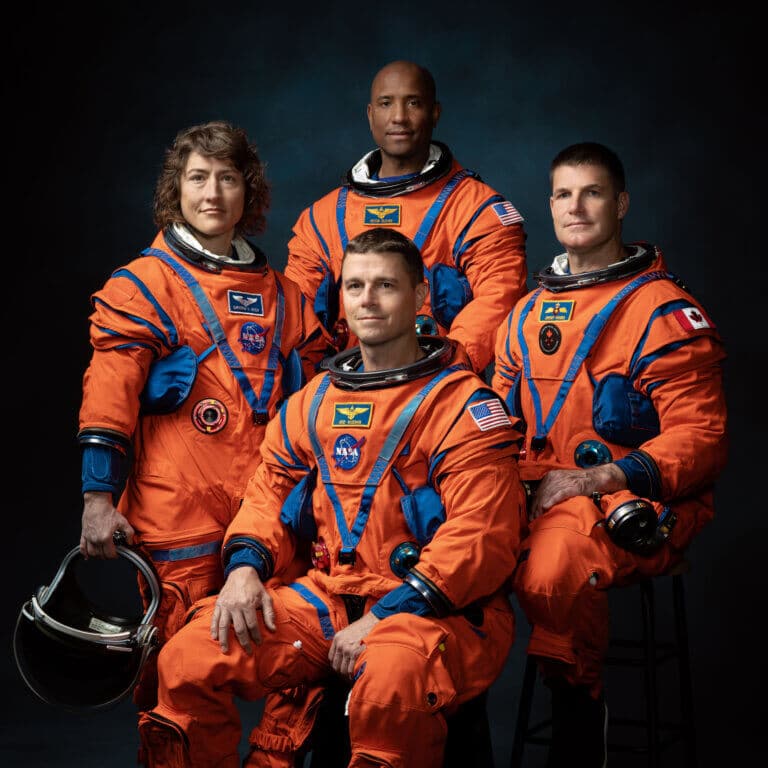
Artemis II crew members who will orbit the Moon: NASA's Reed Wiseman, Victor Glover and Christina Koch, along with Canadian Space Agency (CSA) astronaut Jeremy Hansen. Photo: NASA

Randy “Comrade” Bresnik of NASA presented at the Ilan Ramon conference: This is how the Artemis program returns humanity to the moon

At the 21st Ilan Ramon International Space Conference, a NASA astronaut described Artemis II as the first manned step around the moon, and Gateway as the interim station for the era after the International Space Station.
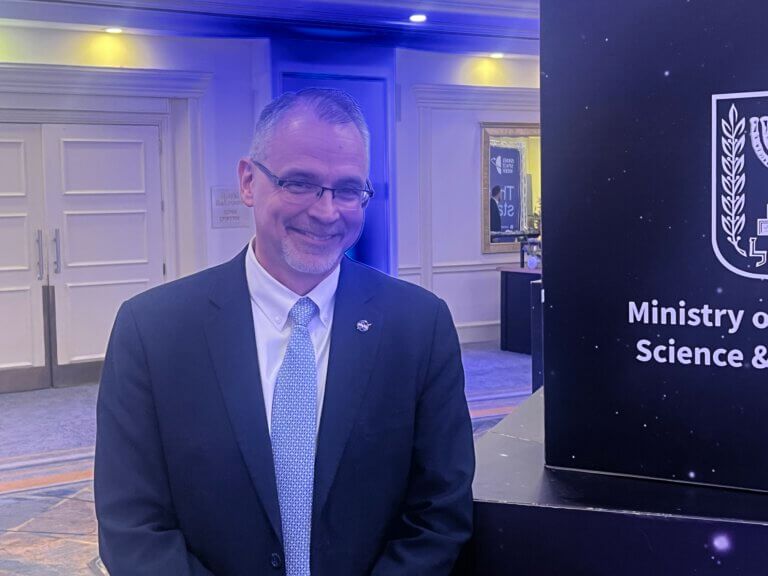
Amit Kshetriya, deputy administrator of NASA, at the 21st Ilan Ramon Space Conference held at Tel Aviv University, January 28, 2025. Photo: Avi Blizovsky

Risk management on the way to the moon

Amit Kshatriya, the deputy administrator of NASA, said at the 21st Ilan Ramon Space Conference held in Tel Aviv that the lessons of the Challenger and Columbia disasters, as well as the recent incident in which they were returned, must be internalized.
A lunar colony, also including energy solutions. Illustration: depositphotos.com

NASA and the Department of Energy: A nuclear reactor on the moon by 2030

New MoU Promotes Fission-Based Power System for Artemis Missions, with Target for Multi-Year Operation Without Refueling
Illustration of mining activity on the moon. Credit: NASA

The race to mine resources on the moon has already begun – and it requires clear international rules of the game.

Countries and companies are racing to develop lunar mining infrastructure, but international law remains in the Cold War era – and ambiguity could ignite conflict
Apollo 17 astronaut Harrison H. Schmitt samples a rock at Station 7, at the foot of the North Mountain in the Taros-Littrow Valley. The large rock was dislodged by a powerful moonquake about 28.5 million years ago, likely the result of activity on the Lee-Lincoln Fault. Credit: NASA/JSC/ASU

Moonquakes could threaten future manned missions and infrastructure

New study reveals that moderate-intensity tremors associated with the Lee-Lincoln fault in the Taros-Lytaro Valley could endanger permanent bases as part of the Artemis program
An artistic rendering of NASA's next-generation lunar rover on the surface of the moon. Credit: NASA

NASA's new lunar rover will search for ice, measure minerals, and reveal what lies beneath the surface

Three scientific instruments will reveal water and minerals, enabling a deeper understanding of the Moon ahead of humans' return to it as part of the Artemis program
An artist's rendering of the design of NASA's Volatiles Investigating Polar Exploration Rover (VIPER). Its mission was to closely examine the location and concentration of ice and other resources at the lunar south pole Credit: NASA/Daniel Rutter

NASA has terminated the VIPER lunar rover project

NASA issued a call to private companies that want to continue the project without government funding. NASA will focus on future lunar missions utilizing technologies and tools from VIPER
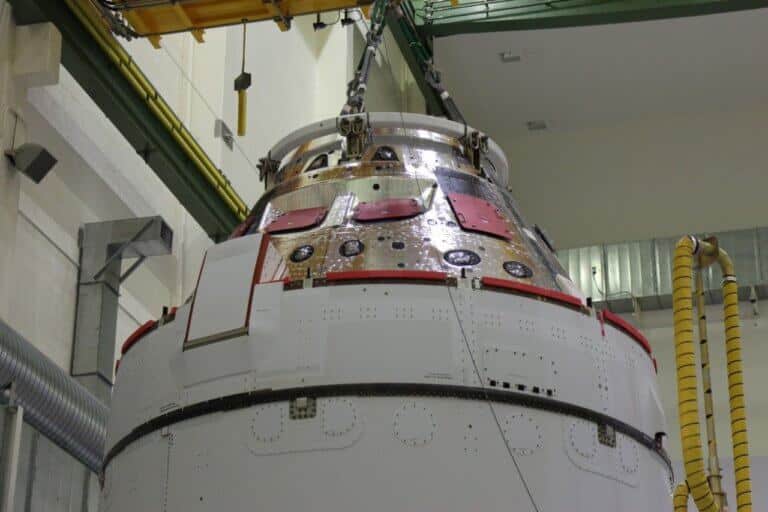
Technicians used a 30-ton crane to move the Orion spacecraft from the final assembly and systems testing chamber to the altitude chamber to undergo comprehensive leak testing and performance verification of the subsystems. Credit: NASA

The Orion spacecraft will undergo a test run in the vacuum of space without leaving Earth

The spacecraft will now undergo a series of suitability tests in an empty chamber. In the tests the spacecraft will be in a near vacuum environment by expelling air and creating a space where the pressure is very low. The result is the absence of an atmosphere, as it were
A new thermal switch device allows lunar vehicles to effectively deal with the extreme temperature conditions on the moon. Credit: Shinichiro Kinoshita, Masahito Nishikawa

Revolutionary vehicle technology curbs the moon's extreme temperatures

This technology has implications beyond lunar vehicles, in broader applications of heat management in spacecraft
SuperLimbs. Photography: Erik Ballesteros and Harry Asada

"Nahum Takum"-style robotic legs may help astronauts on the moon get up from falls

New MIT system called SuperLimbs may help astronauts conserve energy and extend missions on the moon
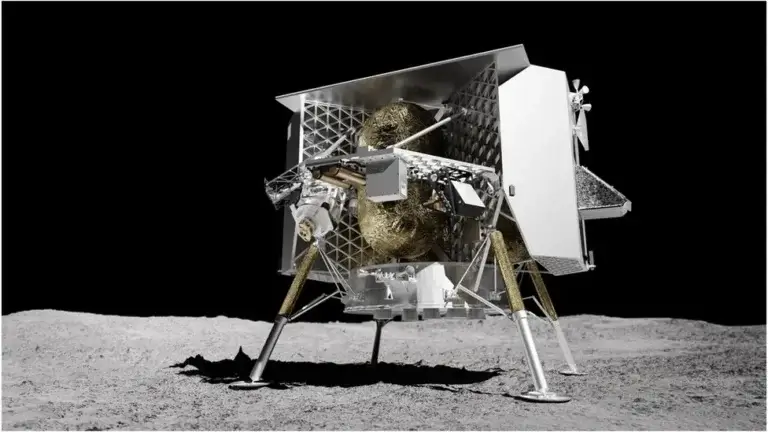
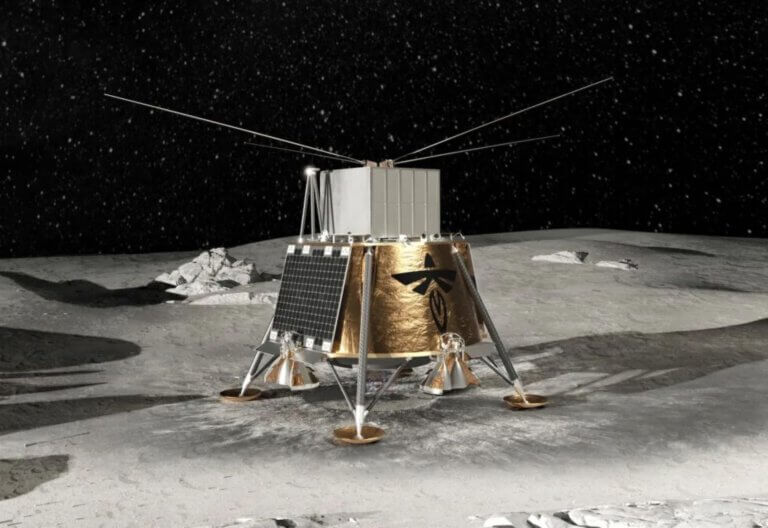
The moon lander Peregrine, as it was supposed to look immediately after landing on the moon. PR photo: ASTROBOTIC

The Peregrine lunar lander will no longer reach its destination due to a malfunction

Yesterday, after it separated from the upper stage of the Vulcan launcher, it became clear that there is a fuel leak from the spacecraft's engines that change its balance and do not allow it to generate electricity from solar energy. The Astrobotics company says that they will try
Lunar lander Peregrine inside the upper stage of the Vulcan launcher. Simulation during the launch according to real data. NASA photo

The Peregrine lunar lander was launched - the first private lander and also the first American landing since Apollo

The Peregrine lander is carrying a variety of scientific instruments to study the radiation and soil composition on the moon, along with an unusual payload that includes a small rover, a bitcoin coin, and the ashes and DNA of several celebrities - including
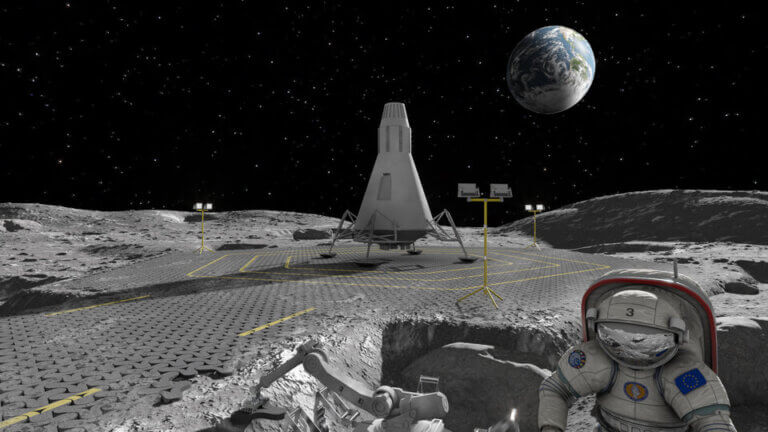
Paved surfaces around a lunar base. An artist's perception. Courtesy of the European Space Agency

How to pave roads on the moon

With the development of civilization comes roads, and this will be especially true on the moon. To do this, the dust must be kept away. In the Apollo era, dust blocked equipment and worn space suits.
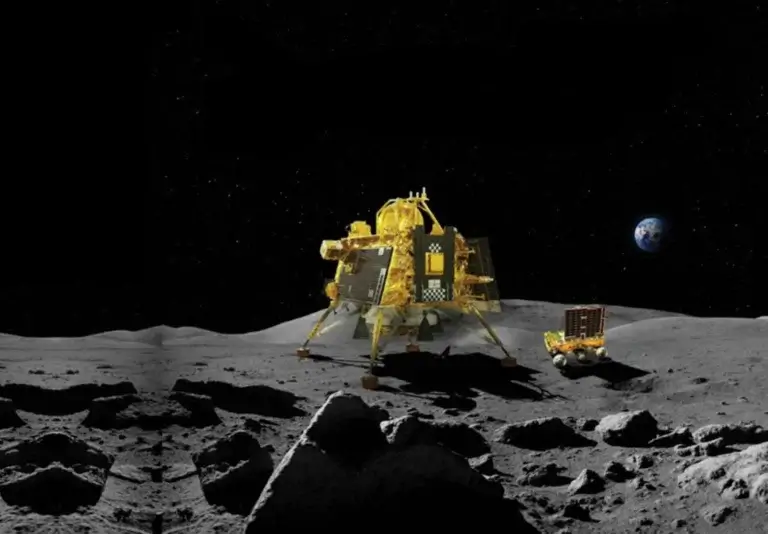
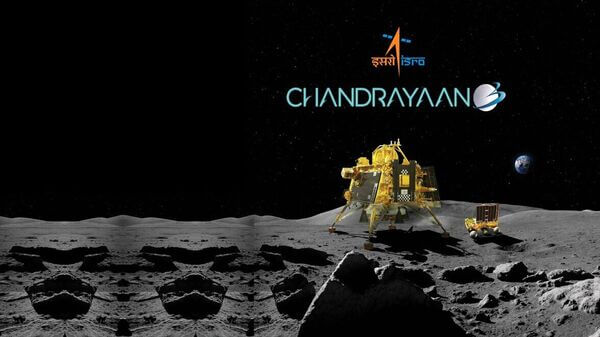
Simulation of the landing of the Chandrayaan 3 spacecraft on the moon. Image: ISRO

India's Chandrayaan-3 Landing at the South Pole of the Moon - Space Policy Expert Explains the Context

The fact that so many nations - the United States, Russia, China, India, Israel - and even commercial entities are interested in landing on the moon means that there are many opportunities to create new partnerships
Chandrayaan 3 mission logo. Courtesy of Indian Space Research Organization - ISRO

The Indian spacecraft Chandrayaan 3 has landed safely on the moon. Live Broadcast

The spacecraft made history as the first to land on the south pole of the moon. India became only the fourth country to make a soft landing on the moon
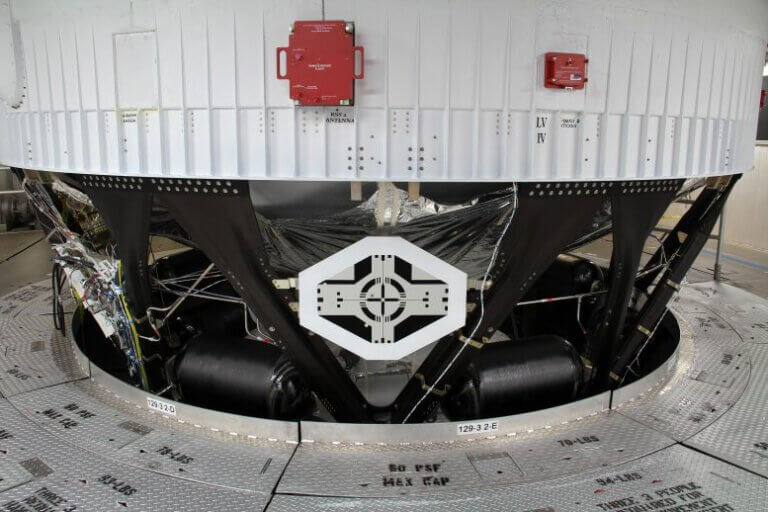
The auxiliary purpose is essential for NASA's Artemis II mission. Credit: ULA

Moon in the crosshairs: Technicians add "target" to Artemis II rocket

The four astronauts aboard Orion will use a target attached to the space propulsion stage to demonstrate approach operations to test Orion's navigation capabilities. The target underwent illumination tests in May to ensure it could be seen
Artist's illustration of the LuSEE-Night radio telescope on the Moon. (credit: NASA/Tricia Talbert)

Building telescopes on the moon could change the face of astronomy - and it is becoming an achievable goal

The moon still has much to tell us about the origin and development of the solar system. It also has scientific value as a platform for observational astronomy
Amit Kshatriya is Deputy Associate Director of the Lunar to Mars Program Office at NASA's Exploration Systems Development Mission Directorate. Credit: NASA

NASA launched the Moon to Mars Program Office

The Space Operations Mission Directorate remains responsible for all space operations in low Earth orbit and focuses on the space station, space communications, and navigation that support all of NASA's human exploration and science missions.
NASA's Artemis II mission crew (left to right): NASA astronauts Christina Mick Cook, Reid Wiseman (seated), Victor Glover and Canadian Space Agency astronaut Jeremy Hansen. Credit: NASA

NASA has announced the four astronauts who will orbit the moon on the Artemis II mission, the first since Apollo.

Among the four are Victor Glover who spent six months on the International Space Station, but at NASA for some reason they emphasize the color of his light, as well as Christina Hemock Cook - the first woman to fly to the lunar orbit
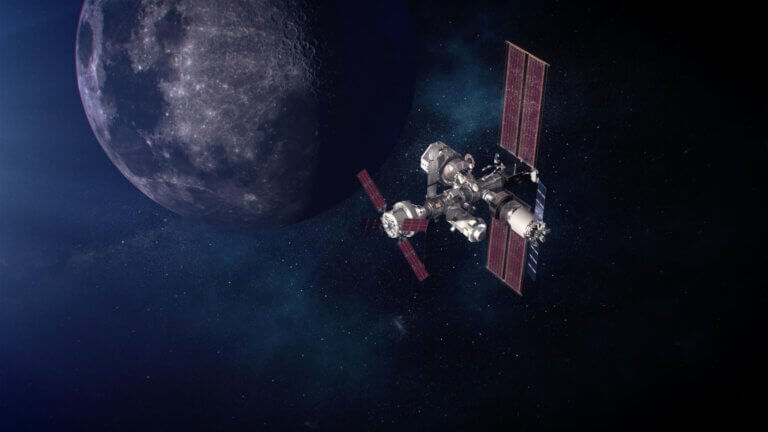
Artist's impression of the Moon Gate, a habitat, refueling and research center for astronauts exploring the Moon as part of the Artemis program. Credit: NASA/Alberto Bertolin

what time is it on the moon Researchers suggest applying the time zone method to the moon as well

what time is it on the moon Researchers suggest accommodating the time zone system on the moon as well
Jim Frey, NASA's associate director for exploration systems development (manned flights), at the 18th Ilan Ramon conference in Tel Aviv. Photo: Avi Blizovsky

The Artemis program is progressing while dealing with budget constraints and inflation

NASA's associate director for exploration systems development (manned flights), Jim Frey, provided updates on the progress of the Artemis program in an interview with the science website
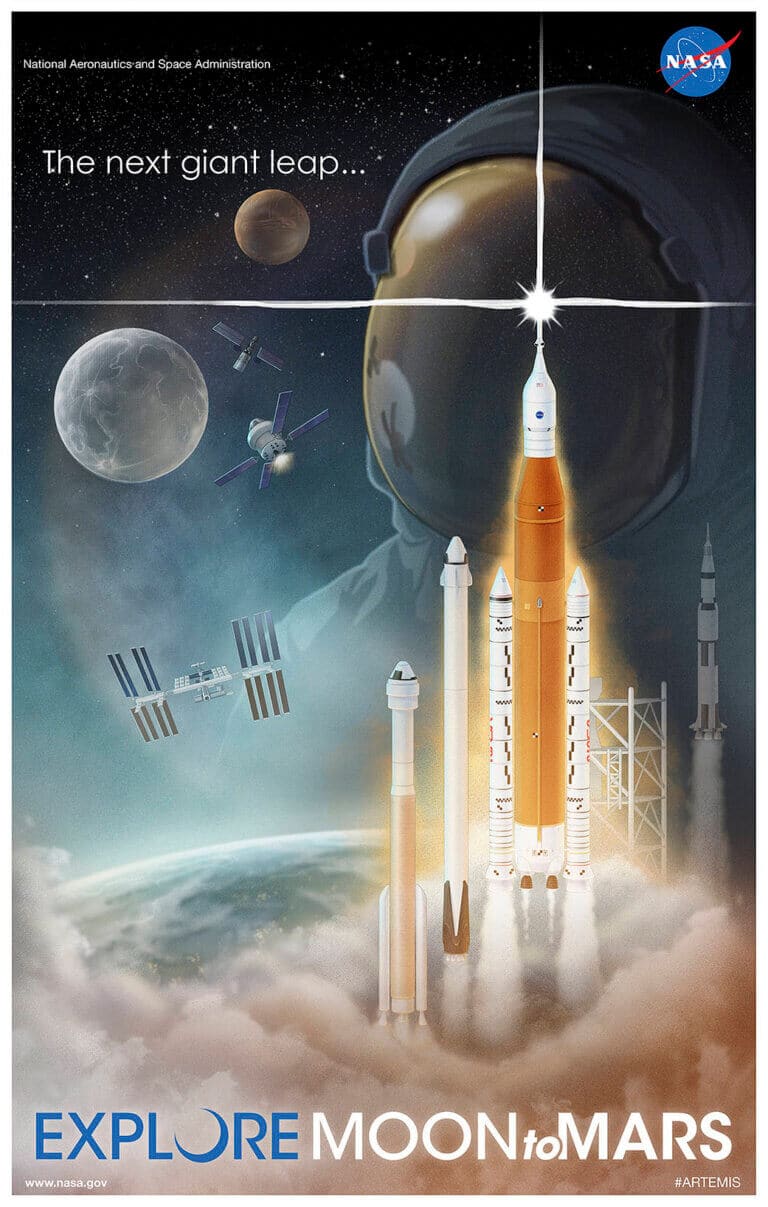
A NASA poster for the launch of the Artemis 1 spacecraft on the SLS rocket. Image: NASA

NASA's Artemis 1 mission will be launched on Monday at 15:33 - what to expect and why it is important

The mission, whose launch is scheduled for Monday, August 29, 2022, is a test flight - without a crew - of the launch system into space and the Orion crew compartment. NASA hopes it will pave the way for routine exploration of
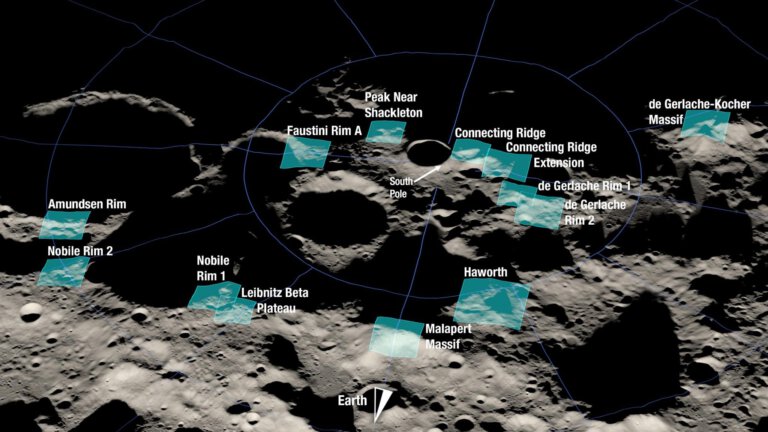
Rendering of 13 candidate landing zones for Artemis III. Each area is about 15 by 15 kilometers. A landing site is a location within those areas with a radius of about 100 meters. Credit: NASA

NASA identifies sites on the moon for the next US manned landing

NASA will discuss the formation of the final sites with the scientific community and with SpaceX whose landing vehicle, Starship is manufactured according to its capabilities
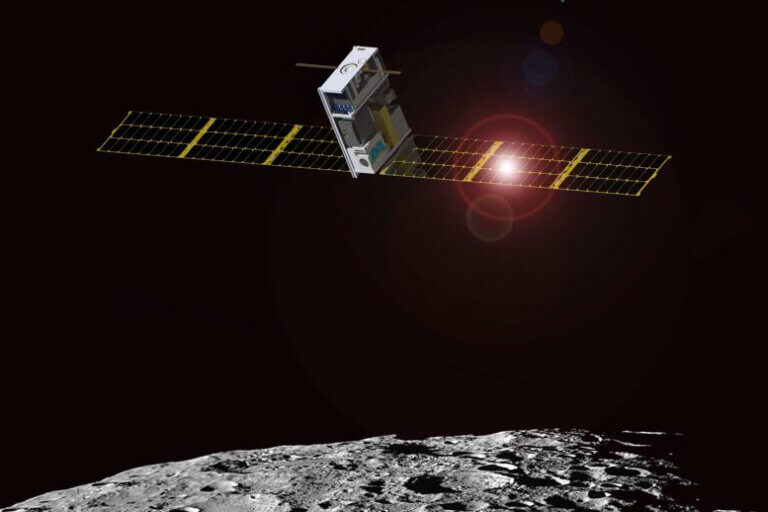
Illustration of Lunar IceCube in orbit, exploring the ice on the moon. Credit: Morehead State University

The tiny satellite revolution is coming to the moon

NASA's Lunar IceCube -- Cubesat for observing the moon ready for Artemis 1 launch
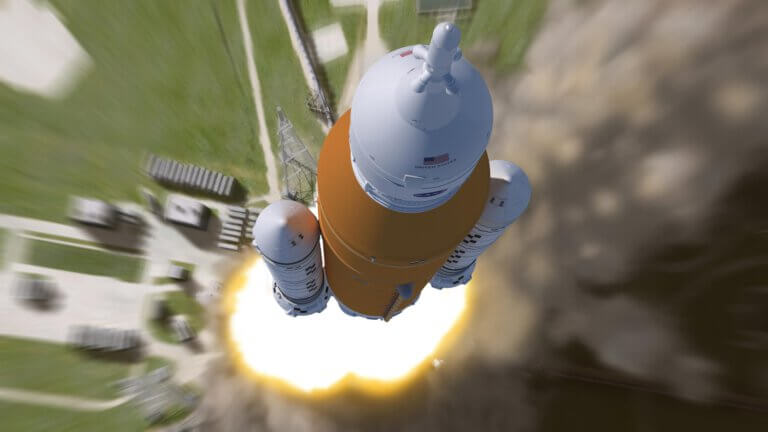
This artist impression shows an aerial view of the liftoff of a NASA Space Launch System rocket. This Block 1 crew configuration of the rocket will send the first three Artemis missions to the moon. Credit: NASA/MSFC

Final preparations for the launch of the Artemis 1 SLS lunar launcher for launch at the end of the month

NASA's target launch date is now August 29th at 08:33 EST in a two-hour time window. If there is a successful launch on August 29th the mission will last approximately 42 days -
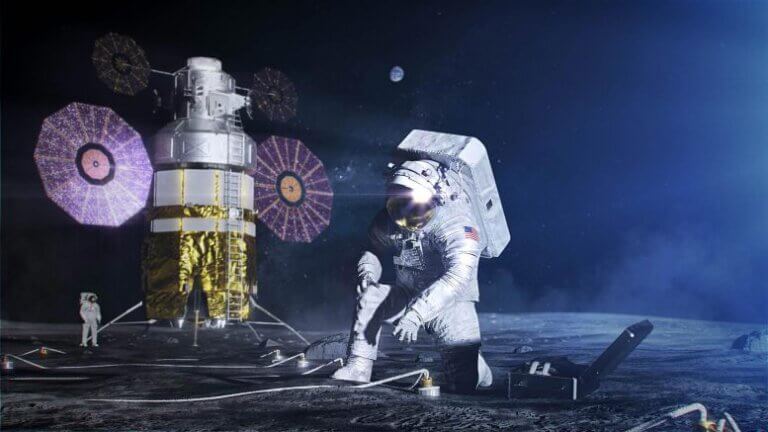
A rendering of the new spacesuit that NASA is designing for the Artemis astronauts. The suit is called the xEMU, or Exploration Extravehicular Mobility Unit. Credit: NASA

There is enough oxygen on the moon's surface to support billions of people living there

Current estimates indicate that the upper ten meters of the moon's surface contain enough elemental oxygen to create enough O2 for every person on Earth for the next hundred thousand years - more than enough for colonization
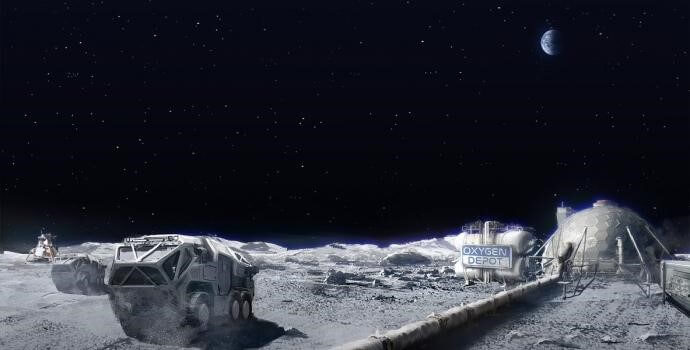
lunar base Illustration: depositphotos.com

NASA has issued a call for the construction of a nuclear power plant on the moon

Battelle Energy Alliance and NASA are seeking industry partners to design a nuclear power system for lunar applications
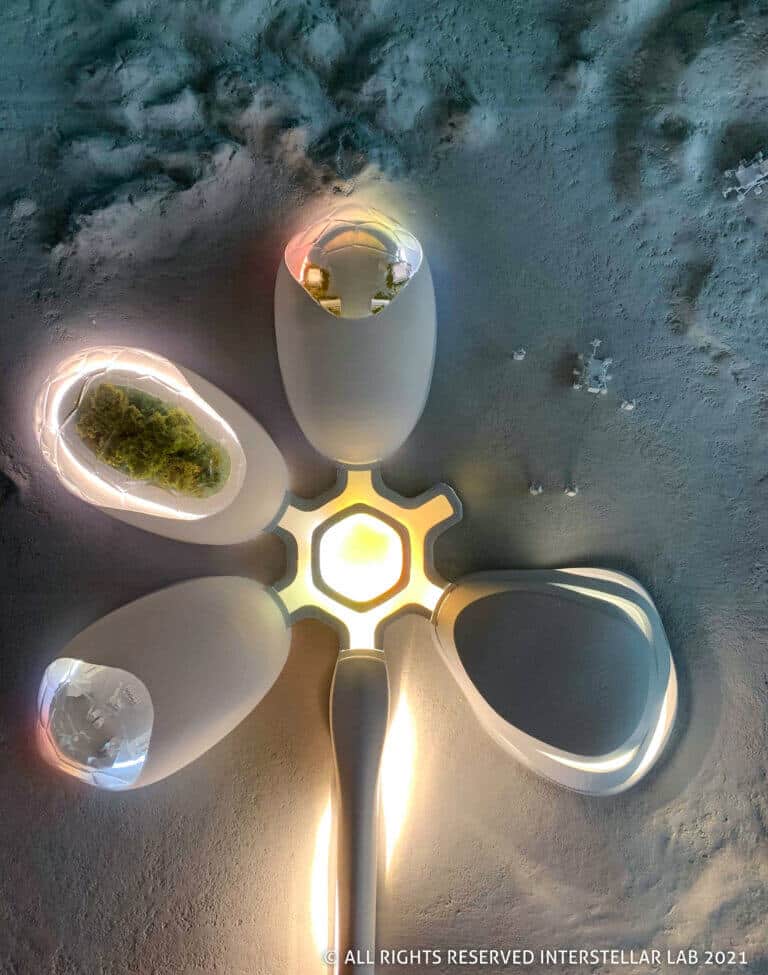
A model of living on the moon - EBIOS. PR photo, Dassault Systèmes

Interstellar Lab unveils "BioPod" - a living simulator on the Moon and Mars

The system created with Dassault Systèmes' 3DEXPERIENCE platform simulates a self-sustaining food production system, furthering Interstellar Lab's mission to produce and recycle food, water, and air to support
Helios' vision for the future of humanity: a base on the moon, with a local oxygen reservoir. PR photo, Helios

An Israeli company will pave the way for human settlement on the moon and Mars

An Israeli company intends to extract oxygen from the soil of the moon - and fuel SpaceX to Mars. The Helios solution, supported by the Israeli Space Agency, may reduce the cost of launches and enable a long human presence
The Artemis 1 spacecraft - the first Orion spacecraft in NASA's new lunar program. Photo: Lockheed Martin

The Artemis 1 spacecraft that will attack the moon has been handed over to NASA

Until now, the spacecraft has been in the Neil Armstrong assembly facility at the Kennedy Space Center. Now Lockheed Martin, which built it, has handed it over to the ground crew for refueling and preparation for launch later this year
Lunar Cruiser, credit TOYOTA

Toyota unveiled the Lunar SUV in collaboration with the Japanese Space Agency