SEARCH
SEARCH
Space and astronomy
Astrophysics
astronomy
Solar System
space missions
man in space
environment and energy
Environmental sciences - the climate crisis
Earth science
environmental issues
energy
transportation
Computing and technology
exact sciences
Computing and robotics
nano-tech
military technology
futurology
Biology and Medicine
Evolution and nature
medicine
Genetics
the brain
Society and history
Science and society
history
The skeptic
Science Fiction
Scientists
Science in Israel
Research and development in Israel
Biotechnology in Israel
Israel in space
the defense industries
Academy and education
menu
Space and astronomy
Astrophysics
astronomy
Solar System
space missions
man in space
environment and energy
Environmental sciences - the climate crisis
Earth science
environmental issues
energy
transportation
Computing and technology
exact sciences
Computing and robotics
nano-tech
military technology
futurology
Biology and Medicine
Evolution and nature
medicine
Genetics
the brain
Society and history
Science and society
history
The skeptic
Science Fiction
Scientists
Science in Israel
Research and development in Israel
Biotechnology in Israel
Israel in space
the defense industries
Academy and education
Comprehensive coverage
Ancient Egypt
Exodus from Egypt
The solar eclipse of April 8, 2024
War in the Middle East
Hayadan
>
Space and astronomy
>
astronomy
>
Meteorites and comets
>
Watching comets
Watching comets
The Green Comet C/2022 E3: How to watch the rare visitor
Avi Blizovsky
January 21, 2023
No comments
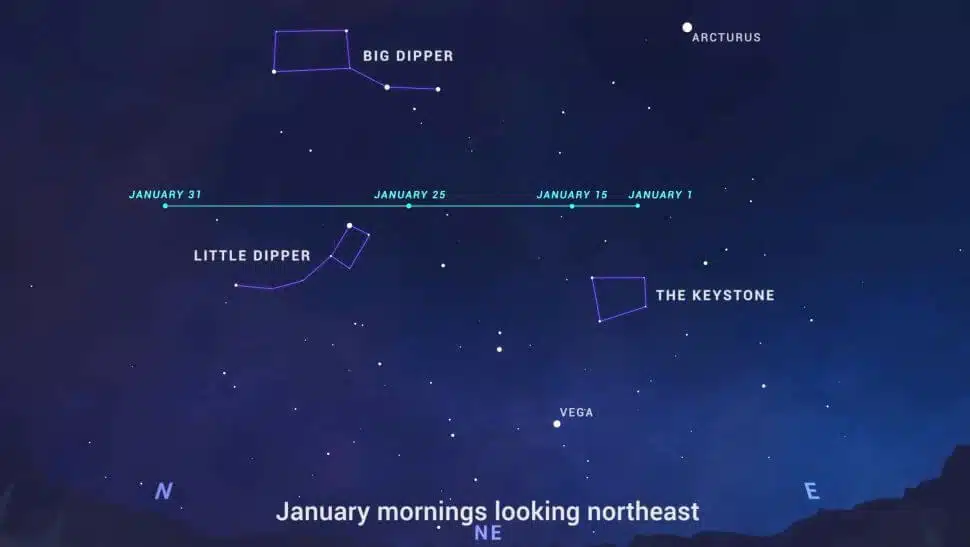
Green Comet C/2022 E3 (ZTF) will approach Earth on February 1st and, although pale in the northern sky, will be seen near the carts/bears before sailing into deep space for millions of years if ever to return
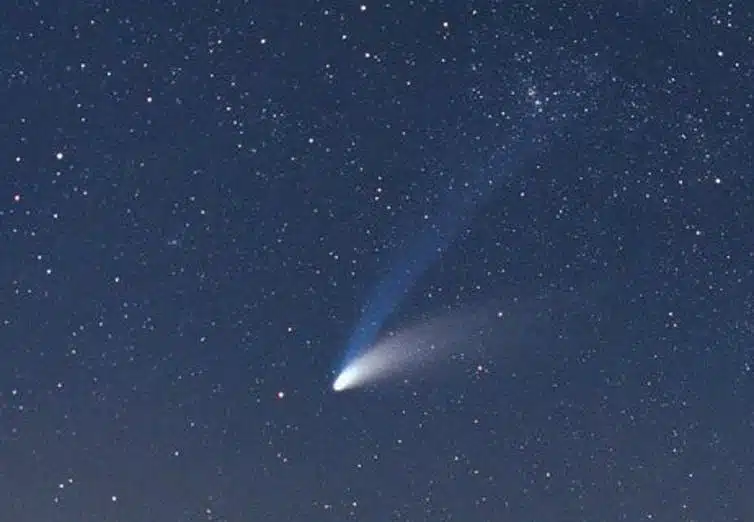
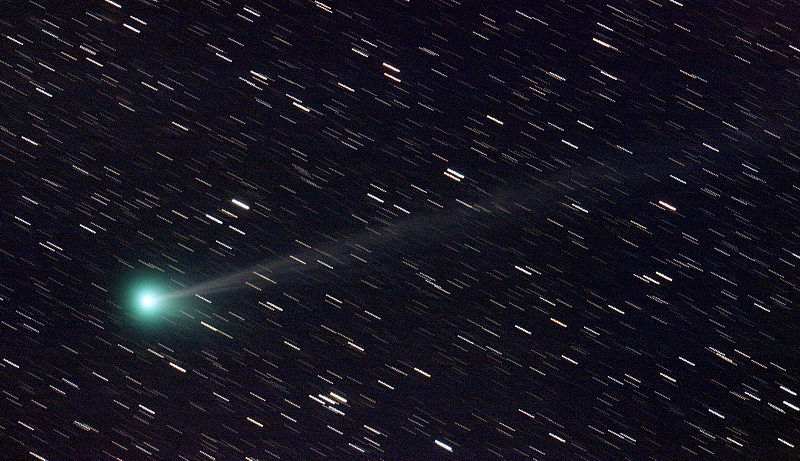
Starting this week, comet NEOWISE can be observed in the evening hours
Avi Blizovsky
July 14, 2020
2 תגובות
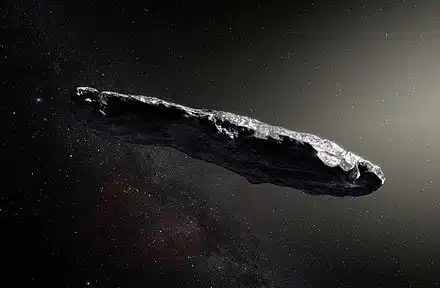
A new formation theory explains the interstellar object Omoamoa
Avi Blizovsky
May 1, 2020
3 תגובות
The interstellar comet Borisov passed the Sun and accelerated
Avi Blizovsky
December 15, 2019
18 תגובות
A newly discovered comet is likely a visitor from outside the solar system
Avi Blizovsky
September 14, 2019
One response
In the coming days there is a chance that we will be able to see a comet without a telescope
Science site The Conversation
December 15, 2018
No comments
My life as a comet hunter
Scientific American Israel
June 12, 2016
No comments
Caroline Herschel acquired an education despite her mother's opposition, helped her brother William and recorded astronomical discoveries herself
Avi Blizovsky
March 16, 2016
6 תגובות
The nucleus of the Siding Spring comet that passed by Mars is smaller than expected
Avi Blizovsky
October 22, 2014
4 תגובות
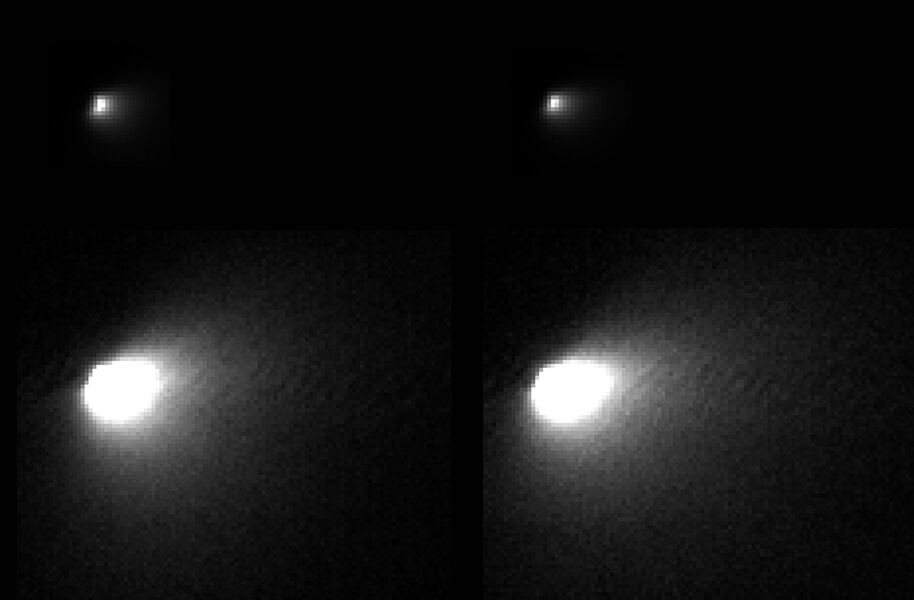
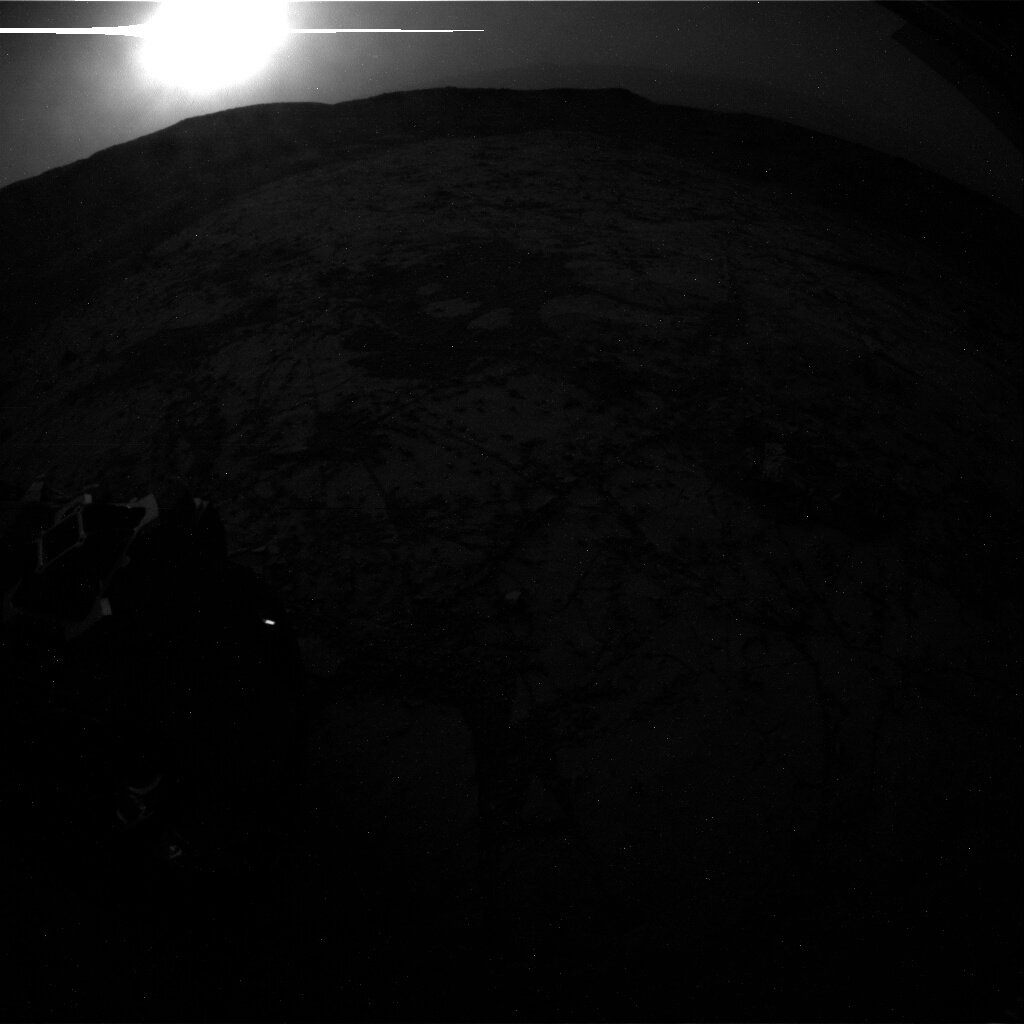
The first raw image of Comet Siding Spring from Mars
Avi Blizovsky
October 19, 2014
One response
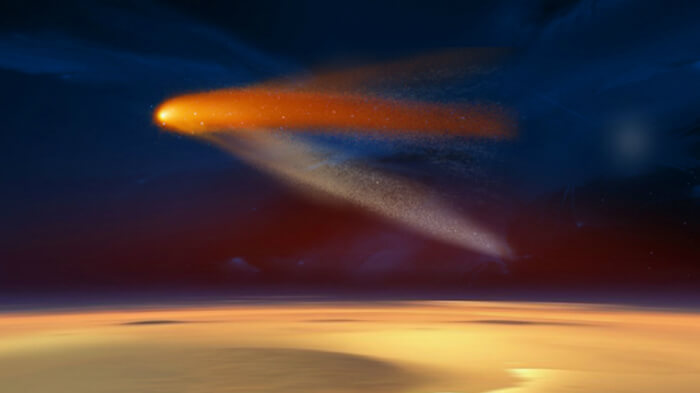
A ball of light in the sky of Mars
Itai Nebo, editor of the Davidson Institute website
October 19, 2014
No comments
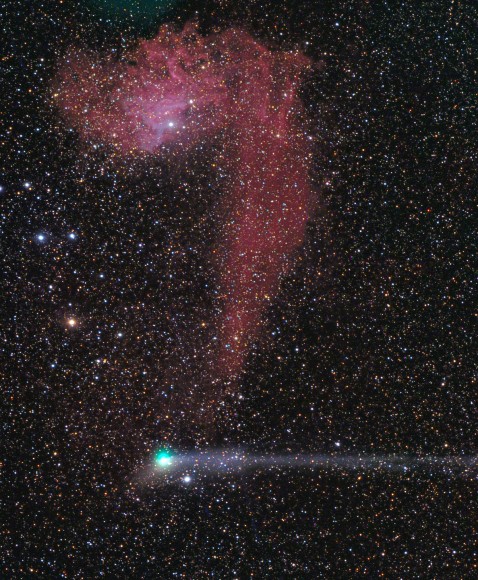
Comet Jacques created a question mark in the sky
Universe Today
July 28, 2014
One response
Astronomers: There is still hope that some fragments from the nucleus of Comet Ison survived the passage
Avi Blizovsky
November 29, 2013
2 תגובות
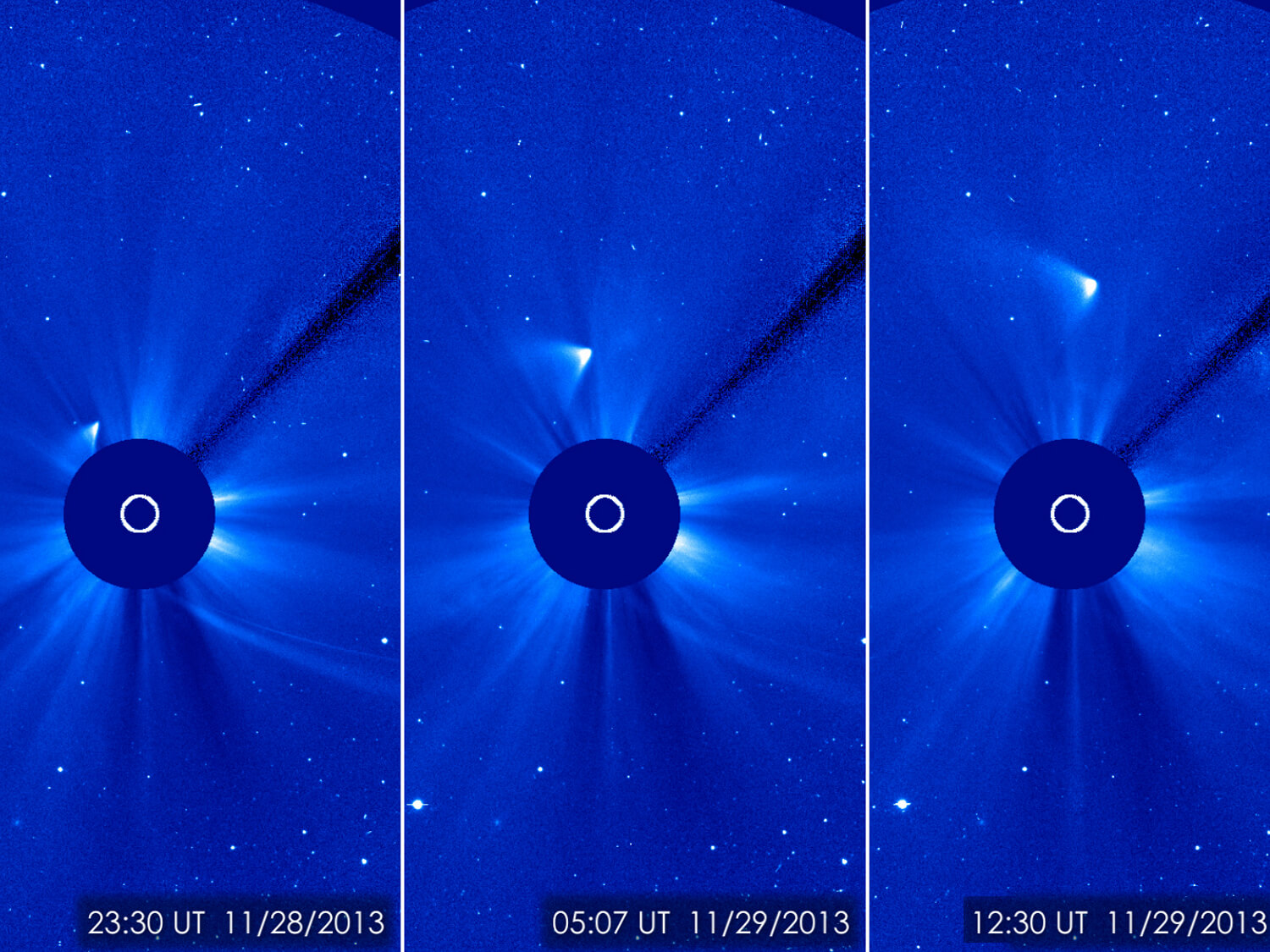
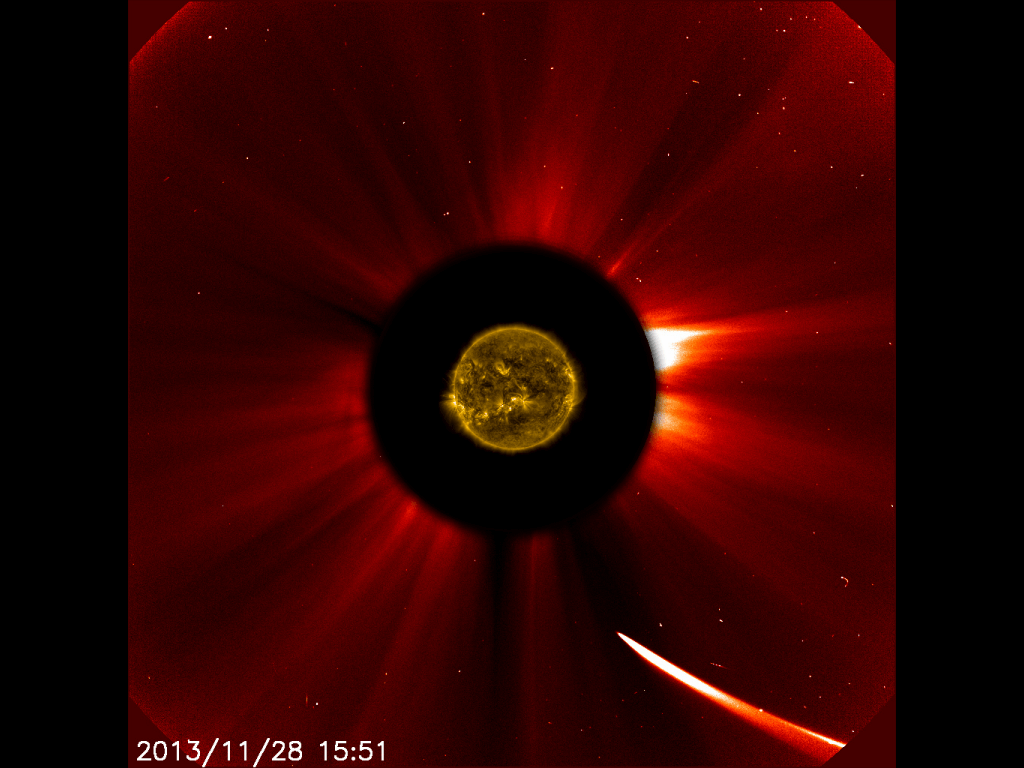
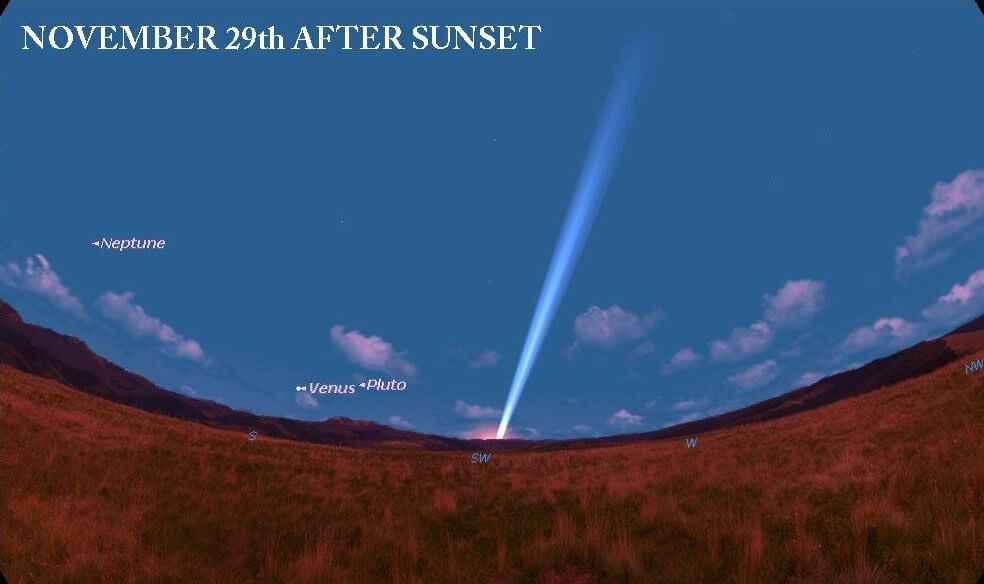
Comet Ison disintegrated as it approached the Sun * Experts: It disintegrated from the inside in the hours preceding its passage by the Sun
Avi Blizovsky
November 29, 2013
3 תגובות
A ton of material was added to the Earth in one meteorite meter
Avi Blizovsky
June 9, 2013
2 תגובות
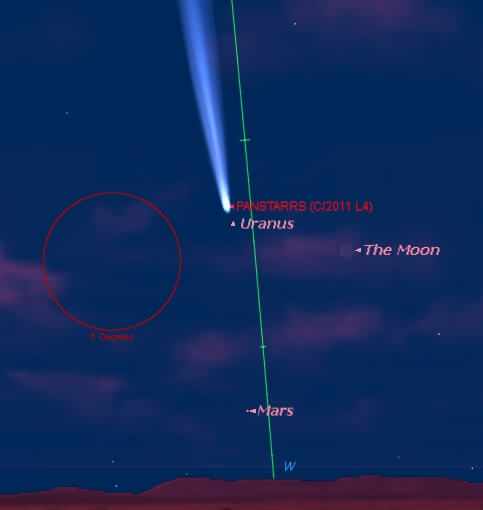
Comet Fanstars continues to move north, today may be visible from Israel for a short time after sunset with the naked eye
Universe Today
March 12, 2013
7 תגובות
A guide to watching Comet Fanstars in March 2013
Universe Today
February 25, 2013
5 תגובות
A comet that will pass next month may be visible to the naked eye
Avi Blizovsky
February 11, 2013
6 תגובות
The bright comet Ison may provide a celestial display in about a year - if it does not disintegrate near the sun
Avi Blizovsky
September 30, 2012
5 תגובות
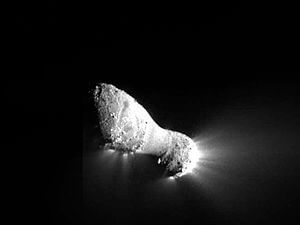
Comet Hartley 2 - additional findings
Haim Mazar
January 9, 2012
4 תגובות
The end of the world has not come again: Comet Alanin passed at a distance of 35 million km from the Earth
Avi Blizovsky
October 17, 2011
9 תגובות
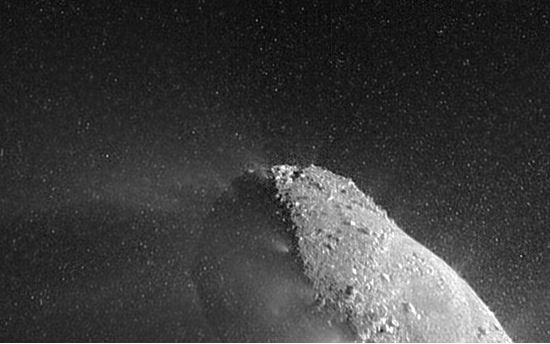
Snow on Comet Hartley 2
Avi Blizovsky
November 20, 2010
2 תגובות
Prospects for meteorites following the passage of Comet Hartley 2
The science service
November 2, 2010
8 תגובות
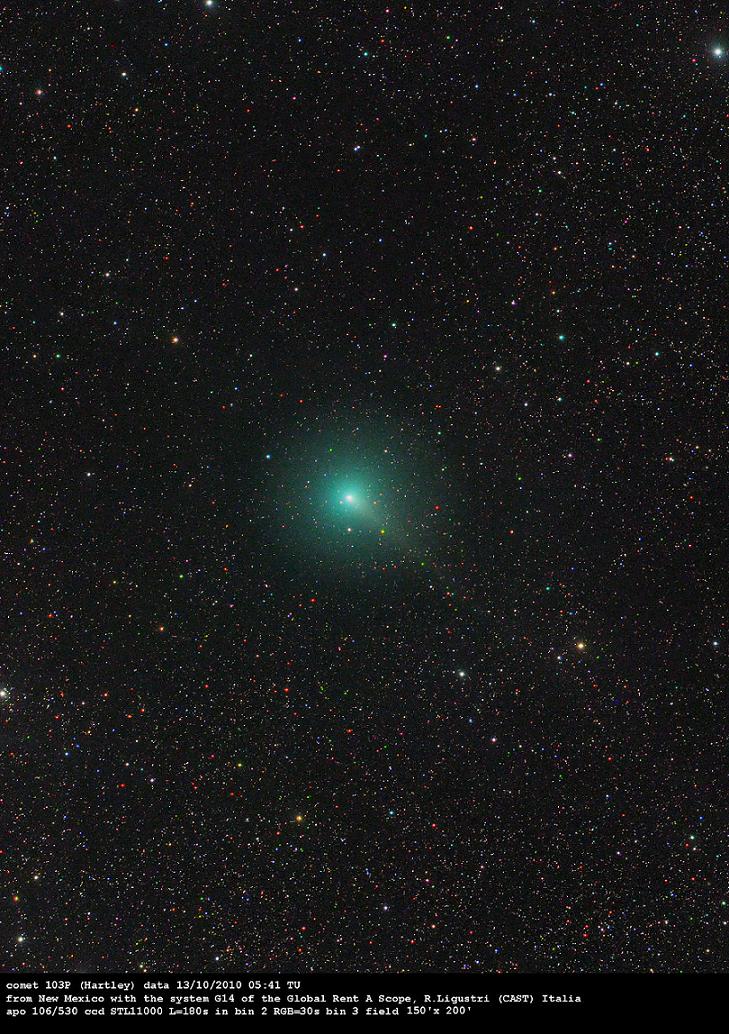
Comet Hartley 2 was photographed, which will be reached in November by the Epoxy spacecraft (formerly Deep Impact)
Avi Blizovsky
October 10, 2010
5 תגובות
The new comet from Knut may be visible to the naked eye
Universe Today
June 12, 2010
3 תגובות
the previous
Page
1
Page
2
next
Space and astronomy
environment and energy
Computing and technology
Biology and Medicine
Society and history
Science in Israel
Main
About
Contact Us
private policies
Terms of Use
SEARCH
SEARCH
Open an access bar
Accessibility tools
Accessibility tools
Increase text
Increase text
Decrease text
Decrease text
Grayscale
Grayscale
High contrast
High contrast
Reverse contrast
Reverse contrast
Light background
Light background
Highlight links
Highlight links
Point readable
Point readable
Reset
Reset