History of Science

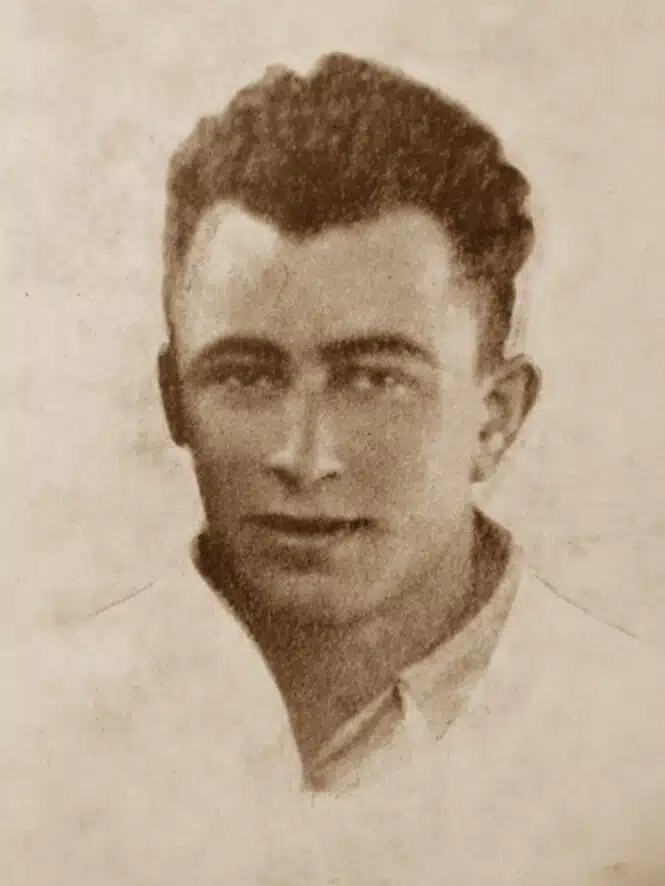
Leopold Infeld in a photograph from 1938. Public domain photo from Wikimedia

In Search of the Homeland: Leopold Infeld

Leopold Infeld's life journey: from the Krakow ghetto through collaboration with Einstein to protests against anti-Semitism and censorship in Poland
Ancient medicines. Illustration: depositphotos.com

Blessed is the believer - on the roots of modern medicine

Why did the Hippocratic doctors use a dangerous method of purification for centuries to cure diseases?
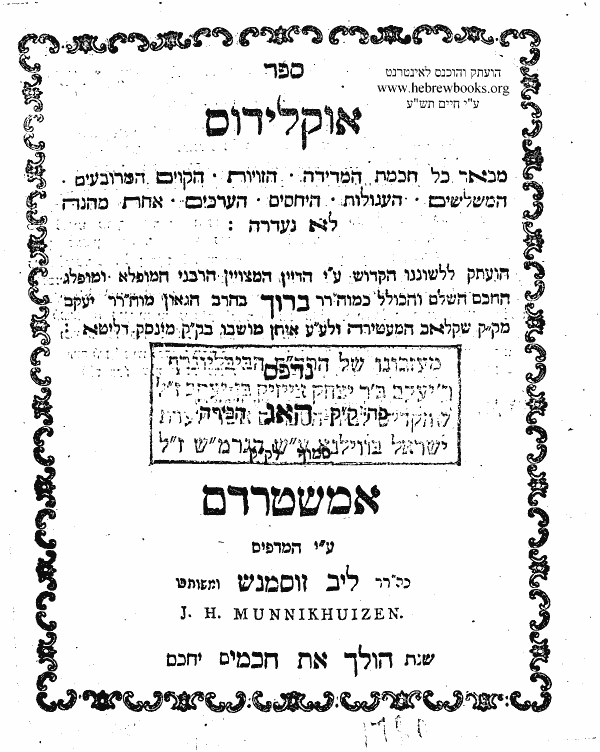
The cover of Euclid's book of fundamentals published in Holland in 1740.

Euclid's Fundamentals

Researchers examined the Hebrew translations of the "Elements" by Euclid and traced their origins
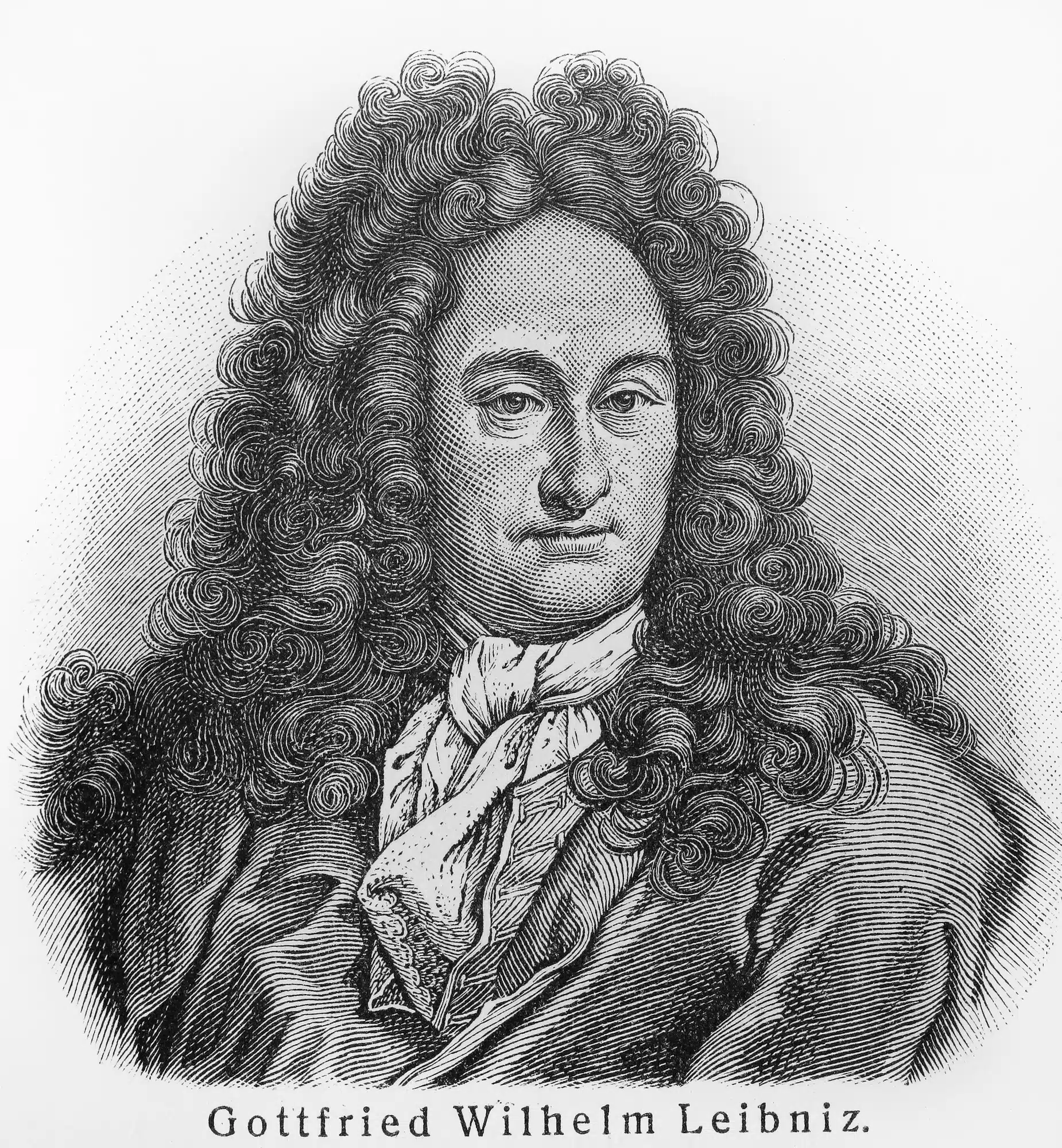
Friedrich Wilhelm Leibniz. Illustration: depositphotos.com

On the infinity of the natural machine

Prof. Ohad Nachumi, Head of the Department of Humanistic Studies and Arts at the Technion, investigates the connection between the old and new world of thought in Leibniz's thought.
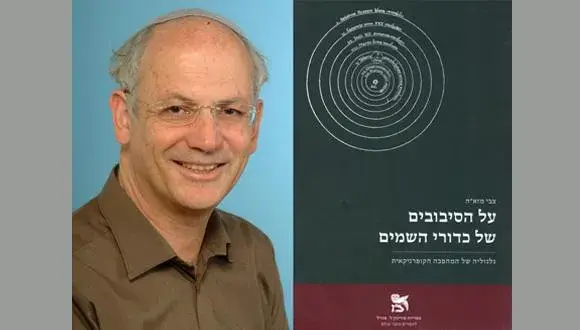
Prof. Zvi from the ZA and his book "On the rotations of the heavenly spheres"

A new book for Prof. Zvi Maza: "On the rotations of the celestial spheres"

The book published by Magnes, describes the scientific revolution that led to the understanding that the dome of the sky is only an optical illusion
A book and equipment used by Arab doctors in the Middle Ages. Illustration: depositphotos.com

The social role of diseases in the 17th century as an opportunity for liberation from obligations and accepted norms

A new study examines the social role of diseases in the 17th century, through a discussion held before the head of the Jewish court in Egypt, dealing with the appeal of a Jewish gentleman suffering from life-threatening melancholia due to
Dr. Ido Ramati (credit-BRUNO CHARBIT):

Battle of thumbs - why do we write with our thumb and how does it affect what we wrote?

A new study examines the changes a person has undergone in using the different fingers on the palm for writing and how this affects the content we write
Doppler effect. Illustration: shutterstock

Spotlight on the Doppler effect

If you have ever stood on the side of a highway, or an ambulance passed you by at high speed, you must have noticed the change in tone that occurs exactly when the vehicle or the siren passes you by: the noise "drops" sharply

when the vacuum was first discovered

The Italian physicist Evangelista Torricelli was born in Rome to a humble and poor family. Although luck was not in his favor, his hard work paid off. He managed to reach the top of the Italian Academy and worked with the great scientists
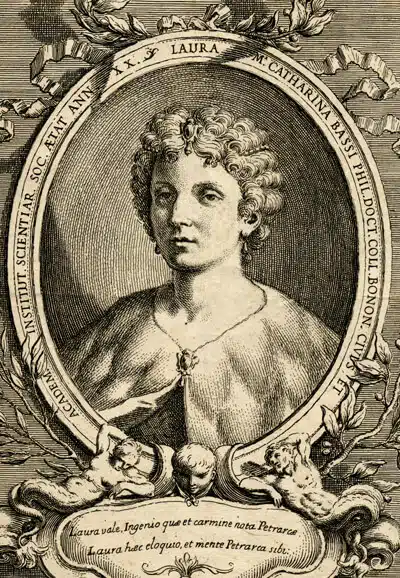
Portrait of Laura Bassi. Unknown painter.

Laura Bassi: the first woman to receive a professorship in science

Laura Bassi continuously fought to achieve equal conditions for women who chose an intellectual and professional career in public teaching and research institutions at a time when the universities and the world of academia in Italy and throughout the world were exclusively male environments. With
Serendipity - an accidental discovery. Illustration: depositphotos.com

On the serendipitous accidental discovery in science

Louis Pasteur claimed that accidental discoveries also require a prepared mind, is this always the case?
Galileo is looking through a telescope. Illustration: shutterstock

Galileo's mistakes

Galileo Galilei made many discoveries that changed the face of science as we know it today, but along the way he made several mistakes and drew wrong conclusions. Even the smartest scientists make mistakes! what can be learned
Different ideas about the universe in the period before Galileo. Illustration: shutterstock

Who was Galileo Galilei?

What kind of person was Galileo? How did his innovative world views develop? What was it like to live in Renaissance Florence and study at the University of Pisa?
Earrings, rings and gold beads. One of the richest hoards from the biblical period found in Israel. Photo courtesy of the Sonia and Marco Nadler Institute of Archaeology

About scientists who searched Athens and found a kingdom

Studies that started with a certain direction and ended up in completely different places
Photos 1: One of the groups of jars studied in the study from Khirbet Kayafa. Photo: Clara Amit, Antiquities Authority

Traces of the measure "tapeh" were found in archaeological findings

Three groups of storage and trading jars that were produced in different places in Israel in the 10th to 7th centuries BC were studied, and it was found that the only parameter common to all three is the diameter of the mouths of the jars, and its length is within the range of estimates
A detailed calendar for the days. From jumpstory

Things Yorami know: Why are there seven days in a week?

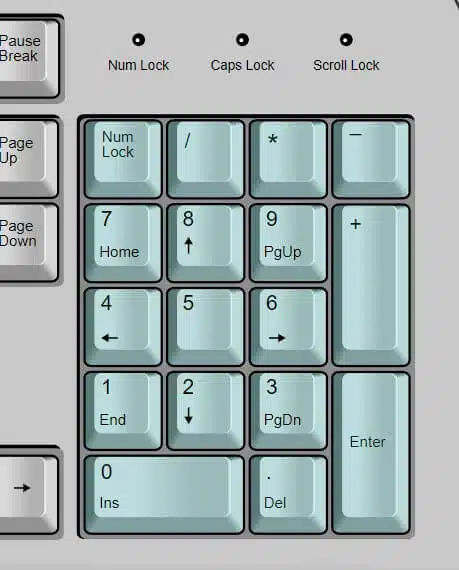
The num lock keys on the left side of the keyboard. The numbers go from bottom to top. Photographer: Mysid Wikimedia

Things Yoram Knows: The Evolution of the Numeric Keypad

A corona patient receives treatment with a drug that will prevent dehydration, in 1992. Photo: Public domain from Wikipedia Cholera patient being treated by oral rehydration therapy in 1992

What does cholera teach us about the corona virus?

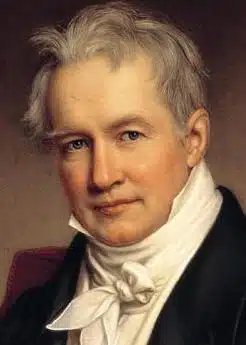
Alexander von Humboldt. From Wikipedia

The man who invented the environment

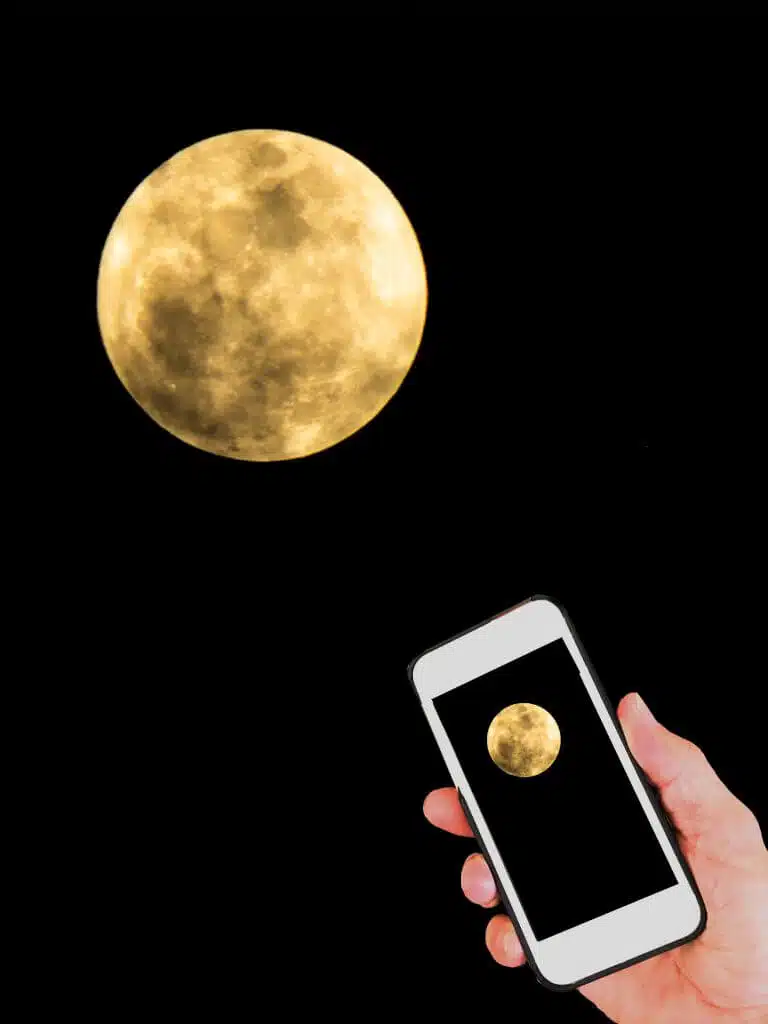
The iPhone, even the weakest, is millions of times more powerful than the computer that flew Apollo to the moon. Illustration: shutterstock

Will today's cell phone be powerful enough to put a man on the moon?

Tovia Kushnir. From Wikipedia

In memory of Tovia Kushnir

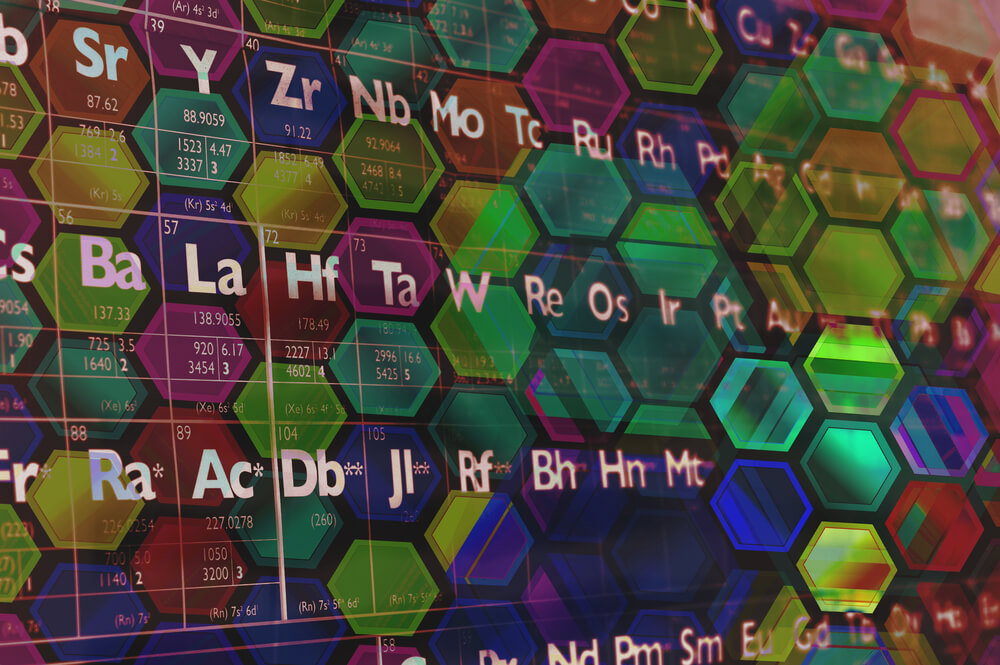
the periodic table. Illustration: shutterstock

2019 is the International Year of the Periodic Table

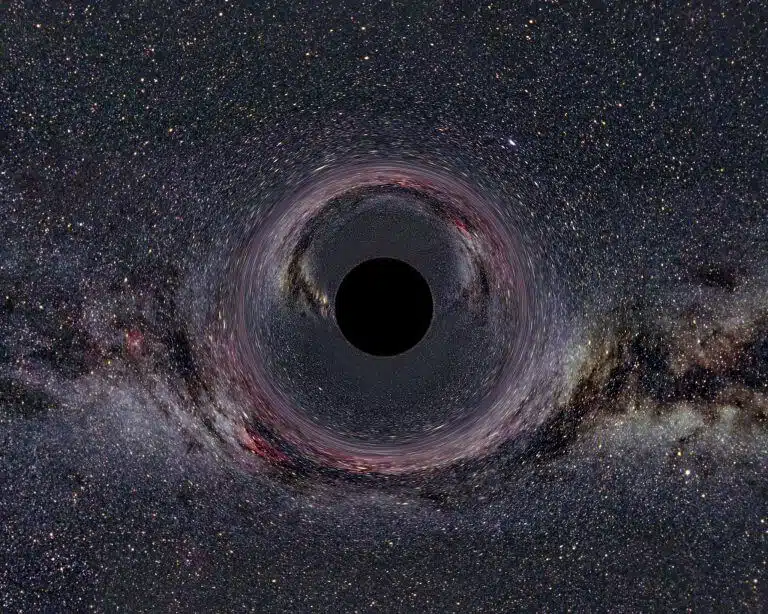
Black hole simulation. Quantum entanglement and black holes, two seemingly unrelated phenomena, may lead physicists to the long awaited unification: the unification of general relativity and quantum mechanics. Image: Ute Kraus / Wikimedia.

A brief history of black holes

The limits of power or reflections on the driving force of fire

Agnew's Clinic, an 1889 painting by Thomas Eakins, depicts an American operating theater after the advent of general anesthesia. Source: Thomas Eakins.

Dangerous medicine

Charles Darwin statue, UK. Photo: shutterstock

What is the theory of evolution and how did it all begin?

John Baird's mechanical television transmitter, in the London Science Museum

90 years since the first television broadcast by John Logie Baird

Astronaut Buzz Aldrin presents a shirt with a call to go to Mars and a selfie he took in space in 1966. Photo: Israel Ben Eli, CEO

The first selfie in space

Stamp in memory of Niels Bohr. Photo: Sergey Goryachev / Shutterstock.com

Niels Bohr, 1885 – 1962

The site once thought to fill the universe. Illustration: shutterstock

the air of the gods

Anna Atkins - the pioneer of scientific photography

Italian stamp from 1999 in honor of Alessandro Volta. Photo: Neftali / Shutterstock.com

270th birthday of the inventor of the electric battery Alessandro Volta

Thomas Edison in his laboratory in New Jersey, 1901. Photo: shutterstock

The man who never stopped inventing

Issac Newton, from a children's encyclopedia from the Soviet Union, 1962. Photo: Iryna1 / Shutterstock.com

Isaac Newton, 1643 – 1727

Andreas Vesalius dissects a corpse. The cover of the book De humani corporis fabrica. Photo: Wikimedia

The man who turned medicine into a science

An electric circuit and a computer processor. Photo: shutterstock

The ingredient that changed everything

Shmuel Samborsky. From Wikipedia

Shmuel Samborsky, 1900 – 1990

Avraham and Eld. From Wikipedia

About planes, defense, statistics and unconventional thinking

scientific idea. Illustration: shutterstock

The spirit of things - did they say this before? It doesn't matter / Amir Teicher

Why are scientific discoveries named after scientists, and does that mean they didn't actually discover them?