Biology and Medicine

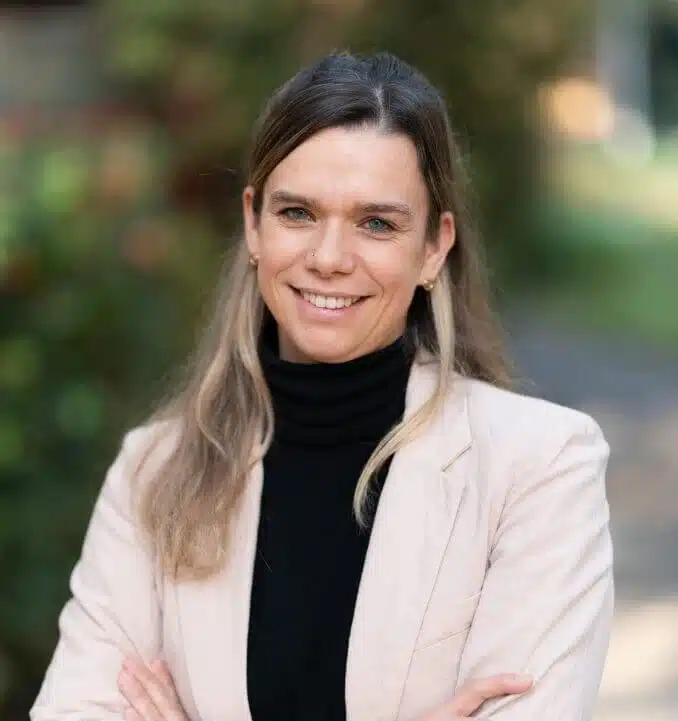
Dr. Ohad Waneshk and the biochip. Photo: Weizmann Institute Spokesperson

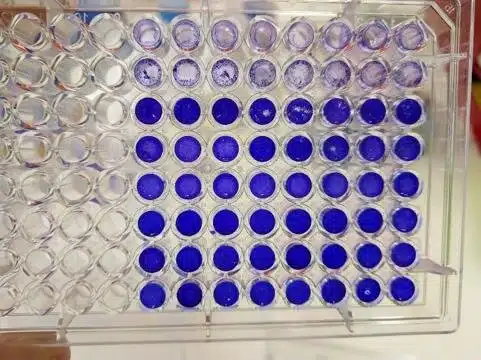
The biochip that is already ready for the next pandemic

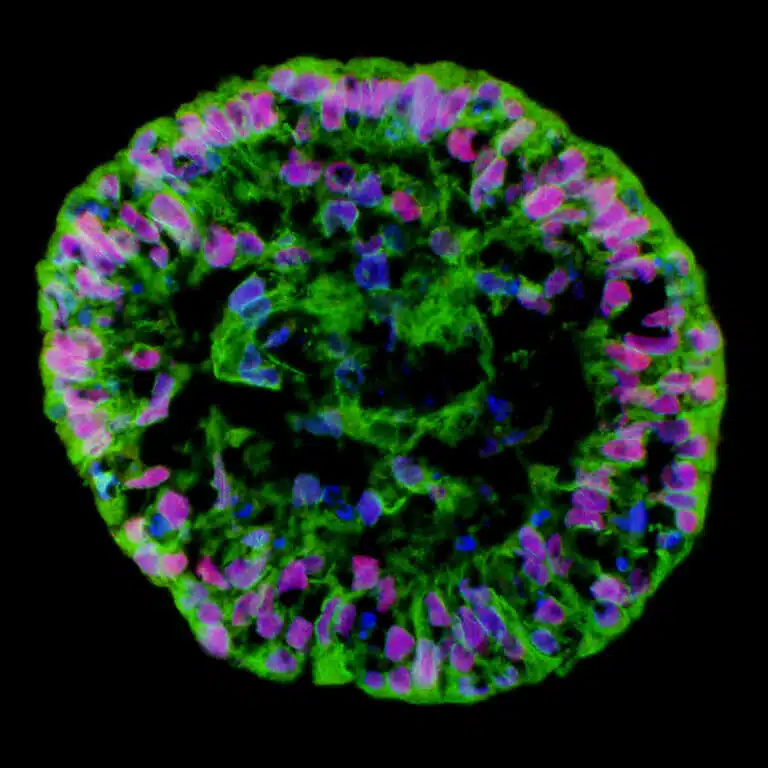
A new DNA chip from the Weizmann Institute of Science produces dozens of viral antigens on silicon in a single experiment and rapidly maps the immune “fingerprint” of subjects – a tool that could accelerate the development of tests, vaccines,
Bird hunting is legal in many countries, and in some areas there is also large-scale illegal hunting. Brown-throated Sparrow. Photo: Dr. Yoav Perlman

The Great Migration of Small Birds: Who Will Be More Threatening – the Climate Crisis or Humans?

Small migratory birds, weighing no more than a few grams, travel thousands of kilometers each year between their nesting sites in Europe and their breeding grounds in Africa. Dr. Yoav Perlman of the Israel Ornithology Center warns that food shortages, hunting
Reconstruction of a landscape from the Late Triassic (about 215 million years ago). A Lagerpetid reptile, a relative of pterosaurs, sits on a rock and watches pterosaurs flying above it. Credit: Matheus Fernandes

Study: Ancient pterosaurs took off with smaller brains than expected

New research using advanced fossil imaging shows that early pterosaurs – the first flying reptiles – may have mastered flight almost immediately upon their appearance, without needing a large brain like birds.
Mutations. Illustration: depositphotos.com

New 'danger' region discovered in DNA could change what we know about human disease

A new study has uncovered an important, previously neglected, locus of mutations at the start points of human genes. These regions undergo mutations at a much higher frequency than expected, especially during the earliest stages of embryonic development,
Heart disease and cancer and drug treatments – interactions

Between the heart and cancer: Technion researchers reveal surprising interrelationships between heart disease and cancerous tumors

Researchers at the Ruth and Baruch Rappaport Faculty of Medicine at the Technion present complex interrelationships between heart disease and cancer, in the hope that the findings will lead to improved treatment of both diseases.
Microalgae from BarAlgae. Photo: University of Haifa

From high-tech to the ocean: Artificial intelligence that optimizes microalgae growth

Efrat Kadosh, Director of Climate-Tech at the Maurice Kahn Marine Research Station at the University of Haifa, is leading the development of artificial intelligence models based on data from BarAlgae Farms – to stabilize, improve and transform the growth of
Prof. Christian Meyer presents the multi-million-unit neuromorphic computer at the TSMC conference in Amsterdam. Photo: Avi Blizovsky

Narrowing the energy efficiency gap between the brain and artificial intelligence

At the 2025 TSMC Europe OIP conference in Amsterdam, Prof. Christian Meyer from TU Dresden presented SpiNNaker-2 – a giant neuromorphic computer, based on event processing and thin-edge hardware, designed to run artificial intelligence models in real time.
Human cells that have undergone gene editing using a novel retron-based gene editing technology. The orange dots indicate successful gene edits. The green dots show a fluorescent protein tag on the surface of mitochondria. Credit: Yu-Cheon Chang / The University of Texas at Austin.

New retron-based DNA editing method to replace CRISPR offers hope for broad treatment of complex genetic diseases

Researchers at the University of Texas at Austin have developed a gene editing technique that can replace damaged DNA segments in their entirety, simultaneously correct a variety of rare mutations, and achieve an efficiency of about 30% of target cells – with initial applications
Image from the study shows axons of neurons in the ACA (red) and ORB (green), which innervate the visual cortex and target distinct layers. Credit: Sur Lab/MIT Picower Institute

Your brain rewrites reality according to your state of consciousness.

Researchers at MIT have discovered that the prefrontal cortex doesn't just send "general commands" to the rest of the brain—it tailors its messages specifically to different areas, depending on arousal level and movement.
A family of settlers on Mars. Illustration: depositphotos.com

A pair of bacteria could turn Martian dust into building material for the first colonists

A new study in Frontiers in Microbiology suggests a biomineralization system of two bacterial species, Sporosarcina pasteurii and Chroococcidiopsis, that could produce "biological concrete" from Martian soil, provide oxygen, and contribute to closed agricultural systems and human colonization efforts.
Mollusks at the beginning of the dinosaur era. The oldest known oceanic tetrapod system, from about 249 million years ago. A school of small-bodied ichthyopterygians of the genus Grippia longirostris hunts squid-like ammonites (center). In the distance, schools of graminear fish Boreosomus and Saurichthys feed. Credit: Robert Back

249-million-year-old fossil shakes up evolutionary timeline

Reanalyzed Arctic fossils show marine ecosystems recovered with astonishing speed after the 'Great Dying'
Bird consciousness. Illustration: depositphotos.com

Why did evolution create consciousness and do it more than once?

Researchers at Ruhr University Bochum are investigating why consciousness evolved and why different species have developed it in different ways. By comparing humans to birds, they show that complex consciousness may arise through different neural structures.
Rape. Illustration: depositphotos.com

Walls of Silence: Why is the world silent when women are raped in war?

New research by Prof. Shulamit Almog and Dr. Gal Amir from the University of Haifa reveals four "walls of silence" surrounding sexual violence during wartime - from politics and international cynicism through collective and personal shame to trauma
Predators and keep fish populations healthy. Female sandbar shark. Photo: Meron Segev, Sharks Association in Israel

The Hadera sand shark: A giant predator, a warming sea, and new questions about the Mediterranean Sea

Dozens of sandbar sharks gather every winter in the warm waters of the Hadera and Ashkelon power plants – Dr. Adi Barash reveals a species that is not considered Mediterranean at all, explains their role as apex predators, the threats from fishing
A life-size model of a baby mammoth, displayed at a museum in Kiev, Ukraine. Illustration: depositphotos.com

Frozen 40-year-old mammoth reveals nearly intact RNA and hidden genetic secrets

A new breakthrough shows that some of the most fragile molecules in biology can be preserved for longer than scientists thought. Researchers have opened a window into the real-time biology of extinct animals
A scene from about 66 million years ago, depicting the broad-beaked dinosaur Edmontosaurus annectens as it appeared in life, based on “mummies” discovered in east-central Wyoming—preserved scaly skin and hooves. The dinosaur had a fleshy ridge over its neck and torso, a row of fleshy spines over its pelvis and tail, and hooves covering the tips of its hind feet. Credit: Dani Navarro

The first hoofed reptile: Dinosaur "mummies" reveal surprising evolutionary turn

Paleontologists from the University of Chicago have unearthed fossils of a "duckbill" dinosaur in Wyoming that have been meticulously reconstructed in the university's fossil lab. These fossils preserve soft tissues and external features at impressive resolution, allowing scientists to reconstruct what it looked like
The Technion team for the iGEM 2025 competition. Photo: Technion Spokesperson

Gold medal for the Technion team for the 2025 iGEM competition

Immune system cells. Illustration: depositphotos.com

Immune cells "caught red-handed" – new clues for early detection and possible prevention of type 1 diabetes

Researchers at the University of Pennsylvania analyzed nearly a million immune cells from organ donors, identified a unique subpopulation of CD4 cells in the lymph nodes of the pancreas and changes in B cells in the spleen, and offer a direction for the development of a simple blood test.
Human lung cancer tissue under the microscope. The helper macrophages (in red) are surrounded by enzymes (in yellow) that activate the stimulating part of the antibodies they develop. This targeted action prevents damage to healthy tissue.

Neutralize the defense, go on the offensive: Smart antibodies to fight cancer

Researchers from the Weizmann Institute of Science have identified immunosuppressive macrophages in tumors and developed smart molecules called MiTEs that target the TREM2 receptor and locally activate IL-2 – with the aim of overcoming resistance to immunotherapy without causing side effects.
Black whale. Photo: NOAA Fisheries

Voices from the Deep: Can Israeli intelligence save a rare whale species from extinction?

What happens when economic interests and conservation interests conflict, and how can they be balanced? An Israeli organization is trying to help solve this problem, and aid in the conservation of a rare species of whale
Tel Aviv University's IGEM 2025 team. Photo by Tel Aviv University Spokesperson

Tel Aviv University's IGEM team leads breakthrough in synthetic biology against lung cancer and promotes national high school competition

Along with developing models and software that could transform the study of lung cancer and genetic diseases, Tel Aviv University's IGEM team collaborated with the ORT Network and organized a synthetic biology competition for high school students with the participation of

RNA-based gene therapy may mark a breakthrough in the treatment of ALS

International research led by Tel Aviv University has found a way to delay the progression of the deadly disease, and even restore damaged nerve cells.
Paracetamol boxes. Illustration: depositphotos.com

After decades, the hidden mechanism of action of paracetamol has been deciphered

New research from the Hebrew University of Jerusalem reveals that paracetamol (Tylenol/Panadol) does not only act in the brain and spinal cord, as was believed for years, but also in the peripheral nerve endings - where pain begins.
Sea urchin research at Tel Aviv University. Photo by Shahaf Ben Ezra

Pathogens, storms and extreme temperatures: the causes of mass sea urchin deaths

A pair of studies from Tel Aviv University map 110 mass mortality events of sea urchins since 1888 and show that pathogens are the main cause, while also presenting a "corona swab" method for non-invasive genetic sampling under the skin.
Glioblastoma tumor tissue removed from a patient and immediately soaked in a solution containing an amino acid that only bacteria consume. On the left, you can see that the cancer cells, whose nuclei are marked in orange, have taken up the amino acid marked in blue – evidence of the presence of live, active bacteria in the tumor. On the right, after antibiotic treatment, the consumption of the amino acid has stopped.

Inside the brain: Bacteria live in tumors and metastases – and may affect treatment and patient survival

Weizmann Institute study in collaboration with Beilinson and Rambam identifies a diverse microbiome in glioblastoma and brain metastases; overlap with bacteria in primary tumors, variation by location in the brain, and association with temozolomide resistance and survival; published in Nature Cancer
cultured meat. Illustration: depositphotos.com

Beef cells can become immortal without genetic engineering: A breakthrough towards cultured meat

Hebrew University and Believer Meats team shows spontaneous cell renewal in bovine cultures without signs of malignancy, with telomerase and PGC1α activation; potential for stable cell lines and scale-up production
Created in BioRender. Lab, R. (2025) https://BioRender.com/flbu8cx

Research conducted at the Faculty of Biology at the Technion reveals a unique mechanism in the aging of the immune system

In an article in the prestigious journal Nature Aging, researchers present a blueprint for improving the effectiveness of the immune system in old age.
A young chimpanzee makes eye contact. New research suggests that chimpanzees are capable of rational thought and changing their decisions when new evidence emerges. Illustration: depositphotos.com

Psychologists have discovered that chimpanzees are capable of rational thought, similar to humans.

A team of researchers from the University of California, Berkeley, and partner institutions studied chimpanzees in the E-Ngamba Reserve in Uganda and found that they change their choices when given stronger evidence – a finding that places rationality at the center of
Reconstruction of a Neanderthal family in the Neanderthal Museum in Croatia. Illustration: depositphotos.com

First Neanderthal footprints on the coast of Portugal change knowledge of early humans

Fossilized footprints dating back some 80 years discovered on the Algarve coast reveal how Neanderthals moved, hunted and exploited coastal environments – and show a diverse diet based on deer, horses, rabbits and marine resources.
Computer simulation showing the gradual passage (from left to right) of the protein alpha-lactalbumin through a solid-state nanopore with a diameter of approximately 4 nanometers. The passage of the protein through the pores allows the reading of the sequence of markers attached to the cysteine ​​groups (red color) and the identification of the protein.

Without antibodies and without amplification: Rapid identification of intact proteins with technology developed at the Technion

Nano-needle technology from Prof. Amit Meller's lab enables rapid, digital identification of individual proteins in near real-time, paving the way for early diagnosis of cancer and other diseases through simple blood tests.
Kings of Heaven. Biblical Eagles (Photo: Yoram Shapirer)

What about AI and saving eagles from poisoning?

Researchers have developed an innovative algorithm that turns vultures themselves into a smart warning system and prevents mass poisoning events.
Alzheimer's. Illustration: depositphotos.com

Adjust the biological clock and protect the brain from Alzheimer's

REV-ERBα inhibition increases NAD+ and reduces tau in mice, study in Nature Aging
Aggressive bats. Illustration courtesy of Prof. Yossi Yuval, Tel Aviv University

The attack and defense strategies of fruit bats

In the spring, bats are more "bold" and are not afraid to engage in conflicts with rats in the fight for food.
The Eye. Courtesy of Prof. Yossi Mendel, Bar Ilan University

Towards a world without blindness? Biohybrid retinal implant from Bar-Ilan

Are we on the way to a world without blindness? New biomedical developments point to a future where implants will replace photoreceptors that degenerate with age.
Skull of a soldier from Napoleon's army, next to a button the size of the soldier. Credit: Michel Signoli, Aix-Marseille Université

DNA from Napoleon's armies identifies pathogens that may explain the high mortality of soldiers on the return journey from Russia in 1812

Researchers extracted and sequenced DNA from the teeth of thirteen soldiers from a mass grave in Vilnius, Lithuania, on the route of retreat from France to Russia. After removing environmental contaminants, DNA fragments from pathogenic bacteria were identified: not typhus, but
A dinosaur egg sampled for geochronology. Photo: Dr. Bi Zhao

Atomic clock for fossils: Direct dating of dinosaur eggs from China reveals an age of about 85 million years

Researchers have applied U-Pb carbonate dating directly to eggshells from the Qinglongshan site in Yunyang for the first time, determining an Upper Cretaceous age and offering a new window into ancient climate and dinosaur diversity dynamics

Man accelerates, nature declines: Two studies shed new light on 170 years of intensifying human activity

If we quantify the extent of human movement on Earth, we find that we move 40 times more than all land animals combined; if we look at the timeline, we see that while the weight of farm animals has skyrocketed
The sounds they make can be heard from hundreds of meters away. Photo: Prof. Amiel Ilani

Rock Rabbit – The Social Singer of the Desert and Construction Sites

He can sing, he's sociable, he lives in Israel and despite his size he's actually a relative of the elephant. Who are you, a rock rabbit? The hottest questions about the most interesting animals
Snake bite. Illustration: depositphotos.com

Snake Bites: This is How They Do It

Vipers, colubrids and alpids have different ways of behaving, and these have been revealed in great detail for the first time.
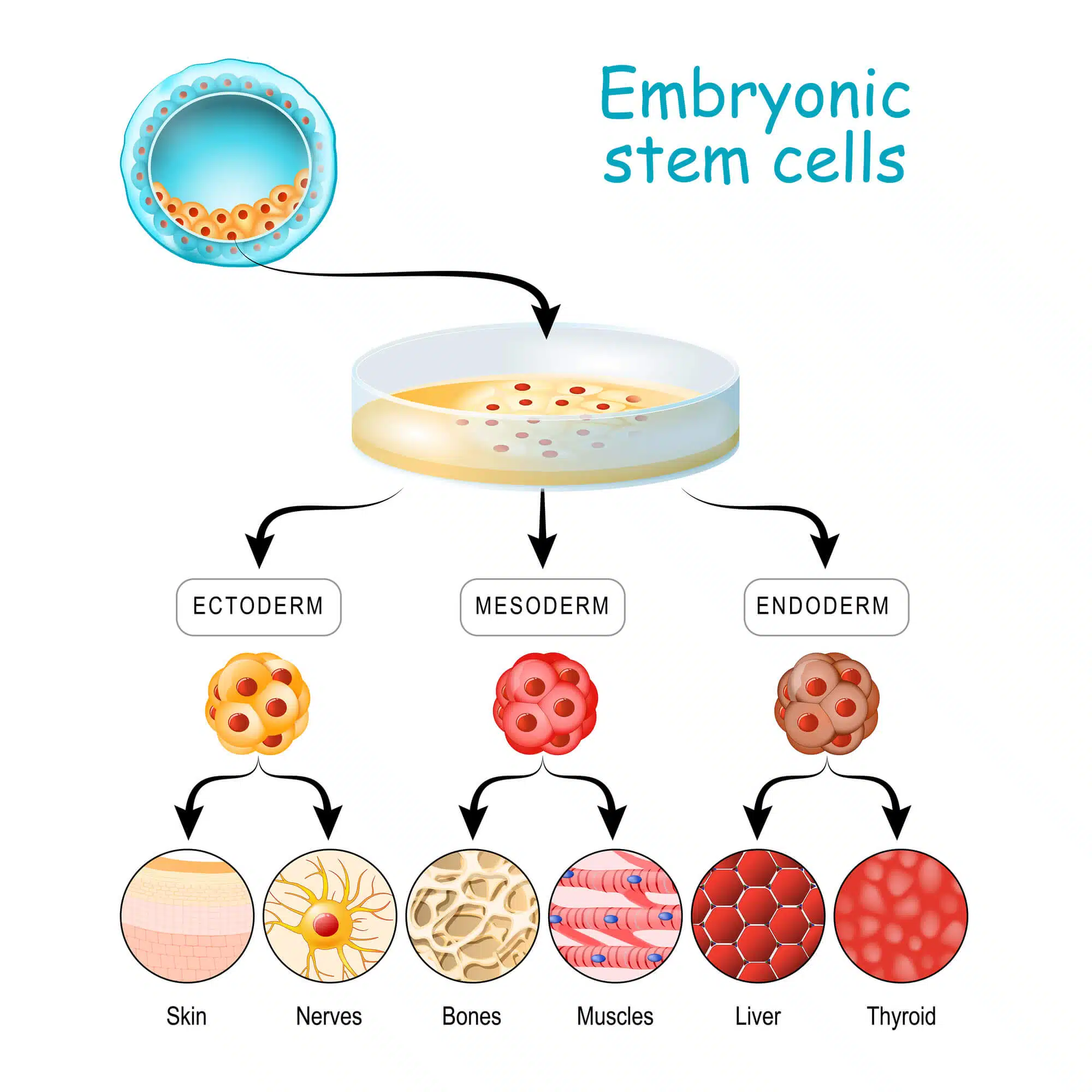
The team observed the emergence of 3D embryo-like structures under a microscope in the lab. After about two weeks of development, they began to produce blood (shown here in red) — similar to the development process in human embryos. Credit: Jitesh Neupane, University of Cambridge

Human embryo model grown in lab conditions produces blood cells

Cambridge researchers have created “hematoids,” self-organizing structures from stem cells that mimic early stages of development, including blood stem cells and beating heart cells.
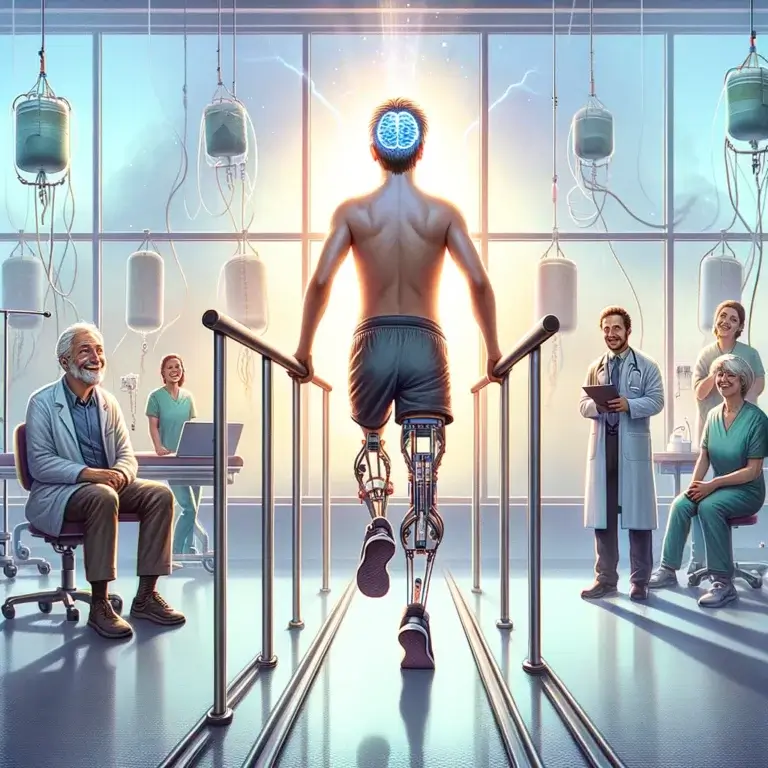
Paralyzed man controls drone with his mind. Illustration: Avi Blizovsky via DALEE

Flying with the Power of Thought: Paralyzed Man Controls Drone Through Brain-Machine Interface

Tom, paralyzed in all four limbs, was able to fly a drone and navigate an obstacle course using an implanted microelectrode array and decoding “virtual” finger movements – a leap forward in the accuracy and speed of BCI control.
From a presentation by Psychic Analytics at the AutoSens Europe conference

The company that allows you to drink before driving (to learn about the effects)

The system, developed by the Swedish company Site Psychic Analytics, analyzes eye movements, breathing, and facial expressions in real time, and warns before the driver loses concentration – while maintaining complete privacy.
The nervous system. Illustration: depositphotos.com

Is the breakthrough that will change the treatment of neurological diseases already here?

A team led by Dr. Gilad Levy in Prof. Boaz Barak's lab identified TFII-I (GTF2I) as a negative regulator of myelination; its elimination in myelin cells thickened the sheath and accelerated nerve conduction – a published finding
Optical illusions of birds. Illustration: depositphotos.com

Are animals susceptible to optical illusions? What fish and birds can teach us about perception

This led to our research question: Do other animals also “fall for” the same tricks? If a small fish or a chicken is exposed to the illusion, what does this tell us about the way they see and interpret their environment?
Microsoft researchers have developed an artificial intelligence system called Cell2Sentence-Scale. Think of it as GPT-chat, but for the language of cells and the molecules they are made of.

Artificial intelligence developed a new hypothesis for treating cancer – and verified it in laboratory experiments

Microsoft's Cell2Sentence-Scale Model Identifies Silmitasertib as a CK2 Inhibitor That Increases Antigen Presentation in "Cold" Cancer Cells – A New Insight Tested in the Lab and Demonstrates AI Research Creativity

Dassault Systèmes Innovation Lab supports groundbreaking projects in the fight against blindness – including an Israeli startup

Accompanying CorNeat Vision in the development of an artificial cornea without tissue donation and DotLumen in the development of artificial intelligence-based smart glasses to improve independence for the visually impaired
Latham Island – more than 40 kilometers east of the coast of Tanzania and about 50 dunams in size

Bat Island: Going to the Edge of the World to Understand the Brain

Neuroscientists from the Weizmann Institute traveled to a remote island near Zanzibar to record the brain activity of mammals in the wild for the first time and study how the internal compass they use to navigate works.
Brain erasure. Illustration: depositphotos.com

A "brain fog" epidemic? Study finds: Memory problems have nearly doubled among adults under the age of forty

Analysis of more than 4.5 million US survey responses reveals an increase from 5.3% to 7.4% in reporting cognitive disability, with a notable spike among 18–39 year olds and a significant impact of income and education
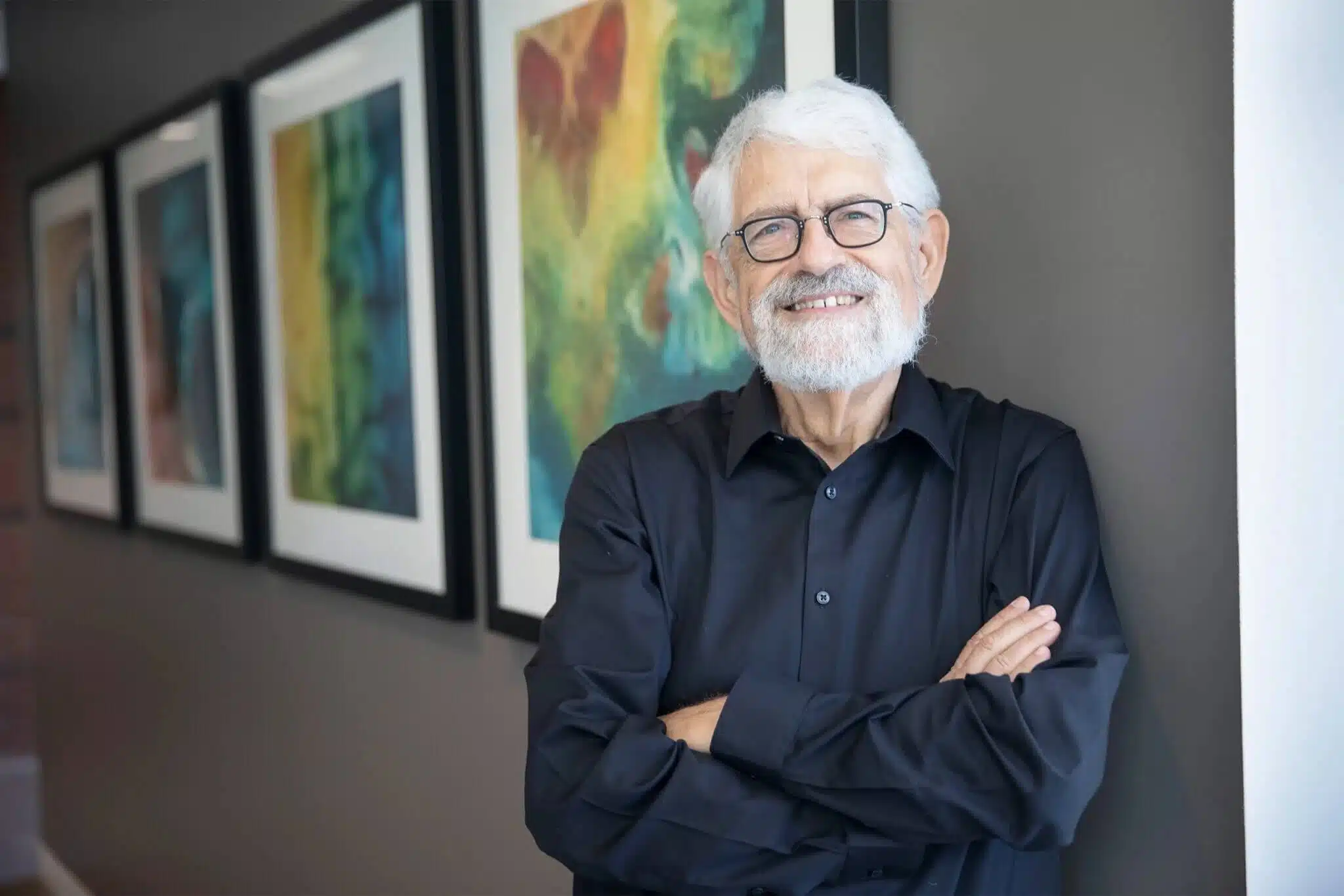
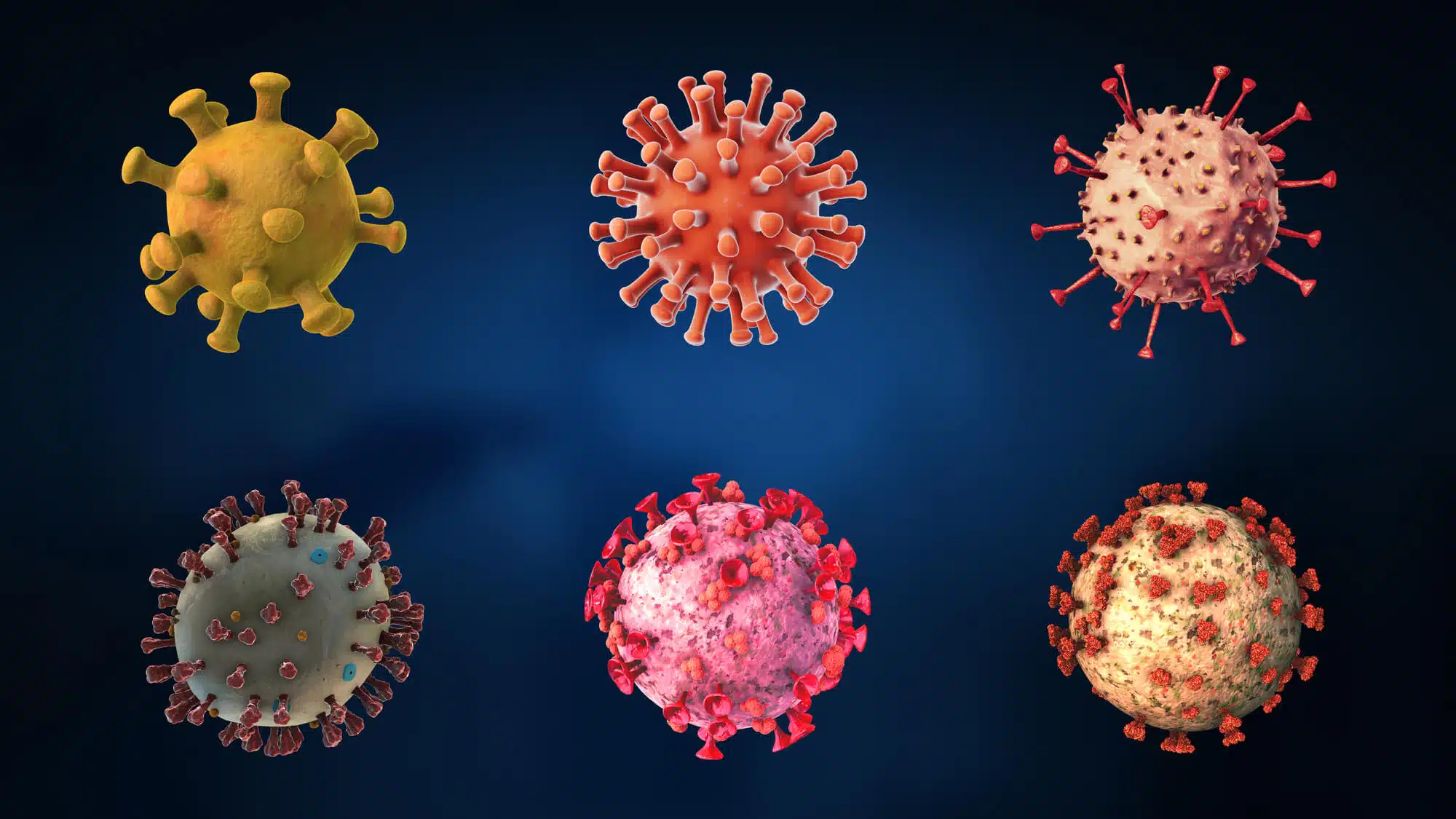
Discovered viruses that make DNA from an RNA template. David Baltimore | Photo: NIH, via Wikimedia Commons

The researcher who ran viruses backwards: David Baltimore (1938–2025)

Nobel Prize winner who identified reverse transcriptase, formulated the “Baltimore Classification” and laid the foundations for modern virology, PCR and antiviral drugs