
Hayadan > chimpanzee
chimpanzee

- Avi Blizovsky
- One response
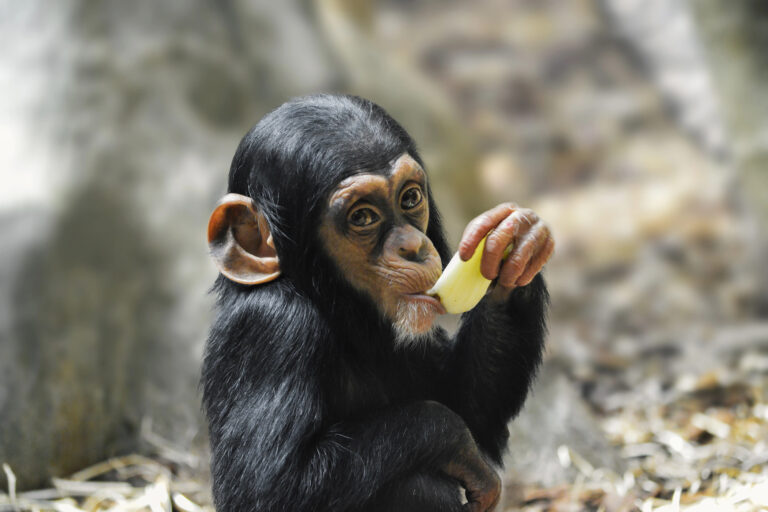
Researchers compared the timing of laughter bursts in four living species of great apes and in children. Laughter following tickling was particularly rhythmic in all groups, but in humans it was rapid, variable
- Avi Blizovsky
- No comments
A team of researchers from the University of California, Berkeley, and partner institutions studied chimpanzees in the E-Ngamba Reserve in Uganda and found that they change their choices when given stronger evidence – a finding that places rationality at the center of

- Avi Blizovsky
- No comments
New study reveals that cancer risk may be determined before birth, suggesting new directions for diagnosis and treatment

- Davidson Institute
- One response
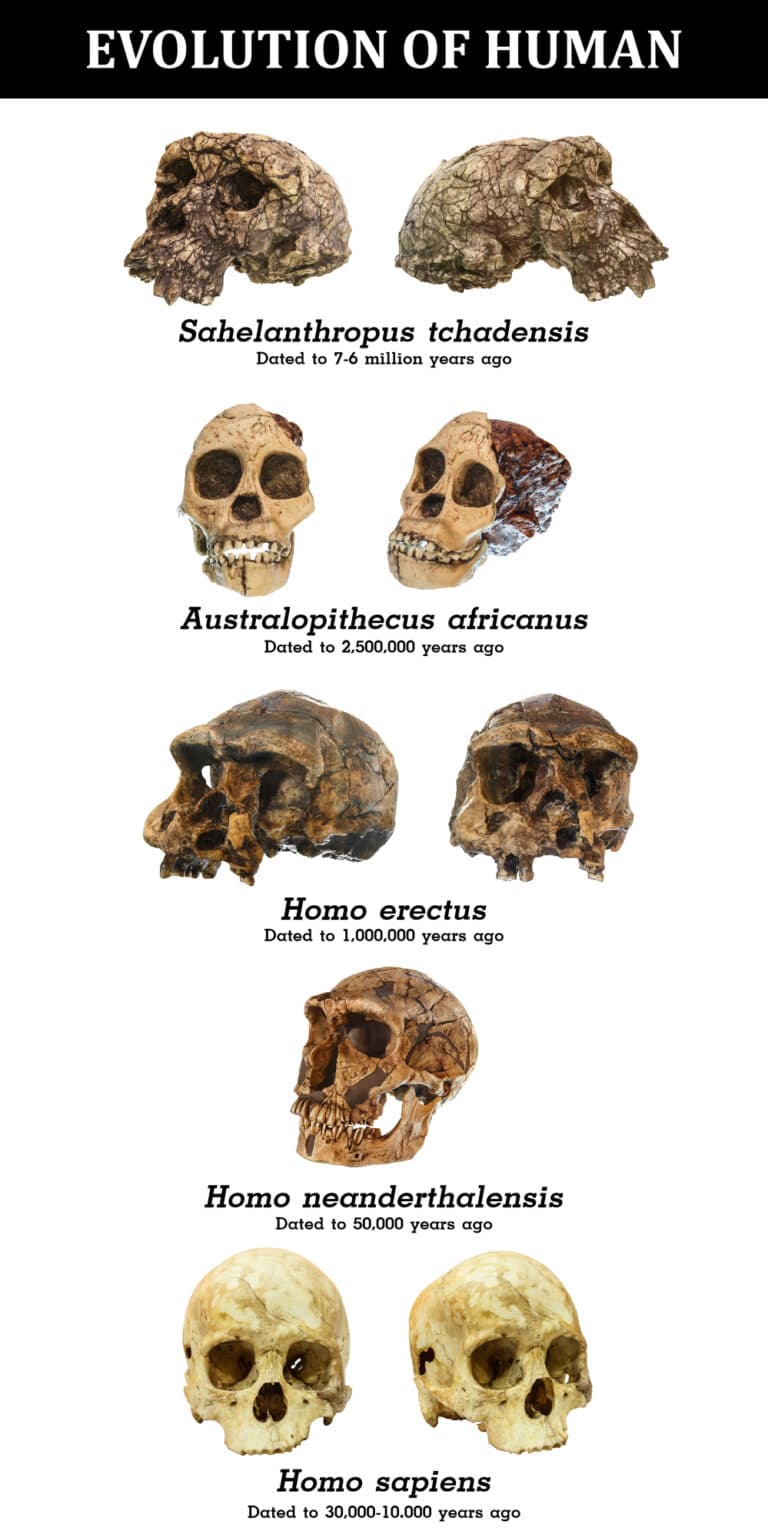
New study: An ancient species in the human lineage walked on two legs, but could not run as fast and efficiently as we do
- The Hebrew University
- One response
A new study conducted at the Hebrew University of Jerusalem presents an innovative method for inferring DNA methylation patterns in tissues that did not come from ancient skeletons, and provides a deeper understanding of the evolutionary processes that shaped the human brain and its functions


- Avi Blizovsky
- No comments
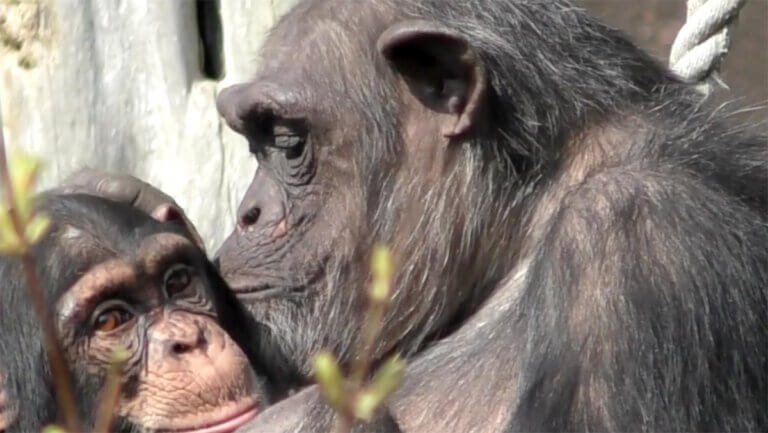
Researchers simulated childbirth in chimpanzees and humans and measured the distance between the bony birth canal and the fetal head. The study shows that narrow birth canals relative to the size of the baby's head are not unique to humans
- Avi Blizovsky
- No comments
Great apes recognize pictures of group members they haven't seen in more than 25 years and respond more enthusiastically to pictures of their friends, new research suggests
- The Technion
- One response
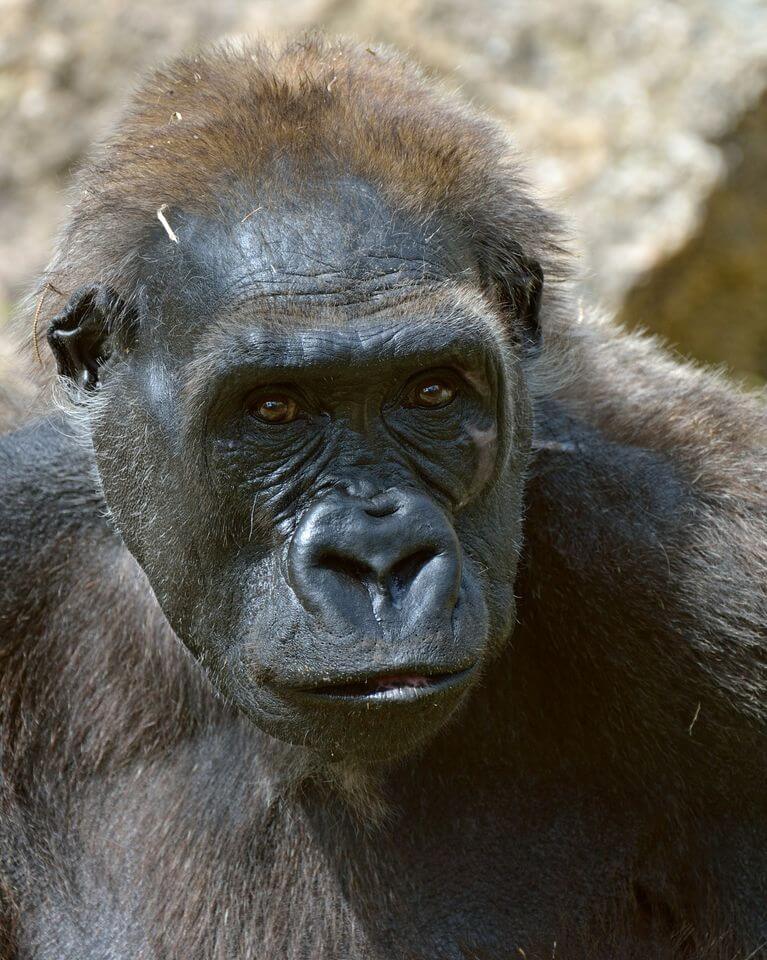
The primitive facial architecture of the gorilla as a key to understanding human facial expressions

- Science site The Conversation
- No comments
Researchers examine how the ancient viral DNA in the human genome plays a role in disease and human development

- Yoram Soreq
- 2 comments
Following on from Judith's question about the longevity of women compared to men, Nir asks what is the evolutionary logic in living long after the period of fertility has ended?

- Avi Blizovsky
- 4 comments
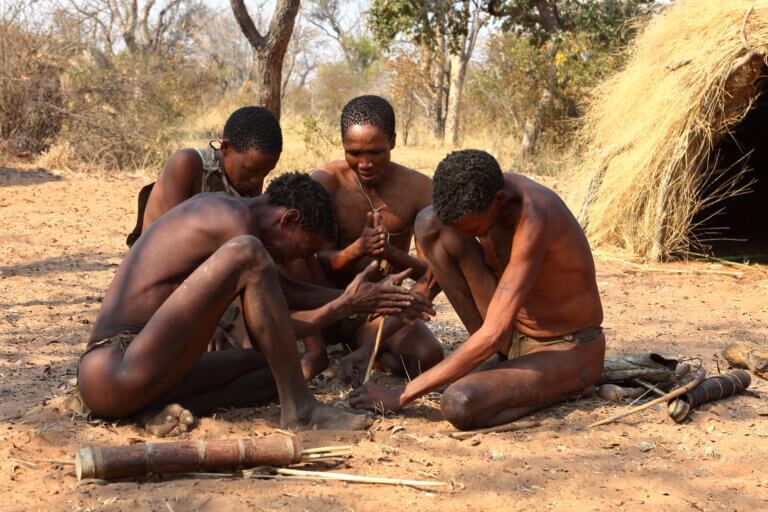
Contrary to the popular assumption until now, a team of researchers from France and Chad discovered that walking on two feet is not only characteristic of Homo sapiens and may have evolved several times. Contrary to the popular assumption so far, a team of researchers
- Ehud Amir
- 5 comments
In a symbiotic reorganization, the organism functions much better than its individual cells or parts.

- Yoram Soreq
- No comments
A "good witch" shares a heartbreaking story about a suitor who lied to her. For reasons of individual modesty, we will omit the details and come to the question that ends the appeal: why do men lie? Because everyone lies

- Yoram Soreq
- 4 comments
We had a dog that, when standing in front of a mirror, barked wildly at his reflection, in contrast, the current dog does not pay attention to his image in the mirror at all until we wonder if he notices it. Some animals may
- Yoram Soreq
- 9 comments
Tomer asks: "Why do humans like to hear music, or at least a collection of periodic sounds with certain harmonies? How does this give us an evolutionary advantage?"

- Yoram Soreq
- 3 comments
Not only do each of us yawn at least 5 times a day, but almost every vertebrate: mammal, bird and even reptile yawns sometimes. It is likely that a behavior that is zealously guarded throughout the animal world will have a role

- Yoram Soreq
- One response
Shmuel is worried about our future, the men "I heard that the male Y chromosome is diminishing over time, is it possible that every generation male mammals are losing more and more of their characteristics? Is it possible that they will disappear?"

- Yoram Soreq
- 7 comments
Doron asks "Why do you cook meat? Logically, it seems healthier to eat raw meat because nutritional values are lost when cooked."

- Yoram Soreq
- 7 comments
Elior asks: Is it possible to take a woman's egg and fertilize it with the sperm of another animal? (e.g. a monkey or a leopard..)

- Yoram Soreq
- No comments

- The Hebrew University
A joint study by researchers from the Hebrew University and Yale University makes it possible for the first time to examine whether awareness and unconscious processes should be lived.
- Tel Aviv University
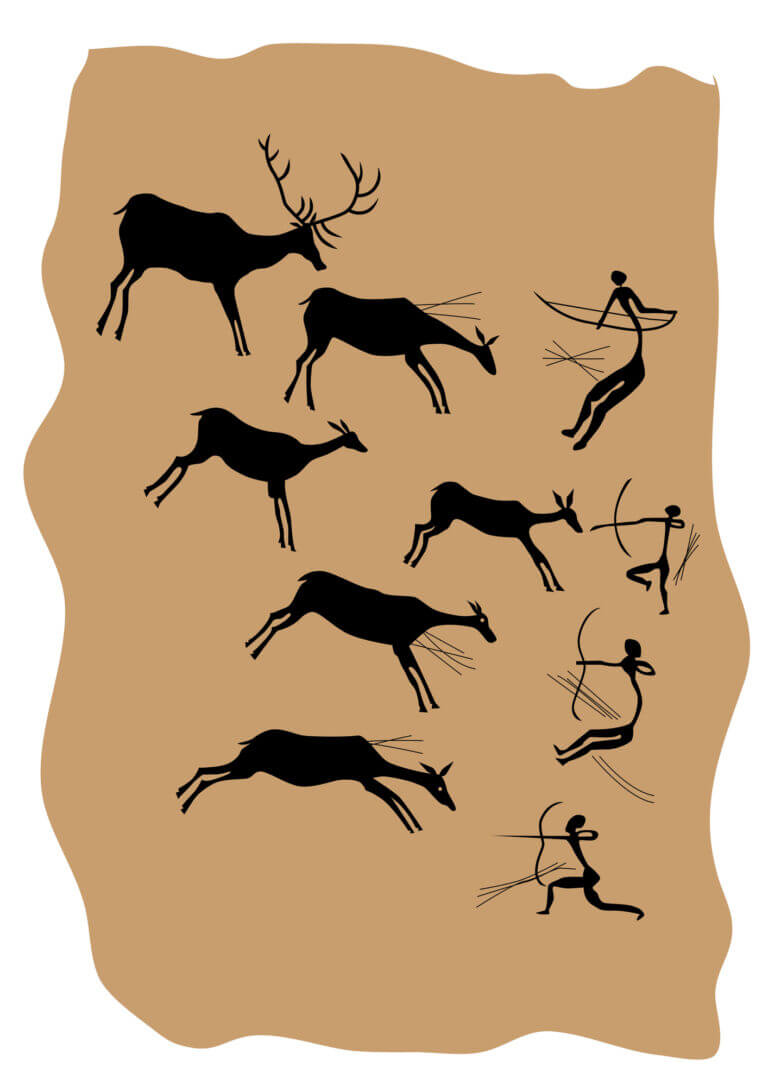
This figure began to change during the Stone Age * Evidence of genetic changes and the appearance of unique stone tools for processing plants led researchers to conclude that starting about 85,000 years ago in Africa, and starting about 40,000 years ago in Europe

- Yoram Soreq
- 7 comments
"The shekel man" asks "how is it that there are right-handed and left-handed people"

- Yoram Soreq
- One response
Jinjun wonders what the toes are for? Are they a useless organ destined to degenerate and disappear? And why is it so painful for them to hit a piece of furniture at night?

- Yoram Soreq
- 2 comments
His mouth is lethargic and the hum of the drill still echoes in his ears. He turns to C with a desperate question: Who needs wisdom teeth?

- Avi Blizovsky
- 8 comments
A new article by Dr. Miki Ben Dor and Prof. Ran Barkai, researchers from the Department of Archeology offers a unifying explanation for the cumulative physiological changes and social behavior of humans since the appearance of humans about two million years ago

- Yoram Soreq
- 6 comments
Strangely, Naomi, not only is it not known why people kiss, but it is not even clear whether the romantic kiss is a universal gesture and whether it is a learned behavior, but evolution has clues

- Dr. Moshe Nahamani
- No comments
The winners are: Harvey Alter from the USA, Mike Houghton from the UK and Charles Rice from the USA

- Yoram Soreq
- 6 comments

- Yoram Soreq
- One response

- Yoram Soreq
- 16 comments

- The Hebrew University
- One response

- Science site The Conversation
- No comments

- Avi Blizovsky
- One response

- Scientific American Israel
- 8 comments

- Scientific American Israel
- One response

- Avi Blizovsky
- 45 comments
In an interview with the Hayadan website, Prof. Yosef Neumann of Tel Aviv University says that Lucy, the Australopithecus fossil, is evidence that erectness preceded brain growth. November 2015 marked the 41st anniversary of the discovery of the skeleton of a female

- Angle - a news agency for science and the environment
- One response

- Scientific American Israel
- 3 comments

- You found Simon
- 2 comments

- Ehud Amir
- 564 comments

- Avi Blizovsky
- 5 comments

- Scientific American Israel
- 4 comments

- Scientific American Israel
- 5 comments
Recent molecular analyzes and fossil findings suggest that the story of human evolution is much more complex, and much more interesting, than we imagined

- Scientific American Israel
- 40 comments

- Scientific American Israel
- 4 comments

- Dr. Asaf Rosenthal
- No comments

- Nir Lahav
- 116 comments

- Haim Mazar
- No comments