
Hayadan > birds
birds

- Avi Blizovsky
- No comments
A study in Science compared the songs of 367 bird species with speech and singing in 52 human languages. The researchers found common patterns, even in birds that don't learn their voices, and suggest that they originate in the mechanisms of vocalization.

- Avi Blizovsky
- No comments
An international review, with the participation of a researcher from Miguel and the University of Haifa, points to diverse connections between insects and vertebrates — and warns of harm to them due to the decline in insect populations

- Davidson Institute
- 2 comments
New research reveals that the Dioscorea melanophyma plant has lost its ability to reproduce through seeds – but has developed black, berry-like bells. Birds accidentally swallow them and spread them hundreds of miles away.

- Avi Blizovsky
- One response
Researchers at Ruhr University Bochum are investigating why consciousness evolved and why different species have developed it in different ways. By comparing humans to birds, they show that complex consciousness may arise through different neural structures.

- Angle - a news agency for science and the environment
The gecko is one of the most intelligent creatures in nature – and that is precisely what makes it so sought after in the illegal trade. From Africa to Israel, the gecko is captured, smuggled and imprisoned, and its life turns from miraculous to tragic.
- Avi Blizovsky
- No comments
A Yale University study examines the movements of 406 migratory bird species and finds that most birds are not moving fast enough to keep up with rising temperatures.

- Voice of Science website - Israel Science Foundation
Technological adaptation of brain activity recording for birds allows us, for the first time, to answer the eternal question: How do they know where to fly?

- Davidson Institute
- No comments
Cuckoos develop eggs and chicks that resemble those of their hosts, to avoid detection. When they have more than one host, this can lead to the creation of new species of cuckoos – especially if they are “violent”.
- Angle - a news agency for science and the environment
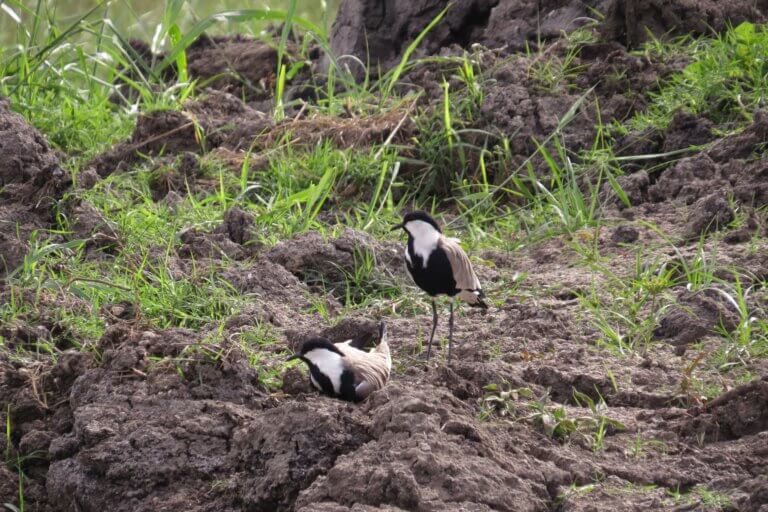
A new Israeli study examined the siksak, a common species of bird - and found that urban siksaks are braver than their rural brethren. Although we usually all appreciate this nice feature, it is possible

- Angle - a news agency for science and the environment
A new Israeli study presents a solution to the many accidents between aircraft and winged creatures, and for the first time succeeds in identifying with the help of radar flocks of large birds, which until now were considered "invisible"

- Yoram Soreq
- 26 comments
My father asks: Do stray cats cause a decrease in the number of birds?

- Angle - a news agency for science and the environment
- 11 comments

- Hayadan Service
- One response

- The Israeli Biomimicry Organization
- 4 comments

- The Israeli Biomimicry Organization
- No comments
The shoebill, a strange African bird, has a unique beak and structure that could inspire lightweight yet strong designs in engineering, design, and other fields.

- Dr. Moshe Nahamani
- 3 comments

- Scientific American Israel
- One response

- Galileo - The Science Magazine
- 12 comments

- Dr. Asaf Rosenthal
- 2 comments

- Dr.Roey Tsezana
- 12 comments