
Hayadan > Y chromosome
Y chromosome

- Avi Blizovsky
- 5 comments
Scientists have successfully sequenced the entire human Y chromosome, revealing critical genomic features. This groundbreaking research offers deep insights into human biology and potential medical advances. The new sequence reveals genomic factors in fertility,
- Ehud Amir
- One response
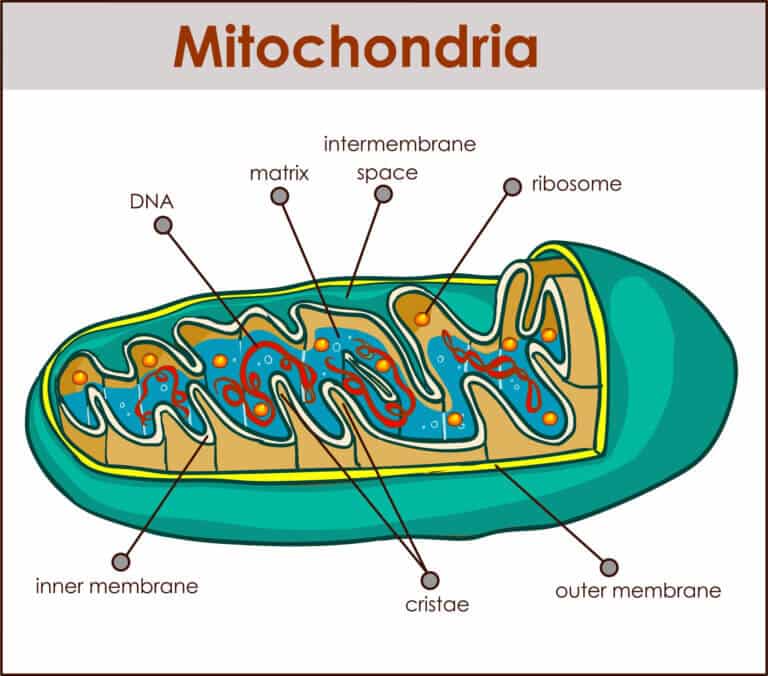
For 1.5 billion years, the mitochondria - the powerhouse of the cell - have been sending DNA segments to the cell nucleus, and they merge with the DNA in the nucleus. A new study found that the contribution of the mitochondria gradually decreases

- Dr.Roey Tsezana
Researchers spread transgenic mosquito eggs containing a genetic defect that they transfer to the mosquito population in areas plagued by mosquito-borne diseases, thereby reducing the mosquito population to a considerable extent

- Voice of Science website - Israel Science Foundation
The middle: genetic editing of the Y chromosome

- The Hebrew University
University researchers have identified a new type of organelle that has not been discovered in gametes before. According to them, a failure in its function causes infertility because it is responsible for the organization of the chromosomes in the sex cells: "The discovery advances us towards finding

- Yoram Soreq
- One response
Shmuel is worried about our future, the men "I heard that the male Y chromosome is diminishing over time, is it possible that every generation male mammals are losing more and more of their characteristics? Is it possible that they will disappear?"

- Yoram Soreq
- 9 comments
Judith asks: "Why do women live longer than men?"


- Guest article
- 9 comments
Since the discovery of the remains of Neanderthals (Homo neanderthalensis), many researchers have been busy examining the genetic, physiological, and mental differences between them and modern humans, and are even studying the customs, rituals, and lifestyle of Neanderthals. Topic

- Avi Blizovsky
- One response

- Avi Blizovsky
- 4 comments

- Avi Blizovsky
- 404 comments
Genes from the Neanderthal Y chromosome were not found in any modern man tested, unlike genes from other chromosomes and mitochondrial genes. Hypothesis: Homo sapiens women aborted fetuses with Neanderthal characteristics, perhaps due to the role of the genes

- Avi Blizovsky
- 2 comments

- Galileo - The Science Magazine
- No comments

- Itai Nebo, editor of the Davidson Institute website
- One response

- Scientific American Israel
- 21 comments

- Scientific American Israel
- 3 comments

- Lotem Eliyahu
- 9 comments

- Galileo - The Science Magazine
- 36 comments
Do all Jews have a common genetic past? Genetic studies from 2010 provide possible answers

- Dr.Roey Tsezana
- 13 comments
- Weizmann Institute
- 26 comments
- Avi Blizovsky
- 9 comments

- Scientific American Israel
- 2 comments
- The Technion
- 17 comments
- Galileo - The Science Magazine
- 12 comments
- Avi Blizovsky
- 2 comments
- Galileo - The Science Magazine
- No comments
- Hayadan Service
- 2 comments
- Hayadan website system
- No comments
- Hayadan website system
- No comments
- The Technion
- One response
- Hayadan website system
- No comments
- Hayadan website system
- No comments
- Hayadan website system
- No comments
- Hayadan website system
- No comments
- Hayadan website system
- No comments
- Hayadan Service
- No comments
- Hayadan Service
- No comments
- Hayadan Service
- One response
- Merit Sloin
- One response
Particularly ancient Y-chromosome lineages have been found in some Ethiopians and among the Huisans.
- Hayadan Service
- 2 comments
A new study charts the genetic family tree of the world's peoples
- Galileo - The Science Magazine
- No comments
- Hayadan Service
- 4 comments
- Hayadan Service
- No comments
- The Hebrew University
- No comments
Two-thirds of Arabs in Israel and the territories, and a similar proportion of Jews, are descendants of at least three ancient ancestors who lived in the Middle East during the Late Stone Age, about 8,000 years ago, according to a new study.
- Hayadan website system
- No comments
- Hayadan Service
- No comments
- Hayadan website system
- One response