Stem cells

Kidney visualization – fetal kidney models

Growing kidneys

Researchers at Sheba and Tel Aviv University have grown hundreds of fetal kidney models from amniotic fluid. The goal: to understand and treat kidney defects while still in the womb.

Penghe Yang sits at his desk in a laboratory at the University of Sydney

Similar to an embryo—but to what extent? A new test for models created from stem cells

Sydney researchers compared embryo models to a map of gene expression in natural development. The test reveals which cells and processes are well-restored and which are still missing.
Molecular model for illustrating research in the life sciences. Photo: Illustration: depositphotos.com.

Towards the Nobel Prize in Medicine: Six Breakthroughs in Biology That Remained Without the Prize

From the proof that DNA carries hereditary information to the Human Genome Project: Science revisits discoveries that changed the life sciences, but whose discoverers did not win a Nobel Prize for these achievements.
Not Resurrection: What Can Really Be Brought Back from Extinct Species?

Not Resurrection: What Can Really Be Brought Back from Extinct Species?

Twelve years after the idea seemed almost fanciful, gene editing, paleognomics, and stem cells are already making it possible to create animals with some of the traits of extinct species. But Colossal's direwolves are
The intestinal lining remembers inflammation: A mechanism uncovered at the Weizmann Institute may explain the transition to chronic disease

The intestinal lining remembers inflammation: A mechanism uncovered at the Weizmann Institute may explain the transition to chronic disease

A study conducted primarily in mice found that acute inflammation can leave long-lasting changes in the intercellular matrix, altering the fate of stem cells in the intestine. Findings from seven biopsies of ulcerative colitis patients support the link
The different areas of the brain. Illustration: depositphotos.com.

Cerebral cortex organoids were assigned anterior or posterior identity in vitro

Early exposure to developmental cues allowed researchers to grow simple models of human brain tissue with defined regional characteristics, revealing disruption in gene expression patterns in a model of fragile X syndrome.
Four hidden populations of supporting cells help the gut regenerate

Four hidden populations of supporting cells help the gut regenerate

Hebrew University researchers have identified four distinct populations of mesenchymal cells beneath the intestinal lining in mice. Each population is located in a different region and produces a different combination of signals related to stem cells, immunity, tissue structure, and
Brain scans. Illustration: depositphotos.com

Stem cell “mini-brains” reveal therapeutic direction for rare childhood disease

Researchers created brain organoids from cells from patients with a rare disease linked to the DHDDS gene, and identified impairment in lipid metabolism, glycosylation, and mitochondrial function.
The killifish is an emerging research model for studying the genetic architecture of aging and age-related pathologies, which often exhibit sex-dependent patterns between females (left) and males (right). Credit: Itamar Harel

The gene that speeds up the start of life – and may take a toll in old age

New research led by the Hebrew University points to a gene that demonstrates a rare evolutionary compromise: it aids in rapid growth and early sexual maturation, but may shorten life expectancy and increase the risk of tumors later in life.

Stem cells in the gut sacrifice themselves to stop bacterial infection

A study by the Weizmann Institute and the Hebrew University reveals a new immune defense mechanism: stem cells infected with Salmonella accelerate their maturation, stop reproducing, and help save intestinal tissue.
Mexican axolotl salamander in the laboratory

The SP6 and SP8 genes are essential for limb regeneration in salamanders and mice

Identifying genes shared by different animals opens the door to developing gene therapy treatments that will enable limb reconstruction in humans in the future.
Heavenly scene

Kidney test

Illustration of damage to the nervous system

Norexone develops exosomal therapy for spinal cord injuries

Exosomes loaded with siRNA against PTEN, developed at the Technion and Tel Aviv University, are designed to reduce inflammation and encourage regeneration in the central nervous system – an area that is also relevant to myelin damage such as in multiple sclerosis.
Lung on a chip. Illustration: depositphotos.com

“Breathing lung on a chip” from single human cells reveals early stages of tuberculosis

A new model in Science Advances combines lung cells, blood vessels, and immune cells from the same genetic origin, simulates breathing, and shows how early foci of cellular damage are formed during infection with the tuberculosis bacterium.
The Eye. Courtesy of Prof. Yossi Mendel, Bar Ilan University

Towards a world without blindness? Biohybrid retinal implant from Bar-Ilan

Are we on the way to a world without blindness? New biomedical developments point to a future where implants will replace photoreceptors that degenerate with age.
The team observed the emergence of 3D embryo-like structures under a microscope in the lab. After about two weeks of development, they began to produce blood (shown here in red) — similar to the development process in human embryos. Credit: Jitesh Neupane, University of Cambridge

Human embryo model grown in lab conditions produces blood cells

Cambridge researchers have created “hematoids,” self-organizing structures from stem cells that mimic early stages of development, including blood stem cells and beating heart cells.
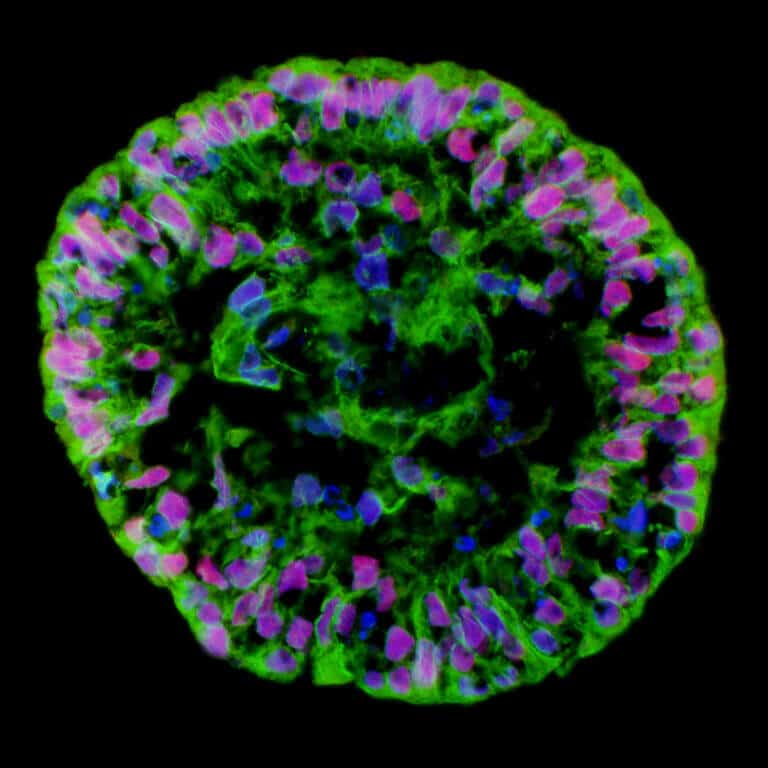
Microscopic image of a fetal kidney grown in the laboratory. Photo: Sheba Spokesperson

For the first time in the world: Sheba and Tel Aviv University researchers grew fetal kidney components from stem cells

The kidney grew and developed over many months and underwent processes similar to those in pregnancy | The organoid allows for the development of regenerative medicine treatments, testing drug toxicity during pregnancy on fetal kidneys, and shedding light on birth defects
Illustration of the human nervous system

A study in Science identified active neural stem cells in the hippocampus of adults

Researchers in Sweden have identified active neural stem cells in the hippocampus of adults, a finding that could lead to advanced treatments for brain diseases.
Leukemia. Illustration: depositphotos.com

The blood test that will identify the risk of leukemia – and may replace bone marrow aspiration

Just days after their laboratories were damaged in an Iranian attack, Prof. Liran Shlush and Prof. Amos Tanai publish groundbreaking findings that are expected to advance the field of blood cell medicine.
The ongoing crisis in Ukraine. The crisis in Ukraine. Illustration: depositphotos.com

Flory in exclusive partnership with Ukrainian blood bank as preparations for mass nuclear disaster

A strategic initiative with Hemafund that helps Ukraine deal with radiation hazards and treat victims. Hemafund's infrastructure ensures safe storage and rapid deployment of emergency care
A whole and shining sea lily. The green color marks the location where there is enrichment for stem cells. Photo: Shani Talisa

A unique method from the world of medicine will save corals from bleaching due to the climate crisis

The researchers from the Laboratory of Comparative Immunology at Ben-Gurion University of the Negev decided to develop the ability to transplant stem cells between corals, just like bone marrow transplants in humans
Anabina under the microscope. The blue bacteria inspired the research

Bacteria against mutants

Weizmann Institute of Science scientists made bacterial cells mimic processes characteristic of multicellular organisms, and discovered a possible defense mechanism against cancer
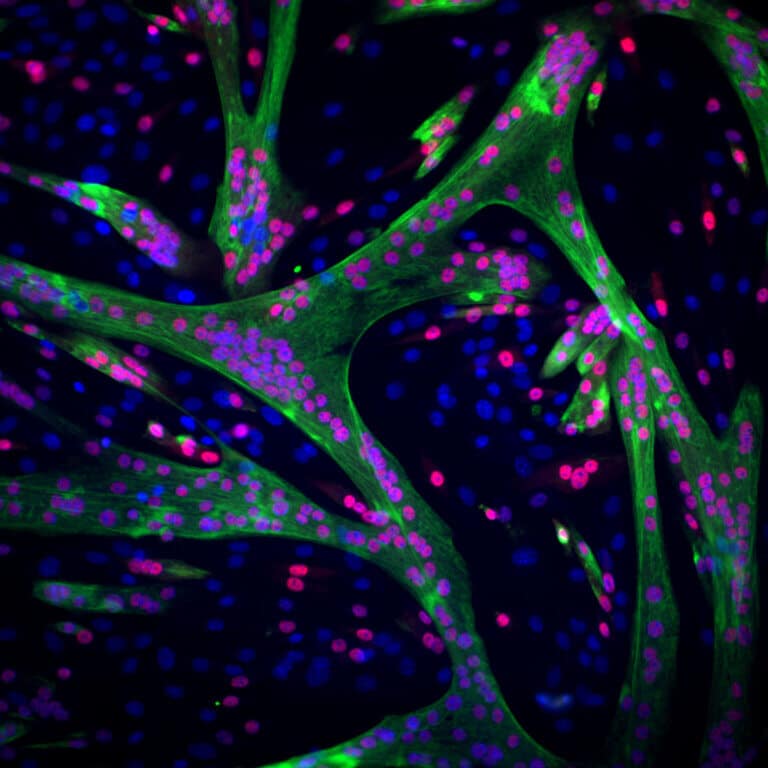
Muscle in the making: stem cells of muscle tissue (their nuclei are marked in blue) gradually change their structure and function and become mature muscle cells (the cells whose nuclei have turned red). These cells will eventually fuse into one long, multinucleated muscle cell. The ability of this muscle to contract is thanks to a large number of protein fibers produced in the mature muscle cells (marked in green)

How a muscle is born

An artificial intelligence model sheds light on the specialization pathway of muscle cells and reveals an important control node along the way
Cut in a fetal body. Courtesy of the researchers

How - and where - does a disease begin?

Researchers discovered which genes are required for each stage of cell differentiation into neural stem cells and neurons, i.e. for brain development, and which of them are involved in diseases of the nervous system
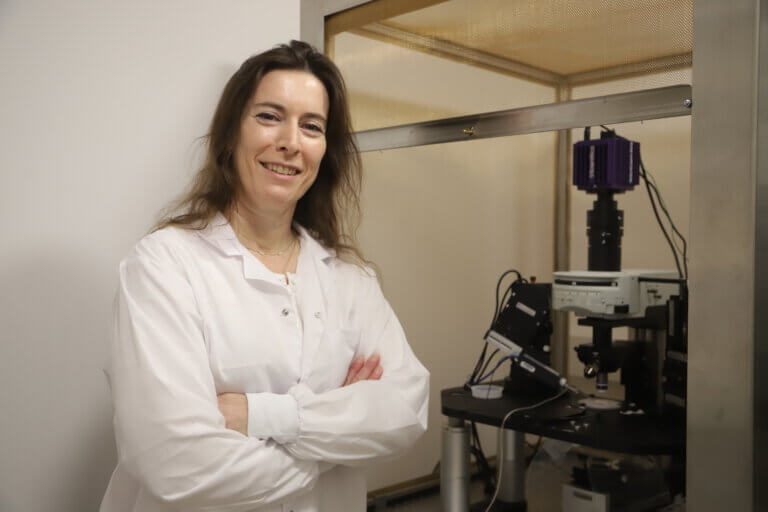
Prof. Shani Stern. Photo – Haifa University Spokesperson

A new study at the University of Haifa found for the first time a connection between Parkinson's disease and the extracellular matrix in the brain

Extracellular matrix is ​​the part of the tissue that surrounds the cells and provides them with structural support. Beyond the structural function of the matrix, it is used for a variety of roles, such as separating tissues from one another and controlling
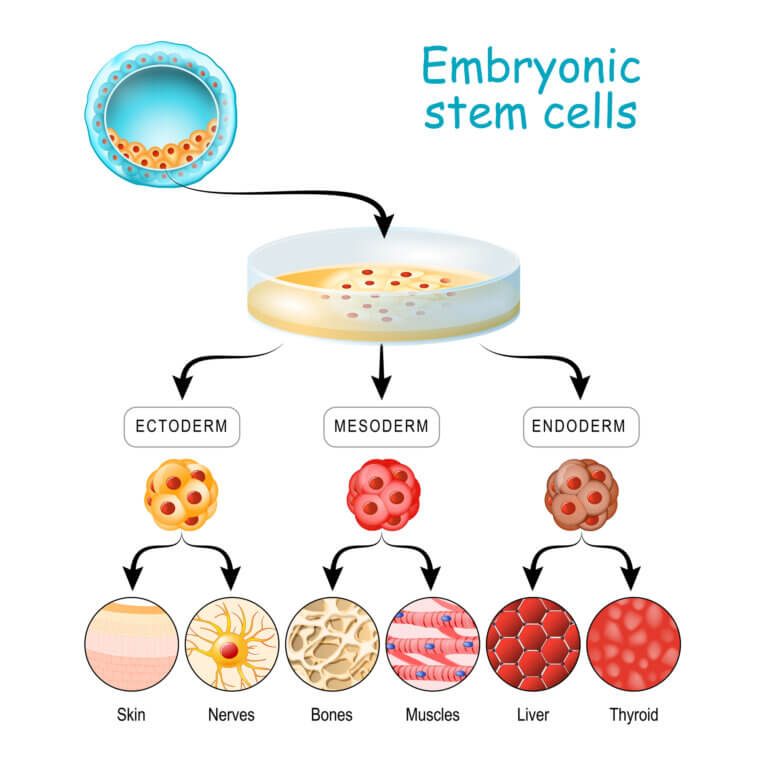
pluripotent stem cells. Illustration: depositphotos.com

Stem cells used as a basis for innovative medicine may contain cancerous mutations

A study by researchers at the Hebrew University found that in mature cells derived from stem cells, which are used in the field of regenerative medicine that focuses on renewing living tissues and creating organs for transplantation, cancerous mutations may appear
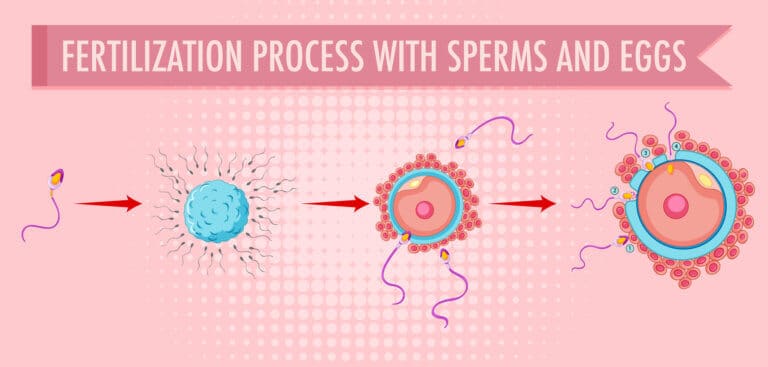
Fertilization process illustration: depositphotos.com

Eggs from men and sperm cells from women: How stem cells may change the way we reproduce

In theory, a male skin cell can be turned into an egg and a female skin cell into a sperm cell. There is also the possibility of a child genetically connected to several parents, or only to one parent
Histological sections of the leg muscles without injury (left) and five days after it (center, right) in a control mouse and a transgenic mouse. It can be seen that the area of ​​the muscle fibers that develop after the injury is smaller in the transgenic mouse, which indicates a disturbance in the differentiation of the stem cells into muscle cells

overcome the damage

Researchers have discovered that two epigenetic events (removing and adding methyl from DNA) lead to the differentiation of stem cells into muscle cells and thus to the regeneration and healing of muscles after their injury
An artificial model of a human embryo in a developmental stage corresponding to day 12. The upper elliptical structure is the part that will become an embryo including the amniotic sac above it; The lower structure is the yolk sac. The interface between the two structures is an essential element for embryonic development in humans. Both parts are surrounded by a layer of cells which will become the placenta

A human embryo without the need for a sperm egg or uterus

A pregnancy test detected the fetus in the test tube. The artificial models developed from stem cells - without egg, sperm or uterus - and grew in the laboratory until day 14
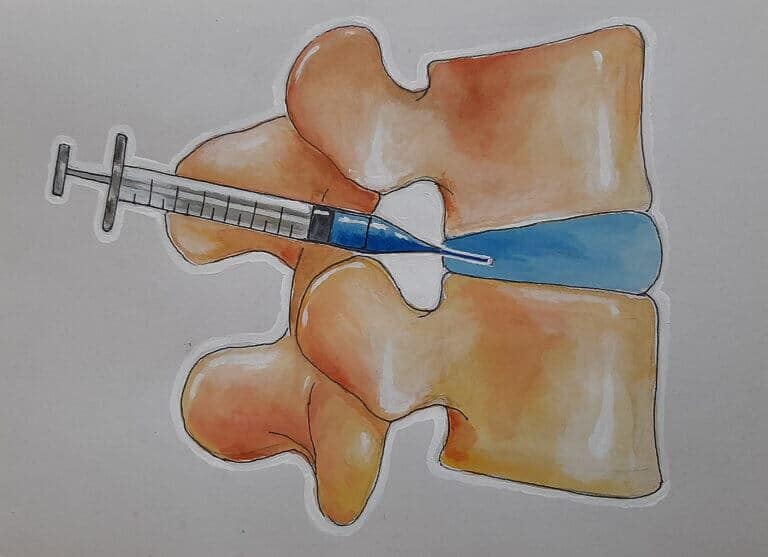
Illustration: Sally Neve

A breakthrough in the treatment of herniated disc

Tissue engineering offers a solution for the treatment of disc herniations: an implant that combines synthetic hydrogel and living cartilage cells
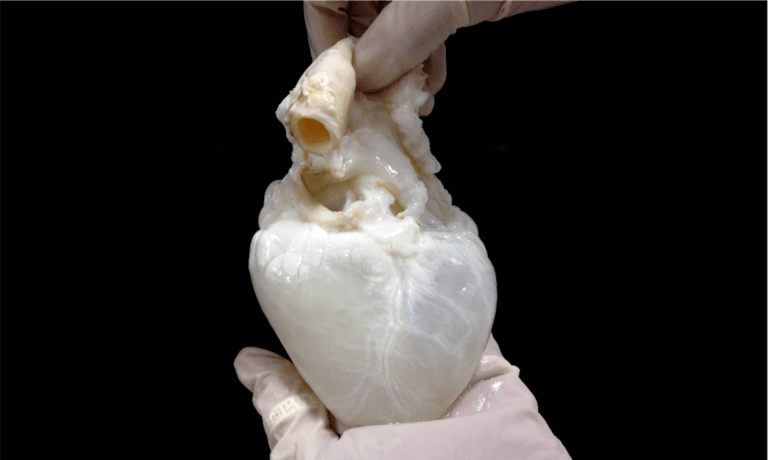
A "ghost" heart is a pig heart that has been prepared so that it can be transplanted into humans. Provided by Doris Taylor

"Ghost" hearts from a pig and the patient's stem cells will replace the need for heart donations

Today, patients needing a heart transplant have to join a waiting list, and hearts become available when someone else dies. Because there are not enough hearts, only critically ill patients are put on the waiting list
Damage to the motor nerves in Duchenne patients. Illustration: depositphotos.com

Improving the function of the heart muscle in Duchenne patients

Producing heart cells from skin cells made it possible to discover defects that lead to heart failure
Stem cells. Illustration: depositphotos.com

For the first time, human skin cells can be directly transformed into cells of a placenta

A research team led by Prof. Yossi Buganim from the School of Medicine of the Hebrew University succeeded in reprogramming human skin cells into functional placental cells so that there is no need to extract stem cells from embryos

Mice. Illustration: depositphotos.com

Mice with two fathers: Scientists create eggs from male cells

The researchers behind the new study were able to create baby mice with genetic material from two males without any genetic changes. They achieved this by using stem cells to create primordial germ cells (PGCs),
A discovery by the institute's scientists may make it possible to increase the amount of stem cells in bone marrow transplants - and improve their chances of success You are here Homepage > Publications > Science news in a friendly language > New blood flows Share Tags Idit Shehartai stem cell immunology bone marrow transplant stem cell transplant The blood in our arteries is constantly renewed Thanks to a small and inexhaustible supply of stem cells in the bone marrow that ensure a continuous supply of fresh blood cells. In bone marrow transplants, these stem cells are harvested from donors and transferred to patients who need them, for example leukemia patients or other types of blood cancer. However, the amount of stem cells is not always sufficient and there is currently no way to grow these cells in the laboratory without them losing their unique properties. The scientists of the Weizmann Institute of Science recently discovered a method that may make it possible to increase the amount of stem cells for transplantation, thus improving the chances of success of bone marrow transplants. Prof. Idit Shahar from the Department of Immunology and her group are researching a receptor called CD74, which is found on the membranes of blood cells. After in a previous study, the scientists discovered that this receptor improves the survival ability of type B white blood cells - they wanted to check if the receptor is also used in a similar way in the stem cells in the bone marrow. To their surprise, it turned out that in the stem cells its action is completely opposite: it initiates a chain of biochemical reactions leading to the death of the cells. From the right: Hadas Levinsky, Dr. Shirley Becker-Herman, Prof. Idit Shahar and Keren David. Down to their bone marrow This fact was revealed after, in one of the experiments, larger than normal amounts of stem cells were found in the bone marrow of genetically modified mice without the CD74 receptor. In other words, disabling the receptor prevented the cells from dying and allowed them to survive for a long time and accumulate. How is it possible that the same receptor performs completely different actions in two types of cells? The reason for this probably lies in the conditions, for example the oxygen levels, or the different environments in which the cells operate - the blood circulation in the case of B cells and the bone marrow in the case of the stem cells. Later, the scientists implanted in bone marrow-deficient mice doses that included identical amounts of normal stem cells and stem cells without CD74. They were amazed to discover that the cells without the receptor were absorbed better, multiplied quickly and in a short time filled the entire bone marrow. In the next step, the scientists conducted a "competition" between the two types of cells - they performed a series of experiments in which they gradually increased the amount of normal stem cells at the expense of the engineered cells. The results were unequivocal: even when the cells without the receptor constituted only one tenth of the total number of cells in the transplanted portion, they were still absorbed better, divided rapidly and were the ones that eventually filled most of the bone marrow. In additional experiments, in mice that underwent chemotherapy treatments - similar to those given to cancer patients - it became clear that mice without CD74 survived and restored their immune system more efficiently than the control mice. "The research may help produce stem cells for transplantation in larger quantities and of higher quality" Finally, the scientists found that an antibody that blocks the active site of the CD74 receptor does indeed cause the stem cells to accumulate in large quantities both in laboratory vessels and in the skeleton of mice. In addition, they showed that blocking CD74 in stem cells taken from humans led to molecular changes similar to those observed in mice. These findings indicate that blocking the receptor may be relevant to bone marrow transplantation in humans. When there is no XNUMX% matching donor for a patient in need of a bone marrow transplant, it is sometimes possible to overcome the lack of a complete match by using huge doses of stem cells. Also, sometimes the source of cells for transplantation is umbilical cord blood, which contains a small amount of these cells. In both cases, increasing the amount of stem cells is essential. "Our research may help produce stem cells for transplantation in larger quantities and of higher quality," concludes Prof. Shahar. Division of stem cells in the bone marrow - continuous supply of fresh blood cells illustration: depositphotos.com

Infusing new blood

A discovery by the institute's scientists may make it possible to increase the amount of stem cells in bone marrow transplants - and improve their chances of success
Two-dimensional nanoparticles that interact with stem cells and direct their differentiation into cartilage cells [Courtesy: Texas A&M University College of Engineering]

An innovative medical approach to the treatment of osteoarthritis