
Hayadan > Quantum technology
Quantum technology

- Weizmann Institute
Weizmann Institute of Science scientists have found new evidence for the existence of a system of particles that "remembers" which quantum states it was in before, taking another step toward a fault-tolerant quantum computer.
- Avi Blizovsky
- 9 comments
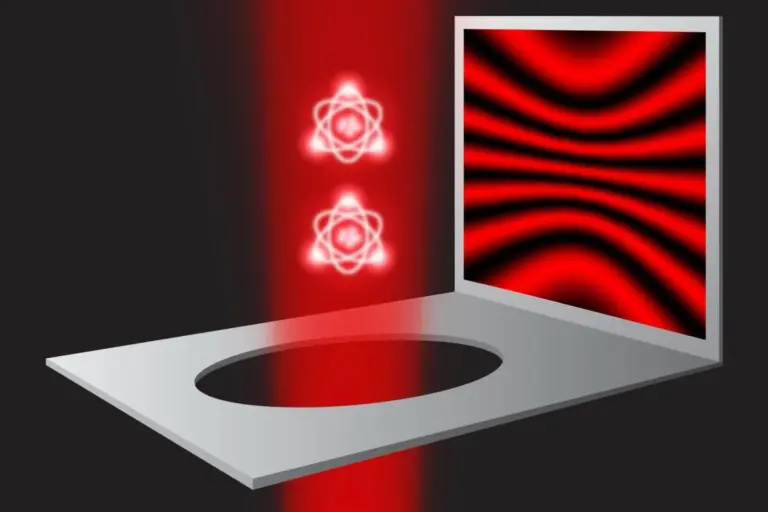
Physicists from the Massachusetts Institute of Technology have succeeded in proving that it is impossible to simultaneously observe the wave and particle nature of light – using individual atoms and quantum photons, thereby confirming Niels Bohr's predictions.

- Avi Blizovsky
- No comments
Researchers at the Hebrew University and Cornell have found a way to synchronize the spins of atoms using light instead of magnetic shielding, which could improve quantum sensors and memory systems.

- Avi Blizovsky
- No comments
IBM's Quantum Starling is expected to break new ground with 100 million quantum operations and 200 logical qubits, and will serve as the foundation for the next stage in fault-tolerant quantum computing.

- Avi Blizovsky
- 2 comments
Scientists have succeeded in producing quantum superposition states even at high temperatures, breaking the myth that only cold allows quantum phenomena to exist.

- Voice of Science website - Israel Science Foundation
Researchers have built a component that amplifies quantum signals that can be used to upgrade quantum computing capabilities

- Dr. Noam Chai
- 3 comments
The non-Abelian anions are quasi-particles with fascinating statistical and topological properties. Until recently, these particles were only theoretical, but now a research group from Harvard University has created them for the first time in the laboratory. The discovery is made
- Hayadan Service
- No comments
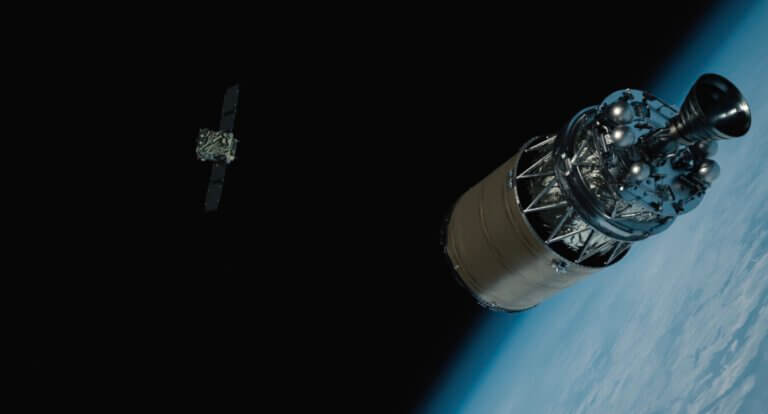
The ADRAS-J mission, which was launched into space to locate a piece of a defunct satellite 11 meters long and weighing 3 tons, will set new standards in the field of arrival and active removal of space debris, as well as in providing service to satellites
- The Technion
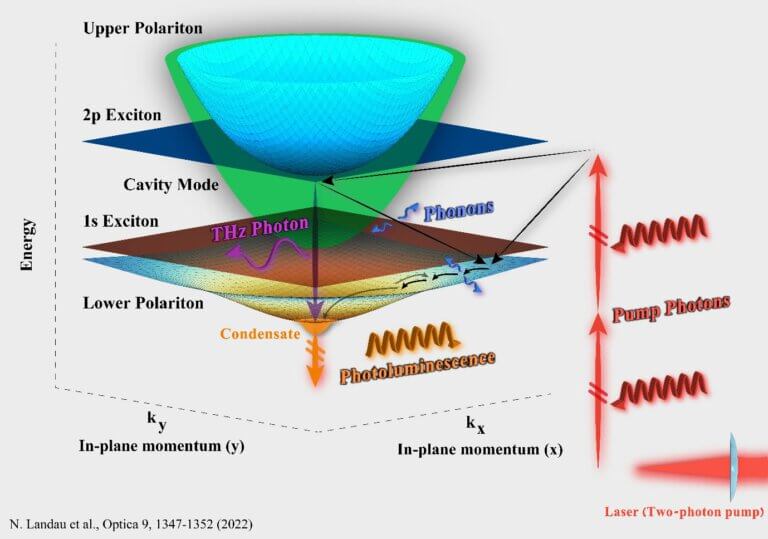
The achievement may accelerate research in new quantum technologies and developments in security, biological sensing, wireless communication and more