A comparison of two rare male pelvises from the Neanderthal lineage and 91 pelvises from modern humans suggests overturning a long-held assumption: the ancient structure was preserved in Neanderthals and modern women, while
Genetic data from 27 Neanderthals who lived in northwestern Europe less than 52,500 years ago show that the groups in the region were relatively related. The researchers found no evidence of extensive mating between relatives, late genetic mixing
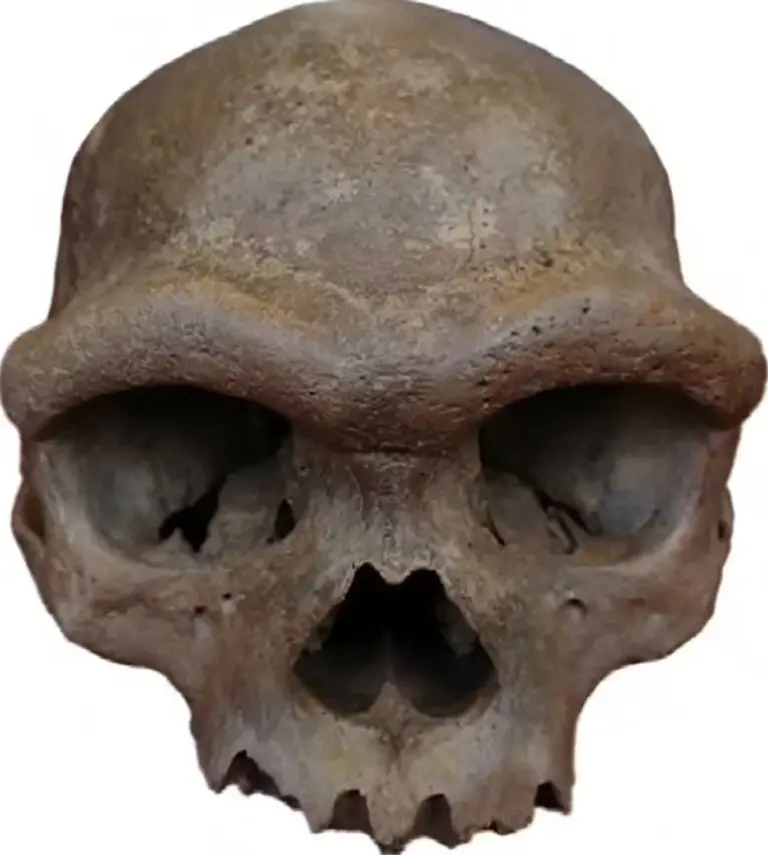
Researchers have successfully extracted proteins from the enamel of six Homo erectus teeth discovered in China. A variant shared by Homo erectus and Denisovans raises the possibility that genetic heritage from this early human population was also passed on, via Denisovans, to
An analysis of 386 fossils from 21 hominin species found a combination of a gradual increase in body weight and a significant jump that occurred within the genus Homo about two million to two and a half million years ago. At the same time,
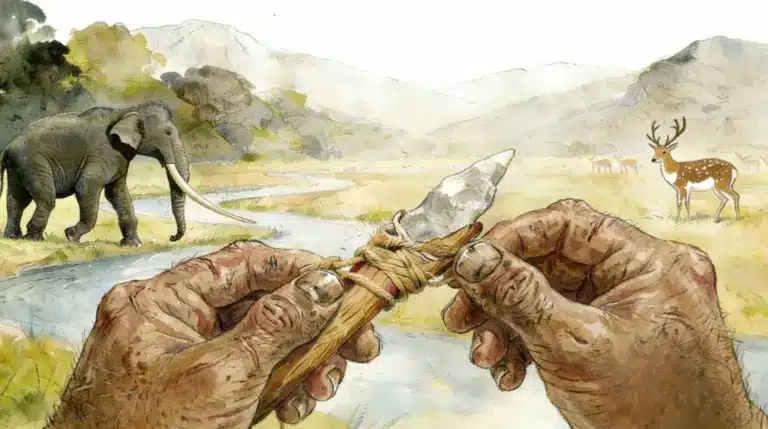
New research at the Shiguo site in central China has found evidence of systematic stone tool production and the early use of especially handle-attached tools. The finding challenges the notion that hominins in East Asia maintained a long-term
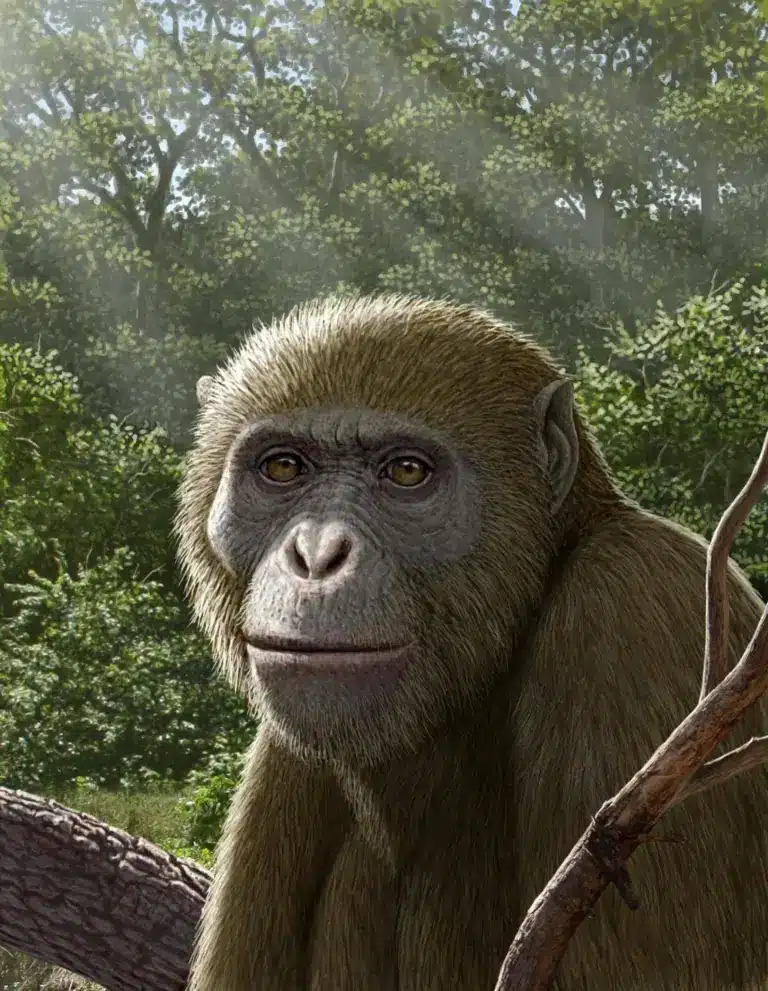
A study published in Science describes a new species of ancient ape, Masripithecus moghraensis, that lived in northern Egypt about 17–18 million years ago. The researchers believe it is particularly close to the lineage from which all living apes evolved.