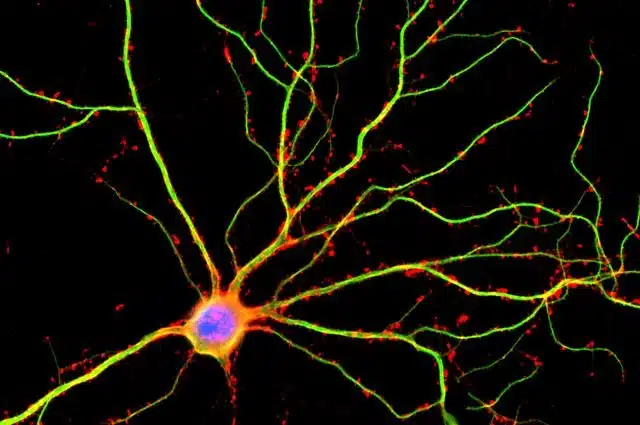
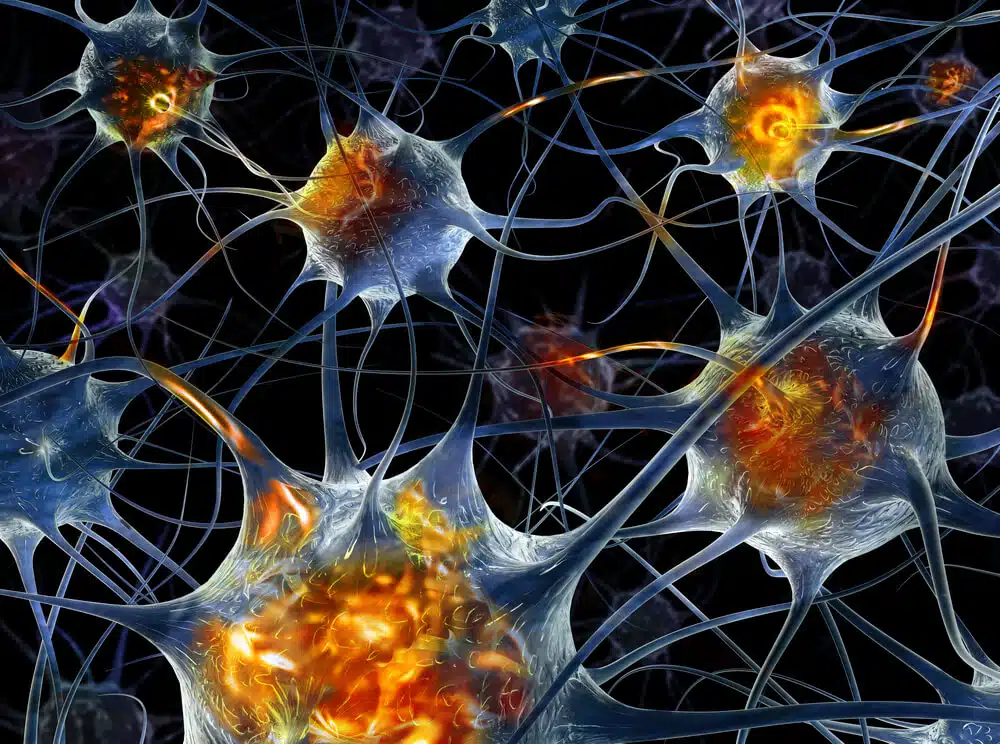
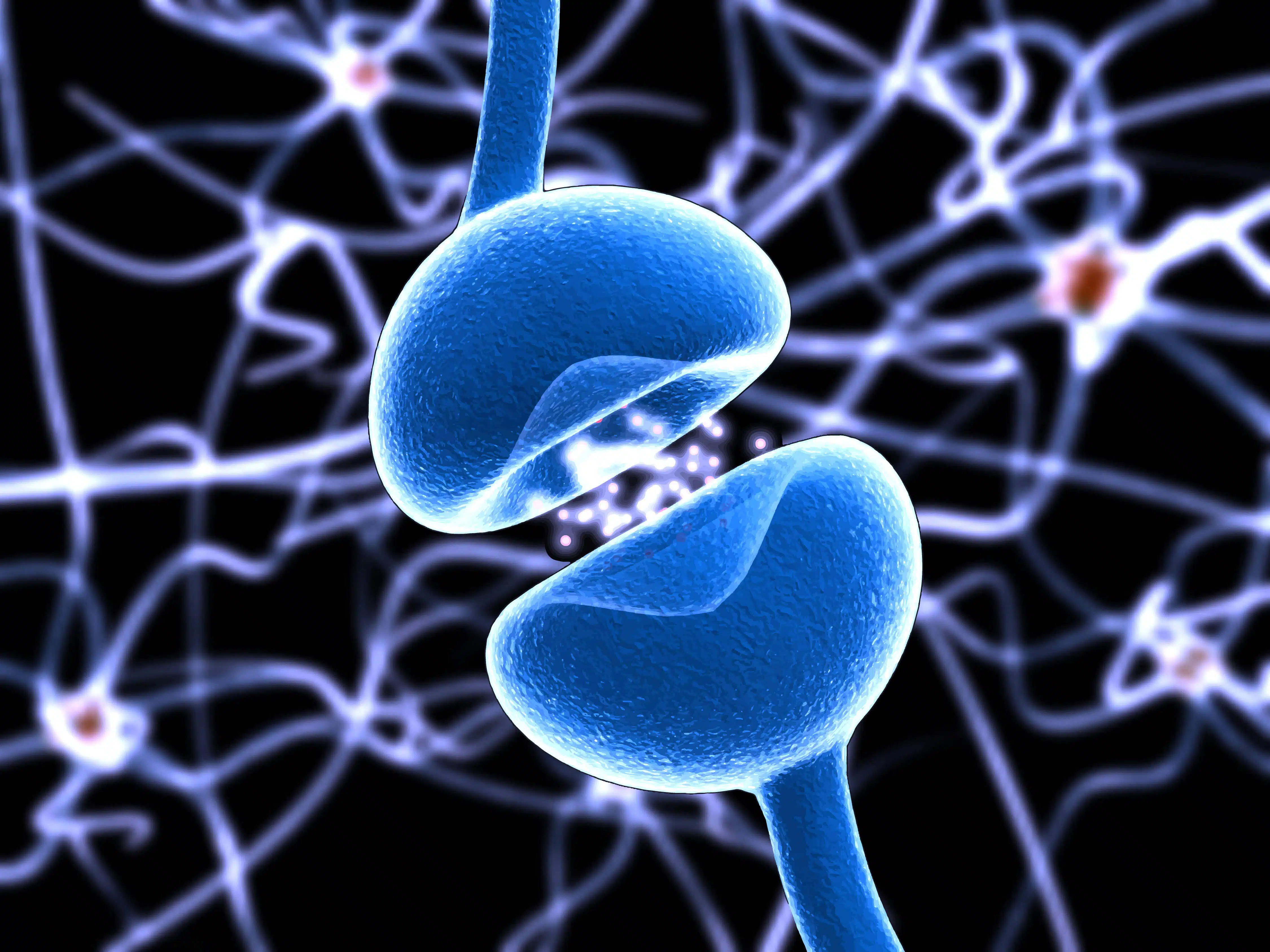
A study by researchers from the Hebrew University and the Max Planck Institutes shows how groups of nerve cells work together to quickly detect even very weak sensory stimuli, despite the constant electrical activity in the brain.
Researchers at Columbia University have identified more dormant stem cells and fewer young, maturing neurons in the brains of adults with major depression. The study, published in Nature Medicine, also points to widespread disruptions in brain circuits.
The Voice of Science website - the Israel National Science Foundation
No comments
How does a positive expectation or sense of purpose translate into a physical response? Prof. Asia Rolls' research group maps the pathways through which the brain influences the immune system – from the liver and bone marrow to the spleen.
The Voice of Science website - the Israel National Science Foundation
No comments
Researchers from the Hebrew University and University College London have developed an antioxidant therapy based on AAV vectors. The therapeutic sequence is activated in response to abnormal electrical activity in the brain. More than half of the treated rats were free of seizures, and the remaining animals
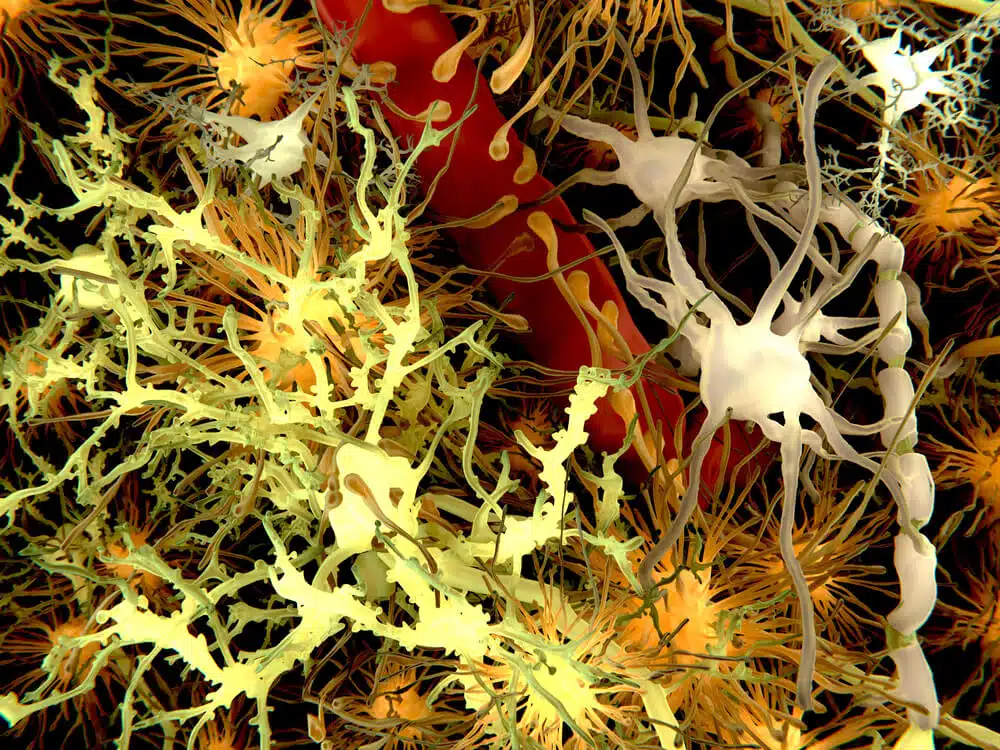
Researchers have mapped 3D networks of support cells in the mouse brain for the first time, revealing long-range connections between distant regions and between the two hemispheres.
The paradox is that sensory input processing is done at a speed 100 million times faster than the speed of thought * Principal Investigator: "At any given moment, we extract only 10 bits out of a trillion that our senses perceive and use."
The book presents an interdisciplinary overview of the evolution of consciousness in man by Uzi Ben Zvi, Philosophy and Science series, Attic Books and Yediot Books
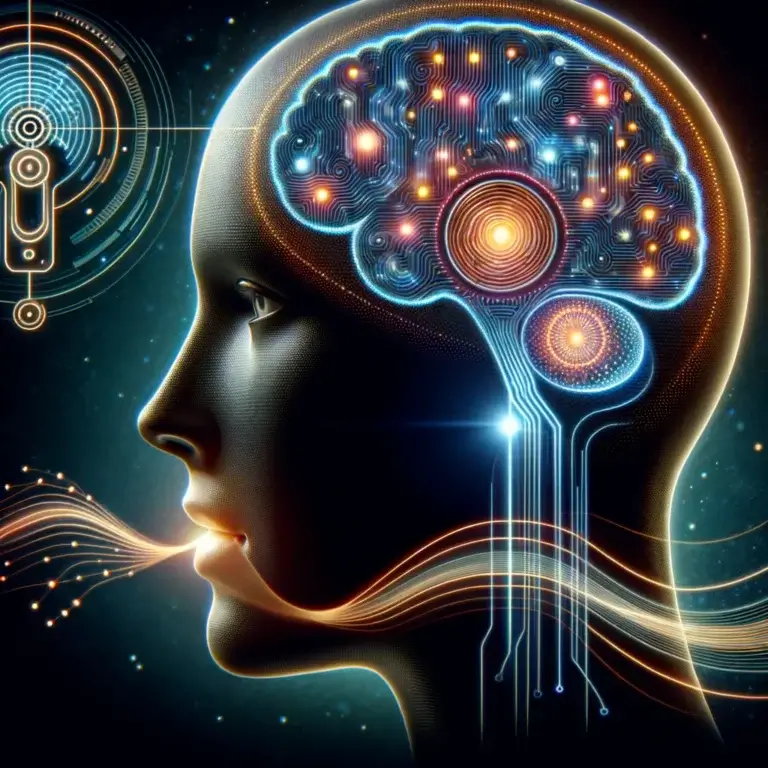
Individual neurons could recognize, for example, when we are about to touch our tongue to our palate to say the letter D * This will enable the development of prostheses for those suffering from speech problems
Reader's question: I am 59 years old, and in fairly good health. Is it possible that I will live long enough to put my brain into a computer? Richard Dixon.