Microbiome

Constipation in space: Blood tests from 52 astronauts indicate a change in gut bacterial activity

Constipation in space: Blood tests from 52 astronauts indicate a change in gut bacterial activity

The astronauts' blood showed an increase in substances that indicate protein fermentation by gut bacteria. Researchers suspect that the slower passage of food through the gut in microgravity may explain the phenomenon—but the transit time
A brief heat wave disrupted bacteria that change the sex of spiders – and the effect appeared in subsequent generations

A brief heat wave disrupted bacteria that change the sex of spiders – and the effect appeared in subsequent generations

Exposing dwarf spiders to temperatures of 27–28 degrees Celsius did not change the sex of the individuals exposed to the heat, but their offspring and grandchildren became males again. The researchers found that the heat upset the balance
Craig Venter, one of the pioneers of the human genome. Illustration via CHATGPT, Venter's image: Wikimedia Commons

Craig Venter, pioneer of human genome sequencing and synthetic biology, dies at 79

Venter was one of the most controversial and influential figures in modern genomics. He accelerated the race to sequence the human genome, pioneered shotgun sequencing, led research in marine genomics, and was one of the founders of the field of synthetic biology.
HIV virus. Illustration: depositphotos.com

The microbiome as a hidden protector: Gut bacteria partially compensate for HIV damage to the intestinal mucosa

A new study conducted in Israel and Ethiopia, led by researchers from the Weizmann Institute and Hadassah, reveals that the microbiome partially compensates for the damage that HIV causes to immune system cells in the intestinal mucosa and may lead to treatment directions.
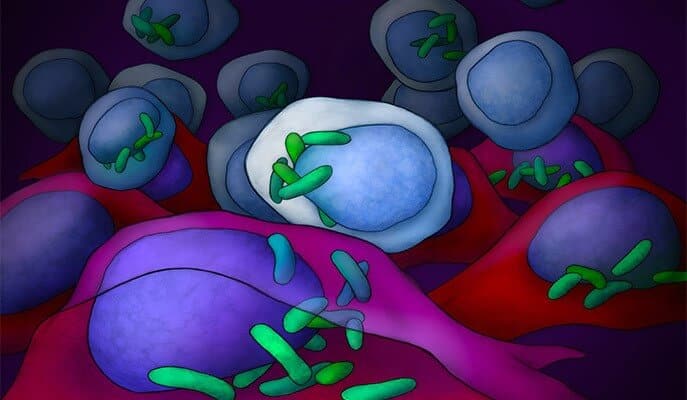
Glioblastoma tumor tissue removed from a patient and immediately soaked in a solution containing an amino acid that only bacteria consume. On the left, you can see that the cancer cells, whose nuclei are marked in orange, have taken up the amino acid marked in blue – evidence of the presence of live, active bacteria in the tumor. On the right, after antibiotic treatment, the consumption of the amino acid has stopped.

Inside the brain: Bacteria live in tumors and metastases – and may affect treatment and patient survival

Weizmann Institute study in collaboration with Beilinson and Rambam identifies a diverse microbiome in glioblastoma and brain metastases; overlap with bacteria in primary tumors, variation by location in the brain, and association with temozolomide resistance and survival; published in Nature Cancer
AI double will test personalized medicines. Illustration: depositphotos.com

A personal AI double will predict diseases – and help prevent them

Based on the advanced database of the Human Phenotype Project and artificial intelligence models, Weizmann Institute of Science scientists created a "digital twin" that will help predict the medical future of each participant.
Prof. Moran Berkowitz and Prof. Naama Geva Zatorsky, winners of the ERC Poc grant for 2025. Photo: Technion Spokesperson and Lucido Studio.

Technion researchers win EU "feasibility grants" for developing breakthrough technologies in medicine and optics

Prof. Moran Berkowitz from the Faculty of Mechanical Engineering and Prof. Naama Geva-Zatorsky from the Faculty of Medicine will develop technologies for the production of customized lenses and personalized melanoma treatment – thanks to ERC Proof of Concept grants
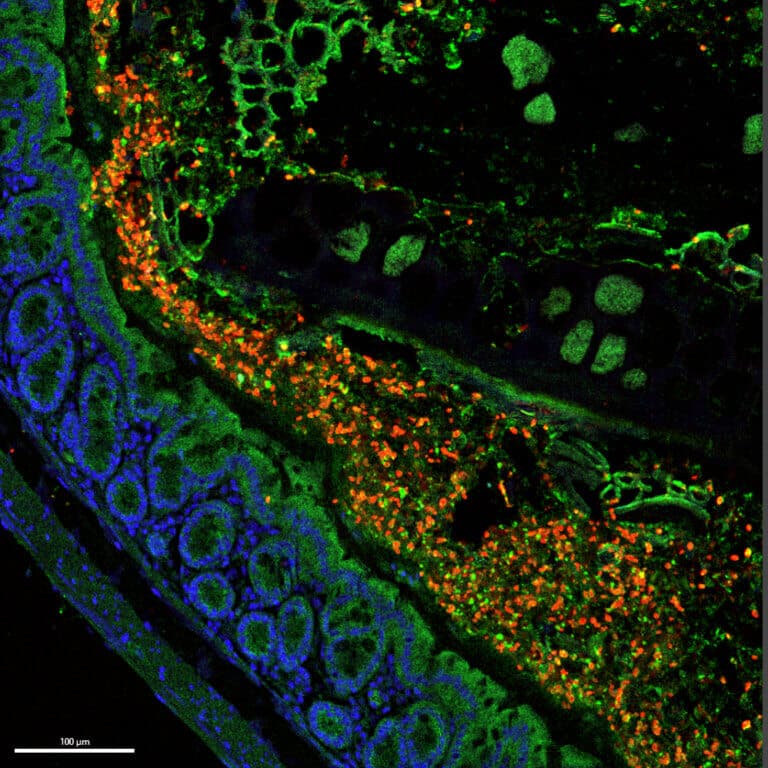
The new yeast was discovered for the first time by chance in a mouse intestine (fluorescence microscope image of intestinal tissue, in red - yeast cells named after Weizmann)

Yeast against yeast: Healthy competition between different fungal species in the gut may protect against life-threatening infections

Scientists of the Weizmann Institute of Science have discovered a new species of Schmer that is able to push the legs of other species that may be dangerous to health; The scientists named the new species after Dr. Chaim Weizman
Colonies of bacteria grow in a petri dish. Photo: depositphotos.com

How can interactions between bacteria predict evolutionary changes in the microbiome?

In a study published in Nature Communications, Dr. Yonatan Friedman and PhD student Nitai Maroz from the Faculty of Food and Environmental Agriculture at the Hebrew University bring science closer to engineering a unique microbiome for specific needs in humans, animals, plants and the environment
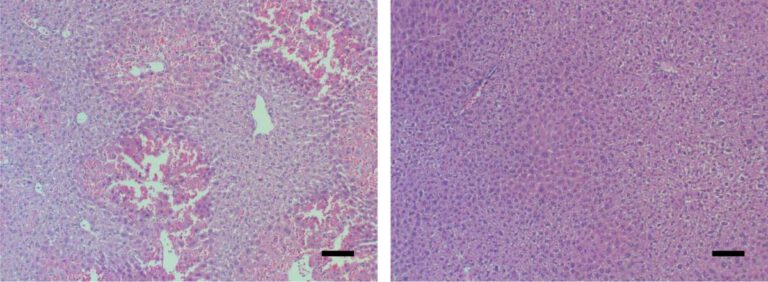
Mouse liver tissue under the microscope. Signs of acute liver failure (left) disappeared after administration of a drug that blocks the control protein MYC

Involvement of intestinal bacteria and liver cells in acute liver failure

Weizmann Institute of Science scientists revealed the discovery and outlined a path for future treatment
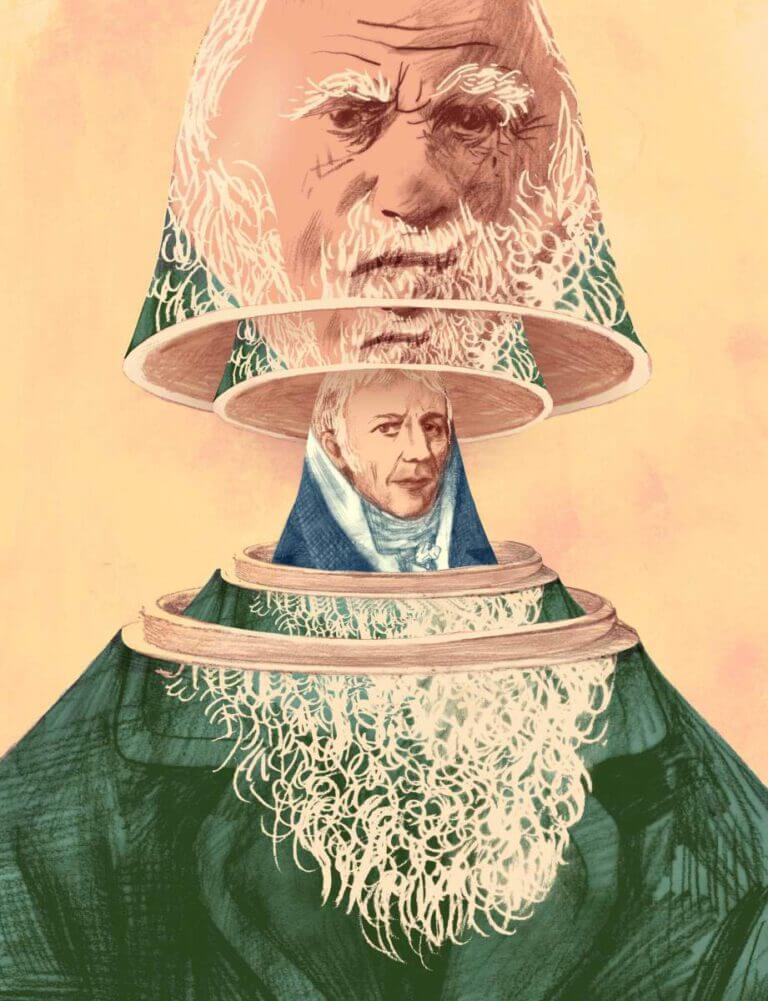
The evolution within the evolution. Illustration: Maya Shleifer

The evolution within the evolution

Dr. Omri Koren. Photo: Bar Ilan University Spokesperson

A new study proves: pregnancy improves the condition of women suffering from Crohn's and other intestinal diseases

The research on the microbiome of pregnant women will be presented at a conference in Bar Ilan that will bring together the scientific development on the subject
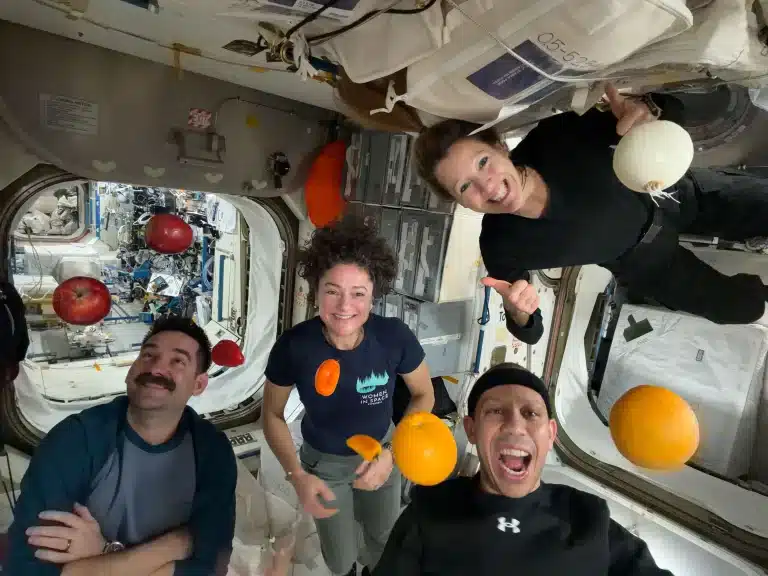
Image 1: E.coli bacteria at 10,000x magnification. Image source: Agricultural Research Service, via Wikipedia.

Same bacteria - different effect

Proteins involved in the function of the intestinal barrier (the E-cadherein protein is marked in green)

The relationship between infections and obesity

Dr. Omri Koren, Bar Ilan Faculty of Medicine in the Galilee. Source: Bar Ilan University.

What is the effect of giving penicillin in early stages of life?

antibiotic drugs. Illustration: pixabay.com.

"Antibiotics are like an atom bomb on the microbiome"