Medical ethics

The face transplant recipient from Barcelona. Photo courtesy of Val d'Hebron Hospital

World's first face transplant from a donor who received assisted dying: Breakthrough in Barcelona

A euthanasia-donated face transplant was completed in Barcelona in a surgery that lasted up to 24 hours and involved about 100 staff members, with 3D planning and a strict medical-ethical procedure.
Artificial intelligence in medicine. Illustration: depositphotos.com

Microsoft's artificial intelligence is leaving doctors behind

A new study shows a digital doctor panel leading to an accuracy of about 80% in complex medical diagnoses – far beyond the average of general practitioners. This is a breakthrough that could change the future of medicine, and perhaps even
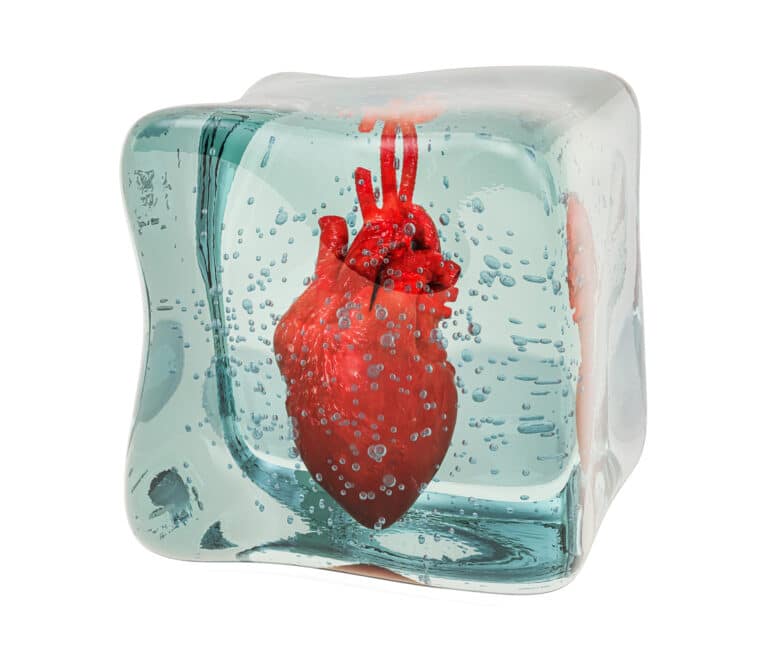
Freezing organs for transplantation. Illustration: depositphotos.com

Anticoagulant proteins show promise in preserving organs for transplantation

A joint study by researchers from the Technion Hebrew University and the Weizmann Institute examined the possibility of incorporating anticoagulants into organs intended for transplantation to prevent damage to the organ and to cancel the transplant, as well as to help preserve organs for a longer period of time
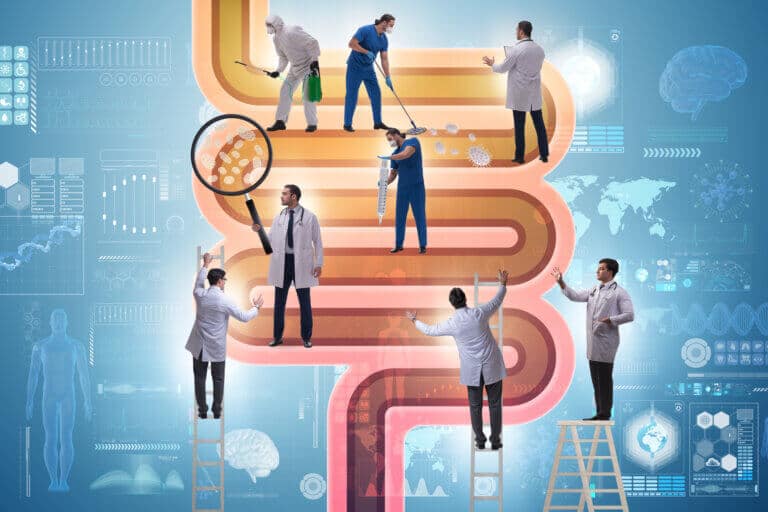
Colon cancer treatment. Image: depositphotos.com

Meeting with a patient - as a warning bell

Doctors who see a bowel cancer patient tend to refer more patients to tests for early detection. Is this a correct response?
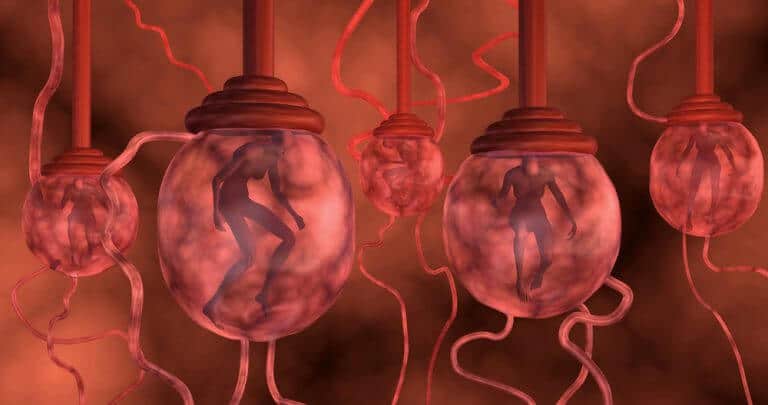
human empowerment. Illustration: shutterstock

The next stage in human evolution: technology, human-machine interface and moral questions

Will the technological developments that allow us to empower ourselves bring us to the singularity? Where does technology, human-machine interface, and the ethical implications of human empowerment lie?
A macaque monkey in a facility for animal experiments. Source: Understanding Animal Research.

Transparency is the way to improve the treatment of primates in scientific research

Illustration: Ars Electronica / ra2 studio / Flickr. Used under a Creative Commons (CC-BY-NC-SA-2.0) license

The right to cognitive freedom

Inara Prusakova/Shutterstock

On the agenda - why fetuses should not be out of bounds

Genetic engineering of humans. Image: Andrea Danti/Shutterstock

Reflections - a baby with blue eyes? / Bracha Reger

Distribution of drugs in the body using nanoparticles. Image: University of Copenhagen

Medical ethics - are drug studies reliable? / Charles Zaif

Laboratory mice suffering from brain white matter damage syndrome. Photo. Yuval Kabili, Tel Aviv University

Brainwashing - actually experiments on animals / Yitzhak Farnes

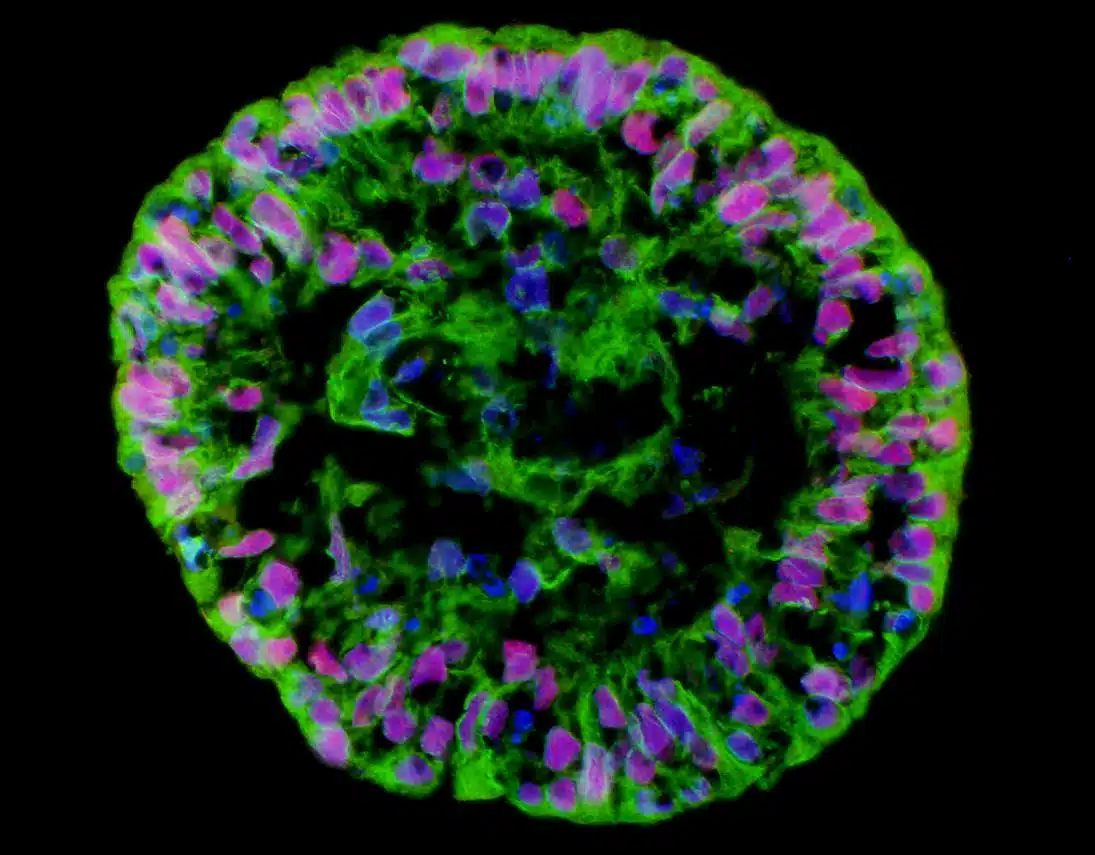
An embryo-like body of human embryonic stem cells, formed when the stem cells are transferred to a liquid medium to create a suspension. The colors come from markers of different cells originating from the three germ layers. Photographed with a light microscope at x20 magnification. Courtesy of Prof. Nissim Benvenisti, Hebrew University

the passersby of the dispute

Logo of the National Committee for Medical Ethics in the USA. From Wikipedia

Human experiments

A baby in an ultrasound image. From Wikipedia

Life after death

Siamese twins whose birth was preserved in the records of the city of Nuremberg, 1493. From Wikipedia

Between morality and medicine

A sign prohibiting entry to those with a pacemaker

Are we becoming "post-human"?

An embryo-like body of human embryonic stem cells, formed when the stem cells are transferred to a liquid medium to create a suspension. The colors come from markers of different cells originating from the three germ layers. Photographed with a light microscope at x20 magnification. Courtesy of Prof. Nissim Benvenisti, Hebrew University

Cells with potential - a look at stem cells

The m-mycoides bacterium is synthesized from Craig Venter's laboratory. Photo: University of California at San Diego

Synthetic Biology: Venter and the Synthetic Genome 2007 – 2010

The synthetic bacteria M. mycoides JCVI-syn1 of the Craig Venter Institute. Photo by electron microscope University of California San Diego

Scientists have developed a synthetic magnum bacterial cell