Animal migration

Reconstructing the environment of northern Alaska in the Late Cretaceous: The Arctic was forested and inhabited by dinosaurs and small mammals, but the animals had to cope with months of winter darkness. Credit: James Havens.

Mammal fossils from Alaska reveal: The Arctic was an evolutionary crossroads during the age of dinosaurs

Tiny fossilized teeth, some 73 million years old, have led to the identification of three previously unknown mammal species. The findings point to a diverse Arctic ecosystem and an ancient migratory route that connected Asia
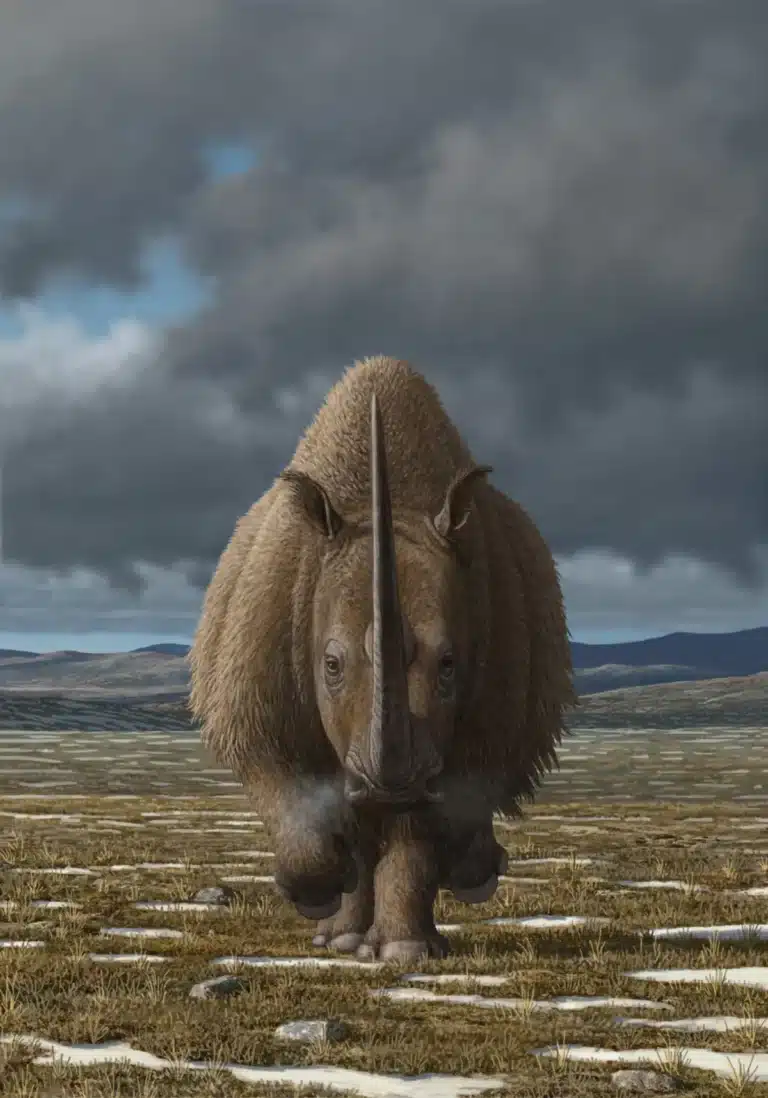
Woolly rhinos were once common throughout northern and central Eurasia, before becoming extinct about 10,000 years ago. Credit: Mauricio Anton 

Solving an ancient mystery: paleontologists shed new light on the causes of the extinction of the woolly rhinoceros

Advanced computer models estimate that continued hunting by humans contributed to the extinction of the woolly rhinoceros by preventing their migration to new habitats during post-Ice Age warming, highlighting the ongoing impact
Damage to migratory species. The illustration was inspired by the article by the artificial intelligence software DALEE.

Endangered migratory species

According to a UN survey, almost half of the migratory species suffer damage, and about a quarter are in danger of extinction. The most serious situation is that of the migratory fish species, with almost 97% of them in danger due to overfishing
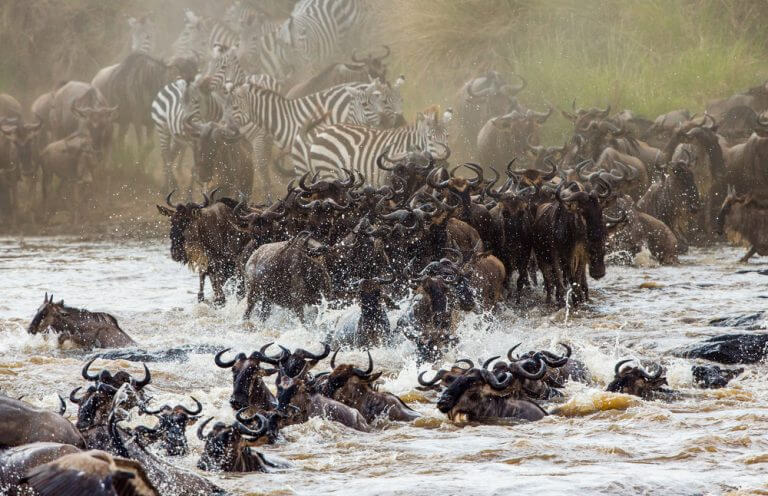
Animal migration in the Serengeti. Photo: shutterstock

Extinct wanderers

flock of birds Source: Wikimedia / Baykedevries.

Where do the ducks fly when the lake warms up?

Zebras in the Okavango estuary in Botswana. Photo: shutterstock

Big mammal migration in Botswana too

Cows grazing in the meadow. From Wikimedia

The inner compass / Davida Castelvecki

A royal Danae. From Wikipedia

Is migration "contagious"?

arctic gull

Methuselah of the Seagulls

Christmas Island crabs on the move

How do lazy crabs turn into marathon runners overnight?

Rare supporting cells in the inner ear of mice began to transform into sensory hair cells

The butterfly clock

Rare supporting cells in the inner ear of mice began to transform into sensory hair cells

The Great Dragonfly Migration

Rare supporting cells in the inner ear of mice began to transform into sensory hair cells

Migration management