
From the spread of disease to food insecurity, the climate crisis is harming human health. According to a report in the medical journal The Lancet, it is time for multi-system collaboration
By Vared Ill-Saldinger, Zwata - Science and Environment News Agency
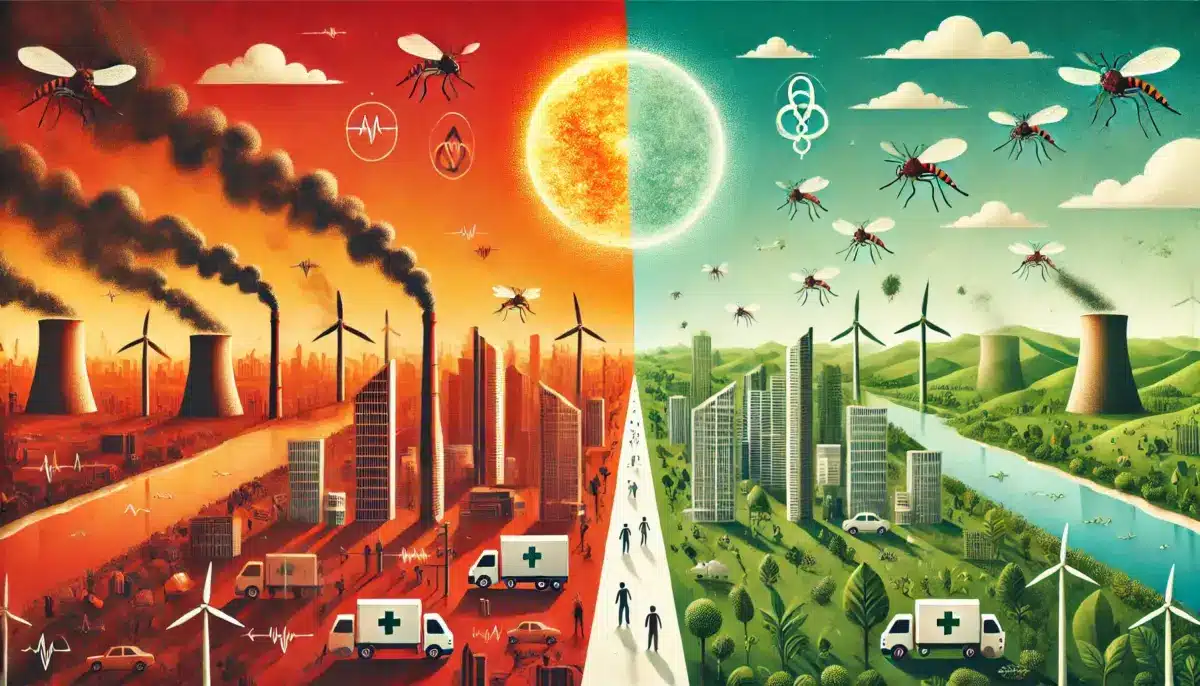
The health consequences of the climate crisis are well known. Diseases that have disappeared, or that were endemic to certain regions, are migrating from tropical regions to Europe and the Middle East. Photo: freestocks, Unsplash
The inequality The climate crisis is already well-known. The populations that will be most affected by climate change are those who contribute least to the deterioration of the situation, and who are pushed to the bottom of the priority list. Those with low incomes suffer more from lack of in food securityThe risk of injury from fires is higher in economically disadvantaged areas, and women are twice as likely to die from heat-related causes as men. A report by the medical journal The Lancet highlights the importance of coordinating activities between different bodies, as well as the issue of climate-environmental justice, and reminds us that the climate crisis is intensifying inequality.
initiative"The Lancet Countdown" was established in 2021 as a research collaboration to monitor the climate crisis in Europe and encourage solutions to mitigate and deal with it. The report that came out this year Identifies 42 indicators of the negative impacts of climate change on human health, adding 9 indicators to its predecessor, which was released in 2022. The indicators include leishmaniasis (Jericho rose), ticks, food security, greenhouse gas emissions related to the medical sector, greenhouse gas emissions related to production and consumption processes, investments in clean energy, and scientific, political, and media engagement in the field of climate and health. The report criticizes the slow response of authorities to existing knowledge about the climate crisis and the missed opportunities to protect the population and improve its health through appropriate actions. So if Europe is delaying and neglecting, what about us, whose preoccupation with war seems to postpone any dealing with other issues?
The footprint of the health system
The health consequences of the Climate Crisis are well known: extreme heat can cause death, and affects, among other things, lost work days and the ability to exercise outdoors; food insecurity is affected by heat waves and droughts and affects many aspects of health. Air conditioners help prevent heat-related health problems, but they emit greenhouse gases, heat the air around them and cause Air Pollution.
Diseases that have disappeared, or that characterized certain regions, migrate from tropical regions to Europe and the Middle East (West Nile fever, dengue, Zika, malaria, etc.) using mosquitoes of various species. "The spread of diseases such as distemper, rabies, 'brain-eating amoeba', Leishmania and West Nile fever in Israel, stems from changes in both climate and ecosystems, and urbanization processes," says Prof. Itamar Grotto, chairman of the Forum for Health and Environment at the Taub Center in Jerusalem, who was not involved in writing the report. "The treatment of West Nile fever does require A multi-system vision and integrated inter-ministerial response (environmental protection, health, agriculture), but there is no sufficient coordination and no adequate care in trouble".
The climate crisis not only presents challenges for the healthcare system; the healthcare system itself has a carbon footprint. According to the Lancet report, the healthcare system’s contribution to greenhouse gas emissions and air pollution was estimated at 4.6 percent of emissions in Europe in 2020 (from the production of medical products, transportation, waste, and energy consumption), about 330 megatons of carbon dioxide (356 kg per capita).
So what should we do?
What is missing, according to the report, are plans for cooperation between the health sector and other sectors, such as the Ministry of Environmental Protection and the Meteorological and Hydrological Services. Such plans would help in making decisions related to health supervision, by linking weather forecasting systems, flood warnings and impacts on Water quality and more according to a report by World Health Organization (WHO), most European countries have health control programs, but only a few have assimilated the connection between climate and its effect on human health, and the importance of cooperation between the various bodies.
Climate crisis preparedness and mitigation are particularly critical in densely populated cities, to improve resilience to extreme heat, flooding, air pollution, and to better cope with physical and mental health problems and the strain on health systems. Low financial and technical capacity, a lack of skilled manpower, and a lack of political prioritization limit the ability of authorities to deal with these combined problems. Sustainable transportation, air pollution reduction, sustainable urban planning, as well as green spaces that allow for physical activity, reduce air pollution and noise, lower temperatures, encourage social connections, and reduce mental stress. All of these will contribute to climate resilience and reduce socio-economic disparities, but they require, as mentioned, multi-system collaborations.
Financial investment in the transition to a low-carbon economy, in a healthy and sustainable diet, in innovative agriculture, in the restoration of nature and more, pays off. It is estimated at about 50 million dollars a year until 2030, while the profits from it were estimated at 5.7 trillion dollars (in disease prevention, increasing labor productivity, etc.). According to the report, even the business sector showed attention to the health aspects of climate change: 37 percent of companies addressed it in their reports in 2022 and 25 percent even addressed inequality and injustice. However, among politicians, the important connection was still not understood This and the importance of the required collaborations.
Here, in Israel, the state auditor warned about the lack of preparedness plans for climate change in reports issued in2021 And2024. Despite this, "in Israel, the research in this field is at a very early stage. The knowledge about the importance of collaboration between different bodies exists, but the resources to implement it are lacking," says Grotto. "Information is not what we lack in Israel. The problem is in the application of the information, and that there is no body that looks at the picture from above."
More on this subject on Hayadan.com - Science news:
