
Hayadan > Society and history > history > ancient times
ancient times

- Avi Blizovsky
- No comments
An analysis of some 11 Greek dedicatory inscriptions shows that mentions of vows to the gods increased over more than a thousand years. In the sixth century BC, about 9% of inscriptions mentioned vows, and by late antiquity, more than 60%.

- Avi Blizovsky
- No comments
Analysis of 243 ancient genomes from the Iberian Peninsula shows that Roman rule brought about a major demographic shift, with the arrival of people from the eastern Mediterranean and North Africa. The Suevi, Vandals, Alans and Visigoths who came after them contributed

- Avi Blizovsky
- No comments
In a model scroll created in the lab, ink containing lead stood out in an X-ray scan even after the papyrus was burned. Now it remains to be seen which ancient scrolls the method might be useful for.

- Dr. Yahyam whistles
- 7 comments
Yechiam Sorek examines how we can learn about the ancient cat from written sources, archaeological finds, and genetic research—and why we must distinguish between the animal, its name, and its character in the story.
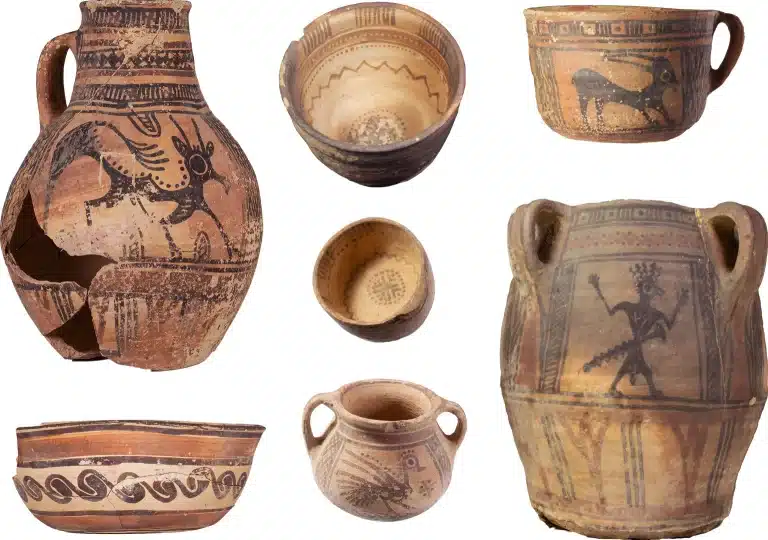
Already 3,200 years ago: Pottery from northern Arabia became a "brand" that exported as far as Timna
- Avi Blizovsky
- No comments
A multidisciplinary study of painted pottery from the Quraya oasis in the northwestern Arabian Peninsula has found a combination of recognizable design, consistent raw materials, centralized production, imitations, and long-distance trade. The researchers argue that

- Avi Blizovsky
- One response
A large-scale study of ancient DNA from Pannonia, Hungary, published in the journal Science, confirms that significant migration from northern Europe occurred, but shows that the society that emerged thereafter was not the result of conquest and replacement.

- Science site The Conversation
- 2 comments
A model of ice flow in ancient Britain shows that a glacier could have carried rocks from northeast Scotland to Dogger Bank. From there, humans still had to move the six-ton stone some 400 miles.

- Avi Blizovsky
- 2 comments
A model that reconstructed the Mediterranean climate over 8,000 years suggests a combination of a long-term drying trend and fluctuations in the Atlantic Ocean and atmosphere. The researchers emphasize that drought was not necessarily the cause

- Tel Aviv University
- 2 comments
The epic attributed to Homer was born from a tradition of oral storytelling and has been re-adapted in each generation. Dr. Teddy Fassberg of Tel Aviv University explains why Christopher Nolan's film does not break with tradition –

- Avi Blizovsky
- No comments
A re-examination of the remains of a princess and a royal son buried in Dahshur found signs of repeated and strenuous use of upper body muscles, along with healed fractures. Researchers estimate that the bows, arrows, and weapons found in their graves

- Avi Blizovsky
- One response
- Avi Blizovsky
- No comments
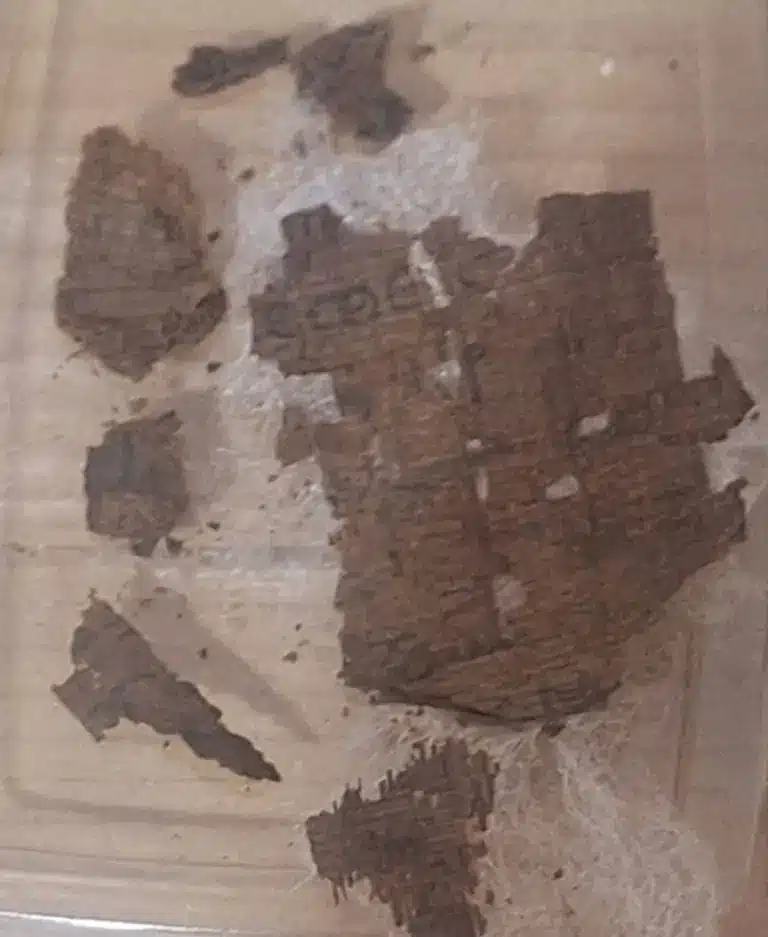
A University of Barcelona expedition has identified a fragment of Homer's "Catalogue of Ships" inside a Roman-era mummy in Oxyrhynchus. This is the first known case of a Greek literary text in the context of embalming.
- Avi Blizovsky
- No comments
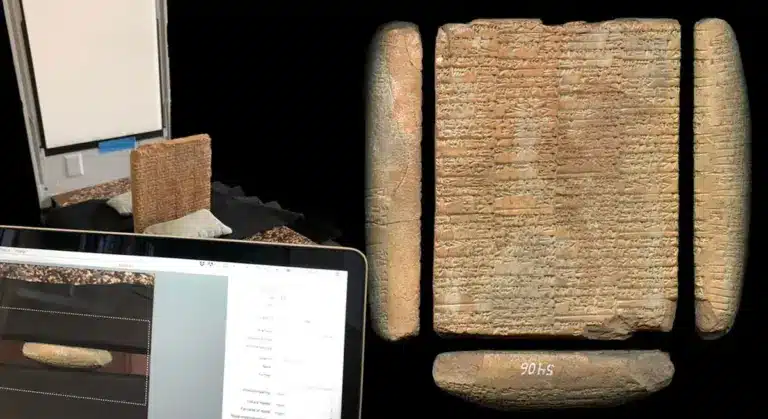
A Danish project to identify and digitize a collection of clay tablets has uncovered a rare ritual against witchcraft, king lists, government correspondence, and an ancient Kabbalah about beer.

- Haifa University
- No comments
Researchers at the University of Haifa found that even in the tenth to eighth centuries BC, at the height of the conflicts between the Kingdom of Israel and the Kingdom of Aram, shepherds continued to move their flocks between open grazing areas, including

- Haifa University
- No comments

- Avi Blizovsky
- 3 comments
An analysis of 31 ancient societies found that collaborative, inclusive governance was far more common than previously thought, and that the key was not the size of the society but the way rulers financed their power.

- Israel Antiquities Authority Archeology
- 4 comments
Archaeologists from the University of Haifa have uncovered a one-of-a-kind slingstone near the ancient city of Susita, bearing the sarcastic inscription "Learn," a clear message to enemies on the way: Let them learn a lesson.

- Avi Blizovsky
- No comments
Researchers from the University of Bristol have identified 81 volatile organic compounds in thousands of years old mummified samples, showing how embalming materials have become more complex and sophisticated over the generations.
- Avi Blizovsky
- No comments
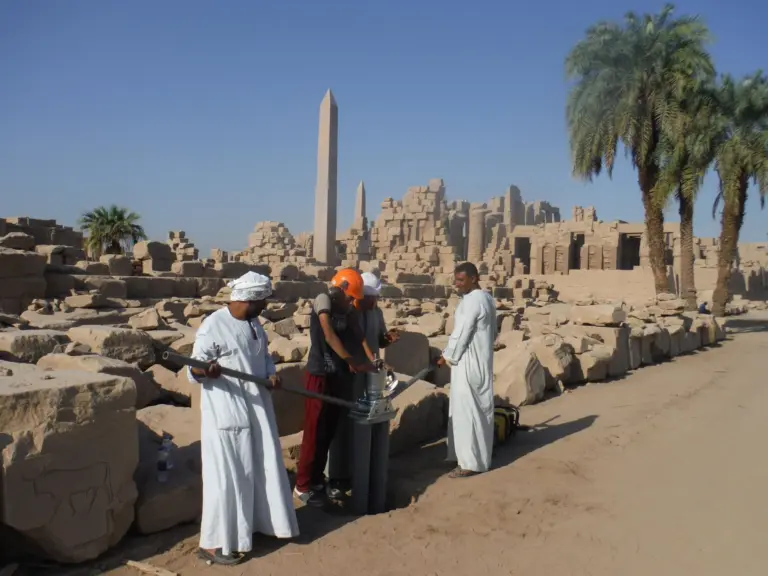
A comprehensive geoarchaeological investigation around Karnak near Luxor found that the site became habitable only after 2520 BC, and points to an elevated island between ancient Nile channels that may also explain the religious logic behind the choice of the site.

- Avi Blizovsky
- 2 comments
The role of tides in the development of the first cities is a way of seeing how “quiet” physical factors can create conditions for urbanization, government, and myths—through the infrastructure that society must establish to survive.

- Avi Blizovsky
- No comments
Multidisciplinary study describes how the ziggurats of Mesopotamia influenced religious imagination, city-state power centers, and even modern architecture.

- Avi Blizovsky
- 5 comments
Three underwater cargo complexes in the Dor Lagoon south of Haifa provide direct evidence of maritime trade between the 11th and 6th centuries BC, showing changing connections with Egypt, Cyprus, and the Phoenician coast.

Hidden spaces discovered in the Menkaure pyramid in Giza: Researchers reveal two mysterious chambers
- Avi Blizovsky
- No comments
New geophysical scans by the ScanPyramids project have identified two air-filled spaces behind the polished eastern facade of the Great Pyramid of Menkaure, providing strong evidence for the possible existence of a second entrance to the ancient structure at Giza.

- Avi Blizovsky
- No comments
First-of-its-kind radiocarbon dating of artifacts associated with Pharaoh Ahmose – sampled from the British Museum and the Petrie Museum – suggests that the Thera eruption occurred as early as the Second Intermediate Period, supporting a “low chronology” for the 18th Dynasty
- Israel Antiquities Authority Archeology
- No comments
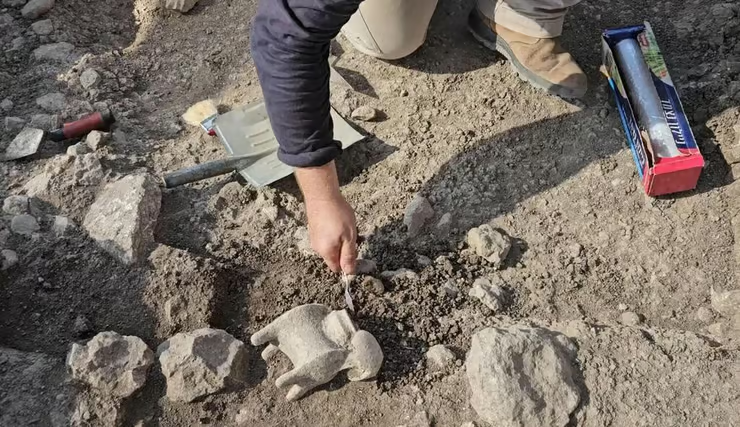
In an excavation conducted by the Israel Antiquities Authority as part of a major transportation project on Route 66 being carried out by the Israel Roads Company, a wine press for wine production was discovered - one of the oldest ever uncovered in the country - and other unique findings that teach about Canaanite worship.

- Davidson Institute
- 2 comments
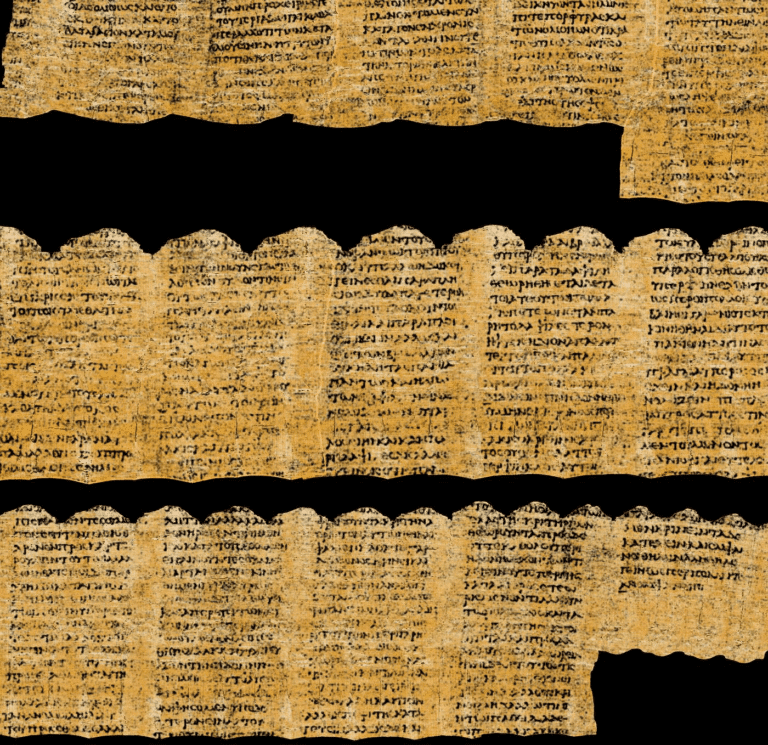
Using imaging technologies and artificial intelligence, scientists have managed to read charred texts from Herculaneum, written by the Epicurean philosopher Philodemus.

- Avi Blizovsky
- 9 comments
At the Accountant General's Conference in Jerusalem, the Prime Minister said that Israel is facing political isolation and an economy with autarkic characteristics. His words about "Super-Sparta" evoke parallels with studies on historical Sparta, where military culture created

- Avi Blizovsky
- One response
Mass production, deforestation, and land exploitation pushed Troy to the brink of crisis as early as the Bronze Age – and history warns against unbridled growth

- Avi Blizovsky
- No comments
A new rock tablet near Aswan reveals a rare glimpse into Egypt's early elite, even before the pyramids were built, and raises questions about the formation of the pharaonic state.

- Avi Blizovsky
- No comments

- Israel Antiquities Authority Archeology
- 2 comments
The excavation is changing historical knowledge about the site. Photo: Judean Desert Team at the Israel Antiquities Authority

- Dr. Yahyam whistles
- No comments
I will seek to find the causal connection between "grief", "agony" and ancient Greek agonistics. In the list discussed, I will seek to present the historical, ethnological, social, linguistic, conceptual and comparative side in the sporting context between a linguistic box that appears

- Avi Blizovsky
- 4 comments
The Egyptian-British team found the tomb of King Thutmose II and his wife Hatshepsut, the last of the lost tombs of the Eighteenth Council of Pharaohs of the New Kingdom. The tomb was known but it was not clear who was buried there.

- Avi Blizovsky
- No comments
A vessel for making incense. Probably related to the ritual ceremonies that took place at the site. Photo by Emil Aljam, Israel Antiquities Authority.

- Avi Blizovsky
- One response
Two new studies (January 2025) reveal how natural climate change and lead water contamination shaped the social and health development of ancient Rome, highlighting the need to incorporate health aspects into climate risk assessment

- Avi Blizovsky
- No comments
Archaeologists from the Hebrew University of Jerusalem have uncovered a Roman-era boundary stone at Tel Abel Beit Ma'aka, offering new insights into historical geography, land ownership, and economic dynamics in the region.

- The Hebrew University
- No comments
A research team from the Hebrew University combined modern science and historical reconstructions to decipher ancient medical texts and gain a deeper understanding of the influence of Greco-Roman medicine on modern science.

- Avi Blizovsky
- No comments
On pottery discovered at Tel Hama in the Jordan Valley, the fingerprints reveal the work of children in the Bronze Age

- Tel Aviv University
According to a research team, the environmental pollution from the mining activity was spotty and minimal, and did not pose a danger to the residents of the area then or now

- Avi Blizovsky
- One response
University of York researchers uncover a hidden clue in the mask's pierced ears, suggesting the iconic piece was originally designed for a woman to rule, perhaps Nefertiti

- Tel Aviv University
- One response
The researchers: "For many years, archaeologists have been trying to decipher the meaning of the 'Medina ceramics' found at sites in the south of the country. According to our findings, these are tools that were brought by potters from the Arabian Peninsula, and were used in worship

- Israel Antiquities Authority Archeology
- No comments
The boy Yair Whitson from Haifa discovered during a trip a bronze ring with the goddess Athena engraved on it * The impressive ring was handed over to the State Treasures * Yair and his family came on a tour of the new National Archaeological Museum of

- Avi Blizovsky
- 2 comments
Recent research reveals that a significant change in the course of the Nile River about 4,000 years ago expanded the floodplain near Luxor, which could have caused the prosperity of agriculture in ancient Egypt and influenced the location of sites

- Avi Blizovsky
- No comments
Scientists were amazed by the discovery of cut marks around cancerous tumors on an ancient Egyptian skull, which allowed them to better understand how the ancient Egyptians tried to treat the disease

- Avi Blizovsky
- One response
These findings can explain why the pyramids are concentrated in what is now a narrow and hostile strip of desert
- Dr.Roey Tsezana

- Avi Blizovsky
- 5 comments
The amulet may testify to the presence of an Assyrian (or perhaps Babylonian) official in the place almost 2,800 years ago * The rare find was transferred to the state treasures and the traveler received a certificate of appreciation from the Antiquities Authority

- Avi Blizovsky
- 5 comments

- Israel Antiquities Authority Archeology
- One response
A study by the Antiquities Authority, recently published in the journal Atiqot 111, reveals the earliest evidence of organized fighting and arming in the Land of Israel in particular and the southern Levant in general
- Israel Antiquities Authority Archeology
- One response
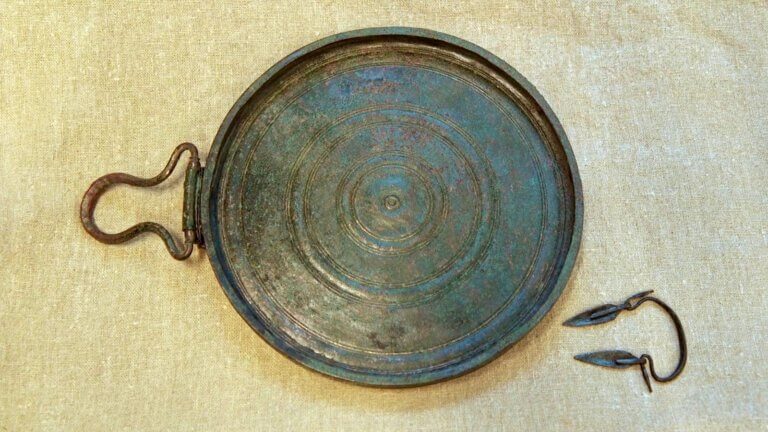
A grave where the remains of a woman were discovered with a rare mirror next to her opens an extraordinary window into customs that were 'imported' to Israel with the Hellenistic occupation * It seems that the person buried was a young woman of Greek origin, who accompanied an army officer or