The American political system is facing a crucial choice regarding the future of the climate and the environment, when the global consequences of the American decisions may lead to far-reaching changes in the world climate
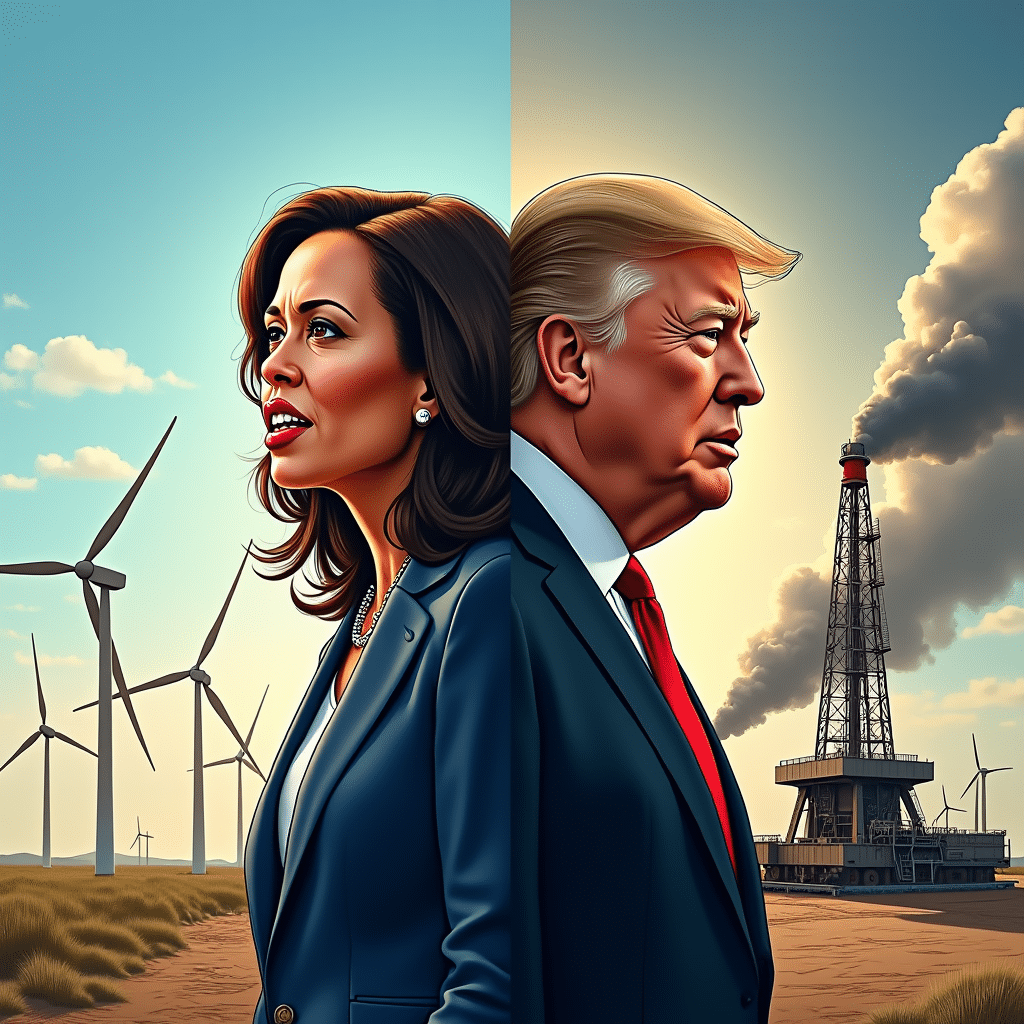
Contrast between the environmental agendas of Trump and Harris. Credit: Avi Blizovsky
The environmental ideologies of Donald Trump and Kamala Harris highlight the deep differences between their approaches to climate change. While Trump focuses on reducing environmental regulations and investing extensively in fossil fuels, Harris seeks to continue the transition to a green economy with an emphasis on reducing emissions and united global action to preserve the environment.
Trump: Support for deregulation and investment in fossil fuels
Donald Trump's environmental policy, as presented in his campaign, focuses on reducing regulation and developing oil and gas infrastructure. Trump advocates a "Drill, Baby, Drill" approach and argues that public spending on what he calls "useless green programs" should be reduced. Trump made it clear during his campaign that he opposes any attempt to limit the fossil fuel industries and has proposed repealing environmental legislation enacted during the Biden era, including incentives for electric vehicles and increased investment in green technologies.
As part of his policy, Trump intends to withdraw from the Paris climate agreement again, a move aimed at strengthening the American oil industry and reducing regulations that could harm it. His plan, known as "Agenda 47", includes promises of quick approval for fossil energy projects, and the reduction of regulatory restrictions related to greenhouse gas emissions.
Along with his focus on supporting an economy based on fossil fuels, Trump wants to develop an "America First" trade policy that will focus on bringing supply chains back home and creating incentives to strengthen the local economy, while imposing restrictions on the import of goods. Such a move may lead to worsening economic and international tensions, which may harm global efforts to develop ecological solutions and prevent a global climate crisis.
Harris: Continued investment in renewable energies
On the other hand, Vice President Kamala Harris, who is standing in these elections as a presidential candidate, presents a completely opposite approach regarding the climate. Her tenure as Vice President included support for the Inflation Reduction Act (IRA), which was the United States government's largest investment to date in a green economy. This law places emphasis on encouraging investments in green technologies, reducing emissions and switching to electric vehicles.
Harris presents her policy as one that combines the promotion of green energy with increasing domestic oil and gas production. In her speech, she describes the environmental change not only as an environmental issue, but also as an economic issue that deals with increasing insurance costs and additional economic consequences of climate crises.
One of the criticisms of Harris is the lack of clarity of her policies. While it shows support for the continuation of the existing policies of the Biden administration, no actual steps have been outlined to address the key issues regarding greenhouse gas emissions. Perhaps the reason for this lies in the efforts to maintain broad support among the voters of the Democratic Party.
The impact of policy on the future of the climate
Trump's policy, aimed at massive investment in fossil fuels, could significantly undermine global efforts to preserve the climate and achieve the goals set in the Paris Agreement. Such a policy could lead to an increase in greenhouse gas emissions, the elimination of incentives for green tools, and the worsening of the global climate crisis.
In contrast, Harris presents the investment in green energy as part of a national vision, but does not present a concrete policy on how it will continue to reduce emissions. Also, a lack of clarity regarding foreign policy and integration into global leadership may lead to uncertainty in the international arena as well.