
"It is not clear whether Bezos's company Tsucceeded in helping to extend the human life span, but what is clear is that by studying aging new and exciting discoveries may emerge" writes Prof. Daniel Davies from the University of Manchester
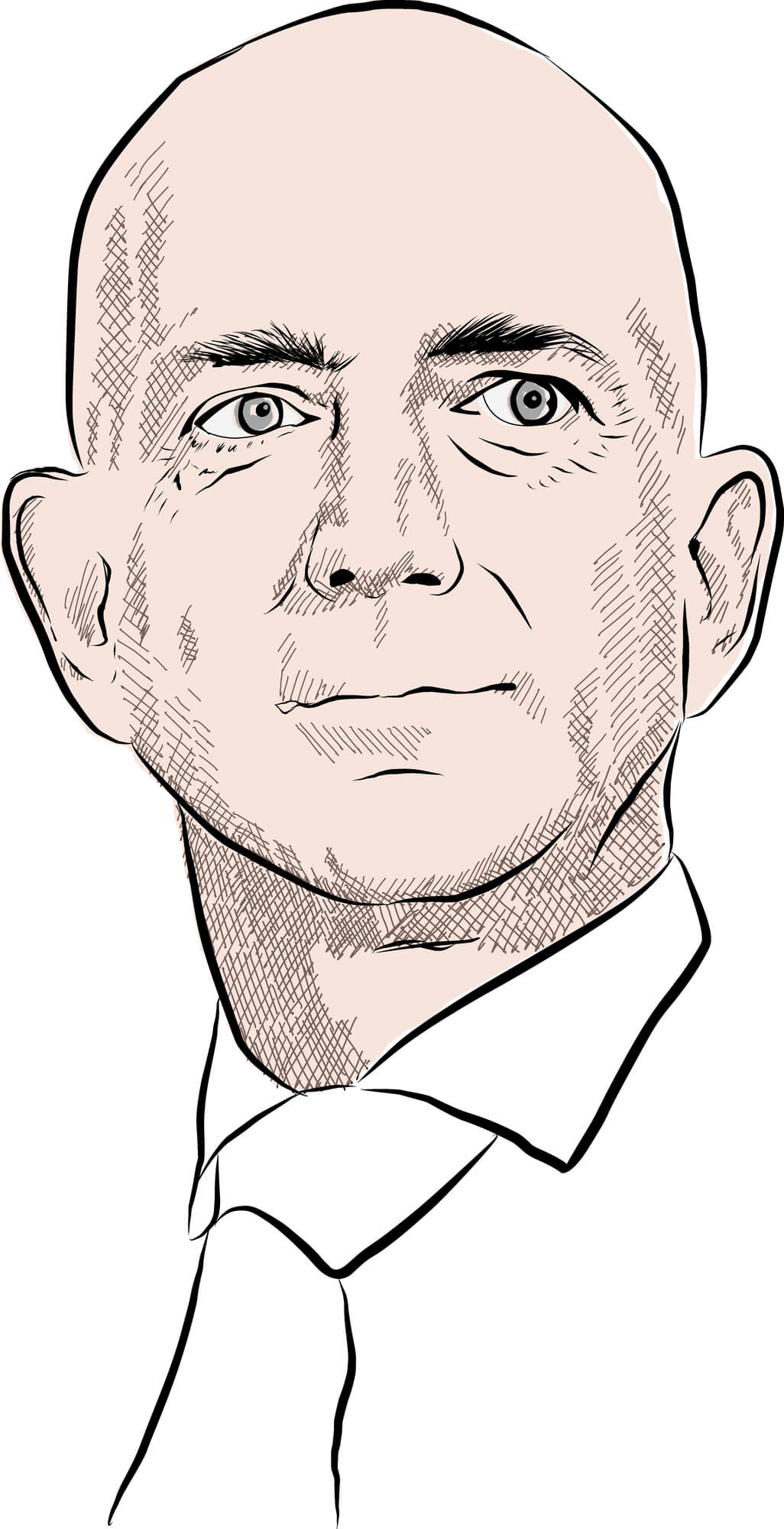
by Daniel M. Davis, Professor of Immunology, University of Manchester
Jeff Bezos has taken on a mission: to defeat aging. He recruited Hal Barron from Glaxo-Smith-Kline to help run Altos Labs, the ambitious new multibillion-dollar anti-aging company. What does science really say about this? Can we beat aging?
Aging is not only a change in feeling and appearance, which are by-products of changes at the cellular level. In a laboratory culture plate, mature skin cells divide about 50 times before the division stops. But skin cells from a newborn baby can divide 80 or 90 times. At the other extreme, cells from an elderly person only divide around 20 times.
Aging is also evident in our genes. The genetic material changes over time, for example by chemicals that stick to DNA and change the characteristics of turning genes on or off. These changes are called epigenetic changes, and they accumulate as we age. Another type of change occurs at the ends of our cell's DNA where there are repeated segments of DNA called telomeres. These act like the plastic end of a shoelace, preventing the twisted coils of genetic material from fraying or binding at the ends. But these telomeres shorten every time a cell divides. We don't know if short telomeres are just a sign of aging, like gray hair, or if they are an active part of the cell's aging process.
In order to stay alive and keep dividing, the telomeres of immune cells do not shorten when they divide, and neither do cancer cells. This probably contributes to their apparent immortality. Drugs that prevent telomere shortening show promise against cancer (although cancer cells can develop resistance).
A bigger question
Given that aging has such a profound effect on our cells and genes – the effects mentioned here are just a few examples – a much bigger question arises: Why does this happen? Why do we age?
Aging was once thought to be part of evolution so as not to "waste resources" on those who cannot produce offspring. In other words, the evolution of a species requires a turnover of individuals. However, one problem with this idea is that most life on Earth does not get to live to old age. Most animals are killed by predators, disease, climate damage or starvation, and therefore a built-in limit to an animal's lifespan should not be an important feature for evolution.
Another view is that aging is simply a side effect of the damage that accumulates over time. Damage is caused to cells during metabolism or from exposure to ultraviolet light from the sun. We know that genes are damaged as we age, but this has not been proven to directly cause aging. Another possibility is that aging evolved as a defense against cancer. As cells accumulate genetic damage over time, they may develop a cancerous process.
As we age, some body cells enter a state called senescent, where a cell remains alive but stops dividing. Senescent cells accumulate in the body throughout life - especially in the skin, liver, lungs and spleen - and have both beneficial and harmful effects.
They are helpful because they secrete chemicals that help repair damaged tissue, but over a long period of time, as more and more cells accumulate in this condition, they can disrupt the normal structure of organs and tissues. These cells can be the underlying cause of many of the problems we associate with aging. Mice from which senescent cells were removed were delayed for a long time in showing signs of aging.
We can describe much of what happens during aging at the level of what physically happens to our genes, cells, and organs. But the fundamental question of why we age is still open. Apparently, there is more than one right answer.
Of course, no one knows whether Bezos' company can help extend human lifespans, but what is clear is that by studying aging, new and exciting discoveries may emerge. Never listen to anyone who says the big questions have already been answered. As I recently detailed in a book about new technology and the human body, The Secret Body, I am certain that dramatic breakthroughs will profoundly change the experience of being human in the coming century.

2 comments
Life in a movie... hahahaha
Just think they will beat death. The earth will not provide space and food for everyone