MIRI observations of 72 disks around young stars show how the mechanisms of gas loss change as the system matures: initially jets and winds associated with magnetic fields dominate, and later atomic and photoid winds become increasingly important.
Combined FAST and DESI measurements show that over the past 4.5 billion years, the rate of star formation has slowed sharply, while the pool of atomic hydrogen has shrunk only slightly. The finding draws attention to the stage when the gas
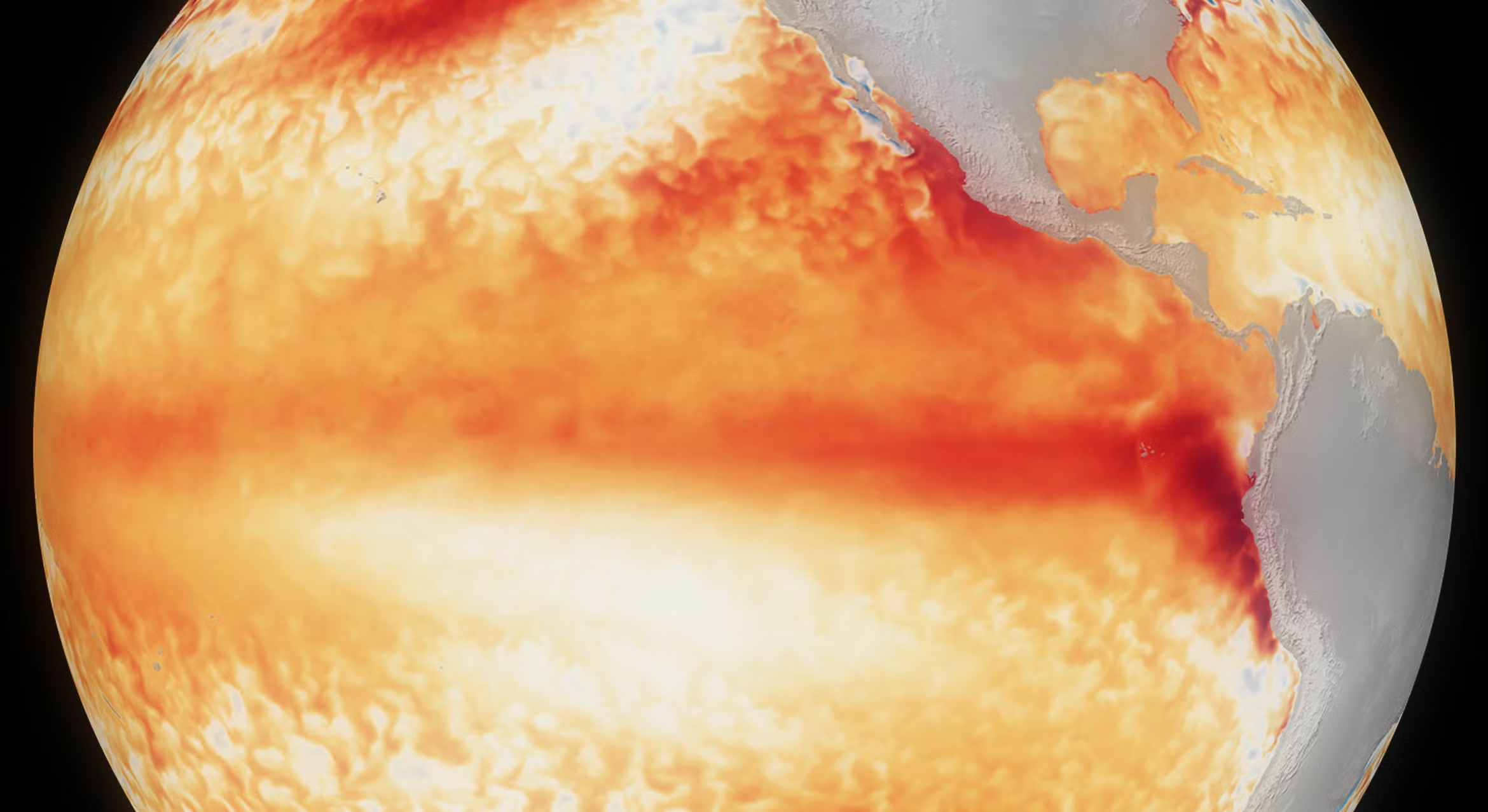
An analysis of living and fossil corals from the Galapagos Islands found that the variability of the El Niño-La Niña system in the eastern Pacific Ocean is now 36.5% higher than it was during the pre-industrial millennium. The strengthening is mainly due to
A day after the news of her death was published, Weizmann Institute materials highlight the scientific legacy she left behind: decades of struggle with a problem that was considered almost insoluble, development of crystallographic methods, deciphering the ribosome, and laying the foundation for understanding